
Rehabs for Panic Disorder

Showing 20 of 30 Results (filtered)
Featured Rehab Centers

1411 W County Line Rd, Suite 1411A, Greenwood, IN 46142

Parkview Health - Decatur Office
Decatur, Indiana
809 High Street, Decatur, IN, 46733

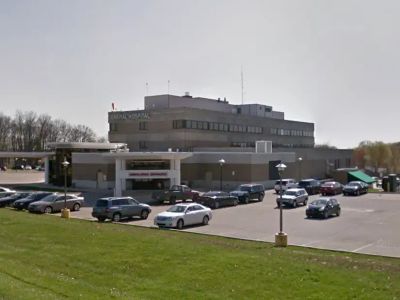

1185 County Rd 1000 W, Linton, IN 47441
Get Personalized Rehab Matches in 60 Seconds
Tell us a few details and we’ll show a personalized shortlist of verified Indiana rehabs, making it simple to compare options and choose your next step with confidence.
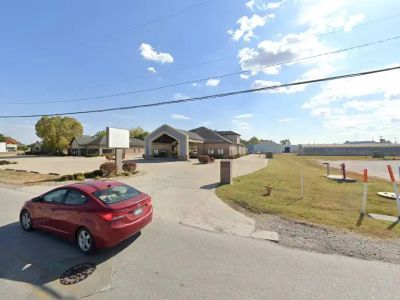

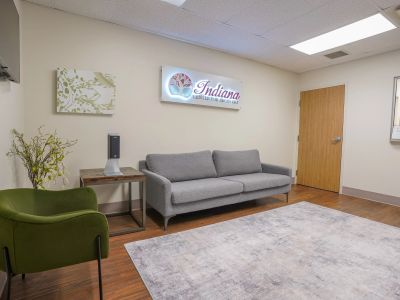
Indiana Center For Recovery- Alcohol & Drug Rehab Terre Haute
Terre Haute, Indiana
135 E Hospital Ln, Terre Haute, IN 47802



Addiction Rehab Centers - ARC | Drug & Alcohol Rehab - Addiction Treatment in Indianapolis, IN
Indianapolis, Indiana
7322 Noel Rd, Indianapolis, IN 46278



Boca Recovery Center - Fort Wayne, Indiana
Fort Wayne, Indiana
111 W Berry St #211, Fort Wayne, IN 46802
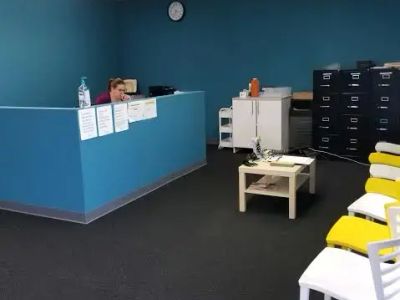


Recover Together - Connersville
Connersville, Indiana
2110 N Park Rd, Connersville, IN, 47331



Boca Recovery Center - Indiana Drug and Alcohol Rehab
Huntington, Indiana
3040 W Park Dr, Huntington, IN 46750


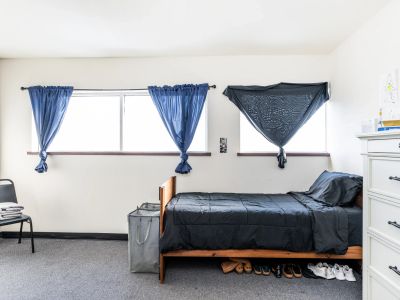
Cardinal Recovery
Franklin, Indiana
1130 West Jefferson St, Franklin, IN, 46131
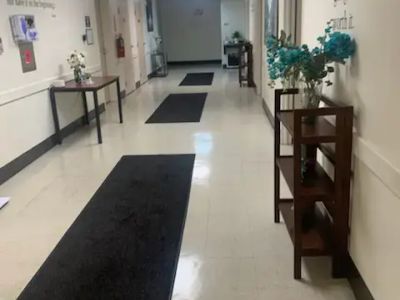
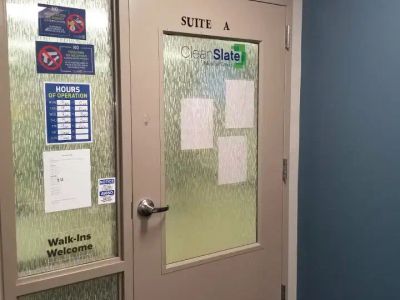

CleanSlate Outpatient Addiction Medicine
Richmond, Indiana
2302 Chester Blvd A, Richmond, IN 47374



Indiana Center for Recovery - Alcohol & Drug Rehab Center Bedford
Bedford, Indiana
1600 23rd St, Bedford, IN 47421



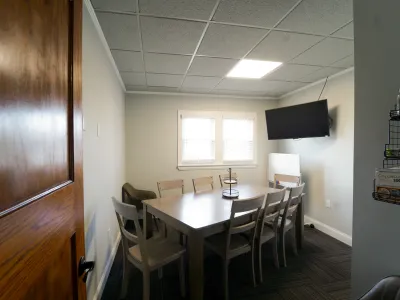
Avenues Recovery Center at Indianapolis
Indianapolis, Indiana
7960 Shadeland Ave, Indianapolis, IN 46250

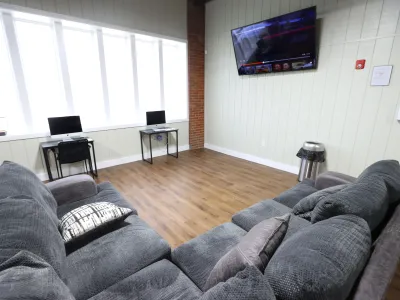
First City Recovery Center
Kokomo, Indiana
317 W Jefferson St, Kokomo, IN, 46901


215 W 4th St, Mishawaka, IN 46544



Recovery Centers of America at Indianapolis
Indianapolis, Indiana
8530 Township Line Rd, Indianapolis, IN 46260



Willowstone Family Services
Lafayette, Indiana
615 N 18th St Ste101, Lafayette, IN 47904



LifeSpring Health Systems - Washington County Office
Salem, Indiana
1321 South Jackson Street, Salem, IN, 47167



LifeSpring Health Systems - Turning Point Center
Jeffersonville, Indiana
1060 Sharon Drive, Jeffersonville, IN, 47130



Edgewater Health
Gary, Indiana
1110 West 6th Avenue, Gary, IN, 46402
232 West Van Buren Street Suite 103, Columbia City, IN 46725
Why Trust Indiana Rehabs
As Hoosiers helping Hoosiers, we understand the unique challenges our communities face. Our team meticulously verifies every Indiana treatment center, ensuring you find trusted, local care that truly understands your journey.
About our listingsLevels of Care
Explore popular treatment options by levels of care, from flexible treatment in Outpatient centers to intensive care in Residential rehabs.
Free · 24/7 · Confidential
Talk to a Treatment Specialist
Call now to get matched with Indiana facilities that accept your insurance.
(888) 568-9930
Free
Ins. check
4.9★
Rating
HIPAA
Protected
Can't travel to a facility?
Licensed Indiana therapists via secure video — same-week appointments, evenings & weekends available.
Your heart starts pounding out of nowhere, your breath grows shallow, and suddenly the room feels too small, like you’re trapped in a storm no one else can see. If you’ve been caught in these moments, feeling frightened and out of control, know that you’re not alone and you’re not broken. While panic attacks are overwhelming, there are compassionate, proven ways to help you steady your mind and body, guiding you back to a place of confidence and calm.
What is panic disorder?
Panic disorder is a mental health condition where you experience recurrent, unexpected panic attacks. It’s more than just feeling stressed or anxious; it’s a cycle of intense fear that can feel completely debilitating. The key here is the word “unexpected.” These attacks can happen without any obvious trigger, which leads to persistent worry about when the next one might strike.
So, what’s the difference between a panic attack and panic disorder? A panic attack is a single episode of overwhelming fear, while panic disorder is diagnosed when those attacks become a recurring problem that causes you to constantly fear another one. This fear can become so powerful that it changes your daily behavior, causing you to avoid places or situations where you think an attack might happen.
If this sounds familiar, please know that you are not alone. In the United States, an estimated 2.7% of adults have experienced panic disorder in the past year[1]. It's a recognized and, most importantly, a highly treatable condition. With the right support, you can learn to manage the anxiety symptoms and regain control over your life.
What are the signs and symptoms of panic disorder?
Understanding the signs of panic disorder involves recognizing two parts: the symptoms of a panic attack itself and the behavioral changes that follow. The attacks are sudden waves of intense fear that seem to come out of nowhere, while the disorder is the anxiety and avoidance that stem from the fear of these attacks.

The physical and emotional panic attack symptoms can be terrifying because they often mimic serious medical emergencies, like a heart attack. This is why many people's first experience with a panic attack leads them to an emergency room. During an attack, you might experience several of the following[1]:
- Pounding heart, palpitations, or an accelerated heart rate
- Sweating, trembling, or shaking
- Shortness of breath or a feeling of being smothered
- Feelings of choking
- Chest pain or discomfort
- Nausea or stomach distress
- Feeling dizzy, lightheaded, or faint
- Chills or heat sensations
- Numbness or tingling sensations
- A sense of unreality or being detached from yourself
- Fear of losing control or "going crazy"
- An intense fear of dying
The core symptom of panic disorder is the persistent worry about having more panic attacks. This constant fear can lead to significant changes in your life. You might start avoiding places where you've had an attack before, like a grocery store or a crowded elevator. Over time, this avoidance can expand, sometimes leading to agoraphobia, which is a fear of being in situations where escape might be difficult. The good news is that recognizing these symptoms is the first step toward getting effective treatment.
What causes panic disorder?
There's no single, simple answer to what causes panic disorder. Instead, it’s usually a mix of factors that come together, creating a perfect storm. Think of it less like flipping a switch and more like a combination of ingredients that, for some people, result in this challenging condition.
Genetics and family history play a significant role. If a close relative like a parent or sibling has panic disorder, your own risk increases[1]. This doesn't mean you're guaranteed to develop it, but it suggests a genetic predisposition may be at play.
Life experiences and environmental factors are also major contributors. Periods of extreme stress, the death of a loved one, a major life transition, or a history of trauma can act as triggers. Your brain's natural "fight or flight" response, which is designed to protect you from danger, can become overly sensitive. In panic disorder, this alarm system gets triggered at the wrong times, setting off a cascade of physical and emotional symptoms even when there's no real threat. Understanding these potential causes can help you and a mental health professional pinpoint the best path forward for your treatment.
How is panic disorder diagnosed?
Getting a diagnosis for panic disorder is a careful process that helps ensure you get the right kind of help. It’s not just about telling a doctor you feel anxious; it involves a thoughtful evaluation to rule out other possibilities and confirm what’s really going on.
The first step is typically a full physical exam. A healthcare provider will want to check for any underlying medical conditions that could be causing your symptoms. Things like thyroid problems, heart conditions, or other physical illnesses can sometimes mimic the symptoms of a panic attack[1]. They might run blood tests or an EKG to make sure everything is physically in order.
Once medical issues are ruled out, the next step is a psychological evaluation with a mental health professional. This is a conversation, not a test. They’ll ask you about your symptoms, your fears, any major life stress you're under, and how this is all affecting your daily life. They will use established criteria, like those found in the Diagnostic and Statistical Manual of Mental Disorders (DSM-5), to determine if your experiences align with the diagnosis of panic disorder. This careful approach ensures your treatment plan is tailored specifically to you.
How is panic disorder treated?
If you're living with panic disorder, the most important thing to know is that it is highly treatable. You don't have to navigate this alone, and there are proven, effective strategies to help you manage your symptoms and reclaim your sense of peace. The most effective approach to the treatment of panic disorder often combines therapy and medication, though the right plan is always personalized to your specific needs[1]. Working closely with a healthcare provider, you can find a path that feels right for you. Untreated mental illness in Indiana carries a heavy cost, not just emotionally but economically, highlighting why seeking care is so important[2].
Psychotherapy
Psychotherapy, or "talk therapy," is a cornerstone of effective panic disorder treatment. The most well-researched and successful type is cognitive behavioral therapy (CBT). CBT is a practical, goal-oriented approach that helps you understand the connection between your thoughts, feelings, and behaviors. A therapist will work with you to identify the negative thought patterns that fuel your panic attacks. You'll learn to challenge these thoughts and replace them with more balanced, realistic ones.
A key part of CBT for panic disorder often includes exposure therapy. This is done in a safe, controlled way with the guidance of your therapist. You’ll gradually face the physical sensations of panic, learning that these feelings are not dangerous and that you can move through them without losing control. This process helps desensitize you to the fear, putting you back in the driver’s seat. Other therapies like dialectical behavior therapy (DBT) can also be incredibly helpful in teaching emotional regulation and distress tolerance skills.
Medications
Medications can also be a very effective tool in managing panic disorder, especially when used alongside therapy. The most common medications for panic disorder are antidepressants. Selective serotonin reuptake inhibitors (SSRIs) and serotonin-norepinephrine reuptake inhibitors (SNRIs) are typically the first-line choice. These work by adjusting brain chemistry over time to reduce the frequency and intensity of panic attacks and decrease overall anxiety.
Another class of medication, benzodiazepines, may be prescribed for short-term, immediate relief from panic symptoms. While they can be very effective at stopping a panic attack in its tracks, they are generally not recommended for long-term use due to the risk of dependence. It's crucial to have an open conversation with your doctor about all the options, potential side effects, and what makes the most sense for your treatment plan.
Lifestyle and home remedies
While professional treatment is key, you also have the power to support your recovery through daily habits and self-care. These lifestyle adjustments can work hand-in-hand with therapy and medication to help you feel more grounded and in control.

One of the most immediate tools you can use is your breath. Practicing deep breathing exercises can help calm your nervous system when you feel anxiety rising. Simple techniques, like slowly inhaling through your nose for four counts and exhaling through your mouth for six, can make a real difference.
Stress management is another huge piece of the puzzle. Incorporating activities like mindfulness, meditation, or yoga into your routine can help lower your baseline anxiety level[3]. Regular physical activity is also a powerful antidote to anxiety. Even a brisk walk each day can help burn off nervous energy and boost your mood.
Pay attention to what you're putting into your body. Substances like caffeine, alcohol, and nicotine can trigger or worsen panic attacks in some people. Prioritizing good sleep hygiene by creating a consistent, relaxing bedtime routine is also essential for a stable mood. These small, consistent choices add up, building a strong foundation for your mental health.
How can I find help?
Taking that first step to find help can feel like the hardest part, but it's a courageous move toward reclaiming your life from panic and anxiety. Here in Indiana, you have resources available to connect you with the right support. A great starting point is talking to your primary care doctor. They can help rule out any physical causes and provide a referral to a mental health professional.
When you’re ready to connect with a therapist or psychiatrist, it can be overwhelming to know where to look. That's where we come in. Indiana Rehabs is a directory designed to help Hoosiers find local, licensed mental health providers. You can browse our listings and filter them based on your needs, whether you're looking for someone who specializes in CBT, accepts your insurance, or is located in your community. Many Hoosiers need mental health care but don't receive it, and our goal is to help close that gap[4]. For broader searches, resources like SAMHSA’s FindTreatment.gov can also be valuable.
Finding the right fit is everything. Don't be afraid to ask questions and find a provider you feel comfortable with. Your journey to feeling better starts with a single step, and we're here to help you take it.
Your Path Forward With Panic Disorder
Living with panic disorder can feel isolating, but your path forward is filled with hope. Remember, this is a treatable condition, and recovery is not just possible, it's expected with the right support. You've already taken an important step by seeking out information and understanding what you're experiencing.
Your recovery journey will be unique to you, built on a foundation of proven strategies. A solid treatment plan often involves psychotherapy, especially anxiety-focused therapies like CBT, which empowers you with tools to manage your thoughts and reactions. For some, medication provides the stability needed to fully engage in therapy. Just as important are the self-care practices you build into your daily life, mindful breathing, regular movement, and stress management.
Be patient and compassionate with yourself. There will be good days and challenging ones, but every step you take is progress. You have the strength to navigate this, and you don't have to do it alone. Keep reaching out, keep learning, and keep moving forward. The calm and confidence you're looking for are within reach.
You’ve learned about what panic disorder is and how it can be treated, and now it's time to take the next step. Recovery is a journey, and you don't have to walk it alone. With the right support system and a personalized treatment plan, you can manage your symptoms and get back to living a life free from constant fear. If you’re ready to find help for yourself or a loved one in Indiana, our team at Indiana Rehabs is here for you. You can reach out by calling (888) 568-9930 or by exploring our contact page to connect with treatment options near you. Taking this step is a sign of incredible strength.
Frequently Asked Questions About Panic Disorder Treatment
How long does treatment for panic disorder usually take?
Can panic disorder be cured completely?
Can I treat panic disorder without medication?
What's the difference between a psychiatrist and a psychologist for panic disorder treatment?
What should I do if I see someone having a panic attack?
- National Institute of Mental Health. (January, 2019). Panic disorder. National Institute of Mental Health. nimh.nih.gov
- Cornett, A., et al. (2023). Economic burden associated with untreated mental illness in Indiana. JAMA Health Forum. jamanetwork.com
- National Alliance on Mental Illness. (March, 2023). Anxiety disorders. National Alliance on Mental Illness. nami.org
- Fairbanks School of Public Health. (June, 2023). Community mental health needs assessment report for Marion County. Indiana University. fairbanks.indianapolis.iu.edu