
Rehabs for Persistent Depressive Disorder (Dysthymia)

Showing 11 of 11 Results (filtered)
Featured Rehab Centers


Boca Recovery Center - Indiana Drug and Alcohol Rehab
Huntington, Indiana
3040 W Park Dr, Huntington, IN 46750



Cardinal Recovery
Franklin, Indiana
1130 West Jefferson St, Franklin, IN, 46131



Indiana Center for Recovery - Alcohol & Drug Rehab Center Bedford
Bedford, Indiana
1600 23rd St, Bedford, IN 47421
Get Personalized Rehab Matches in 60 Seconds
Tell us a few details and we’ll show a personalized shortlist of verified Indiana rehabs, making it simple to compare options and choose your next step with confidence.

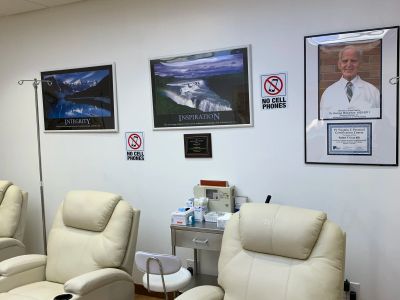

Kentuckiana Integrative Medicine
Jeffersonville, Indiana
405 E Court Ave #102, Jeffersonville, IN 47130


First City Recovery Center
Kokomo, Indiana
317 W Jefferson St, Kokomo, IN, 46901


215 W 4th St, Mishawaka, IN 46544

Woodview Psychology Group
Indianapolis, Indiana
70 E 91st Street Suite 210, Indianapolis, IN, 46240


Marion VAMC - Evansville Health Care Center
Evansville, Indiana
6211 East Waterford Boulevard, Evansville, IN, 47715
Pinnacle Treatment Centers - 2209 John R Wooden Drive
Martinsville, Indiana
2209 John R Wooden Drive, 3rd Floor Martinsville, IN 46151
Centerstone – Pierson House
Richmond, Indiana
76 S 14th St, Richmond, IN 47374
LifeSpring Health Systems - Adult Integrated Medical Services
Jeffersonville, Indiana
404 Spring Street Jeffersonville, IN 47130
Why Trust Indiana Rehabs
As Hoosiers helping Hoosiers, we understand the unique challenges our communities face. Our team meticulously verifies every Indiana treatment center, ensuring you find trusted, local care that truly understands your journey.
About our listingsLevels of Care
Explore popular treatment options by levels of care, from flexible treatment in Outpatient centers to intensive care in Residential rehabs.
Free · 24/7 · Confidential
Talk to a Treatment Specialist
Call now to get matched with Indiana facilities that accept your insurance.
(888) 568-9930
Free
Ins. check
4.9★
Rating
HIPAA
Protected
Can't travel to a facility?
Licensed Indiana therapists via secure video — same-week appointments, evenings & weekends available.
Maybe you’ve been carrying a subtle, gray fog with you for as long as you can remember, not a storm, but a constant drizzle that colors everything just a bit duller. It’s easy to wonder if this gentle weight is just part of who you are, something unchangeable. But this ongoing low mood has a name, dysthymia, or persistent depressive disorder, and with the right support and treatment, it’s absolutely possible to lift some of that cloud and start feeling lighter in your day-to-day life.

What is persistent depressive disorder (PDD)?
Persistent depressive disorder (PDD), often known by its older name, dysthymia, is a chronic form of depression. You can think of it as a low-grade, long-lasting depressed mood that hangs around for years, not just weeks or months. For adults, a diagnosis requires experiencing these feelings more days than not for at least two years.[1] It's a real and recognized health condition, affecting an estimated 1.5% of adults in the U.S. at some point in their lives.[2]
Unlike major depression, which can involve severe episodes, dysthymia’s symptoms are often milder but more constant. It’s easy to dismiss this persistent feeling as just a personality trait, like being "a pessimist" or "melancholy." But it’s not a personality flaw; it’s a treatable medical condition. Recognizing that this chronic low mood isn’t just “who you are” is the first step toward getting the right kind of care.
What are the symptoms of dysthymia?
The symptoms of dysthymia can be tricky because they’re often subtle and can be mistaken for just having a bad day or feeling worn out from stress. The key difference is that they don’t go away; they are a near-constant presence. If you're dealing with this depressive disorder, you might recognize several of these feelings and behaviors.[1]
- A lasting feeling of sadness, emptiness, or being "down in the dumps"
- Low energy or chronic fatigue that doesn't improve with rest
- Changes in your appetite, either eating too little or overeating
- Sleep problems, like sleeping too much or struggling with insomnia
- Low self-esteem or feeling like you’re not good enough
- Trouble concentrating or making decisions
- A sense of hopelessness about the future
Over time, these depressive symptoms can quietly disrupt your work, your relationships, and your ability to enjoy things you once loved. It’s like trying to run a race with a weight on your back, you can still move forward, but everything takes more effort.
What causes dysthymia?
There isn't a single switch that flips to cause dysthymia. Instead, it’s usually a combination of factors that come together, and it’s never your fault. Think of it as a puzzle with a few different pieces that can contribute to the bigger picture.[1]
Genetics can play a role; if depression or other mood disorders run in your family, you might have a higher risk. Your brain chemistry is another piece, particularly the function of neurotransmitters that regulate mood. And finally, life experiences matter. Chronic stress, trauma, or going through difficult life events can wear down your emotional reserves, making you more vulnerable. These factors don’t guarantee someone will develop dysthymia, but they can create the conditions for it to take root.
How is dysthymia diagnosed?
Getting a diagnosis for dysthymia starts with a conversation. A mental health provider will sit down with you for a thorough evaluation by a mental health provider to understand what you’ve been feeling. They’ll ask about your symptoms, how long you've had them, and how they affect your life. They’ll also want to know about your family health history and any major life events you’ve experienced.
To make an official diagnosis, they use criteria from the Diagnostic and Statistical Manual of Mental Disorders (DSM-5). For dysthymia, the main requirement is a depressed mood that has been present more days than not for at least two years.[1] Your healthcare provider may also run some tests to rule out other medical issues, like thyroid problems, that can cause similar symptoms. This process ensures that you get the right diagnosis and, ultimately, the right care.

How is dysthymia treated?
The most important thing to know about dysthymia treatment is that it works. This isn't something you just have to live with. Because it's a chronic condition, the most effective approach is often a combination of strategies tailored just for you. The goal isn’t just to relieve symptoms, but to give you the tools and support to manage your mood for the long haul.
A good treatment plan usually blends psychotherapy (talk therapy), medication, and positive lifestyle changes.[1] Think of these as three legs of a stool, together, they create a stable foundation for recovery.[3] Your healthcare provider will work with you to figure out the right mix, because your path to feeling better should be as unique as you are.
Psychotherapy for Dysthymia
Psychotherapy, or talk therapy, is a core part of treating dysthymia. It provides a safe space to understand your feelings and develop new ways of thinking and coping. One of the most effective methods is cognitive behavioral therapy (CBT), which helps you identify and challenge the negative thought patterns that fuel depression. Another helpful approach is Interpersonal Therapy (IPT), which focuses on improving your relationships and communication skills, since social connections can have a huge impact on your mood.
Medications for Managing Dysthymia
Medications, particularly antidepressants, can be very effective for lifting the persistent fog of dysthymia. They work by helping to rebalance the chemicals in your brain that affect mood. Common types prescribed include SSRIs (Selective Serotonin Reuptake Inhibitors) and SNRIs (Serotonin-Norepinephrine Reuptake Inhibitors). Finding the right medication and dosage can take a little time and patience. It's a collaborative process between you and your doctor or psychiatrist to discover what works best for you with the fewest side effects.
Lifestyle Changes to Improve Mood
You have more power over your mood than you might think, and simple daily habits can make a real difference. Regular exercise is a fantastic mood booster, even something as simple as a daily walk. A balanced diet and good sleep hygiene are also crucial for stabilizing your energy and mood. On top of that, practices like mindfulness and meditation can help you manage stress and become more aware of your emotional state without judgment, giving you a greater sense of control.
Seeking Help from a Mental Health Professional
Taking the step to reach out for help is a sign of incredible strength. A mental health professional can provide a clear diagnosis and guide you toward the right treatment. A therapist or counselor is your go-to for psychotherapy, while a psychiatrist is a medical doctor who can manage medications. You can find qualified and compassionate local providers right here in Indiana who specialize in treating depressive disorders. To get started, you can use a confidential resource like the SAMHSA treatment locator or filter Indiana providers for persistent depressive disorder support on our site.
Final Thoughts on Managing Dysthymia
While dysthymia is a long-term condition, it absolutely does not have to define your life. With the right support system and a consistent treatment plan, you can learn to manage your symptoms, lift that persistent low mood, and experience more joy and fulfillment. Recovery is not about becoming a different person; it's about becoming more fully yourself, free from the weight of chronic depression. A brighter future is not just possible, it’s within your reach. For guidance on your next steps, contact our helpline anytime.
Living with a constant low mood is exhausting, but you don’t have to carry that burden alone. Effective treatments are available, and finding the right support can make all the difference. If you're ready to explore your options, our team at Indiana Rehabs is here to help. You can call us at (888) 568-9930 for a confidential conversation or contact us online to find a provider near you. Reaching out is the first, most powerful step toward a brighter, clearer day.
Frequently Asked Questions About Dysthymia (Persistent Depressive Disorder)
Can dysthymia be cured?
How do I know if I have dysthymia or if I'm just sad?
Can I treat dysthymia without medication?
How long does it take for dysthymia treatment to work?
- (08-11-2024). Persistent depressive disorder. StatPearls - NCBI Bookshelf. ncbi.nlm.nih.gov
- (January, 2019). Persistent depressive disorder (dysthymic disorder). National Institute of Mental Health. nimh.nih.gov
- (11-06-2021). Major depressive disorder: Validated treatments and future challenges. PubMed Central. pmc.ncbi.nlm.gov