Rehabs for Post-Traumatic Stress (PTSD)

Showing 20 of 115 Results (filtered)
Featured Rehab Centers


1411 W County Line Rd, Suite 1411A, Greenwood, IN 46142

Parkview Health - Decatur Office
Decatur, Indiana
809 High Street, Decatur, IN, 46733
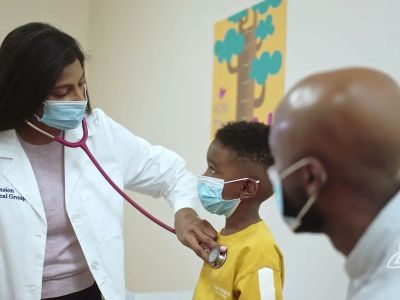
1185 County Rd 1000 W, Linton, IN 47441
Get Personalized Rehab Matches in 60 Seconds
Tell us a few details and we’ll show a personalized shortlist of verified Indiana rehabs, making it simple to compare options and choose your next step with confidence.

Centerstone Recovery Transitional Housing
Columbus, Indiana
1680 Whitney Ct, Columbus, IN 47203

Crossroads Healing Center - Addiction & Mental Health Treatment in Indiana
Connersville, Indiana
450 Erie Ave, Connersville, IN 47331

Foundations Counseling Center
Merrillville, Indiana
8973 Broadway, Merrillville, IN 46410

Hamilton Center Inc: Mathew Maleakal S MD
Terre Haute, Indiana
620 8th Ave, Terre Haute, IN 47804
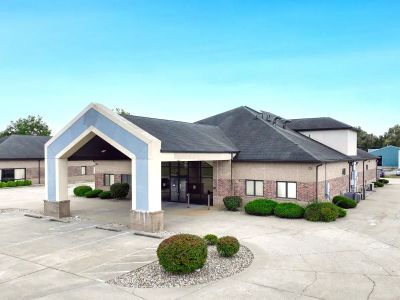
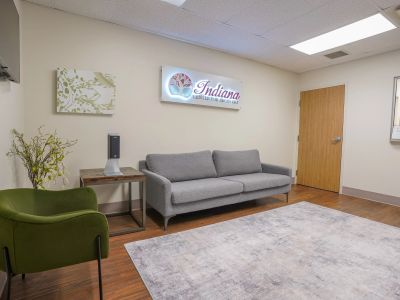
Indiana Center For Recovery- Alcohol & Drug Rehab Terre Haute
Terre Haute, Indiana
135 E Hospital Ln, Terre Haute, IN 47802

Indiana Professionals Recovery Program
Valparaiso, Indiana
13 Lincolnway suite 205, Valparaiso, IN 46383
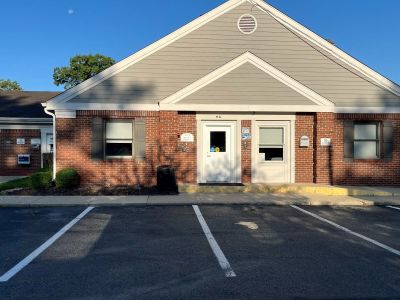
New Vista North
Indianapolis, Indiana
4010 W 86th St suite d, Indianapolis, IN 46268



Addiction Rehab Centers - ARC | Drug & Alcohol Rehab - Addiction Treatment in Indianapolis, IN
Indianapolis, Indiana
7322 Noel Rd, Indianapolis, IN 46278
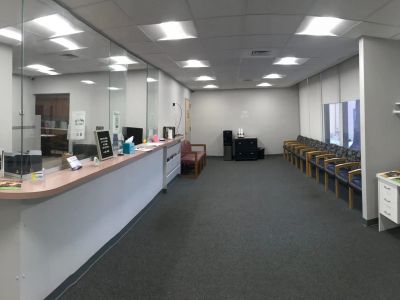

Alliance MD
Michigan City, Indiana
10176 W 400 N c, Michigan City, IN 46360

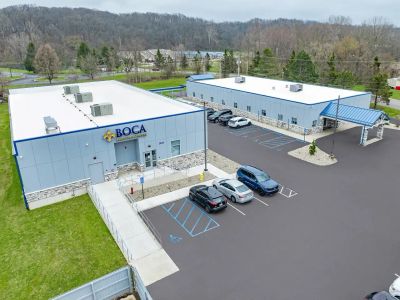

Boca Recovery Center - Fort Wayne, Indiana
Fort Wayne, Indiana
111 W Berry St #211, Fort Wayne, IN 46802

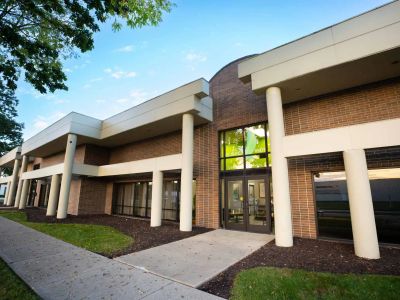
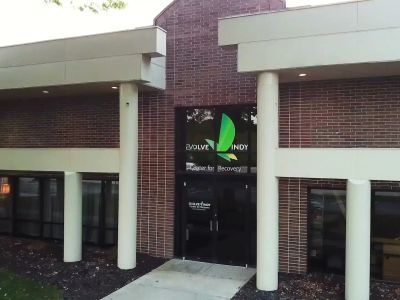
Evolve Indy
Indianapolis, Indiana
8770 Guion Rd, Indianapolis, IN, 46268
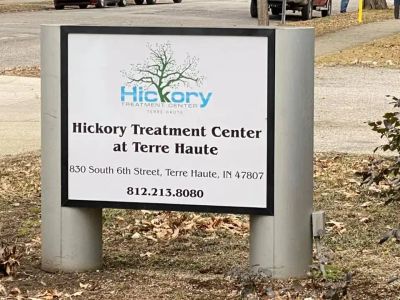
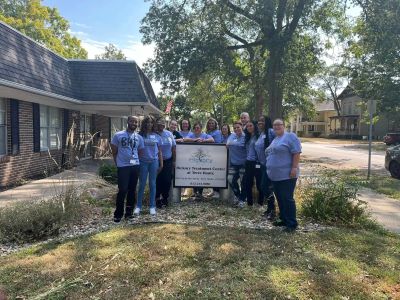
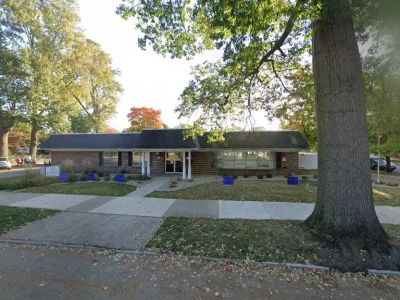
Hickory Treatment Center at Terre Haute
Terre Haute, Indiana
830 S 6th St, Terre Haute, IN 47807
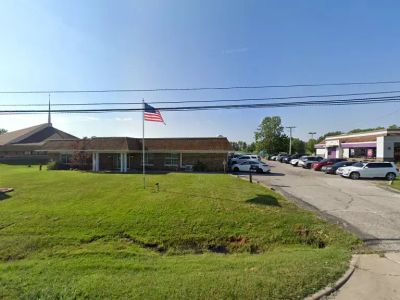
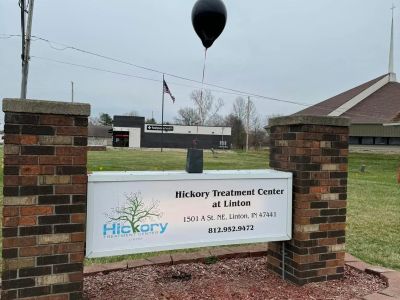
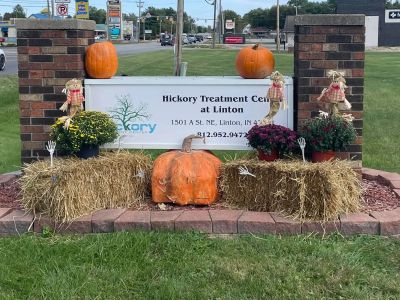
1501 A St NE, Linton, IN 47441
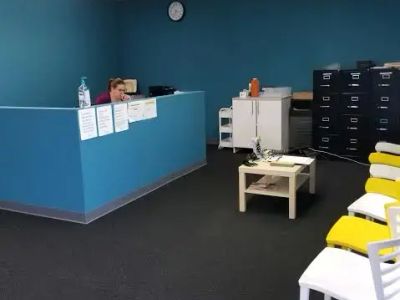


Recover Together - Connersville
Connersville, Indiana
2110 N Park Rd, Connersville, IN, 47331



See Purpose Addiction Treatment Center Indiana
Bloomfield, Indiana
3237 IN-157, Bloomfield, IN 47424
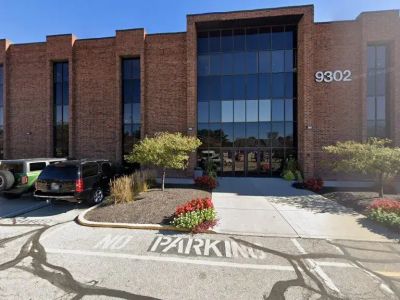


Spark Recovery - Outpatient Drug Addiction Treatment Indianapolis
Indianapolis, Indiana
9302 N Meridian St Ste 101, Indianapolis, IN 46260
232 West Van Buren Street Suite 103, Columbia City, IN 46725
Why Trust Indiana Rehabs
As Hoosiers helping Hoosiers, we understand the unique challenges our communities face. Our team meticulously verifies every Indiana treatment center, ensuring you find trusted, local care that truly understands your journey.
About our listingsLevels of Care
Explore popular treatment options by levels of care, from flexible treatment in Outpatient centers to intensive care in Residential rehabs.
Free · 24/7 · Confidential
Talk to a Treatment Specialist
Call now to get matched with Indiana facilities that accept your insurance.
(888) 568-9930
Free
Ins. check
4.9★
Rating
HIPAA
Protected
Can't travel to a facility?
Licensed Indiana therapists via secure video — same-week appointments, evenings & weekends available.
If every loud noise makes your heart race or you find yourself scanning the room instead of relaxing in a crowd, you’re not imagining things, it’s your body remembering, long after the world has moved on. When the aftershocks of a traumatic experience make daily life feel like you’re always on alert, it’s easy to feel alone or overwhelmed. But these reactions are more common than you might think, and they’re signs of something that can be understood and treated. Support and practical steps toward healing are within reach, right here in Indiana.

What is PTSD?
Post-traumatic stress disorder, or PTSD, is a mental health condition that some people develop after living through or witnessing a traumatic event. It’s important to understand that this is a natural response to an unnatural situation, it is not a sign of weakness. When you experience something terrifying, your brain’s alarm system goes into overdrive to protect you. For some, that alarm doesn’t shut off, even when the danger has passed. That’s PTSD.
While most people experience trauma at some point, not everyone develops this disorder. Research shows that between 61% and 80% of people will go through a traumatic event, but PTSD develops in only about 5% to 10% of that population. Because the symptoms can overlap with other conditions like anxiety or depression, getting an accurate PTSD diagnosis from a qualified professional is the critical first step. It ensures you get the right kind of care tailored to your specific needs, opening the door to effective treatment and healing.[1]
Symptoms and Causes
Understanding the symptoms of PTSD can help you recognize what you or a loved one might be going through. They often fall into four main categories, and while everyone’s experience is unique, you might notice patterns in these areas.
- Re-experiencing: This is when the trauma feels like it’s happening all over again. It can show up as intrusive memories, vivid nightmares, or intense physical reactions like a racing heart when something reminds you of the event.
- Avoidance: You might find yourself going to great lengths to avoid anything that reminds you of the trauma. This could mean staying away from certain places, people, or even refusing to talk or think about what happened.
- Arousal and Reactivity: This category includes symptoms that keep you on high alert. You might feel jumpy or easily startled, have trouble sleeping, experience angry outbursts, or feel constantly on guard for danger.
- Cognition and Mood: The trauma can change how you see yourself and the world. This can lead to persistent negative thoughts, feelings of guilt or blame, memory problems related to the event, and a loss of interest in activities you once enjoyed.[1]
PTSD is caused by exposure to a deeply distressing or life-threatening event. This includes experiences like military combat, sexual or physical assault, serious accidents, natural disasters, or the sudden loss of a loved one. Certain risk factors can make someone more likely to develop PTSD after a trauma, such as a history of anxiety or depression, experiencing childhood trauma, or lacking a strong support system of friends and family.[2]
PTSD Treatments
When it comes to treating PTSD, there is so much hope. The most effective approaches are psychotherapy (often called talk therapy) and medications, which are frequently used together to help manage symptoms and process the trauma. It’s important to remember that there’s no one-size-fits-all solution. A mental health professional will work with you to create a personalized treatment plan that fits your unique experiences and needs.
Recovery is a journey, not a destination, and it looks different for everyone. With the right trauma-focused treatment programs, many people find significant relief. Studies show that with treatment, about 30% of people eventually recover completely.[3] Another 40% get much better, though some mild symptoms may remain.[3] These aren't just numbers; they represent real people finding their way back to a life that feels safe and fulfilling.[4]

Cognitive behavioural therapy (CBT)
Cognitive behavioural therapy, or CBT, is a type of talk therapy that helps you become aware of negative thinking patterns so you can respond to challenging situations more effectively. For PTSD, a specialized form called Trauma-Focused CBT is highly effective. It helps you process the traumatic event in a safe environment and build practical coping skills. A therapist guides you through techniques like cognitive processing therapy (CPT), which helps you challenge and change unhelpful beliefs related to the trauma, or Prolonged Exposure (PE), which gradually helps you confront memories and situations you’ve been avoiding.
Eye movement desensitisation and reprocessing (EMDR)
eye movement desensitization and reprocessing, known as EMDR, is a structured therapy designed to help the brain reprocess traumatic memories. During a session, a therapist will ask you to focus on a specific memory while you also experience bilateral stimulation, such as watching a light or listening to a tone alternate between your ears. This process helps your brain "unstick" the memory, reducing the vividness and emotional charge associated with it. The goal isn’t to erase the memory but to store it in a way that no longer causes distress.
Medications
For many people, medications can be a helpful tool for managing the overwhelming symptoms of PTSD. Antidepressants, particularly selective serotonin reuptake inhibitors (SSRIs) and serotonin-norepinephrine reuptake inhibitors (SNRIs), are commonly prescribed to ease feelings of anxiety, sadness, and anger. While medicines don't cure PTSD, they can make symptoms more manageable, allowing you to engage more fully in psychotherapy. A psychiatrist or other healthcare provider can work with you to determine if medication is a good fit for your treatment plan.
Coping and support
While professional treatment is key, building daily coping skills and a strong support system can make a world of difference. Simple practices like mindfulness or deep breathing can help ground you when you feel overwhelmed. Connecting with trusted friends, family, or joining a support group reminds you that you’re not alone in this journey. Sharing your experience with people who understand can reduce feelings of isolation and provide a sense of community.[5]
Finding the right professional support in Indiana is a crucial step. You can start by exploring our directory to find local providers who specialize in PTSD care. Using our filters, you can easily narrow your search to find treatment centers that offer the specific therapies you need. A great starting point is to search for licensed mental health professionals in your area. Taking the time to find a therapist who is a good fit can empower you on your path to recovery.
Taking the First Step
Just by reading this, you’ve already taken a significant step. Understanding what PTSD is and how it’s treated is the foundation for healing. Recovery is not only possible, but it’s something you deserve. Remember, you don’t have to have it all figured out right now. The journey to better health often begins with one small, manageable action.
That action might be learning a little more about treatment options, scheduling an appointment with your doctor, or simply browsing the directory of Indiana providers. Whatever it is, know that you are not alone. There are compassionate people and effective resources available right here in Indiana, ready to support you whenever you’re ready. Healing from trauma is a process, and every step forward, no matter how small, is a victory.[3]
Living with the weight of trauma is exhausting, but you don't have to carry it alone. Effective treatments like therapy and medication can help you reclaim your sense of safety and peace. Healing is possible, and taking the first step is often the hardest part. If you’re ready to talk to someone who understands, our team at Indiana Rehabs is here to help. You can call us at (888) 568-9930 to discuss your options or contact us online to find the support you need to start your recovery journey.
Frequently Asked Questions About PTSD Treatment in Indiana
How do I get a PTSD diagnosis?
How long does PTSD treatment take?
Can PTSD go away on its own?
What is the difference between trauma and PTSD?
What is the best therapy for PTSD?
Is PTSD a form of anxiety?
- American Psychiatric Association. (2025). What is Posttraumatic Stress Disorder (PTSD)?. Psychiatry.org. psychiatry.org
- Zatzick, D. et al. (2008). Prevalence and correlates of posttraumatic stress disorder and major depression after injury. The Journal of Trauma. pmc.ncbi.nlm.nih.gov
- Lewis, C. et al. (2024). Recurrence of post-traumatic stress disorder: A systematic review. BJPsych Open. pmc.ncbi.nlm.nih.gov
- U.S. Department of Veterans Affairs. (2020). Posttraumatic Stress Disorder (PTSD). research.va.gov. research.va.gov
- Substance Abuse and Mental Health Services Administration. (2024). Trauma and Violence. SAMHSA. samhsa.gov