
Rehabs for Court-Ordered/Justice-Involved

Showing 20 of 42 Results (filtered)
Featured Rehab Centers
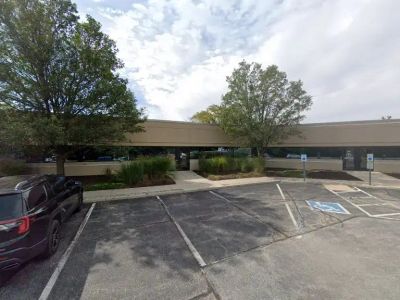
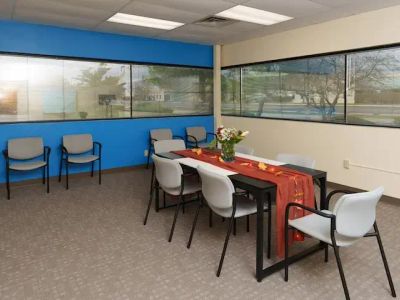
Addiction Rehab Centers - ARC At Bayside | Indianapolis Drug & Alcohol Rehab
Indianapolis, Indiana
5929 Lakeside Blvd, Indianapolis, IN 46278

Addictions Recovery Centers - South Bend
South Bend, Indiana
2012 Ironwood Circle, South Bend, IN, 46635

Hamilton Center Inc: Mathew Maleakal S MD
Terre Haute, Indiana
620 8th Ave, Terre Haute, IN 47804
Get Personalized Rehab Matches in 60 Seconds
Tell us a few details and we’ll show a personalized shortlist of verified Indiana rehabs, making it simple to compare options and choose your next step with confidence.

Indiana Professionals Recovery Program
Valparaiso, Indiana
13 Lincolnway suite 205, Valparaiso, IN 46383
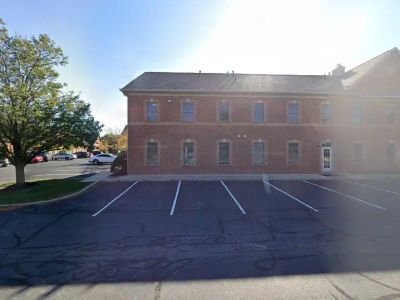


JRNY Counseling LP
Carmel, Indiana
708 Adams St suite 209, Carmel, IN 46032
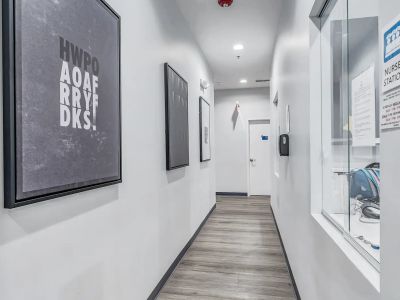
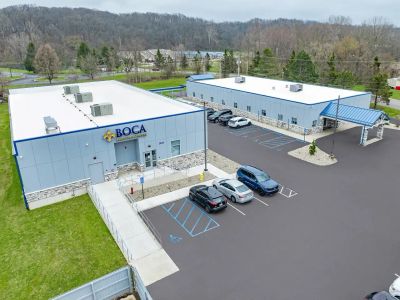

Boca Recovery Center - Fort Wayne, Indiana
Fort Wayne, Indiana
111 W Berry St #211, Fort Wayne, IN 46802
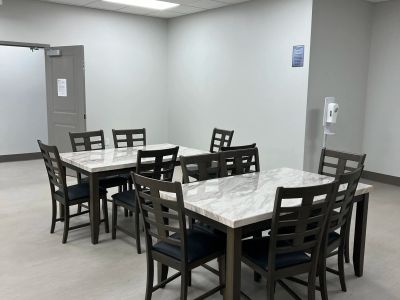
Sunrise Recovery - Drug and Alcohol Men's Rehab in Clarksville
Clarksville, Indiana
628 Eastern Blvd, Clarksville, IN 47129

The Thirteen Step House
Fort Wayne, Indiana
1317 W Washington Blvd, Fort Wayne, IN, 46802
CleanSlate Outpatient Addiction Medicine
Richmond, Indiana
2302 Chester Blvd A, Richmond, IN 47374

Elevate Recovery
Kokomo, Indiana
209 N Webster St, Kokomo, IN 46901
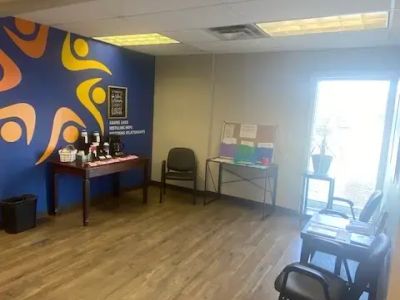
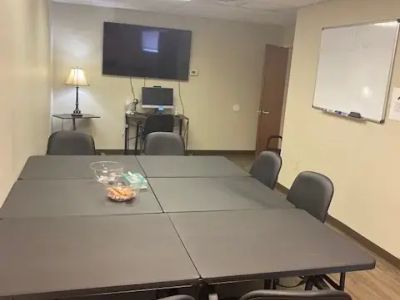
SperoHealth - Indianapolis
Indianapolis, Indiana
8202 Clearvista Parkway, Indianapolis, IN, 46256
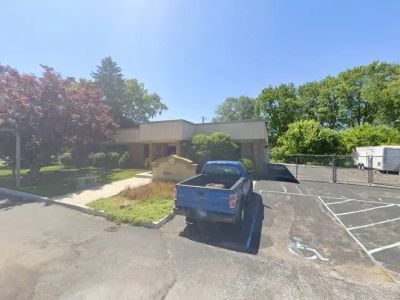
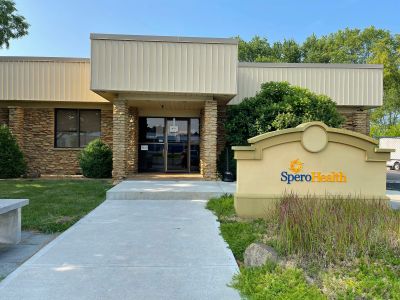
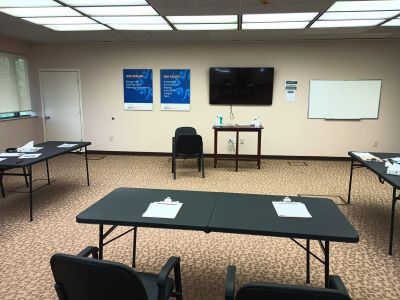
SperoHealth - Greenwood
Greenwood, Indiana
7750 Madison Avenue, Greenwood, IN, 46227
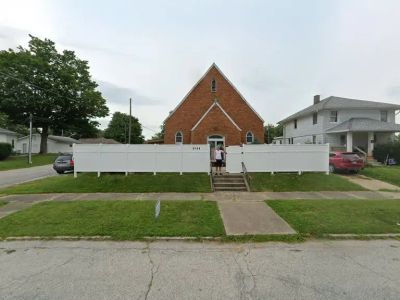

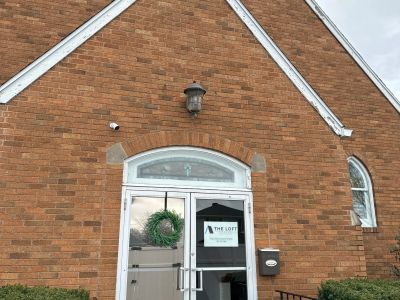
The Loft Recovery
Kokomo, Indiana
1700 S Main St, Kokomo, IN 46902
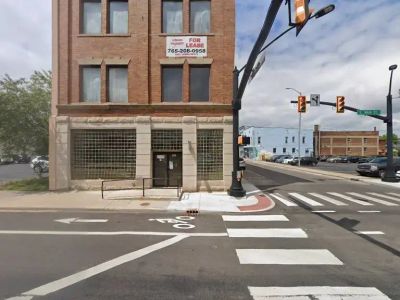
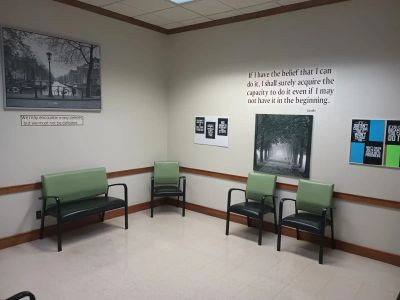
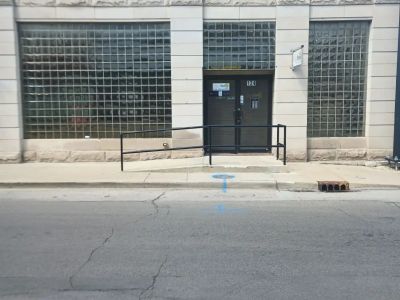
CleanSlate Outpatient Addiction Medicine
Muncie, Indiana
124 E Main St, Muncie, IN 47305

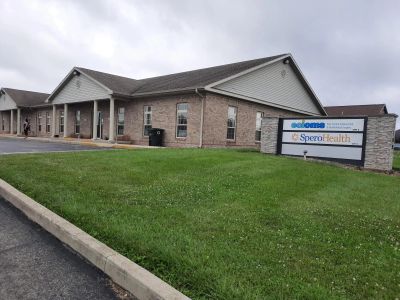
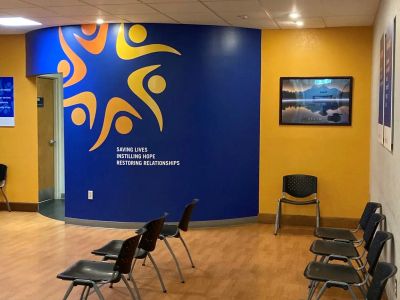
SperoHealth - Muncie
Muncie, Indiana
3700 North Briarwood Lane, Muncie, IN, 47304
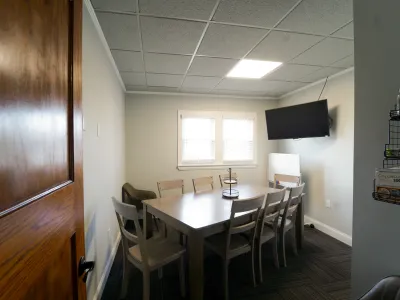
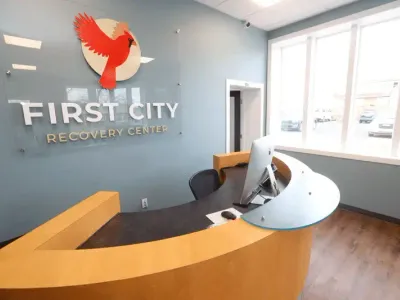
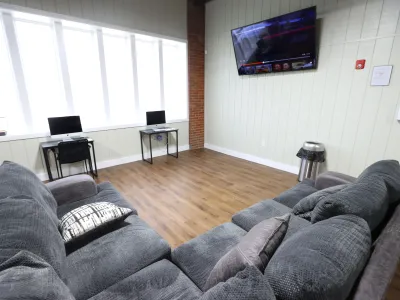
First City Recovery Center
Kokomo, Indiana
317 W Jefferson St, Kokomo, IN, 46901
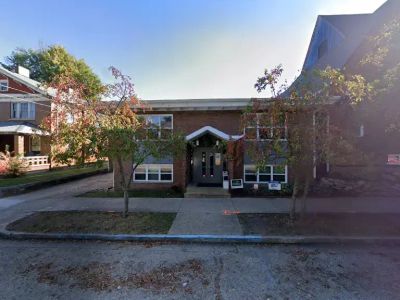

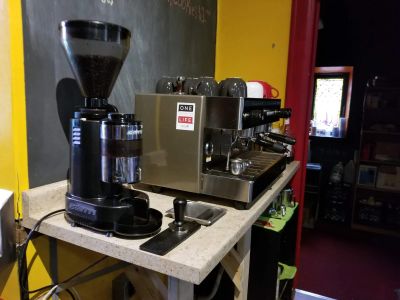
Next Step Foundation Terra Haute
Terre Haute, Indiana
619 Washington Ave, Terre Haute, IN 47802

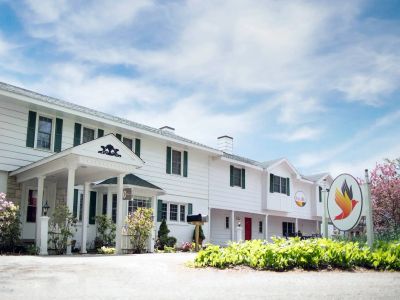

Parkdale Center
Chesterton, Indiana
350 Indian Boundary Rd., Chesterton, IN, 46304
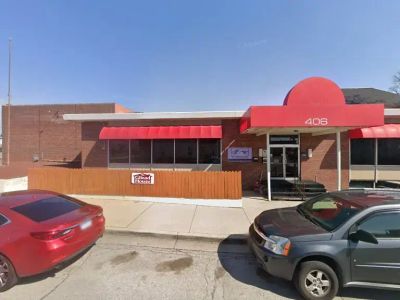


The Gilead House
Indianapolis, Indiana
406 East Sycamore Street, Indianapolis, IN, 46901

Woodview Psychology Group
Indianapolis, Indiana
70 E 91st Street Suite 210, Indianapolis, IN, 46240
Why Trust Indiana Rehabs
As Hoosiers helping Hoosiers, we understand the unique challenges our communities face. Our team meticulously verifies every Indiana treatment center, ensuring you find trusted, local care that truly understands your journey.
About our listingsLevels of Care
Explore popular treatment options by levels of care, from flexible treatment in Outpatient centers to intensive care in Residential rehabs.
Free · 24/7 · Confidential
Talk to a Treatment Specialist
Call now to get matched with Indiana facilities that accept your insurance.
(888) 568-9930
Free
Ins. check
4.9★
Rating
HIPAA
Protected
Can't travel to a facility?
Licensed Indiana therapists via secure video — same-week appointments, evenings & weekends available.
You’re standing in front of of a judge, the courtroom bright and tense, your thoughts swirling with anxiety about what comes next. Court-ordered rehab can feel like a sentence, but for many, it’s actually a door opening to real change, a chance to pause, reset, and start healing in a new way. If you’re feeling lost in the legal maze, know that this journey isn’t just about rules or consequences; it’s a carefully structured path toward recovery, and understanding each step can help you move forward with hope and clarity.
What Is Court-Ordered Rehab?
Court-ordered rehab is a treatment program for a substance use disorder that a judge legally requires an individual to attend as part of their sentence. Instead of focusing only on punishment like jail time, it’s designed to address the root causes of the behavior that led to the courtroom in the first place. For many non-violent, drug-related offenses, the legal system sees that addiction is a health issue, not just a criminal one. The primary goal is to break the cycle of substance abuse and legal problems by providing structured support and care[1]. Treatment courts see rehab as a real alternative to incarceration, giving individuals a chance to heal[2]. Whether the situation involves a DUI, possession charges, or even family court matters, court-ordered treatment provides a path toward recovery.
How Does Court-Ordered Rehab Work?
Navigating the process of court-ordered rehab can feel overwhelming, but it follows a clear and structured path. Knowing what to expect can ease some of the stress and help you focus on what’s important: your recovery. The journey typically unfolds in a series of steps, each one designed to ensure you get the right care and meet your legal obligations.
- The Legal Order: It all starts in the courtroom. After a hearing or conviction, a judge mandates addiction treatment as a condition of your sentence, often in place of or in addition to other penalties.
- Clinical Assessment: Next, you’ll undergo a professional substance abuse assessment. This isn't a test you can pass or fail; it’s a confidential evaluation by a licensed clinician to understand your history with drugs or alcohol, your mental health, and your specific needs.
- Treatment Plan: Based on the assessment, a personalized treatment plan is created[3]. The judge uses this recommendation to order a specific level of care, like inpatient or outpatient rehab, and a set duration.
- Active Treatment and Monitoring: Once you begin the program, your attendance and progress are closely monitored. This often includes regular drug testing and reports sent directly to your probation officer or the court. This accountability is a key part of the process.
- Successful Completion: After you successfully complete the program, the treatment facility notifies the court. This can lead to the dismissal of your charges, a reduced sentence, or the fulfillment of your probation requirements, allowing you to move forward with a fresh start.
Who Is Eligible For Court-Ordered Rehab?
Not everyone is eligible for court-ordered rehab; the decision ultimately rests with the judge and depends on the specifics of each case. Typically, this option is reserved for individuals whose legal troubles are clearly linked to a substance use disorder. The court looks for situations where treatment could genuinely make a difference. Common criteria for eligibility often include having a non-violent offense, such as drug possession or a DUI[4]. It's frequently offered to first-time offenders or those who express a sincere desire to change. A person’s criminal history plays a role, as individuals with a background of violent crimes may not qualify. The core requirement is that the person has a diagnosable substance use disorder, as the goal is rehabilitation, not just punishment.
Different Types Of Court-Ordered Rehab
When a judge orders rehab, it’s not a one-size-fits-all solution. The type of program you’re required to attend depends on the severity of the addiction, your personal circumstances, and the results of your clinical assessment. In Indiana, facilities offer various levels of care to meet these different needs[5]. Professionals often use guidelines like the ASAM Criteria to recommend the most appropriate setting, ensuring the treatment plan is tailored to you. The court then makes the final decision to ensure the program aligns with legal requirements.

Inpatient Drug and Alcohol Rehab
For those facing a severe addiction or who lack a stable, supportive home environment, a judge may order inpatient or residential treatment. This is the most intensive level of care, requiring you to live at the rehab facility 24/7. It provides a structured, trigger-free environment where you can focus entirely on your recovery. Treatment includes a combination of medical supervision, individual therapy, group counseling, and other therapeutic activities designed to build a strong foundation for sobriety.
Outpatient Drug and Alcohol Rehab
Outpatient rehab offers more flexibility, allowing you to live at home and continue with work or family responsibilities while attending treatment. These programs vary in intensity. Standard outpatient programs may involve a few hours of counseling per week. For those needing more support, a judge might order an intensive outpatient program (IOP), which requires more frequent sessions, often several hours a day for multiple days a week. This option is ideal for individuals with a strong support system at home and a less severe addiction.
How Long Is Court-Ordered Rehab?
There's no single answer for how long a court-ordered rehab program lasts. The duration is set by the judge based on the clinical assessment and the specific requirements of the sentence. Common program lengths are 30, 60, or 90 days, but it’s not unusual for a mandate to last for six months, a year, or even longer, especially if it's a condition of probation. The timeline isn't arbitrary; it’s designed to be long enough to effectively address the substance use disorder and help build lasting recovery skills[6]. The ultimate goal is to ensure you have enough time to heal and develop the tools you need to stay on track after the court-mandated program ends.
Who Pays for Court-Ordered Rehab?
One of the most pressing questions people have is about the costs of court-ordered rehab. In most cases, the individual is responsible for paying for their treatment. While this can seem daunting, there are several ways to cover the expenses, and you don’t have to figure it out alone. Here are the most common funding options:
- Private Health Insurance: Many private insurance plans provide coverage for addiction treatment. You can contact your provider or have a treatment center verify your benefits to see what is covered.
- Indiana Medicaid: If you have public insurance, you may be able to use your Indiana Medicaid plan to pay for court-ordered treatment services[7]. Details on Indiana Medicaid SUD treatment coverage are available online.
- State-Funded Programs: Indiana has state-funded initiatives and block grants that can help cover the cost of rehab for those who qualify[8].
- Sliding Scale Fees: Some facilities offer payment assistance based on your income, making treatment more affordable.
- Payment Plans: Many treatment centers are willing to work with you to set up a manageable payment plan.
What Happens If Someone Fails To Complete Court-Ordered Rehab?
Failing to complete court-ordered rehab is treated as a serious violation of a legal mandate and comes with significant consequences. It’s not just about missing appointments; it’s about breaking the terms of your sentence. If you don't follow the program, the treatment facility is required to report the non-compliance to the court or your probation officer. The penalties depend on the situation and the judge's discretion, but they can be severe. Potential consequences include having the original criminal charges reinstated, facing new fines, or even being ordered to serve the original jail or prison sentence. If you're struggling to keep up with the program, the most important thing to do is communicate. Talk to your lawyer, treatment provider, and probation officer about the challenges you’re facing before it becomes a legal issue.
Find Treatment For Substance Abuse
Facing a court order can be intimidating, but it’s also a powerful opportunity to reclaim your life. Finding the right addiction treatment program is the most important step you can take toward a healthier future. Studies show that thousands of individuals in Indiana successfully complete these programs and reconnect with their communities[9]. As you search for rehab facilities, be sure to ask if they accept court-ordered clients and can provide the progress reports and documentation required by the court. The right support system can make all the difference in your recovery journey.
Taking this step is a sign of strength. If you’re ready to move forward and find a program that meets your needs, we are here to help. You can explore treatment options, learn more about the process, or speak with someone who understands by calling us at (888) 568-9930. At Indiana Rehabs, our goal is to connect you with the care you deserve. Don't hesitate to reach out to us today to start your path to healing.
Frequently Asked Questions About Court-Ordered Rehab in Indiana
Can I choose my own rehab facility?
What is the difference between court-ordered rehab and voluntary rehab?
Will my employer find out about my court-ordered rehab?
How do I prove to the court that I completed rehab?
Does court-ordered rehab go on your record?
Can my family visit me during inpatient court-ordered rehab?
- Indiana Family and Social Services Administration. (07-14-2020). About recovery works. IN.gov. in.gov
- National Treatment Court Resource Center. (2022). A national report on treatment courts in the United States. National Treatment Court Resource Center. ntcrc.org
- U.S. Department of Health and Human Services. (August, 2021). State residential treatment for behavioral health conditions: Indiana. Office of the Assistant Secretary for Planning and Evaluation. aspe.hhs.gov
- (2025). Indiana drug courts: Eliminating temporary-event.... Indiana Law Review. mckinneylaw.iu.edu
- SAMHSA. (2019). National survey of substance abuse treatment services (n-ssats). SAMHSA. samhsa.gov
- (2025). Indiana adults who participated in treatment court programs had substantially improved health outcomes. Health Affairs. healthaffairs.org
- Indiana Family and Social Services Administration. (06-16-2021). Providers: Medicaid rehabilitation option (MRO). IN.gov. in.gov
- Kaiser Family Foundation. (11-06-2019). State options for medicaid coverage of inpatient behavioral health services. KFF. kff.org
- Indiana Family and Social Services Administration. (November, 2024). Progress report on behavioral health and justice initiatives. State of Indiana. in.gov