Rehabs for HIV/AIDS

Showing 20 of 48 Results (filtered)
Featured Rehab Centers
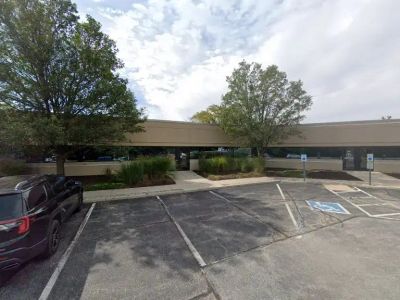
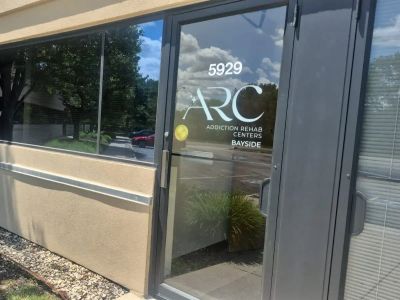

Addiction Rehab Centers - ARC At Bayside | Indianapolis Drug & Alcohol Rehab
Indianapolis, Indiana
5929 Lakeside Blvd, Indianapolis, IN 46278

Aspire Indiana Health – Next Step
Indianapolis, Indiana
2456 N Bolton Ave, Indianapolis, IN 46218

Hamilton Center Inc: Mathew Maleakal S MD
Terre Haute, Indiana
620 8th Ave, Terre Haute, IN 47804
Get Personalized Rehab Matches in 60 Seconds
Tell us a few details and we’ll show a personalized shortlist of verified Indiana rehabs, making it simple to compare options and choose your next step with confidence.
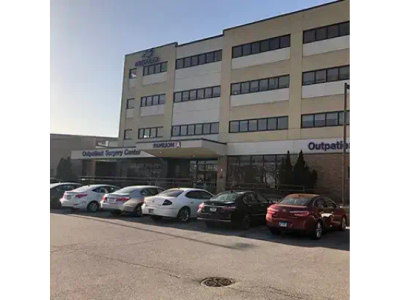
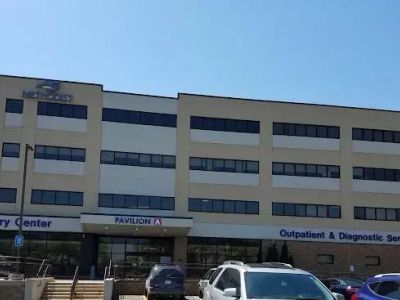
Methodist Hospitals Rehab Center
Merrillville, Indiana
101 E 87th Avenue Pavilion A, Third Floor, Merrillville, IN 46410

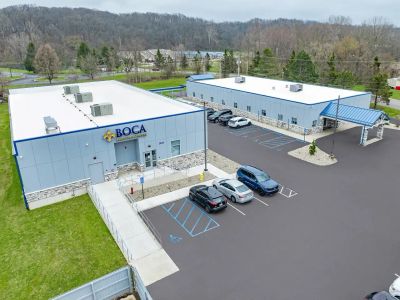

Boca Recovery Center - Fort Wayne, Indiana
Fort Wayne, Indiana
111 W Berry St #211, Fort Wayne, IN 46802
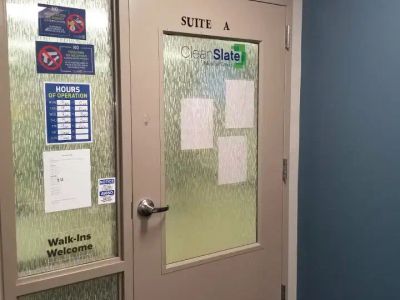
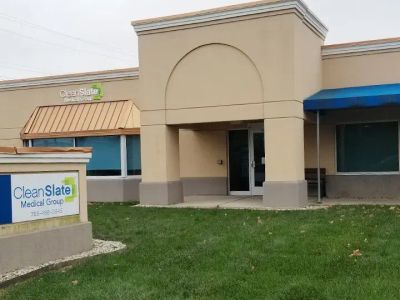
CleanSlate Outpatient Addiction Medicine
Richmond, Indiana
2302 Chester Blvd A, Richmond, IN 47374

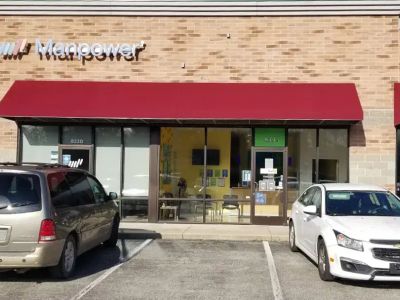
CleanSlate Outpatient Addiction Medicine
Greencastle, Indiana
833 Indianapolis Rd Suite E, Greencastle, IN 46135
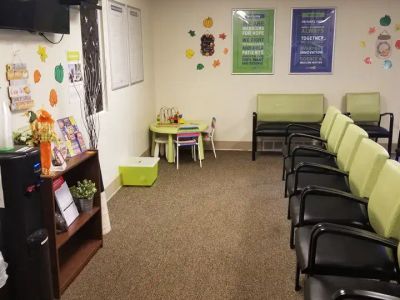
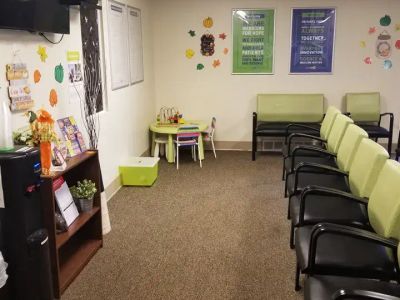
CleanSlate Outpatient Addiction Medicine Merrillville
Merrillville, Indiana
8601 Connecticut St, Merrillville, IN 46410
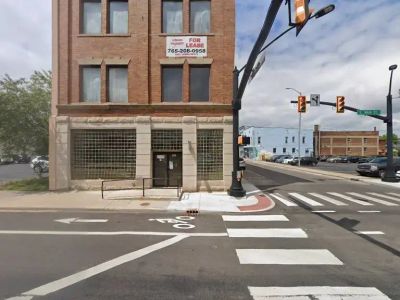
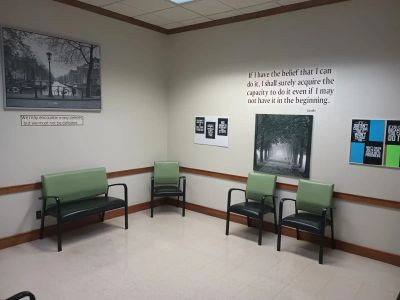
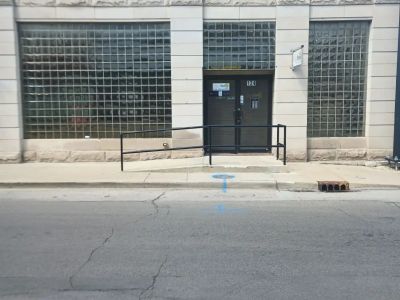
CleanSlate Outpatient Addiction Medicine
Muncie, Indiana
124 E Main St, Muncie, IN 47305
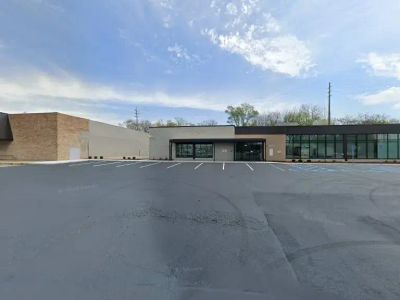

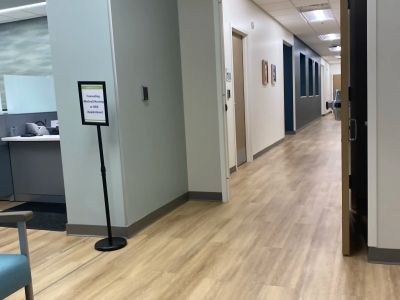
Sandra Eskenazi Mental Health Center
Indianapolis, Indiana
832 North Meridian Street, Indianapolis, IN 46204

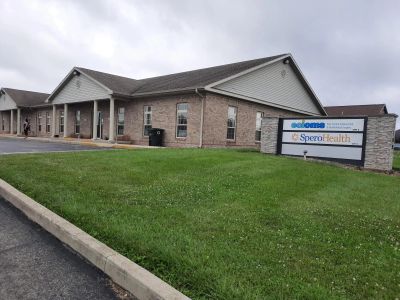
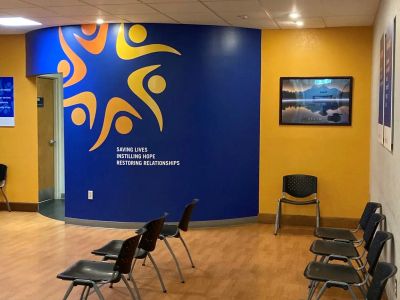
SperoHealth - Muncie
Muncie, Indiana
3700 North Briarwood Lane, Muncie, IN, 47304
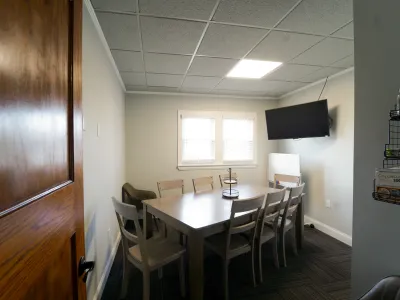
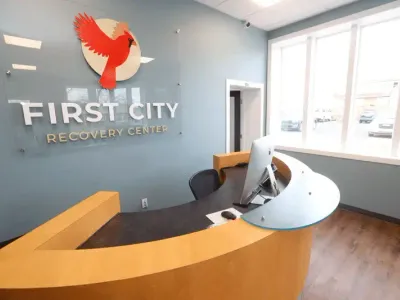

First City Recovery Center
Kokomo, Indiana
317 W Jefferson St, Kokomo, IN, 46901



Parkdale Center
Chesterton, Indiana
350 Indian Boundary Rd., Chesterton, IN, 46304

Centerstone Recovery Center
Richmond, Indiana
1811 S 9th St, Richmond, IN 47374

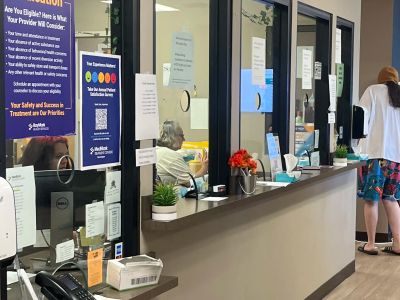
MedMark Treatment Centers Bloomington
Bloomington, Indiana
2100 Liberty Dr Suite A, Bloomington, IN 47403

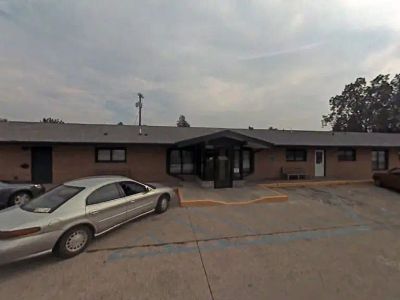
Aspire Indiana Health - Hoak
Anderson, Indiana
2009 Brown Street, Anderson, IN, 46016
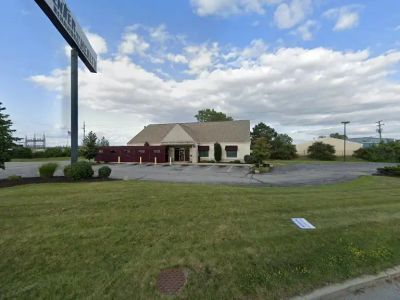
Center for Behavioral Health
Fort Wayne, Indiana
3910 Lima Rd, Fort Wayne, IN 46805

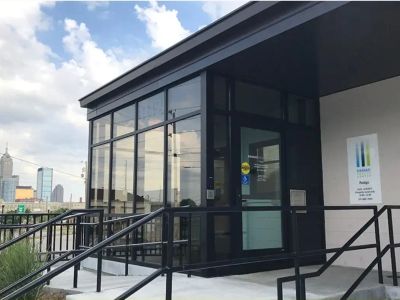
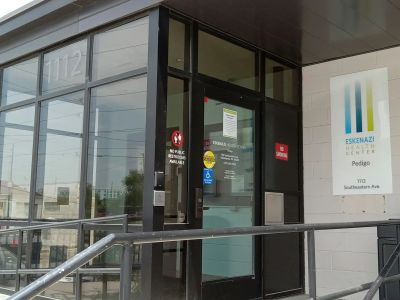
Eskenazi Health - Pedigo Health Center
Indianapolis, Indiana
1033 East Washington street, Indianapolis, IN 46202

Centerstone - Mooresville
Mooresville, Indiana
11370 North State Route 67, Mooresville, IN, 46158
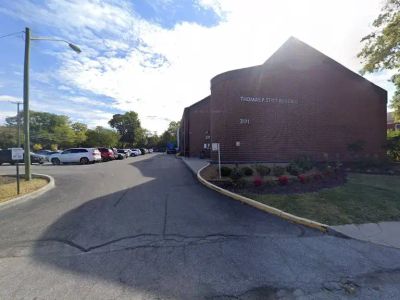
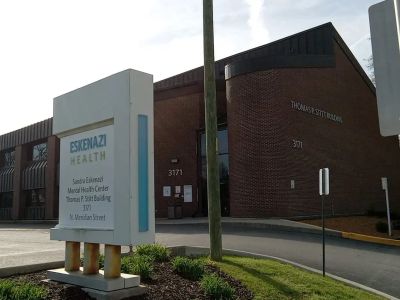
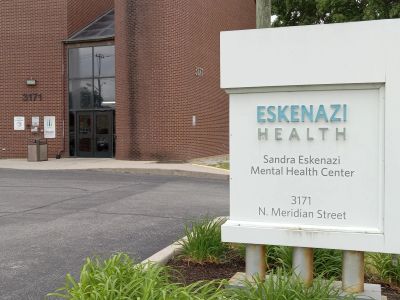
Eskenazi Health - Sandra Eskenazi Mental Health Center - N. Meridian St
Indianapolis, Indiana
3171 N. Meridian St., Indianapolis, IN, 46208
Why Trust Indiana Rehabs
As Hoosiers helping Hoosiers, we understand the unique challenges our communities face. Our team meticulously verifies every Indiana treatment center, ensuring you find trusted, local care that truly understands your journey.
About our listingsLevels of Care
Explore popular treatment options by levels of care, from flexible treatment in Outpatient centers to intensive care in Residential rehabs.
Free · 24/7 · Confidential
Talk to a Treatment Specialist
Call now to get matched with Indiana facilities that accept your insurance.
(888) 568-9930
Free
Ins. check
4.9★
Rating
HIPAA
Protected
Can't travel to a facility?
Licensed Indiana therapists via secure video — same-week appointments, evenings & weekends available.
Finding the right support for your health can feel overwhelming, especially when you’re managing more than one challenge at once, like living with, or being at risk for, HIV/AIDS on top of a substance use disorder. The stress, uncertainty, and a sense of isolation can weigh heavy, making it hard to see a clear path forward. But you’re not alone, and there are people in Indiana who truly understand what you’re facing and can offer real, compassionate care. With the right resources and support, hope and healing are closer than you might think.
What Are HIV and AIDS?
It’s easy to get confused by the terms HIV and AIDS, so let’s gently unpack them. HIV (Human Immunodeficiency Virus) is a virus that attacks the body's immune system. If left untreated, HIV can lead to AIDS (Acquired Immunodeficiency Syndrome), which is the most advanced stage of the infection. Think of it this way: not everyone with HIV will develop AIDS. With proper medical care and treatment, many people with HIV can live long, healthy lives without their condition ever progressing to AIDS.
The connection between substance use and HIV often comes down to shared risk factors. For example, using drugs, particularly through injection, can increase the risk of HIV transmission if needles or other equipment are shared[1]. In Indiana, the rates of HIV among people who inject drugs have been a significant public health concern[2]. Beyond the physical virus, a new diagnosis can bring a wave of emotional and mental health challenges, like anxiety and depression, which can feel even heavier when you're also navigating addiction.
This is why integrated care is so important. Trying to manage your physical health, mental well-being, and addiction separately is like trying to put together a puzzle with missing pieces. A treatment program that understands this connection can offer the comprehensive support you need. By addressing substance use and mental health together, you build a stronger foundation for managing your HIV and achieving lasting wellness. It creates a path to recovery that treats you as a whole person, acknowledging all parts of your journey with compassion and expertise.
Help and support for HIV and AIDS

Navigating the world of HIV/AIDS support can feel complicated, but in Indiana, you have dedicated resources designed to help. Two key pillars of this support system are AIDS Service Organizations (ASOs) and Ryan White Programs. An ASO is a community-based organization that provides a wide range of services, from testing and counseling to housing assistance and support groups. They are often the first point of contact for someone seeking help.
The Ryan White HIV/AIDS Program is a federal program that provides care and support for people with HIV who have low incomes or are uninsured. These programs ensure that everyone, regardless of their financial situation, can access high-quality medical care, medication, and essential support services. You can find details on the Indiana HIV Services Program to learn more about state-run initiatives. For many in Central Indiana, the Ryan White Program for Central Indiana is a critical resource for comprehensive care.
When you're looking for a provider, whether for addiction treatment or general healthcare, it's important to find one that understands your unique needs. Here’s what to look for:
- Integrated Care: Does the program address substance use, mental health, and HIV medical care together? True integrated care means you don’t have to piece together your treatment from different providers.
- Knowledgeable Staff: Ask about their experience working with patients with HIV. Staff should be trained in the latest treatments, understand potential drug interactions, and be able to answer your questions with confidence.
- Stigma-Free Environment: You deserve to be treated with dignity and respect. A supportive environment is one where you feel safe, heard, and understood without judgment from staff or other clients.
- Comprehensive Services: Look for programs that offer more than just medical care. Services like case management, peer support, family counseling, and housing assistance can make a huge difference in your overall well-being.
State HIV/AIDS Hotlines
Sometimes you just need to talk to someone who gets it. Whether you need information, a listening ear, or immediate help, these hotlines are here for you. They offer confidential support, resources, and counseling from trained professionals.
| Hotline Name | Phone Number | Hours of Operation |
|---|---|---|
| Indiana HIV/STD Hotline | Call: 1-866-588-4948 | Hours: 9 a.m. – 9 p.m. Daily |
| CDC National HIV/AIDS Hotline | Call: 1-800-232-4636 | Hours: 24/7 |
| The Trevor Project (LGBTQ Youth) | Call: 1-866-488-7386 | Hours: 24/7 |
Retention in Care
"Retention in care" is a simple but powerful idea: it means sticking with your treatment plan and staying connected to your healthcare provider over the long term. For someone living with HIV, this is one of the most important things you can do for your health. Consistently taking medications, known as antiretroviral therapy (ART), and regularly seeing your doctor helps keep the virus under control.
When you stay in care, you give your treatment the best chance to work. This leads to better health outcomes, including viral load suppression. That’s when the amount of HIV in your blood becomes so low that it's undetectable. An undetectable viral load not only protects your own health but also prevents the transmission of HIV to others. In Indiana, about 77% of people diagnosed with HIV remain in care, and 69% have achieved viral load suppression[3]. Supportive programs, like peer support services, play a huge role in helping patients stick with their treatment and achieve these positive results.
Quality of Life

Beyond the medical numbers, finding the right support system profoundly impacts your overall quality of life. Living with HIV, especially alongside a substance use disorder, can feel incredibly isolating. The stigma, whether real or perceived, can lead to anxiety, depression, and a reluctance to share what you’re going through with others. This is where community makes all the difference.
Connecting with others who have similar life experiences can be a lifeline. Peer support groups, counseling, and community programs create safe spaces where you can be open and honest without fear of judgment. This sense of belonging helps reduce feelings of shame and isolation, which are often major barriers to both mental health and treatment retention[4]. Building these connections can boost your self-esteem, improve your mental and emotional well-being, and empower you to take an active role in your health journey. It reminds you that you are more than a diagnosis; you are part of a community that cares.
Taking the Next Step to Find Support in Indiana
Facing HIV and a substance use disorder at the same time is a heavy burden, but you don't have to carry it by yourself. As you've seen, Indiana has a strong network of resources ready to provide the compassionate, integrated care you deserve. From specialized ASOs and Ryan White programs to community support groups, help is available and effective. The right treatment program can make a world of difference, not just for your physical health but for your overall quality of life.
Finding a provider that understands the connection between addiction and HIV is the key to building a healthier future. These programs offer a stigma-free environment where you can address your medical, emotional, and recovery needs all in one place. Whether you need dual diagnosis treatment that integrates mental health care or simply want to connect with a supportive community, the resources are here for you. Taking that first step can feel difficult, but it's a powerful move toward hope and healing.
You’ve already taken a courageous step by seeking out this information. Remember, managing your health is a journey, not a destination, and having the right team beside you changes everything. The supportive, integrated care that addresses all of your needs is within reach right here in Indiana. If you're ready to find a treatment program that understands, our team at Indiana Rehabs is here to help you connect with the right resources. Please don't hesitate to call us at (888) 568-9930 or contact us online to find the compassionate care you deserve.
Frequently Asked Questions About HIV/AIDS Support in Indiana
What specific HIV support services are available in Indiana?
In Indiana, you can find help through AIDS Service Organizations (ASOs) and Ryan White Programs. These organizations are designed to give you comprehensive support, especially if you have a low income or are uninsured.
Services often include medical care, help paying for medications, case management to coordinate your care, mental health counseling, and peer support groups. Many also offer practical help with housing, food, and transportation to ensure you can focus on your health.
How can I find a doctor who understands both addiction and HIV?
Start by looking for providers that offer integrated care, which means they treat substance use, mental health, and HIV all in one place. When you call, you can ask about their staff’s experience working with people who have both HIV and a substance use disorder.
A good program will provide a stigma-free environment where you feel respected and understood. Don’t be afraid to ask what services they offer beyond medical treatment, such as counseling or peer support, which are key to long-term wellness.
Does HIV treatment still work if I continue to use substances?
Yes, HIV medication (antiretroviral therapy, or ART) can still be effective at suppressing the virus even if you are actively using substances. However, substance use can make it much more challenging to take your medication consistently every day.
Missing doses of your ART can allow the virus to multiply, which may weaken your immune system over time. This is why finding an integrated program that helps you manage both addiction and HIV care at the same time is so important for your long-term health.
Why is it important to stay in treatment for HIV?
Staying in treatment, which doctors call “retention in care,” is the most important thing you can do to protect your health. Taking your HIV medication consistently helps suppress the virus in your body, often to an undetectable level. This keeps your immune system strong and prevents the infection from progressing.
When your viral load is undetectable, you not only stay healthier, but you also can’t transmit the virus to others. Sticking with your care plan protects both you and your community.
- Kebede, A. et al. (2024). HIV and Substance Use Disorders: A Narrative Review of the Evidence and Practical Considerations for the Clinician. Diseases. pmc.ncbi.nlm.nih.gov
- Indiana Family and Social Services Administration. (2024). Drug Fact Sheet: Substance Use in Indiana, SFY 2024. Indiana Family and Social Services Administration. in.gov
- Indiana Department of Health. (2024). Spotlight on HIV, STI, & Viral Hepatitis Indiana Annual 2023. Indiana Department of Health. in.gov
- Marion County Public Health Department. (2021). Marion County: Ending the HIV Epidemic Plan, Phase I. Marion County Public Health Department. marionplan.org