
Rehabs for Medical Trauma (ICU/critical illness/accident)

Showing 20 of 51 Results (filtered)
Featured Rehab Centers

91 West Mound Street, Nashville, IN 47448



Addiction Rehab Centers - ARC At Bayside | Indianapolis Drug & Alcohol Rehab
Indianapolis, Indiana
5929 Lakeside Blvd, Indianapolis, IN 46278

Hamilton Center Inc: Mathew Maleakal S MD
Terre Haute, Indiana
620 8th Ave, Terre Haute, IN 47804
Get Personalized Rehab Matches in 60 Seconds
Tell us a few details and we’ll show a personalized shortlist of verified Indiana rehabs, making it simple to compare options and choose your next step with confidence.



Evolve Indy
Indianapolis, Indiana
8770 Guion Rd, Indianapolis, IN, 46268



Boca Recovery Center - Indiana Drug and Alcohol Rehab
Huntington, Indiana
3040 W Park Dr, Huntington, IN 46750
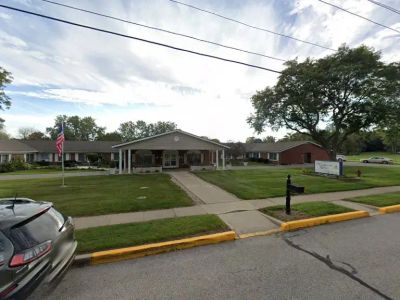
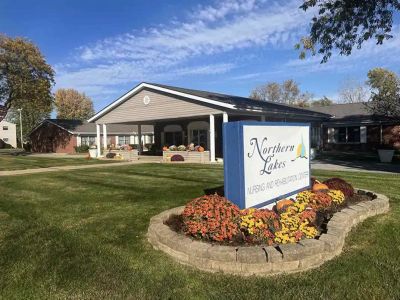

Northern Lakes Nursing & Rehabilitation Center
Angola, Indiana
516 Williams St, Angola, IN 46703


Sandra Eskenazi Mental Health Center
Indianapolis, Indiana
832 North Meridian Street, Indianapolis, IN 46204


First City Recovery Center
Kokomo, Indiana
317 W Jefferson St, Kokomo, IN, 46901



Forum at the Crossing
Indianapolis, Indiana
8505 Woodfield Crossing B Ofc, Indianapolis, IN 46240



Lafayette Regional Rehabilitation Hospital
Lafayette, Indiana
950 Park E Blvd, Lafayette, IN 47905





Bloomington Regional Rehabilitation Hospital
Bloomington, Indiana
3050 N Lintel Dr, Bloomington, IN 47404



Parkdale Center
Chesterton, Indiana
350 Indian Boundary Rd., Chesterton, IN, 46304



Bethel Pointe Health and Rehabilitation Center
Muncie, Indiana
3400 W Community Dr, Muncie, IN 47304

Centerstone Recovery Center
Richmond, Indiana
1811 S 9th St, Richmond, IN 47374

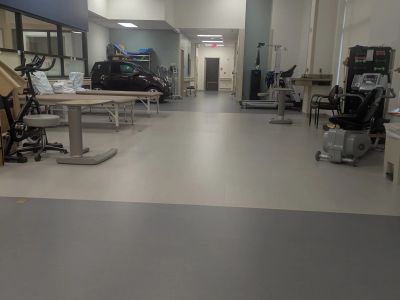
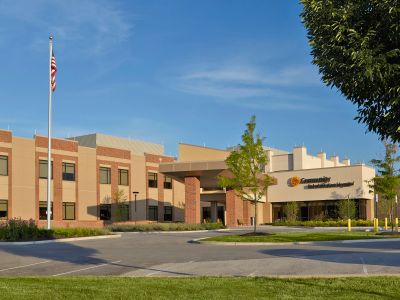
Community Rehabilitation Hospital North
Indianapolis, Indiana
7343 Clearvista Dr, Indianapolis, IN 46256
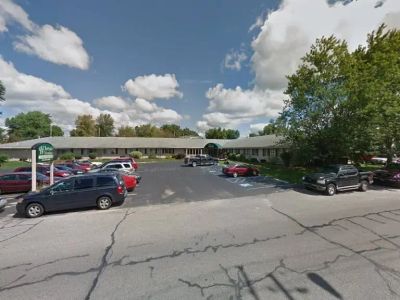
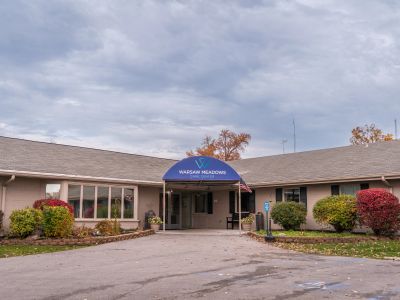

Warsaw Meadows Care Center
Warsaw, Indiana
300 E Prairie St, Warsaw, IN 46580

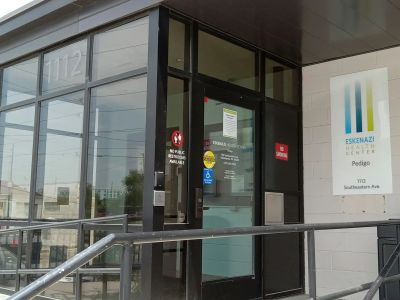
Eskenazi Health - Pedigo Health Center
Indianapolis, Indiana
1033 East Washington street, Indianapolis, IN 46202


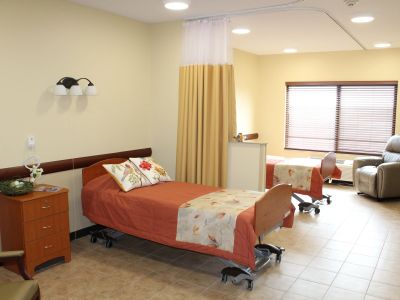
Miller's Health & Rehab
La Porte, Indiana
3530 Monroe St, La Porte, IN 46350



Why Trust Indiana Rehabs
As Hoosiers helping Hoosiers, we understand the unique challenges our communities face. Our team meticulously verifies every Indiana treatment center, ensuring you find trusted, local care that truly understands your journey.
About our listingsLevels of Care
Explore popular treatment options by levels of care, from flexible treatment in Outpatient centers to intensive care in Residential rehabs.
Free · 24/7 · Confidential
Talk to a Treatment Specialist
Call now to get matched with Indiana facilities that accept your insurance.
(888) 568-9930
Free
Ins. check
4.9★
Rating
HIPAA
Protected
Can't travel to a facility?
Licensed Indiana therapists via secure video — same-week appointments, evenings & weekends available.
The fluorescent lights, the constant beeping of machines, the swirl of medical jargon, a hospital visit is supposed to bring relief, but sometimes, it leaves behind invisible wounds that linger long after the physical ones have healed. If these memories still echo in your mind, please know it’s not uncommon to feel shaken or unsettled by what you’ve been through. Healing from medical trauma takes time, and with the right support, you can begin to make sense of it all and reclaim your sense of well-being here in Indiana.
What is Medical Trauma?
At its heart, medical trauma is the psychological and emotional fallout from a distressing medical experience[1]. It’s not about how serious the procedure was on paper, but how it felt to *you*. Your experience is what defines the trauma. Often, these feelings come from a sense of powerlessness, intense fear for your life, or a breakdown in communication that left you feeling alone or unheard during a vulnerable time. It’s a completely valid response to an overwhelming event, where the stress of what happened to your body and your sense of safety leaves a lasting mark on your mind and spirit. If you're grappling with these feelings, understanding the specifics of medical trauma can be an important first step.
What Causes Medical Trauma?
A wide range of medical experiences can feel traumatic, and it’s often the environment and interactions, not just the diagnosis or procedure, that create these lasting wounds. It could be the shock of a sudden, life-altering diagnosis like cancer, the disorienting rush of an emergency surgery, or the complications that arise during childbirth. For many, a prolonged and frightening stay in an intensive care unit (ICU) is the source of their trauma. The key thread is that the experience overwhelmed your ability to cope, leaving you feeling helpless, terrified, or profoundly unsafe in a setting that was supposed to provide care.

A Stay in an Intensive Care Unit
The ICU is designed to save lives, but the experience can be incredibly harsh. The constant noise of monitors, the bright lights that erase the line between day and night, and the presence of so many machines can feel relentless. Factors like being on a ventilator (intubation), being heavily sedated, or simply losing all control over your body and environment can create intense stress and fear. It’s a profoundly disorienting experience, and it’s no surprise that many people struggle afterward. In fact, PTSD symptoms are reported to occur in between 5% and 63% of ICU survivors[2].
Traumatic Birth
For many parents, childbirth is a beautiful experience, but for others, it can be deeply traumatic. A traumatic birth might involve an emergency C-section, serious health complications for the infant, or the parent feeling ignored or dismissed by medical staff during a vulnerable time. Studies show that up to 45% of new mothers have reported experiencing birth trauma. These experiences are valid, and the feelings of fear, helplessness, or horror that accompany them can lead to significant emotional distress and even PTSD symptoms long after the physical healing is done.
Receiving Poor Treatment
Sometimes, the trauma isn't from the illness itself but from the way you were treated. When a healthcare provider dismisses your pain, communicates poorly, or lacks basic empathy, it can be incredibly damaging. This kind of experience can shatter your trust in the very people and systems that are supposed to help you. The emotional wounds from being treated poorly can lead to a lasting distrust of the medical system, causing many people to avoid seeking necessary care in the future out of fear of being hurt again.
Symptoms of Medical Trauma
After a difficult medical experience, it's common for your body and mind to remain in a state of high alert. The stress doesn't just disappear once you're home. These lingering effects can show up in many ways, touching every part of your life[3]. Recognizing these symptoms is the first step toward healing. They often fall into three main categories:
- Emotional Symptoms: You might feel a constant sense of anxiety or dread, experience sudden bursts of anger or irritability, or have intense fears related to your health or hospitals.
- Physical Symptoms: Your body might hold onto the stress, leading to chronic fatigue, a racing heart, headaches, or digestive problems that you can't explain.
- Behavioral Symptoms: You may find yourself avoiding doctor appointments or anything that reminds you of the event. Sleep disturbances like nightmares are common, as is hypervigilance, where you feel constantly on guard. Some people also withdraw from friends and family.
Can you get PTSD from medical trauma?
Yes, you absolutely can. The connection between medical trauma and post-traumatic stress disorder (PTSD) is well-established. When a medical event is perceived as life-threatening or terrifying, it can trigger the same trauma response in the brain as any other life-threatening situation. For some, this leads to a formal diagnosis of PTSD.
In this context, PTSD can manifest with symptoms like vivid flashbacks of the hospital, intrusive thoughts about the illness, or recurring nightmares that pull you right back into the experience. You might also go to great lengths to avoid any reminders, like refusing to drive past the clinic or changing the channel when a medical show comes on. It is estimated that 25% of those who survive their ICU experiences will meet diagnostic criteria for PTSD, showing just how deeply these medical events can impact a person's mental health[4].
How do you treat medical trauma?
Healing from medical trauma is about learning to process what happened so it no longer has control over your daily life. The goal isn't to erase the memory but to lessen its emotional power. The standard of care for this kind of healing is called trauma-informed care, which means your therapist understands the deep impact of trauma and creates a safe, empowering environment for you to heal. There are several effective therapeutic approaches designed to help you navigate this journey and find peace.

Cognitive behavioural therapy (CBT)
A specialized form of this therapy, known as Trauma-Focused CBT (TF-CBT), is particularly helpful. It guides you in carefully revisiting the trauma narrative in a safe space, allowing you to process the events without becoming overwhelmed. A core part of CBT is learning to identify and challenge the negative thought patterns that took root during the medical event, such as "I am not safe" or "my body is broken." Your therapist will also equip you with practical coping skills to manage anxiety and stress in your daily life.
Eye movement desensitisation and reprocessing (EMDR)
EMDR is a unique therapy that helps the brain reprocess traumatic memories. During a session, your therapist will guide you to focus on the memory while engaging in bilateral stimulation, such as following their finger with your eyes. This process helps your brain store the memory in a way that is less distressing and emotionally charged. EMDR is often highly effective for single-incident traumas and can significantly reduce the intensity of PTSD symptoms like flashbacks and nightmares. According to the American Psychological Association (APA) PTSD Guidelines, both CBT and EMDR are strongly recommended treatments.
How to Get Help for Medical Trauma in Indiana
Taking that first step toward finding help can feel like the hardest part, especially when you’re already feeling overwhelmed. Please know that you don't have to navigate this alone. Here in Indiana, there are resources specifically designed to support you on your healing journey. The key is to connect with providers who specialize in trauma.
Our directory at Indiana Rehabs is a helpful tool for finding local, specialized care. You can easily search for providers and facilities that offer trauma-informed care or PTSD treatment right in your community. Finding a therapist who understands the nuances of medical trauma is essential for effective healing. Many state-supported services are also available to ensure you can access the care you need[5]. You can also use national resources like the treatment locator from FindTreatment.gov to search for verified providers near you.
The echoes of a traumatic medical experience don't have to define your future. With the right support and therapy, you can process what happened, manage the symptoms, and reclaim your sense of safety and well-being. Healing is possible, and it starts with reaching out. If you need help finding the right path forward, our compassionate team at Indiana Rehabs is here to listen. You can call us anytime for a confidential conversation at (888) 568-9930, or contact us online to find a provider who can guide you on your journey to recovery.
Frequently Asked Questions About Medical Trauma Counseling in Indiana
Can medical trauma go away on its own?
What should I look for in a trauma therapist?
Is it normal to be angry at doctors after a medical trauma?
How can I support a loved one with medical trauma?
Does therapy for medical trauma mean I have to relive the event?
- O’Donnell, M. L., et al. (2024). Co-occurring trauma- and stressor-related and substance-related disorders: a narrative review for the an ECNP-psych-military-network. Neuroscience & Biobehavioral Reviews. pmc.ncbi.nlm.nih.gov
- (2021). History of trauma in Indiana. Indiana Department of Health. in.gov
- Jones, A. et al. (2024). Post-traumatic stress and future substance use outcomes. Frontiers in Psychiatry. pmc.ncbi.nlm.nih.gov
- Thompson, M. P., et al. (05-24-2024). COVID-19 Admission Rates and Changes in Care Quality in US Hospitals. JAMA Network Open. jamanetwork.com
- Indiana Family and Social Services Administration. (06-16-2021). Substance Use Disorder (SUD)/Serious Mental Illness (SMI) Treatment. State of Indiana. in.gov