
Rehabs for Medication Adherence for MAT

Showing 20 of 33 Results (filtered)
Featured Rehab Centers



Comprehensive Treatment Centers - Evansville
Evansville, Indiana
1510 West Franklin Street, Evansville, IN 47710

Hamilton Center Inc: Mathew Maleakal S MD
Terre Haute, Indiana
620 8th Ave, Terre Haute, IN 47804



Indiana Treatment Centers
Columbus, Indiana
1888 Poshard Dr, Columbus, IN 47203
Get Personalized Rehab Matches in 60 Seconds
Tell us a few details and we’ll show a personalized shortlist of verified Indiana rehabs, making it simple to compare options and choose your next step with confidence.



Lotus Treatment Center
Columbus, Indiana
1207 Washington St, Columbus, IN 47201



Evolve Indy
Indianapolis, Indiana
8770 Guion Rd, Indianapolis, IN, 46268
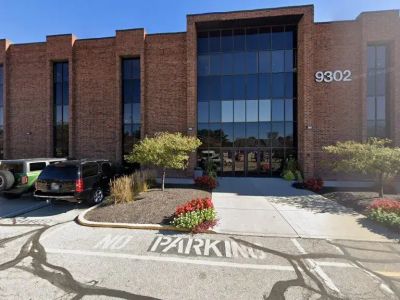


Spark Recovery - Outpatient Drug Addiction Treatment Indianapolis
Indianapolis, Indiana
9302 N Meridian St Ste 101, Indianapolis, IN 46260

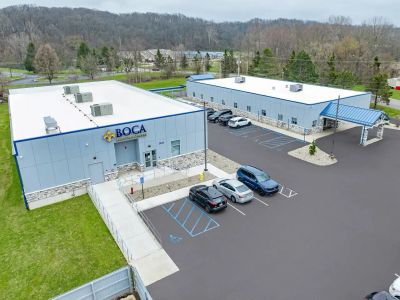

Boca Recovery Center - Indiana Drug and Alcohol Rehab
Huntington, Indiana
3040 W Park Dr, Huntington, IN 46750

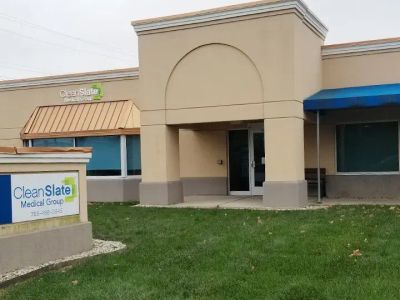
CleanSlate Outpatient Addiction Medicine
Richmond, Indiana
2302 Chester Blvd A, Richmond, IN 47374

Groups Recover Together
Washington, Indiana
100 A Cherry Tree Plaza, Washington, IN 47501



CleanSlate Outpatient Addiction Medicine
Warsaw, Indiana
2936 Frontage Rd, Warsaw, IN 46580

Groups Recover Together
Scottsburg, Indiana
1430 N Gardner St, Scottsburg, IN 47170

Groups Recover Together
La Porte, Indiana
614 Andrew Ave, La Porte, IN 46350

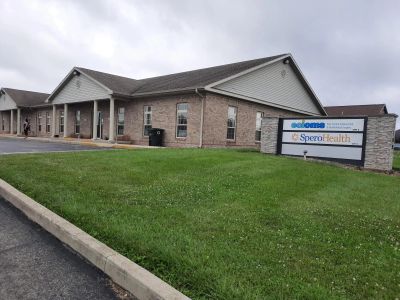

SperoHealth - Muncie
Muncie, Indiana
3700 North Briarwood Lane, Muncie, IN, 47304



First City Recovery Center
Kokomo, Indiana
317 W Jefferson St, Kokomo, IN, 46901

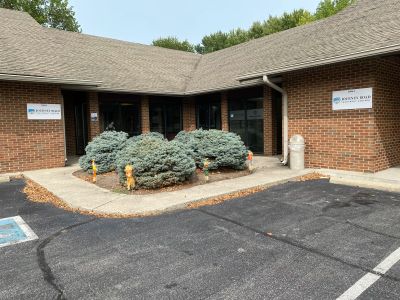
Journey Road Treatment Center - East
Indianapolis, Indiana
1201 N Post Rd Ste 4, Indianapolis, IN 46219



Parkdale Center
Chesterton, Indiana
350 Indian Boundary Rd., Chesterton, IN, 46304
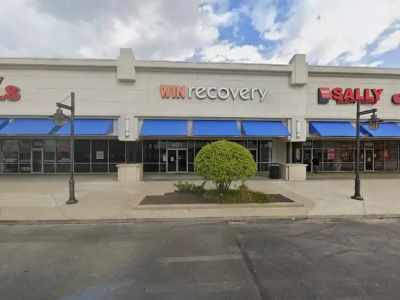


WIN Recovery
Plainfield, Indiana
401 Plainfield Commons Dr, Plainfield, IN 46168


Journey Road Treatment Centers - West
Indianapolis, Indiana
5610 Crawfordsville Rd suite 15, Indianapolis, IN 46224

Victory Clinical Services - South Bend
South Bend, Indiana
4218 Western Ave, South Bend, IN 46619

Aware Recovery Care
Indianapolis, Indiana
6505 E 82nd St, Indianapolis, IN 46250
Why Trust Indiana Rehabs
As Hoosiers helping Hoosiers, we understand the unique challenges our communities face. Our team meticulously verifies every Indiana treatment center, ensuring you find trusted, local care that truly understands your journey.
About our listingsLevels of Care
Explore popular treatment options by levels of care, from flexible treatment in Outpatient centers to intensive care in Residential rehabs.
Free · 24/7 · Confidential
Talk to a Treatment Specialist
Call now to get matched with Indiana facilities that accept your insurance.
(888) 568-9930
Free
Ins. check
4.9★
Rating
HIPAA
Protected
Can't travel to a facility?
Licensed Indiana therapists via secure video — same-week appointments, evenings & weekends available.
Have you ever wondered why sticking to your medication schedule in recovery can feel so much harder than you expected, even when you want to get better more than anything? It’s not about willpower alone, making medication a steady part of your life is truly a skill, and it can be learned. With the right strategies and support, staying consistent with MAT can become less of a daily struggle and more of a stepping stone toward lasting recovery.
Understanding the Role of Adherence in Your Recovery Journey
When we talk about recovery, especially from opioid or alcohol use disorder, you’ll often hear the term Medication-Assisted Treatment, or MAT. This approach combines medications with counseling and behavioral therapies to treat substance use disorders[1]. Think of it as a comprehensive support system designed to help you regain stability in your life. The medications work to normalize brain chemistry, block the euphoric effects of alcohol and opioids, relieve cravings, and normalize body functions without the negative effects of the abused substance.
Within this treatment, ‘medication adherence’ is a key concept. It simply means taking your prescribed medications as directed, the right dose, at the right time, in the right way. It’s easy to mistake adherence for a test of your commitment, but it’s not a measure of your worth or desire to heal. Instead, it's a vital part of the treatment process, like attending therapy sessions or building a support network. The goal of MAT medication adherence support is to make this part of your routine feel manageable, helping you build a foundation for a healthier future. This article explores the proven strategies and support systems that can help you stay on track and move forward in your recovery journey.
Why Medication Adherence is Crucial in MAT
Sticking with your medication plan isn't just about checking a box; it's one of the most powerful things you can do for your long-term health and recovery. Consistent adherence to MAT medications is directly linked to better outcomes. When taken as prescribed, these medications can significantly reduce cravings and withdrawal symptoms, which allows you to focus on the other important parts of your treatment, like counseling and developing coping skills. This stability is what helps lower the risk of relapse and overdose, giving you a much stronger footing on your path forward.

The benefits aren't just personal; they extend to the entire healthcare system. When individuals struggle to adhere to their medication, it often leads to more emergency room visits, hospital stays, and a greater need for intensive services. In fact, medication nonadherence is estimated to cause between $100 and $300 billion in avoidable healthcare costs each year in the U.S[2]. By maintaining adherence, you’re not only investing in your own well-being but also contributing to a more effective and sustainable healthcare system.
To measure this consistency, healthcare providers often use a metric called the "Proportion of Days Covered," or PDC. It's a simple way to see what percentage of days you had your medication available over a certain period. A PDC of 80% or higher is generally considered the standard for good adherence. Reaching this benchmark is a strong indicator of positive treatment outcomes and a lower risk of negative health events[3]. It’s a tangible goal that you and your care team can work toward together, reinforcing the structure and support that is so crucial in recovery.
Evidence-Based Interventions to Support Adherence
If you've ever felt that remembering to take medication is a challenge, you're not alone. Life gets busy, and building new habits takes time. The good news is that there are proven, evidence-based methods designed to make adherence easier. These interventions aren't just simple reminders; they are comprehensive strategies that address the different hurdles you might face. They often fall into a few key categories: technological tools that integrate into your daily life, and social or professional systems that provide a human touch. Combining these supports can create a safety net, making it much easier to stay on track. For instance, one study found that simple provider outreach made a huge difference. In the study, 97% of patients who received this outreach had a paid prescription claim, compared to just 3% of those who didn't[4]. This shows just how powerful a little extra support can be.
Technology-Assisted Support: mHealth and Smart Devices
In today's world, technology can be a powerful ally in your recovery. Mobile health, or mHealth, uses apps and other digital tools to help you manage your treatment right from your smartphone. These tools are designed to be discreet, convenient, and personalized. Some of their most helpful features include:
- Self-Monitoring: Apps can help you track your doses, symptoms, and moods, giving you and your provider valuable insights into your progress.
- Provider Messaging: Secure messaging features allow you to communicate with your care team, ask questions, and get support without having to wait for an appointment.
- Peer Community Support: Many apps include access to online communities where you can connect with others who understand what you're going through.
Beyond apps, smart devices are also making a difference. For example, a study on smart pill bottles showed just how effective these tools can be. The bottles used lights, chimes, and text message reminders to help patients remember their medication. The result was a median adherence rate of 100%, compared to 87.4% for those who didn't use the smart bottles. These mobile interventions can dramatically improve adherence rates by providing gentle, consistent nudges that fit into your everyday life.
Social and Professional Support Systems
While technology is helpful, the human element of support is just as important. Building a network of people who are invested in your well-being can make all the difference. One innovative approach is the MAT-PLUS model, which actively involves a ‘treatment significant other’ (TSO), like a trusted family member or partner, in your care plan. This person can help with reminders, provide encouragement, and celebrate your successes alongside you.
Professional support is another cornerstone of strong adherence. case management services are designed to help you navigate the complexities of treatment. A case manager can help create a personalized plan, connect you with resources like housing or transportation, and coordinate with your entire care team. This ensures that everyone is on the same page and working together to support you. Regular follow-ups from pharmacists and participation in patient support programs also play a key role. These check-ins provide opportunities to ask questions about your medications, discuss side effects, and receive ongoing encouragement. This comprehensive, team-based approach helps individuals feel seen, heard, and supported every step of the way.
Common Barriers and Challenges to Adherence
Even with the best intentions, sticking to a medication schedule can be tough. It’s important to acknowledge the real-world challenges that can get in the way, because they are not a reflection of your commitment to recovery. Many of these barriers are practical and logistical. Things like the cost of medication, lack of reliable transportation to the pharmacy or clinic, or even just forgetting a dose amidst a chaotic day can disrupt your routine. Medication side effects can also be a significant hurdle, making it difficult to continue treatment as prescribed.

Beyond these issues, deeper challenges like stigma and co-occurring mental health conditions can have a major impact. The fear of being judged by family, friends, or even healthcare providers can make it hard to seek help or be open about your treatment. When you’re also dealing with depression, anxiety, or another mental health condition, managing one more thing can feel overwhelming. In fact, research shows that patients with a co-occurring disorder were 26% more likely to be non-adherent.
Social determinants, like your living situation, also play a huge role. One national study highlighted that individuals experiencing homelessness were significantly less likely to stay in treatment[5]. Similarly, ongoing substance use, such as with cocaine, was also linked to lower retention. In Indiana, specific barriers like provider shortages in rural areas and restrictive policies in some recovery houses can make accessing and continuing MAT a challenge. Understanding these risk factors is the first step toward finding solutions and building a support system that addresses your unique needs.
Finding MAT Medication Adherence Support in Indiana
Knowing that help is available is one thing; finding it is another. Fortunately, there are resources right here in Indiana to connect you with the right kind of support. A great place to start is by looking for local providers who understand the importance of adherence and have programs in place to help you succeed. Indiana is actively working to improve access to care, and many treatment centers now offer the comprehensive services needed for successful recovery[6]. You can use directories like the SAMHSA Treatment Locator or our own to search for programs near you.
When you reach out to a potential treatment center, don't hesitate to ask specific questions about how they support medication adherence. This is your recovery, and you have the right to find a provider that fits your needs. Here are a few questions you might consider asking:
- What kind of support do you offer to help patients stick to their medication schedule?
- Do you provide case management services to help with things like housing or transportation?
- How do you involve family or other supportive individuals in the treatment process?
- Do you use any technologies, like apps or reminder systems, to help with adherence?
Your goal is to find a team that sees you as a whole person, not just a prescription. The right provider will work with you to understand your specific barriers and create a plan to overcome them. Use our directory to find Indiana MAT programs that offer the comprehensive adherence support you deserve.
Your Path Forward in Recovery
Navigating the path of recovery is a journey, and medication adherence is a crucial step along the way. Remember, needing support to stay on track with your medications is normal, it’s not a sign of weakness, but an opportunity to build a stronger foundation for your future. As we've explored, there are so many evidence-based tools and compassionate support systems available, from mobile apps that send reminders to case managers who help you tackle life's challenges. You don't have to do this alone.
The most important takeaway is that lasting recovery is entirely possible. By embracing the right support, you can make medication adherence a manageable and empowering part of your routine. If you're ready to find treatment that understands and addresses these needs, we are here to help. You can explore our resources or take the next step by reaching out. The team at Indiana Rehabs is ready to listen and help you find the right path forward. For immediate, confidential help, call us at (888) 568-9930 or get in touch through our contact page today.
Frequently Asked Questions About MAT Medication Adherence
What is the difference between MAT and just quitting 'cold turkey'?
What are the consequences of not adhering to MAT?
How can I ensure I'm taking my MAT medications correctly?
What should I do if I miss a dose of my MAT medication?
How can family and friends support my medication adherence?
Does insurance cover the cost of MAT medications?
- Substance Abuse and Mental Health Services Administration. (2025). Medications for Substance Use Disorders. SAMHSA. samhsa.gov
- American Medical Association. (2015). Medication Adherence: Improve Patient Outcomes and Reduce Costs. AMA. edhub.ama-assn.org
- Zhu, J. et al. (2025). Trends in Access to Medications for Opioid Use Disorder. JAMA Health Forum. jamanetwork.com
- National Institute on Drug Abuse. (2025). Medications for Opioid Use Disorder. National Institute on Drug Abuse. nida.nih.gov
- Krawczyk, N. et al. (2021). Who stays in medication treatment for opioid use disorder? A national study. Journal of Substance Abuse Treatment. pmc.ncbi.nlm.nih.gov
- State of Indiana. (2024). Progress Report. Indiana Commission to Combat Drug Abuse. in.gov