
Rehabs for Post-Acute Withdrawal (PAWS)

Showing 20 of 24 Results (filtered)
Featured Rehab Centers

Hamilton Center Inc: Mathew Maleakal S MD
Terre Haute, Indiana
620 8th Ave, Terre Haute, IN 47804



Indiana Treatment Centers
Columbus, Indiana
1888 Poshard Dr, Columbus, IN 47203



Evolve Indy
Indianapolis, Indiana
8770 Guion Rd, Indianapolis, IN, 46268
Get Personalized Rehab Matches in 60 Seconds
Tell us a few details and we’ll show a personalized shortlist of verified Indiana rehabs, making it simple to compare options and choose your next step with confidence.
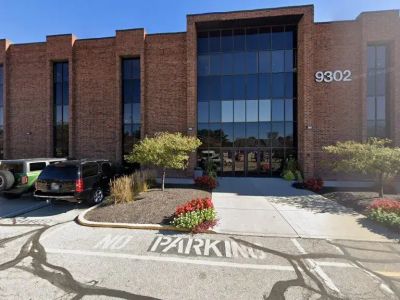


Spark Recovery - Outpatient Drug Addiction Treatment Indianapolis
Indianapolis, Indiana
9302 N Meridian St Ste 101, Indianapolis, IN 46260

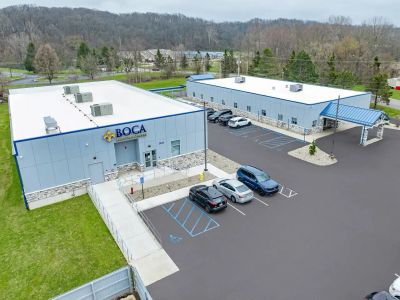

Boca Recovery Center - Indiana Drug and Alcohol Rehab
Huntington, Indiana
3040 W Park Dr, Huntington, IN 46750
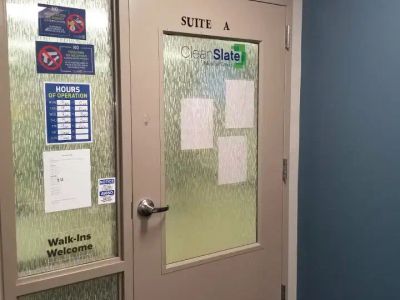

CleanSlate Outpatient Addiction Medicine
Richmond, Indiana
2302 Chester Blvd A, Richmond, IN 47374

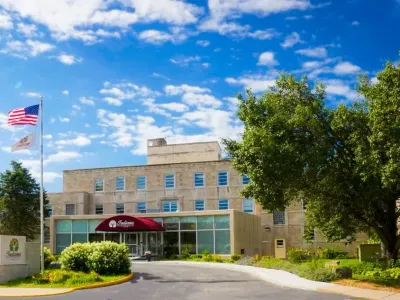

Indiana Center for Recovery - Alcohol & Drug Rehab Center Bedford
Bedford, Indiana
1600 23rd St, Bedford, IN 47421

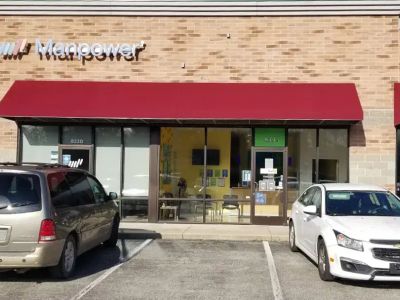
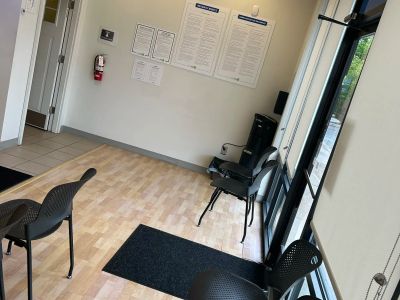
CleanSlate Outpatient Addiction Medicine
Greencastle, Indiana
833 Indianapolis Rd Suite E, Greencastle, IN 46135
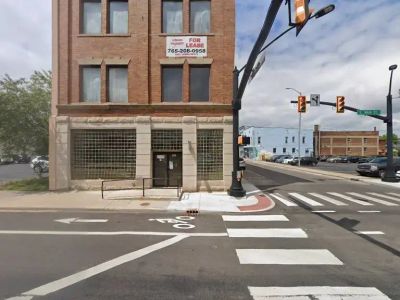
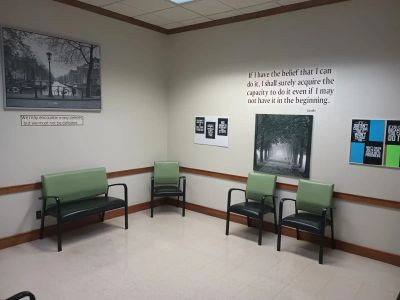
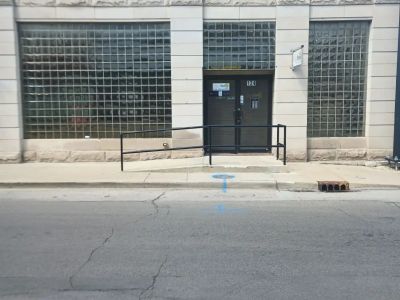
CleanSlate Outpatient Addiction Medicine
Muncie, Indiana
124 E Main St, Muncie, IN 47305
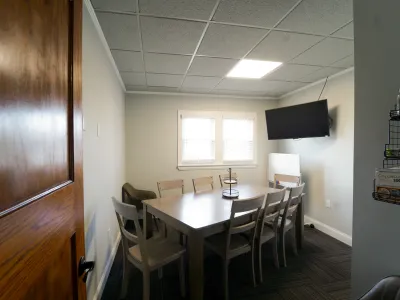
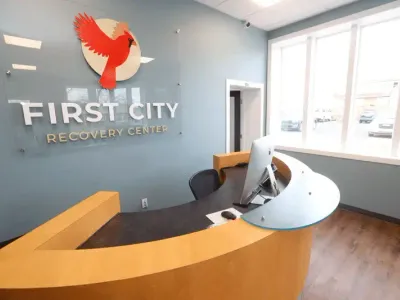
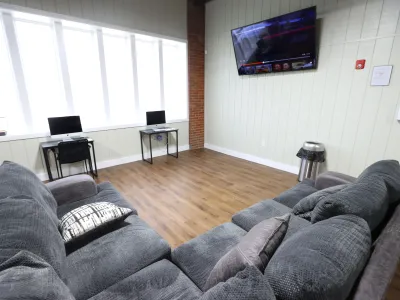
First City Recovery Center
Kokomo, Indiana
317 W Jefferson St, Kokomo, IN, 46901



Parkdale Center
Chesterton, Indiana
350 Indian Boundary Rd., Chesterton, IN, 46304



Recovery Centers of America at Indianapolis
Indianapolis, Indiana
8530 Township Line Rd, Indianapolis, IN 46260
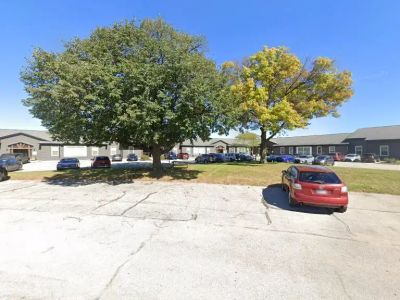


Journey Road Treatment Centers - West
Indianapolis, Indiana
5610 Crawfordsville Rd suite 15, Indianapolis, IN 46224



Comprehensive Treatment Centers - Richmond
Richmond, Indiana
4265 South A street, Richmond, IN, 47374


Comprehensive Treatment Centers - East Indiana
Lawrenceburg, Indiana
816 Rudolph Way Lawrenceburg, IN 47025
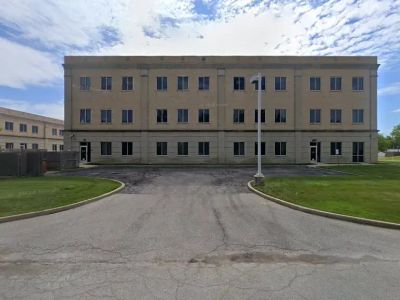
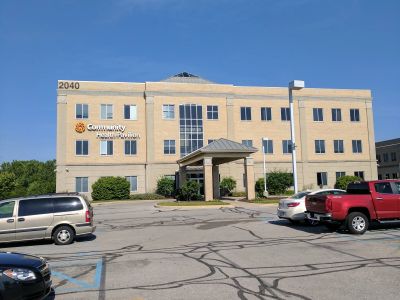

Community Health Network - Warren Township
Indianapolis, Indiana
2040 Shadeland Avenue, Indianapolis, IN 46219


Regional Mental Health Center - Stark Center
East Chicago, Indiana
3903 Indianapolis Boulevard, East Chicago, IN 46312


Recover Together - Tipton
Tipton, Indiana
202 South West Street, Tipton, IN, 46072
Recover Together - Crawfordsville
Crawfordsville, Indiana
1408 Darligton Ave Suite H Crawfordsville, IN 47933
Comprehensive Treatment Centers - Seymour
Seymour, Indiana
357 Tanger Blvd, Suite 215 Seymour, IN 47272
Why Trust Indiana Rehabs
As Hoosiers helping Hoosiers, we understand the unique challenges our communities face. Our team meticulously verifies every Indiana treatment center, ensuring you find trusted, local care that truly understands your journey.
About our listingsLevels of Care
Explore popular treatment options by levels of care, from flexible treatment in Outpatient centers to intensive care in Residential rehabs.
Free · 24/7 · Confidential
Talk to a Treatment Specialist
Call now to get matched with Indiana facilities that accept your insurance.
(888) 568-9930
Free
Ins. check
4.9★
Rating
HIPAA
Protected
Can't travel to a facility?
Licensed Indiana therapists via secure video — same-week appointments, evenings & weekends available.
You’ve fought your way through the hardest days of withdrawal, believing the worst was finally behind you. So why are anxiety, exhaustion, and waves of unfamiliar feelings still hanging on, making each day feel heavier than you expected? It’s not uncommon to feel confused or even discouraged in this phase, and you’re far from alone. These lingering symptoms have a name, Post-Acute Withdrawal Syndrome, and with the right support and practical strategies, you can find steadier ground as you heal.

What Is Post-Acute Withdrawal Syndrome (PAWS)?
Post-Acute Withdrawal Syndrome, or PAWS, is a group of symptoms that can continue for weeks, months, or even longer after you’ve stopped using a substance and the initial, acute withdrawal is over. Think of it this way: acute withdrawal is the body’s immediate, intense reaction to the absence of a drug. PAWS, on the other hand, is a longer, more subtle process. It happens because your brain is working hard to heal and recalibrate its chemistry after a prolonged period of substance use[1]. This healing journey takes time, and PAWS is a sign of that adjustment.
It’s a challenging but normal part of the addiction recovery timeline for many people. It’s important to know that this medical condition is completely unrelated to the "PAWS" acronym used by animal shelters. Understanding what post-acute withdrawal syndrome truly is helps you see these symptoms not as a setback, but as a step in your brain’s journey back to balance. Recognizing this can empower you to seek the right kind of PAWS support without confusion.
Recognizing the Symptoms of PAWS
The symptoms of PAWS can feel unpredictable and frustrating, often showing up in waves. One day you might feel great, and the next, you could be struggling. These feelings are very real and are directly tied to your brain’s healing process. The symptoms generally fall into two main categories.
Common PAWS symptoms include:
- Emotional Symptoms: These can feel like a rollercoaster. You might experience sudden mood swings, heightened anxiety or panic, irritability, and a general lack of interest or pleasure in things you used to enjoy (a condition known as anhedonia).
- Cognitive Symptoms: It’s common to feel like your thinking is cloudy or “foggy.” You might have trouble concentrating, struggle with short-term memory, or find yourself stuck in obsessive thought patterns[2].
While PAWS can occur after stopping many substances, it is most commonly linked to long-term use of central nervous system depressants. This includes alcohol, opioids, and benzodiazepines. These substances significantly alter brain chemistry, particularly neurotransmitters responsible for mood and stress regulation. The longer and more intense the substance use was, the higher the risk of experiencing protracted withdrawal symptoms[3]. Understanding the connection between alcohol PAWS or opioid PAWS and your symptoms is a key step in managing them effectively.
The PAWS Timeline and Relapse Risk
One of the most common questions people ask is, "How long does PAWS last?" Unfortunately, there’s no simple answer. The PAWS timeline is different for everyone. For some, symptoms may fade after a few months, while for others, they can persist for up to two years. The key thing to remember is that the symptoms are not constant. They tend to come and go in waves, often triggered by stress or other emotional cues.
This unpredictability is what makes PAWS so challenging and a major factor in relapse. When you’re having a tough day with anxiety, brain fog, or low mood, it can be incredibly tempting to turn back to a substance for quick relief. In fact, unmanaged PAWS is a significant reason why many people struggle to maintain their recovery, especially within the first year[4]. This is why professional guidance is so critical. Learning effective relapse prevention strategies gives you the tools to navigate these vulnerable moments without losing the progress you’ve worked so hard for.
Finding Professional PAWS Support in Indiana

You don’t have to navigate PAWS alone. Professional support is essential for managing symptoms and building a foundation for lasting recovery. In Indiana, certified treatment facilities are required to provide monitoring and interventions for withdrawal symptoms, ensuring you get the care you need[5]. With millions of Americans needing but not receiving substance use treatment, finding the right help can feel overwhelming, but resources are available[6].
Therapies like cognitive-behavioral therapy (CBT) can help you develop coping skills to manage mood swings and negative thought patterns. For some, medical supervision can also provide stability. Our directory at Indiana Rehabs is a confidential, neutral tool designed to help you find PAWS treatment in Indiana that fits your needs. Here’s how you can use it:
- Start Your Search: Visit our directory and enter your location to see nearby facilities.
- Filter Your Options: Use the filters to narrow your search. Look for "Outpatient Programs" for flexible support, "Long-Term Care" for extended guidance, or "Dual Diagnosis" if you're also dealing with mental health conditions like anxiety or depression. Finding a program that offers dual diagnosis treatment can be especially helpful for PAWS.
- Explore and Connect: Read about the different centers and their approaches. When you find one that seems like a good fit, you can reach out directly.
You can also use national resources like SAMHSA's National Helpline and Treatment Locator to explore options. The goal is to connect you with professionals who understand the challenges of PAWS and can offer the compassionate, evidence-based care you deserve.
Your Path Forward: Managing PAWS for Long-Term Recovery
Living with PAWS is challenging, but it’s a temporary phase in your long-term recovery. It’s a sign that your brain is healing, and with the right strategies, you can manage the symptoms and continue moving forward. Creating a routine and focusing on self-care can make a significant difference in how you feel day-to-day.
Here are a few practical coping strategies that can help:
- Maintain a Simple Routine: Structure helps stabilize your mood and reduces stress. Try to wake up, eat meals, and go to bed around the same time each day.
- Practice Mindfulness: Simple grounding techniques, like deep breathing or focusing on your five senses, can help you manage anxiety when symptoms flare up.
- Gentle Exercise: Activities like walking, stretching, or yoga can boost your mood and help regulate your nervous system.
- Balanced Nutrition: Eating regular, healthy meals helps stabilize your blood sugar and provides your brain with the nutrients it needs to heal[7].
- Connect with Others: Don't isolate yourself. Connecting with a peer support group or trusted friends can remind you that you're not alone.
Navigating post-acute withdrawal syndrome is a journey, not a sprint. Remember to be patient and compassionate with yourself. The symptoms you’re experiencing are real, but they will get better over time. With the right PAWS support and a commitment to self-care, you can build a strong, sustainable recovery. If you’re ready to find help, our team at Indiana Rehabs is here for you. You can call us at (888) 568-9930 or contact us through our site to connect with a treatment provider in Indiana who can help you on your path forward.
Frequently Asked Questions About Post-Acute Withdrawal Syndrome (PAWS)
What causes post-acute withdrawal syndrome?
Is PAWS a sign of relapse?
Does everyone experience PAWS after quitting?
Which substances are most likely to cause PAWS?
Can PAWS be treated?
- Henssler, J., Brandt, L., et al. (2024). Post-acute withdrawal syndrome (PAWS) after stopping antidepressants: a systematic review. Translational Psychiatry. pmc.ncbi.nlm.nih.gov
- El-Mallakh, R. S. (2022). Post-acute withdrawal syndrome: The major cause of relapse among psychoactive substances addicted persons. Archives of Pharmacy and Pharmaceutical Sciences. archivepp.com
- Yazdi, K., et al. (2022). Management of post-acute alcohol withdrawal: A mixed-studies review. Journal of Clinical Medicine. pmc.ncbi.nlm.nih.gov
- El-Mallakh, R. S. (2022). Post-acute withdrawal syndrome: The major cause of relapse among psychoactive substances addicted persons. Archives of Pharmacy and Pharmaceutical Sciences. archivepp.com
- U.S. Department of Health and Human Services. (August, 2021). State residential treatment for behavioral health conditions: Indiana. ASPE. aspe.hhs.gov
- Substance Abuse and Mental Health Services Administration. (01-03-2023). Key substance use and mental health indicators in the United States: Results from the 2021 National Survey on Drug Use and Health. SAMHSA. samhsa.gov
- American Academy of Family Physicians. (09-15-2021). Alcohol withdrawal syndrome: Outpatient management. AAFP. aafp.org