Rehabs for Traumatic Brain Injury (TBI)

Showing 15 of 15 Results (filtered)
Featured Rehab Centers
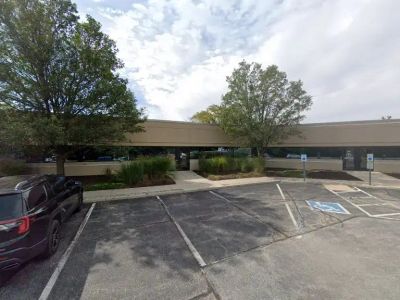
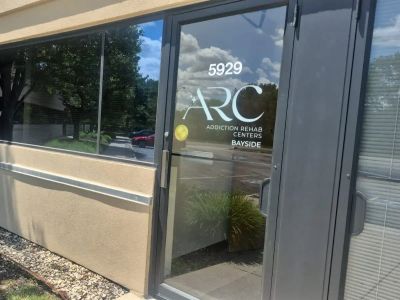

Addiction Rehab Centers - ARC At Bayside | Indianapolis Drug & Alcohol Rehab
Indianapolis, Indiana
5929 Lakeside Blvd, Indianapolis, IN 46278

Hamilton Center Inc: Mathew Maleakal S MD
Terre Haute, Indiana
620 8th Ave, Terre Haute, IN 47804
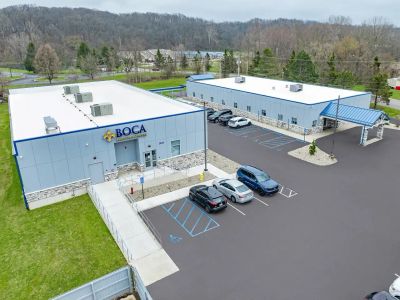

Boca Recovery Center - Fort Wayne, Indiana
Fort Wayne, Indiana
111 W Berry St #211, Fort Wayne, IN 46802
Get Personalized Rehab Matches in 60 Seconds
Tell us a few details and we’ll show a personalized shortlist of verified Indiana rehabs, making it simple to compare options and choose your next step with confidence.

Kentuckiana Integrative Medicine
Jeffersonville, Indiana
405 E Court Ave #102, Jeffersonville, IN 47130
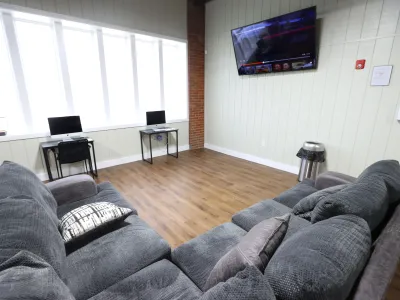
First City Recovery Center
Kokomo, Indiana
317 W Jefferson St, Kokomo, IN, 46901

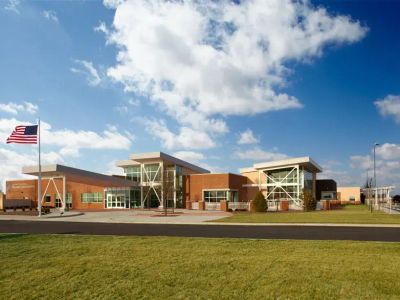

Lafayette Regional Rehabilitation Hospital
Lafayette, Indiana
950 Park E Blvd, Lafayette, IN 47905
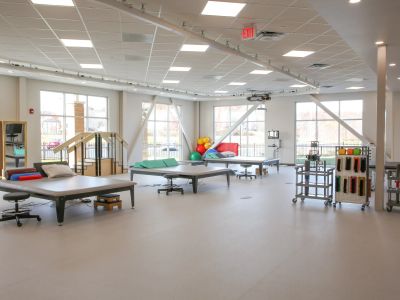
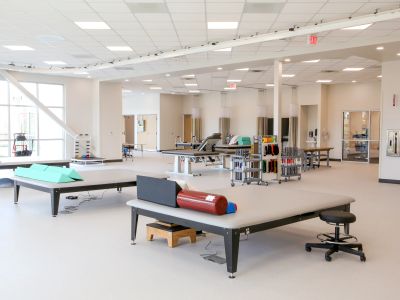

Bloomington Regional Rehabilitation Hospital
Bloomington, Indiana
3050 N Lintel Dr, Bloomington, IN 47404

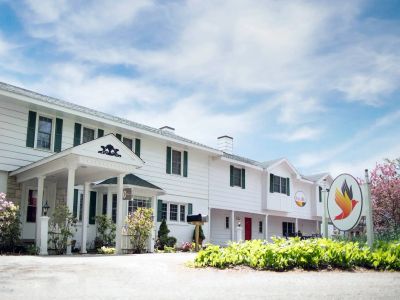

Parkdale Center
Chesterton, Indiana
350 Indian Boundary Rd., Chesterton, IN, 46304
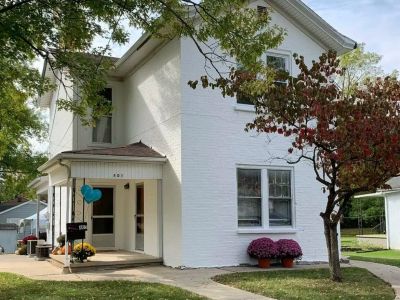
Centerstone Recovery Center
Richmond, Indiana
1811 S 9th St, Richmond, IN 47374
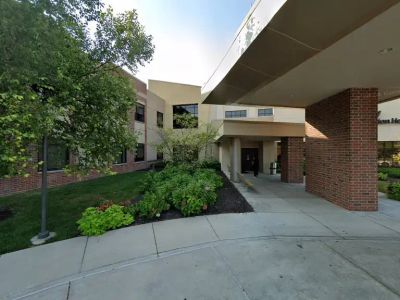
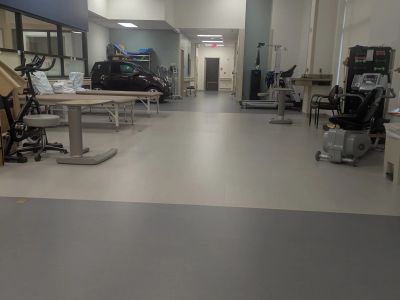
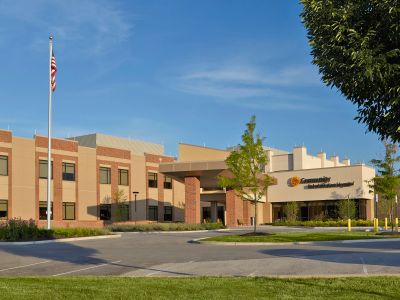
Community Rehabilitation Hospital North
Indianapolis, Indiana
7343 Clearvista Dr, Indianapolis, IN 46256

Northside Mental Health
Indianapolis, Indiana
6507 Ferguson St #201, Indianapolis, IN 46220
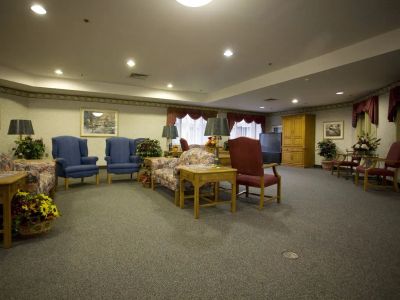

Harrison Healthcare Center
Corydon, Indiana
150 Beechmont Dr NE, Corydon, IN 47112

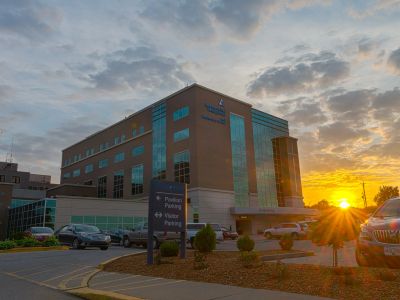

Memorial Hospital - Behavioral Health
Jasper, Indiana
800 West 9th street, Jasper, IN, 47546
Ascension Medical Group St Vincent - Pendleton Primary Care
Pendleton, Indiana
3041 W US Highway 36 Pendleton, IN 46064
Pinnacle Treatment Centers - 2209 John R Wooden Drive
Martinsville, Indiana
2209 John R Wooden Drive, 3rd Floor Martinsville, IN 46151
Why Trust Indiana Rehabs
As Hoosiers helping Hoosiers, we understand the unique challenges our communities face. Our team meticulously verifies every Indiana treatment center, ensuring you find trusted, local care that truly understands your journey.
About our listingsLevels of Care
Explore popular treatment options by levels of care, from flexible treatment in Outpatient centers to intensive care in Residential rehabs.
Free · 24/7 · Confidential
Talk to a Treatment Specialist
Call now to get matched with Indiana facilities that accept your insurance.
(888) 568-9930
Free
Ins. check
4.9★
Rating
HIPAA
Protected
Can't travel to a facility?
Licensed Indiana therapists via secure video — same-week appointments, evenings & weekends available.
After a traumatic brain injury, each day can feel uncertain, filled with questions about where to start, what to expect, or how to find the right support for yourself or someone you love. If you’re searching for answers in Indiana, feeling overwhelmed or even a little lost, you’re not alone. There’s a pathway forward, and with the help of a compassionate, well-organized guide, you can find the care and support that meets your unique needs right here in your community.

What to know
A traumatic brain injury, or TBI, happens when a sudden jolt or impact harms the brain. It’s more than just a physical wound; it can change how a person thinks, feels, and acts. In Indiana alone, TBIs lead to thousands of hospitalizations and emergency room visits each year, affecting people from all walks of life[1]. While some groups face higher risks, a TBI can happen to anyone[2].
Finding the right support goes far beyond initial medical care. It’s about creating a network that addresses emotional well-being, social connection, and the practical challenges of daily life. The path to recovery is deeply personal, and progress looks different for everyone. What matters most is having access to compassionate care that adapts to your needs. This guide is here to help you navigate the specifics of traumatic brain injury and connect with the services available right here in Indiana, so you can focus on healing and improving your quality of life.
Information, Referral, Resources
Navigating life after a brain injury can feel like trying to solve a complex puzzle. But you don't have to do it alone. Indiana offers a wide array of resources designed to support survivors and their families, from intensive clinical programs to community-based services that foster connection and independence[3]. The key is finding the right combination of services that fits your unique situation.
Think of this section as your map. We'll break down the different kinds of help available, so you can see what’s out there and decide what to explore next. Whether you're looking for professional therapy, a group of peers who understand, or advocacy to help you navigate complex systems, there are organizations ready to help. A great place to start for statewide information is the Brain Injury Association of Indiana. As you read, remember that you can use the filters on this page to find specific programs and brain injury resources near you.
Find a Support Group
One of the most powerful tools for healing is human connection. For survivors and their families, joining a support group can feel like coming home. It’s a space where you can share your story, listen to others, and realize you aren’t alone on this journey. These groups reduce the profound sense of isolation that often follows a TBI. Meetings might include open discussions, educational speakers, or simply social time with a community that truly gets it. Sharing experiences with others who have walked a similar path provides comfort, validation, and practical advice that can make all the difference for survivors and their caregivers.
Support for People with Brain Injuries
Professional services are the cornerstone of recovery, helping people with brain injuries regain skills and rebuild their independence. Indiana is home to dedicated professionals and programs that provide specialized care tailored to the complex needs of TBI survivors[4]. These services often include:
- Inpatient and Outpatient Rehabilitation: Structured programs that provide intensive, coordinated therapy in a residential or day-treatment setting.
- Physical Therapy: Helps restore movement, strength, balance, and coordination.
- Occupational Therapy: Focuses on regaining skills for daily living, such as dressing, cooking, and managing household tasks.
- Speech-Language Pathology: Addresses challenges with communication, language, and swallowing.
- Counseling and Neuropsychology: Provides emotional support and strategies for managing cognitive changes like memory loss or difficulty concentrating.
Together, these clinical services create a comprehensive approach to neurorehabilitation, enhancing function and improving overall quality of life.
Resource navigation
The systems for healthcare, insurance, and social services can be incredibly difficult to navigate. Advocacy organizations and resource navigators act as guides, helping individuals and families understand their options and access the benefits they’re entitled to. These professionals can assist with everything from filing insurance claims to applying for the Indiana TBI Medicaid Waiver or Social Security disability benefits. Because TBI is now recognized as a chronic condition for some, new Medicare plans are also becoming available to help beneficiaries coordinate care[5]. You can also find practical help with housing, transportation, and vocational rehabilitation to address every aspect of life after a TBI.
Our Community

When a TBI happens, it doesn’t just affect one person, it sends ripples through the entire family. Caregivers, friends, and loved ones are the unsung heroes of the recovery journey, providing the steady, unwavering support that makes healing possible. We see you, and we understand the immense challenges you face. From managing appointments and medications to providing emotional encouragement, your role is vital.
It's also a role that can lead to stress and burnout, especially for families in rural areas who may have less access to specialized care[6]. Taking care of yourself is not selfish; it’s essential. Finding supportive resources for your own well-being, like respite care or caregiver support groups, allows you to recharge and continue providing the best care for your loved one. In Indiana, some programs even allow family members to become paid caregivers, recognizing the incredible value of your contribution[7]. Exploring resources designed for families can provide the tools and community you need to thrive together.
Speak to a Brain Injury Expert
Taking the first step toward finding help is a sign of incredible strength. You can start right now by exploring the listings on this page. Use the filters to narrow your search by the type of service you need, your location, and the insurance you have. Every provider and organization listed is here to support people on their journey toward recovery.
If you feel overwhelmed or aren’t sure where to begin, please don’t hesitate to reach out. Personalized guidance is just a phone call away. Our compassionate team can listen to your story, answer your questions, and provide referrals to experts and organizations that can help. You don’t have to figure this all out on your own. Hope and help are here, waiting for you.
Finding the right traumatic brain injury support is a journey, but it’s one you don’t have to walk alone. From clinical services and peer groups to resources for caregivers, there is a strong community in Indiana ready to help you and your family heal. Taking that next step is a powerful move toward a better future. For confidential guidance and referrals, call us today at (888) 568-9930. Let the team at Indiana Rehabs help you find the compassionate care you deserve, or feel free to contact us online to start the conversation.
Frequently Asked Questions About Traumatic Brain Injury Support in Indiana
What are the most common causes of TBI?
What is the difference between an acquired brain injury and a traumatic brain injury?
What kind of financial assistance is available for TBI patients in Indiana?
What cognitive and emotional changes can occur after a TBI?
Can a person fully recover from a traumatic brain injury?
- Indiana Department of Health. (2023). Traumatic Brain Injuries in Indiana. Indiana Department of Health. in.gov
- Centers for Disease Control and Prevention. (01-30-2025). Health Disparities in TBI. Centers for Disease control and Prevention. cdc.gov
- Indiana Department of Health. (02-02-2019). 2019 – 2024 Indiana Traumatic Brain Injury State Plan. Indiana Department of Health. in.gov
- Indiana University School of Medicine. (02-05-2021). Traumatic Brain Injury Model System Center. Indiana University School of Medicine. medicine.iu.edu
- Brain Injury Association of America. (2025). CMS Recognizes Brain Injury As Chronic Condition. Brain Injury Association of America. biausa.org
- Griesbach, G. L. et al. (2019). Geographical Disparity and Traumatic Brain Injury in America: Rural Versus Urban. Brain sciences. pmc.ncbi.nlm.nih.gov
- Indiana Family and Social Services Administration. (2025). Proposed Changes to the Traumatic Brain Injury (TBI) Waiver. Indiana Family and Social Services Administration. in.gov