Rehabs Serving College Students

Showing 14 of 14 Results (filtered)
Featured Rehab Centers

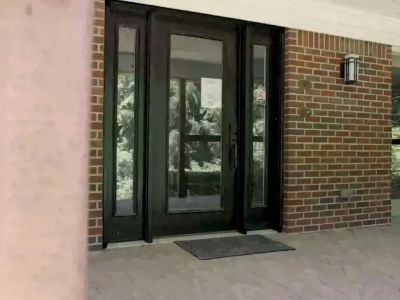
Addiction Rehab Centers - ARC at Fox Hill | Drug & Alcohol Rehab - Mooresville Indiana
Mooresville, Indiana
12168 N Mann Rd, Mooresville, IN 46158

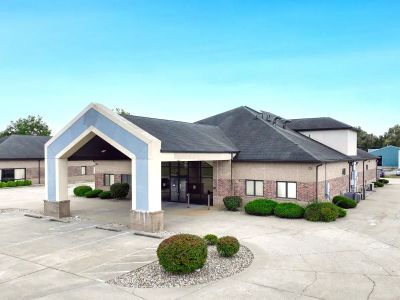
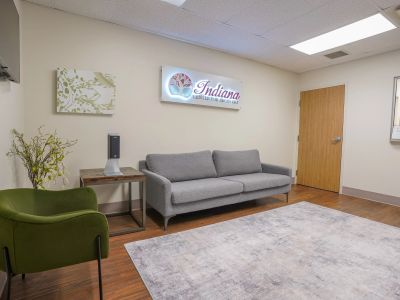
Indiana Center For Recovery- Alcohol & Drug Rehab Terre Haute
Terre Haute, Indiana
135 E Hospital Ln, Terre Haute, IN 47802



Addiction Rehab Centers - ARC | Drug & Alcohol Rehab - Addiction Treatment in Indianapolis, IN
Indianapolis, Indiana
7322 Noel Rd, Indianapolis, IN 46278
Get Personalized Rehab Matches in 60 Seconds
Tell us a few details and we’ll show a personalized shortlist of verified Indiana rehabs, making it simple to compare options and choose your next step with confidence.



Boca Recovery Center - Indiana Drug and Alcohol Rehab
Huntington, Indiana
3040 W Park Dr, Huntington, IN 46750

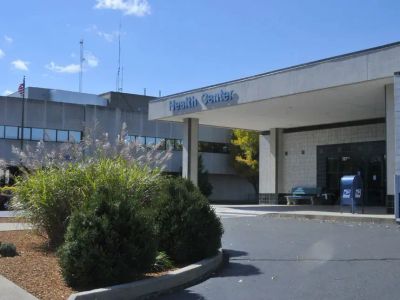
Valley Professionals Community - Health Center
Clinton, Indiana
777 South Main street, Clinton, IN, 47842



Recovery Centers of America at Indianapolis
Indianapolis, Indiana
8530 Township Line Rd, Indianapolis, IN 46260
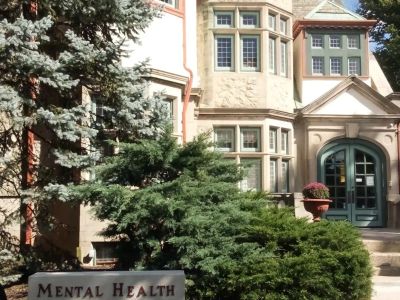

Mental Health America of Indiana
Indianapolis, Indiana
1431 N Delaware St, Indianapolis, IN 46202
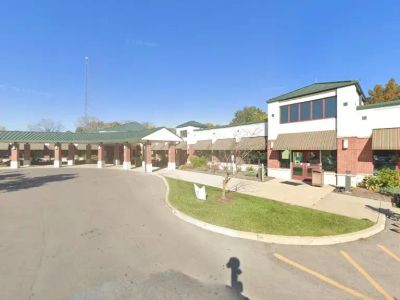


Eskenazi Health - Pecar
Indianapolis, Indiana
6940 Michigan Rd., Indianapolis, IN, 46268


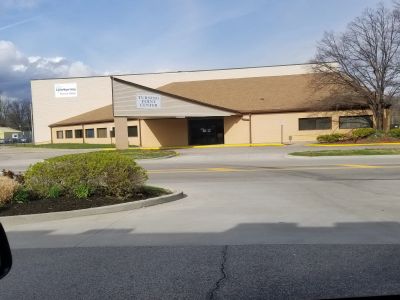
LifeSpring Health Systems - Turning Point Center
Jeffersonville, Indiana
1060 Sharon Drive, Jeffersonville, IN, 47130




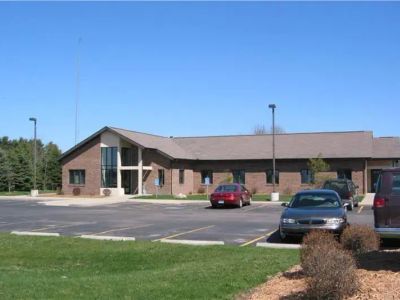
Northeastern Center - LaGrange County Outpatient
Lagrange, Indiana
2155 N State Rd 9, Lagrange, IN 46761
Oxford House - Moxie
Columbus, Indiana
3715 Sioux Trail, Columbus, IN 47203
Oxford House - Northaven
Jeffersonville, Indiana
1710 Northaven Ct, Jeffersonville, IN 47130
Pinnacle Treatment Centers - 581 E. Main Street
Hagerstown, Indiana
581 E. Main Street Hagerstown, IN 47346
Why Trust Indiana Rehabs
As Hoosiers helping Hoosiers, we understand the unique challenges our communities face. Our team meticulously verifies every Indiana treatment center, ensuring you find trusted, local care that truly understands your journey.
About our listingsLevels of Care
Explore popular treatment options by levels of care, from flexible treatment in Outpatient centers to intensive care in Residential rehabs.
Free · 24/7 · Confidential
Talk to a Treatment Specialist
Call now to get matched with Indiana facilities that accept your insurance.
(888) 568-9930
Free
Ins. check
4.9★
Rating
HIPAA
Protected
Can't travel to a facility?
Licensed Indiana therapists via secure video — same-week appointments, evenings & weekends available.
Balancing a full class load, deadlines, and the steady hum of campus life, while also exploring newfound freedom, can feel like walking a tightrope some days. Maybe what started as just blowing off steam at parties or pulling all-nighters with friends has slowly taken on a life of its own, leaving you feeling overwhelmed and unsure where to turn. You’re not alone if it all feels too much. The good news is, getting support doesn’t have to mean putting your education on hold; there are rehab programs here in Indiana that understand students’ unique lives and are ready to help you find your footing again.

Causes of Substance Abuse Among College Students
The transition to college is a huge step, and it comes with a unique set of pressures. For students across Indiana, from bustling campuses like Indiana University to the rigorous environment at Purdue, the demands can be intense. You're suddenly managing your own schedule, facing tougher academic challenges, and navigating a brand-new social scene. This newfound freedom, combined with academic stress and the pressure to fit in, can create a perfect storm where substances like alcohol become a way to cope[1]. What might start as a way to unwind after a stressful week of exams or feel more comfortable at a party can slowly turn into a habit.
It’s easy to feel like you’re the only one struggling to keep up, but many students feel the same way. The pressure to maintain grades, make friends, and figure out your future is a heavy weight to carry. For some, substance use can feel like a necessary tool to either quiet the anxiety or to feel like part of the group. A recent survey of Indiana college students revealed that many turn to substances to deal with this stress[2]. Recognizing these challenges isn't about placing blame; it's about understanding that you're human and that it's okay to need support when the pressure becomes too much. Many students grapple with anxiety related to their school work and social lives, and help is available.
Signs of Substance Use in College Students
It can be tough to tell the difference between the normal stress of college life and something more serious. If you’re worried about yourself or a friend, knowing what to look for can make all the difference. Often, the person struggling is the last to recognize it; in one study, only 3.6% of college students with a substance use problem realized they needed help. Spotting the signs is the first step toward starting a conversation and finding support. These changes aren't reasons to judge, but they are reasons to reach out and show you care.
Here are some common signs that may point to a problem with drugs or alcohol:
- Academic Signs: A sudden drop in grades, skipping classes frequently, or losing interest in coursework that was once important. Poor academic performance can be one of the most visible signs that something is wrong.
- Social Signs: Withdrawing from old friends and family, changing social circles to hang out with a group that uses substances more heavily, or isolating from social activities altogether.
- Physical and Behavioral Signs: Significant changes in sleep patterns (sleeping too much or too little), neglecting personal appearance or hygiene, increased secrecy or lying, borrowing money frequently, or experiencing mood swings that seem out of character.
What Drugs Do College Students Use Most?
While any substance can be misused, some are more common on college campuses. Alcohol remains the most widely used substance; almost 49% of full-time college students between 18 and 22 drank alcohol in the past month, often in the context of social events and binge drinking. Marijuana is also prevalent, with around 39.5% of students having used it in 2023[2]. Additionally, the misuse of prescription stimulants is a growing concern. Driven by academic pressure, around 2.4% of college students reported using Adderall without a prescription to study for longer hours.

Inpatient Versus Outpatient Rehab
When you decide to get help, one of the first questions you'll face is what type of treatment is right for you. The two main options are inpatient and outpatient rehab, and each has its own structure and benefits, especially for a college student. Many students worry about having to leave school, but there are flexible programs designed to work with your academic life.
Understanding the differences can help you make an informed choice. Here’s a simple breakdown:
| Feature | Inpatient Rehab | Outpatient Rehab |
|---|---|---|
| Environment | Live at the facility 24/7 | Live at home or in sober living |
| Intensity | Highly structured, intensive therapy | Flexible schedule, a few times a week |
| Best For | Severe addiction, need for detox, or high-risk environments | Mild to moderate addiction, strong support system |
| Academic Impact | May require a medical leave of absence from school | Can often be scheduled around classes |
A common question is, "How long is rehab?" The length of a program varies depending on your needs. Some inpatient stays are 30 days, while others might be longer. Outpatient programs can last for several months. The great news is that many programs for college students are designed with flexibility in mind. Another concern is cost. The Affordable Care Act requires most health insurance plans to cover treatment for substance use disorders[3]. In Indiana, Medicaid also provides coverage for a range of services, including both inpatient and outpatient care[4].
Finding Treatment
Taking the first step can feel like the hardest part, but you don’t have to do it alone. Here’s a simple path to finding the right support:
- Start the conversation. Talk to someone you trust, whether it’s a campus counselor, a favorite professor, or a family member. Just saying it out loud can lift a huge weight.
- Explore your options. Your school may have on-campus resources like counseling services or recovery groups. You can also look at off-campus facilities that specialize in helping young adults.
- Use a trusted resource. A directory like ours makes it easy to find and filter for college student rehab programs in Indiana. You can compare different options based on your specific needs.
- Verify your insurance. Once you have a few options, the next step is to confirm your insurance coverage and discuss payment options. Many treatment centers will help you with this process[5]. The SAMHSA National Helpline for Young Adults is another excellent resource for guidance.
Your Future is Worth It
Choosing to seek help for substance use is not a sign of weakness, it’s a powerful act of taking control of your life and protecting your future. Recovery and academic success can absolutely go hand-in-hand. The right treatment program will give you the tools to manage stress, build healthy relationships, and stay on track with your education. You’ve worked hard to get where you are, and you deserve a future where you can thrive.
Getting help is a brave decision, and it’s one that can put you back on the path to achieving your goals. You don’t have to figure this out on your own. There are people and programs right here in Indiana ready to support you every step of the way. If you’re ready to talk, our team at Indiana Rehabs is available 24/7. Call us at (888) 568-9930 or explore our contact page to find the best way to get in touch. Your future is worth it.
Frequently Asked Questions About College Student Rehab in Indiana
How much does rehab cost?
Are there rehabs specifically for college students in Indiana?
How can I balance rehab and my college classes?
What happens in a rehab program for college students?
Is my information kept confidential if I seek help?
How can I help a friend who is struggling with substance use in college?
- Indiana University. (11-29-2023). Survey looks at substance use, mental health, gambling among Indiana college students. Indiana University News. news.iu.edu
- Indiana Collegiate Action Network. (2023). Results of the Indiana College Substance Use Survey 2023. Indiana Collegiate Action Network. incollegiateaction.org
- Center for Medicaid & CHIP Services. (July 2023). CMCS Mental Health and Substance Use Disorder Action Plan. Medicaid.gov. medicaid.gov
- Indiana Health Coverage Programs. (06-16-2021). Substance Use Disorder (SUD)/Serious Mental Illness (SMI) Treatment. in.gov. in.gov
- Substance Abuse and Mental Health Services Administration. (04-24-2023). Help for mental health, drugs, alcohol – IN Medicaid, CHIP. SAMHSA. samhsa.gov