Rehabs Serving Mild Disabilities

Showing 7 of 7 Results (filtered)
Featured Rehab Centers
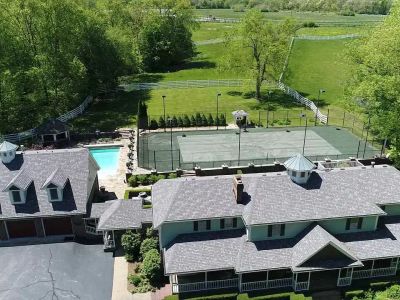
Addiction Rehab Centers - ARC at Fox Hill | Drug & Alcohol Rehab - Mooresville Indiana
Mooresville, Indiana
12168 N Mann Rd, Mooresville, IN 46158
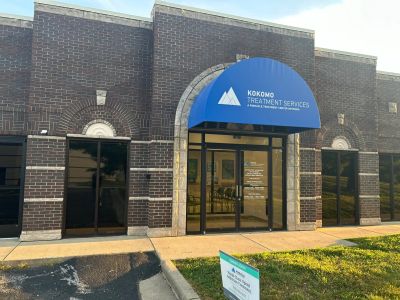
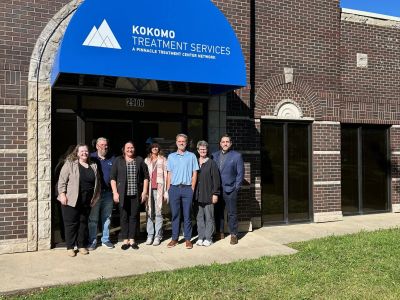
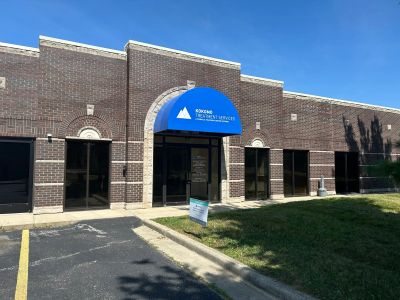
Pinnacle Treatment Centers - Kokomo
Kokomo, Indiana
2906 S. Reed Rd. Kokomo, IN 46902

Family Service Society - Marion
Marion, Indiana
101 South Washington Street, Marion, IN 46952
Get Personalized Rehab Matches in 60 Seconds
Tell us a few details and we’ll show a personalized shortlist of verified Indiana rehabs, making it simple to compare options and choose your next step with confidence.
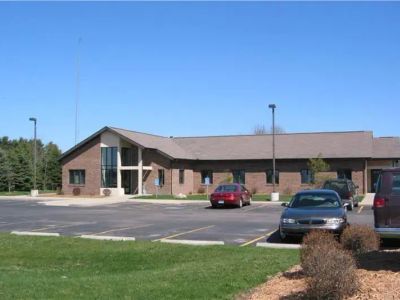
Northeastern Center - LaGrange County Outpatient
Lagrange, Indiana
2155 N State Rd 9, Lagrange, IN 46761
Oxford House - Moxie
Columbus, Indiana
3715 Sioux Trail, Columbus, IN 47203
Oxford House - Northaven
Jeffersonville, Indiana
1710 Northaven Ct, Jeffersonville, IN 47130
Pinnacle Treatment Centers - 581 E. Main Street
Hagerstown, Indiana
581 E. Main Street Hagerstown, IN 47346
Why Trust Indiana Rehabs
As Hoosiers helping Hoosiers, we understand the unique challenges our communities face. Our team meticulously verifies every Indiana treatment center, ensuring you find trusted, local care that truly understands your journey.
About our listingsLevels of Care
Explore popular treatment options by levels of care, from flexible treatment in Outpatient centers to intensive care in Residential rehabs.
Free · 24/7 · Confidential
Talk to a Treatment Specialist
Call now to get matched with Indiana facilities that accept your insurance.
(888) 568-9930
Free
Ins. check
4.9★
Rating
HIPAA
Protected
Can't travel to a facility?
Licensed Indiana therapists via secure video — same-week appointments, evenings & weekends available.
Imagine reaching out for help with addiction or mental health struggles, only to realize the people guiding you don’t fully understand how you learn, move, or communicate. For so many folks with mild disabilities, that feeling isn’t just a passing frustration, it’s a real and stubborn barrier on the road to recovery. You deserve support that sees your whole self and meets you where you are. The good news is, truly specialized care does exist across Indiana, and finding it might be far more possible than you think.
What Are Mild Disabilities in a Rehab Context?
When we talk about “mild disabilities” in the context of addiction treatment, we’re not talking about something that’s easy to see. This is a broad term for a range of conditions that can affect how a person thinks, learns, and interacts with the world. These might include a mild intellectual disability, a specific learning disability like dyslexia, or what’s known as borderline intellectual functioning (BIF). The key thing to understand is that these conditions influence how individuals process information, pick up new skills, and communicate their needs.
In a rehab setting, this is incredibly important. Standard approaches like talk therapy or handing someone a workbook might not connect if the information isn’t presented in a way that matches their learning style. For true healing to happen, the treatment itself has to be adapted. It’s about more than just being patient; it’s about using different tools and strategies to ensure the message of recovery truly sinks in.
The need for this specialized care is significant. Research shows that substance use and misuse are more common among people with disabilities compared to the general population[1]. This reality underscores why a one-size-fits-all approach to addiction treatment simply doesn’t work. For many individuals with mild disabilities, a co-occurring substance use disorder is an overlapping challenge that requires integrated and thoughtful health interventions.
Common Challenges and Specialized Care Needs
For individuals with mild disabilities, navigating a traditional rehab program can feel like trying to solve a puzzle with missing pieces. The environment may not be set up to support their unique strengths and challenges. Understanding these hurdles is the first step toward finding effective care and making sure the treatment fits the person, not the other way around.
Here are some common challenges and the specialized care needed to address them:
- Difficulty with Abstract Concepts: Ideas like "surrendering to a higher power" or "processing trauma" can be hard to grasp. Specialized care uses concrete, simple language and real-world examples to make these concepts understandable and actionable.
- Social Communication Nuances: group therapy is a cornerstone of rehab, but it can be overwhelming for someone who has trouble reading social cues or expressing themselves in a group. Adapted programs offer smaller group sizes and structured activities to build communication skills in a safe setting.
- Slower Information Processing: Fast-paced lectures or long therapy sessions can lead to information overload. Effective interventions include shorter, more frequent sessions, plenty of repetition, and the use of visual aids like charts and videos to reinforce learning.
- Vulnerability to Negative Influences: Some individuals may have a harder time recognizing manipulation or unhealthy relationship dynamics. Quality care focuses on building assertiveness and life skills to help them set boundaries and make safe choices.
A truly effective program is built on a foundation of safety, structure, and predictability. When the environment feels stable and the staff are trained to adapt, it reduces anxiety and opens the door for genuine learning and growth. This requires a team that is not only clinically skilled but also deeply compassionate and educated in disability-informed care[2]. The right support makes all the difference, turning potential roadblocks into opportunities for building confidence and skills.
Key Therapies in Rehab for Mild Disabilities
Effective rehabilitation for individuals with mild disabilities isn’t about one single therapy. Instead, it’s a thoughtful combination of evidence-based treatments that are carefully tailored to the person’s unique needs and goals. The focus is always on practical, real-world skills that support both recovery from addiction and a more independent, fulfilling life. These therapies work together to build a strong foundation for lasting health.
Cognitive Behavioral Therapy (CBT)
cognitive behavioral therapy, or CBT, is a powerful tool in addiction treatment that helps people understand the connection between their thoughts, feelings, and actions. For someone with a mild disability, standard CBT might feel too abstract. That’s why adapted CBT treatment breaks these big ideas into small, manageable steps. Therapists use tools like picture cards, simple worksheets, and role-playing to explore real-life situations. For example, instead of just talking about triggers, a session might involve acting out how to handle walking past a bar or seeing an old acquaintance. This hands-on approach makes the skills concrete and easier to use in everyday life.
Occupational Therapy (OT)
Occupational therapy (OT) is all about helping people succeed in the "occupations" of daily life. In a rehab context, this is incredibly valuable. An occupational therapist works with individuals to build practical skills that are crucial for long-term recovery and independence. This could mean learning how to budget money, plan and cook healthy meals, create a consistent daily schedule, or navigate public transportation. By mastering these essential tasks, individuals gain confidence and develop healthy routines that replace old, destructive habits. OT provides the building blocks for a stable and sober life after treatment.
Vocational Rehabilitation (VR)
Having a meaningful job is a huge part of recovery for many people. It provides structure, purpose, and financial stability. Vocational rehabilitation (VR) is a service designed to help individuals with disabilities prepare for, find, and maintain employment[3]. A VR specialist can offer career counseling to identify interests and strengths, assistance with building a resume, practice for job interviews, and even on-the-job coaching to ensure a smooth transition. This personalized support helps individuals become valued members of the workforce, which is a powerful step forward in their recovery journey.
Physical and Speech Therapy
A person’s physical health and ability to communicate are deeply connected to their overall well-being. Physical therapy can help improve motor skills, balance, and general fitness, which often suffer during active addiction. This can boost self-esteem and energy levels, making it easier to engage in other aspects of rehabilitation. At the same time, speech therapy can address challenges with communication. It helps individuals learn to express their needs and feelings more clearly, which is essential for building healthy relationships, participating in group therapy, and advocating for themselves in the community.
How to Find the Right Rehab Program in Indiana
Finding the right care can feel like a daunting task, but you don’t have to do it alone. The key is to know what to look for and what questions to ask. A great starting point is to talk with a trusted healthcare provider, like a primary care doctor or a therapist, who may be able to offer referrals to specialized programs. You can also connect with state-level resources for guidance.
When you start looking at specific facilities, it's important to be an informed advocate for yourself or your loved one. Don’t be afraid to ask direct questions to make sure the program is truly equipped to provide the support needed. A good provider will welcome your questions and be transparent about their services and staff expertise.
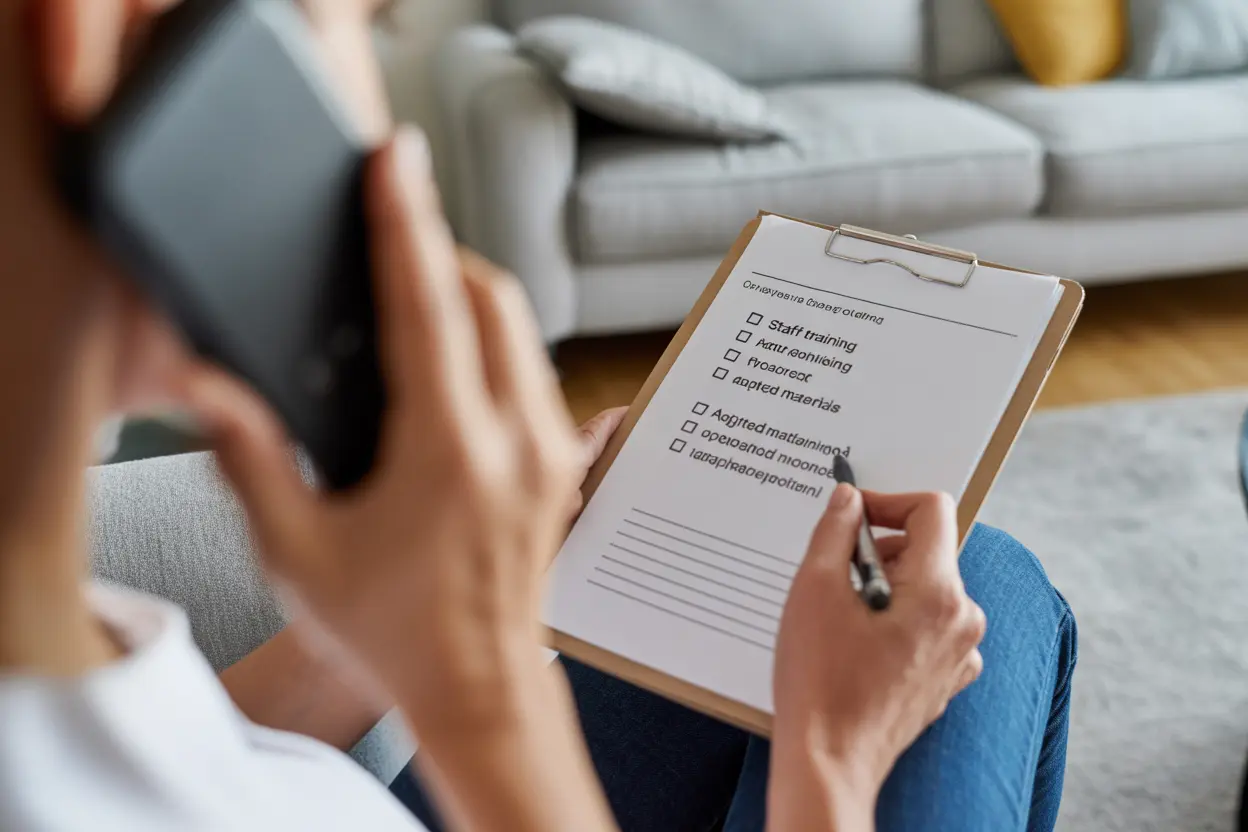
Here’s a checklist of questions to guide your conversations with potential rehab programs:
- Staff Training: What specific training does your clinical staff have in working with individuals with mild intellectual or learning disabilities?
- Program Adaptation: How do you adapt your therapy materials, group sessions, and educational content to meet different learning styles? Can you provide examples?
- Dual Diagnosis Care: Do you have experience treating co-occurring mental health conditions alongside substance use disorders? How do you integrate this care?
- Pacing and Structure: What is the daily schedule like? How do you ensure the pace is manageable and the environment is structured and predictable?
- Family Involvement: What does your family support program look like? How do you involve families and caregivers in the treatment and planning process?
- Licensing and Accreditation: Is your facility licensed by the state of Indiana? Do you hold accreditations from organizations like CARF or The Joint Commission? You can often verify credentials through state resources[4].
By asking these questions, you can get a clear picture of whether a program is prepared to offer the individualized and compassionate care necessary for success. For more help, the Indiana DMHA Resource Finder can be a valuable tool for locating certified providers in your area. Finding a program that understands and is equipped to help is a critical step toward healing.
Supporting Recovery and Long-Term Success
Graduating from a rehab program is a monumental achievement, but the journey doesn’t end there. For individuals with mild disabilities, long-term success depends on a strong network of ongoing support that reinforces the skills learned in treatment. Life after rehab is where the real work of recovery begins, and having the right resources in place is essential for navigating challenges and celebrating victories.
A solid aftercare plan is the bridge between the structured environment of treatment and the realities of everyday life. This isn't just a suggestion; it's a vital component of sustained recovery. These plans are highly individualized and might include continued therapy, participation in support groups, and regular check-ins with a case manager. The goal is to create a safety net that helps prevent relapse and supports continued personal growth. Studies on treatment outcomes in Indiana confirm that retention in care is a key predictor of long-term success[5].
Family and caregivers play an irreplaceable role in this next chapter. Providing a stable, encouraging, and patient home environment can make all the difference. This means celebrating small steps forward, offering practical help with daily routines, and encouraging participation in healthy social activities. It’s also important for caregivers to have their own support system to avoid burnout and stay resilient.
Ultimately, recovery is about more than just staying sober. It’s about building a life that feels meaningful, connected, and fulfilling. With the right combination of professional aftercare, strong family involvement, and community support, individuals with mild disabilities can not only achieve lasting recovery but also thrive in all areas of their life.
Finding the right path to recovery begins with knowing that help is available and that you deserve care that understands your needs. Every step you take, no matter how small it feels, is a step toward a healthier, more hopeful future. If you're ready to explore what specialized treatment looks like for you or someone you love, our team at Indiana Rehabs is here to listen without judgment. You can speak with a caring specialist by calling (888) 568-9930 or by reaching out through our contact page. Taking that first step is the most important one you'll make.
Frequently Asked Questions About Rehab for Mild Disabilities in Indiana
What's the difference between rehab for a mild disability and traditional rehab?
Can someone with a mild intellectual disability succeed in addiction treatment?
What role does family play in the recovery process for someone with a mild disability?
Does insurance cover specialized rehab for mild disabilities in Indiana?
- Veldhuis, C.B., et al. (2022). Substance use, misuse, and use disorders among people with and without disabilities in the National Survey on Drug Use and Health. Drug and Alcohol Dependence. pmc.ncbi.nlm.nih.gov
- van der Nagel, J. L. K., et al. (2023). Evidence-based Treatment for Substance Use Disorders in Individuals With Intellectual and Developmental Disabilities. Journal of the American Academy of Child & Adolescent Psychiatry. pmc.ncbi.nlm.nih.gov
- Indiana Vocational Rehabilitation. (2019). Vocational Rehabilitation Program Unified State Plan (PYs 2020-2023). U.S. Department of Education. wioaplans.ed.gov
- (July, 2020). Certification and Licensure Rules and Indiana Code. Indiana Family and Social Services Administration. in.gov
- (October, 2023). Indiana Healthy Indiana Plan 2.0 SUD Demonstration Summative Evaluation Report. Centers for Medicare & Medicaid Services. medicaid.gov