Rehabs Serving Native American

Showing 20 of 26 Results (filtered)
Featured Rehab Centers

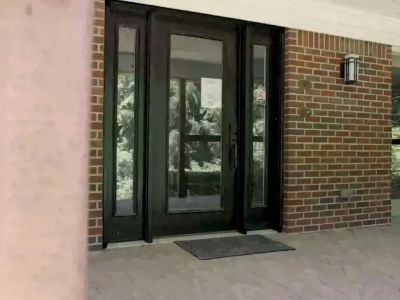
Addiction Rehab Centers - ARC at Fox Hill | Drug & Alcohol Rehab - Mooresville Indiana
Mooresville, Indiana
12168 N Mann Rd, Mooresville, IN 46158
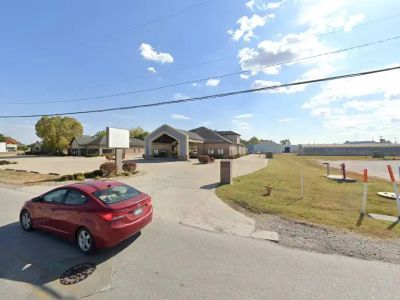
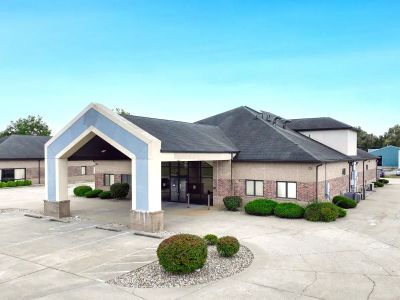
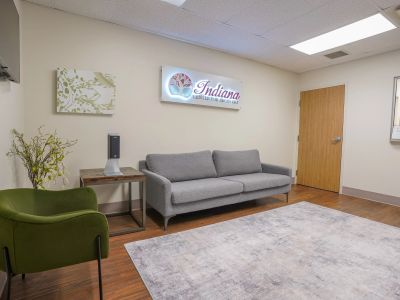
Indiana Center For Recovery- Alcohol & Drug Rehab Terre Haute
Terre Haute, Indiana
135 E Hospital Ln, Terre Haute, IN 47802

CleanSlate Outpatient Addiction Medicine
Noblesville, Indiana
18051 River Rd Suite 101, Noblesville, IN 46062
Get Personalized Rehab Matches in 60 Seconds
Tell us a few details and we’ll show a personalized shortlist of verified Indiana rehabs, making it simple to compare options and choose your next step with confidence.
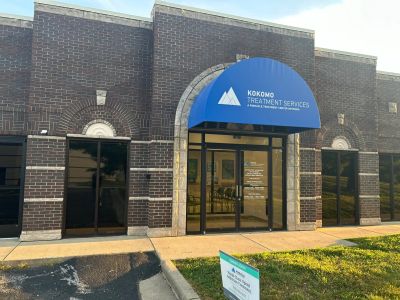
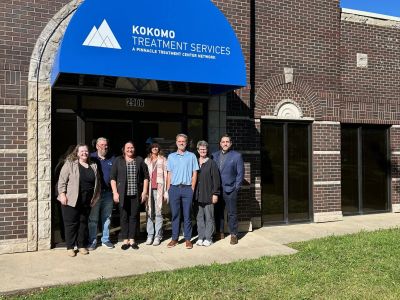
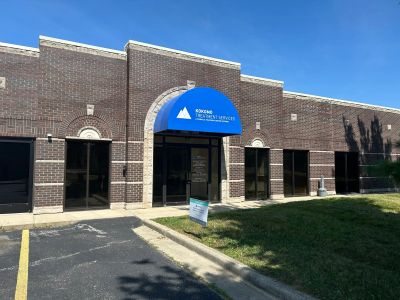
Pinnacle Treatment Centers - Kokomo
Kokomo, Indiana
2906 S. Reed Rd. Kokomo, IN 46902
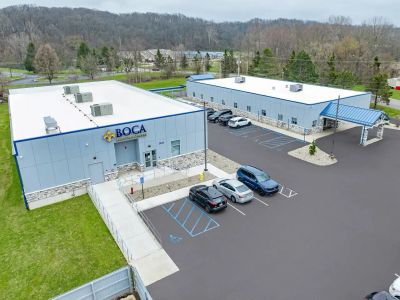
Boca Recovery Center - Indiana Drug and Alcohol Rehab
Huntington, Indiana
3040 W Park Dr, Huntington, IN 46750
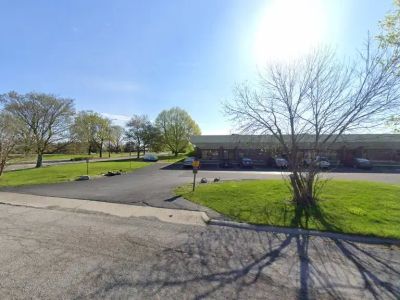
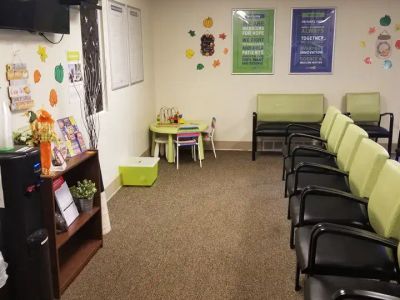
CleanSlate Outpatient Addiction Medicine Merrillville
Merrillville, Indiana
8601 Connecticut St, Merrillville, IN 46410
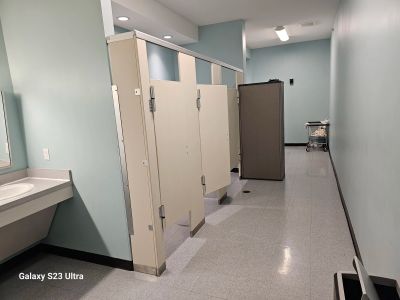
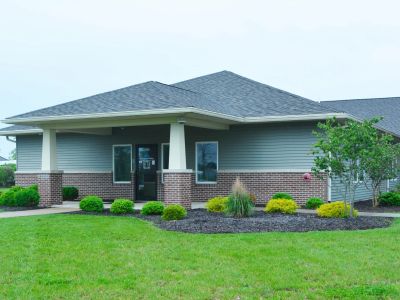

Pinnacle Treatment Centers - Cambridge City
Cambridge City, Indiana
2060 State Road 1 North, Cambridge City, IN, 47327
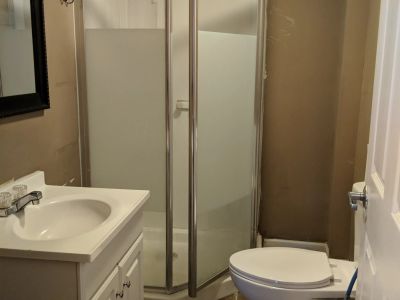

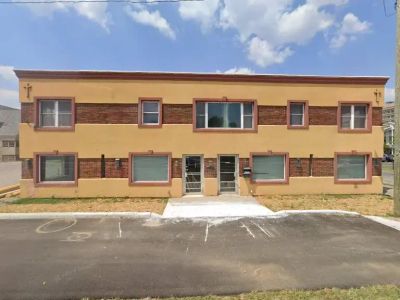
Oxford House - Indy
Indianapolis, Indiana
5126 East 76th Street Center, Indianapolis, IN, 46205
Northeastern Center - LaGrange County Outpatient
Lagrange, Indiana
2155 N State Rd 9, Lagrange, IN 46761
Oxford House - Mariposa
New Albany, Indiana
613 Roseview Terrace, New Albany, IN 47150
Oxford House - Emory
Evansville, Indiana
305 S. Saint James Blvd, Evansville, IN 47714
Oxford House - Luca
Columbus, Indiana
2086 Pinewood Dr, Columbus, IN 47203
Oxford House - Moxie
Columbus, Indiana
3715 Sioux Trail, Columbus, IN 47203
Oxford House - Forest Trails
Jeffersonville, Indiana
78 Forest Drive, Jeffersonville, IN 47130
Oxford House - Kiyo
Evansville, Indiana
1033 S Burkhardt Rd, Evansville, IN 47715
Oxford House - Creedence
Jeffersonville, Indiana
3120 Gardner Blvd, Jeffersonville, IN 47130
Oxford House - Kairo
Lafayette, Indiana
3277 S. 9th Street, Lafayette, IN 47909
Oxford House - Knox
Greendale, Indiana
1145 Ridge Ave, Greendale, IN 47025
Oxford House - Lennon
Columbus, Indiana
1670 South Drive, Columbus, IN 47203
Oxford House - Northaven
Jeffersonville, Indiana
1710 Northaven Ct, Jeffersonville, IN 47130
Why Trust Indiana Rehabs
As Hoosiers helping Hoosiers, we understand the unique challenges our communities face. Our team meticulously verifies every Indiana treatment center, ensuring you find trusted, local care that truly understands your journey.
About our listingsLevels of Care
Explore popular treatment options by levels of care, from flexible treatment in Outpatient centers to intensive care in Residential rehabs.
Free · 24/7 · Confidential
Talk to a Treatment Specialist
Call now to get matched with Indiana facilities that accept your insurance.
(888) 568-9930
Free
Ins. check
4.9★
Rating
HIPAA
Protected
Can't travel to a facility?
Licensed Indiana therapists via secure video — same-week appointments, evenings & weekends available.
For generations, healing in Native American communities has grown from tradition, spirit, and the strength found in connection. When addiction creates a painful gap between who you are and where you from, you might wonder where you can turn to find that sense of belonging and resilience again. The truth is, healing doesn’t have to mean leaving your culture behind, there are places right here in Indiana where evidence-based care and sacred traditions walk side by side, ready to help you reclaim your path forward.
Substance Abuse in Native Americans: Statistics
Talking about numbers can feel cold, but they help us understand the size of the challenge many communities are facing. These statistics aren't a reflection on the strength or spirit of Native American people; they are the result of deep, systemic issues that have affected families for generations. For American Indians and Alaska Natives, the rates of substance abuse and mental health conditions are higher than in the general population[1]. Nearly 20% of native adults need treatment for a substance use disorder, but only about 12% receive the care they need[2].
This gap is often widened by other challenges. The poverty rate for Native Americans is high at 26.6%, and around 21% don't have health insurance. When basic needs are a struggle, finding a path to recovery can feel even harder. The connection between mental health and substance use is also critical. Tragically, suicide is the 9th leading cause of death among American Indian and Alaska Native people, which shows just how urgent it is to find healing that addresses both the spirit and the mind. It’s a sign that the pain is deep, and the need for culturally-aware support is great.
Risk Factors for Substance Abuse
The reasons behind substance abuse are complex and deeply rooted in history. One of the most significant risk factors is historical and intergenerational trauma. For centuries, policies like forced assimilation and the trauma of residential boarding schools were designed to sever cultural ties, and the grief from that experience has been passed down through families. This collective wound can create a cycle of pain that makes people more vulnerable to using substances as a way to cope.
On top of this, many face tough socio-economic challenges every day. The unemployment rate for Native Americans is often higher than the national average, and difficulties with stable housing or reliable transportation create constant stress. These aren't just practical problems; they are heavy burdens that can make the path to wellness feel steep and overwhelming. Understanding these risk factors isn't about placing blame, it's about seeing the full picture with compassion.
Native American Substance Abuse: Barriers to Treatment
Even when someone is ready to ask for help, finding it can be difficult. A major barrier is that care isn't always close to home. Less than 30% of Native Americans live on reservations, which means most people in urban or rural areas of Indiana may struggle to access services from the Indian Health Service (IHS). These facilities are often the primary source of culturally specific care, but they can be miles away.
Another obstacle is the lack of culturally competent care in mainstream treatment centers. When providers don't understand the history, values, and traditions of Native communities, it can lead to mistrust and make it hard to feel safe and understood. Practical issues also stand in the way. Many families struggle with a lack of health insurance, and the IHS itself is often underfunded, limiting the services it can provide. Simply getting to an appointment can be a challenge without reliable transportation. These barriers combined can make seeking treatment feel like an uphill battle.
Native American Rehab Programs
True healing happens when you feel seen, respected, and understood. That’s what culturally responsive Native American rehab programs aim to provide. These programs are special because they don’t ask you to choose between modern treatment and your heritage. Instead, they blend evidence-based clinical practices, like cognitive behavioral therapy (CBT) and individual counseling, with traditional, holistic healing methods that have been passed down for generations[3].
A core part of this approach is often inspired by the Wellbriety movement, a path to recovery rooted in Native American cultural and spiritual teachings. Developed by White Bison, Inc., Wellbriety means being both sober and well in every aspect of life, mind, body, spirit, and community. It’s about more than just stopping substance use; it’s about reclaiming your identity, strengthening your connection to your culture, and walking a balanced path. The ultimate goal of these programs is to offer a space where you can heal completely, honoring where you come from while building a strong foundation for your future.
Treatment for Generational Trauma
Culturally-competent programs are uniquely able to address the deep wounds of generational trauma because they understand that some pain isn't just personal, it's shared. Instead of focusing only on individual behaviors, these programs create a space to heal collective grief. This is often done through practices that build connection and understanding.
Healing circles, for example, allow people to share their experiences in a safe, supportive environment where everyone is seen as equal. Storytelling becomes a powerful tool, helping individuals make sense of their own lives within the larger story of their people. Guidance from elders provides wisdom and a connection to the resilience of ancestors who faced their own struggles. By embracing these traditions, you can begin to process historical trauma, build a stronger sense of self, and break the cycle of substance abuse for yourself and for future generations.
Cultural Practices for Native American Recovery
In Native American recovery programs, healing is an active, spiritual journey that involves time-honored traditions. These cultural practices are not just add-ons; they are central to the treatment process. They help cleanse the spirit, build community, and restore balance. Some of the practices you might find include:
- Sweat lodge ceremonies: These ceremonies are used for prayer and purification, helping to cleanse the body and spirit in a deeply sacred space.
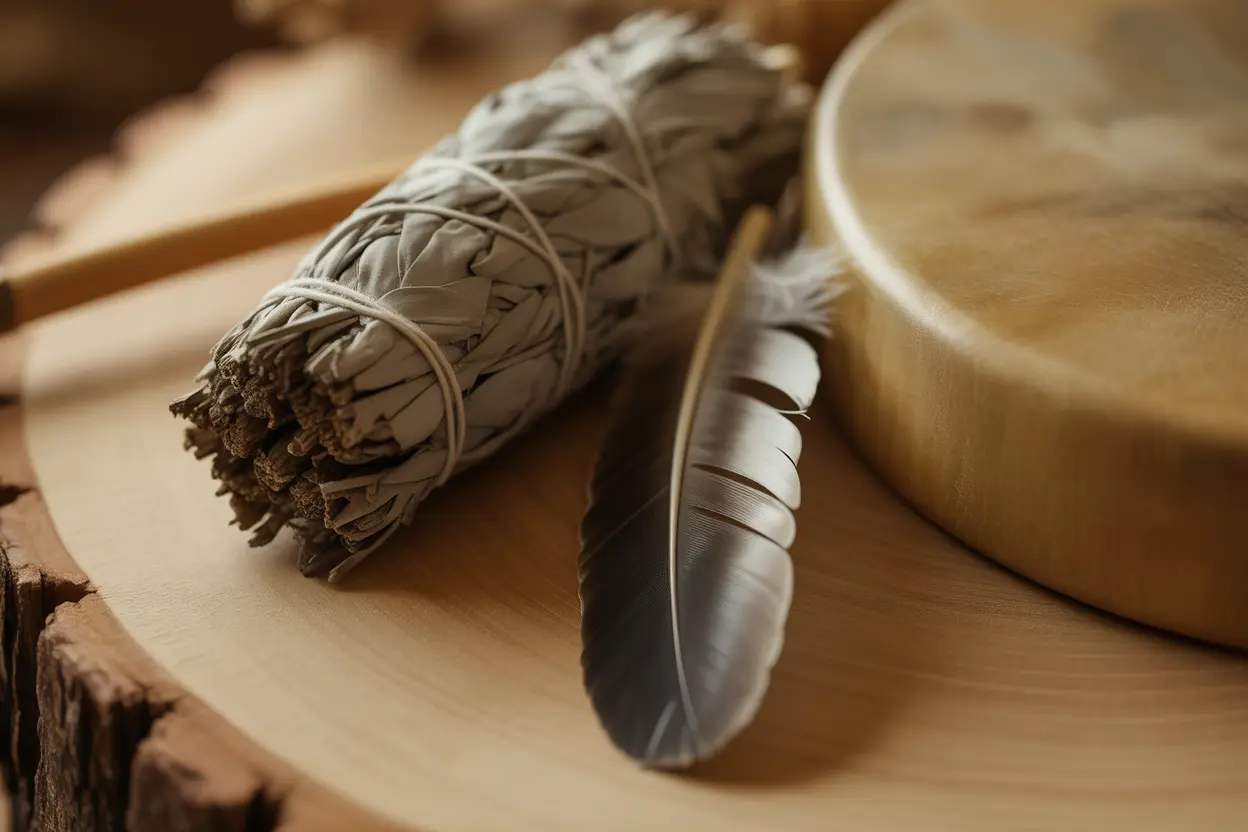
- Smudging: This is the practice of burning sage or other sacred herbs to purify a person or a place, clearing away negative energy to make room for healing. li>Talking circles: In a talking circle, everyone has a chance to speak without interruption, fostering a sense of community, respect, and shared understanding.
- Drum circles and traditional songs: The rhythm of the drum is often called the heartbeat of the people. Drumming and singing can be a powerful way to connect with culture, spirit, and emotion.
- Medicine Wheel teachings: The Medicine Wheel teaches about balance in all four parts of life, the spiritual, mental, emotional, and physical, offering a guide for holistic wellness.
Each of these ceremonies and practices helps individuals reconnect with their cultural identity, which is a powerful source of strength in the recovery journey.
Drug and Alcohol Treatment Considerations
Finding the right kind of support is a personal decision, and it’s helpful to know what your options are. Addiction treatment isn't one-size-fits-all, so different levels of care are available to match what you need right now[4]. Whether you need around-the-clock support or a program that fits around your daily life, there is a path that can work for you. Questions like "Can I have a private room?" or "Are the programs co-ed?" are common, and the answers usually vary from one facility to another. The best way to know for sure is to call and ask directly. The most important thing is to find a program that feels safe and supportive for your unique journey.
Residential Inpatient Treatment Centers
Residential or inpatient treatment offers an immersive healing experience with 24/7 support. This level of care is ideal if you need a safe space away from the triggers and stresses of your everyday environment. Living at the facility allows you to focus completely on your recovery without distractions. In culturally-specific inpatient centers, traditions are woven into the fabric of daily life. It’s not just something you do in a therapy session; it's part of the community meals, the morning routines, and the overall spirit of the house. This creates a powerful, structured, and sober living environment where you can build a strong foundation for your recovery.
Dual Diagnosis Treatment Programs
Sometimes, substance use is intertwined with other challenges like depression, anxiety, or post-traumatic stress disorder (PTSD). When you’re dealing with both a substance use disorder and a mental health condition, it’s called a dual diagnosis or co-occurring disorders. For healing to last, it's crucial to treat both at the same time[5]. Dual diagnosis treatment programs provide this kind of integrated care, with therapists who understand how these conditions affect each other. For many Native Americans, effective dual diagnosis treatment includes trauma-informed care, which acknowledges the role that past trauma plays in both addiction and mental health and creates a safe space to heal those wounds.
How to Find the Best Native American Rehab Near Me
When you're ready to find help, you deserve to connect with a program that is safe, respectful, and effective. Unfortunately, there are predatory organizations that target Native Americans, so it’s important to be cautious. One of the best first steps is to contact trusted sources for referrals. Organizations like the Indian Health Service or local tribal groups in Indiana can often point you toward reputable programs.
When you look at a specific facility, check for official certifications. Accreditations from organizations like the Commission on Accreditation of Rehabilitation Facilities (CARF) or The Joint Commission are good signs of quality care. For culturally specific programs, look for a "Wellbriety Certified" credential, which shows a commitment to Native American healing principles. Always trust your gut. If something feels off, it probably is.
Warning: Watch Out for Rehab Scams
Be careful of predatory rehabs that make unrealistic promises. Here are a few red flags to watch for:
- Unsolicited offers: Be wary if someone contacts you out of the blue on social media or in person offering treatment.
- Promises of free travel or housing: Legitimate centers don't typically use these tactics to lure you in.
- High-pressure sales pitches: You should never feel rushed or pressured into making a decision about your health.
- Vague answers: If they can't give you clear information about their program, staff credentials, or treatment methods, be cautious.
Affordable Rehab Treatment
Concerns about cost should never be a barrier to getting the help you deserve. There are several ways to make treatment more affordable. Many rehab facilities accept private health insurance, Medicaid, or Medicare to cover the cost of care. In Indiana, Native Americans are able to access fee-for-service Medicaid, which can help pay for services[6]. While some states have expanded Medicaid to cover traditional healing practices, Indiana has not yet taken that step[7].
The Indian Health Service (IHS) also provides services, though funding can sometimes be limited, and it may be hard to access care if you don't live on a reservation. The best approach is to call treatment centers directly. Ask them about your payment options. Many have staff who can help you understand your insurance benefits or discuss other possibilities like sliding-scale fees based on your income, payment plans, or grants.
Find treatment centers near you
Your journey to recovery is a powerful act of reconnecting, with yourself, with your community, and with the strength of your culture. You don’t have to walk this path alone. There are programs right here in Indiana that honor your heritage and combine traditional values with proven, modern treatment to help you heal completely. Embracing this support is a step toward building a future filled with balance, wellness, and hope. You have the resilience of generations within you, and help is here to guide you forward.
When you're ready, we're here to help you find your way. You can explore a directory of treatment centers in Indiana to find a place that feels right for you. For immediate, confidential support, please call us at (888) 568-9930. A compassionate care advocate is available 24/7 to listen and help you take the next step. Let us at Indiana Rehabs help you connect with the care you deserve. You can also contact us online to start your journey.
Frequently Asked Questions About Native American Rehab in Indiana
What is "Wellbriety"?
Does Indiana Medicaid cover traditional healing practices for addiction?
What if there are no Native American-specific rehabs near me in Indiana?
Can my family be involved in my treatment?
Do I have to be spiritual to attend a Native American rehab program?
- Center for Mental Health in Schools at UCLA. (2025). Addressing the needs of the Native American community. UCLA School Mental Health Project. smhp.psych.ucla.edu
- Gularz, P., & Varacallo, M. (2024). Alcohol and Substance Abuse Evaluation and Treatment in American Indians and Alaska Natives. StatPearls Publishing. ncbi.nlm.nih.gov
- Harfield, S. G., et al. (2022). Culturally tailored substance use interventions for Indigenous peoples: A scoping review protocol. Systematic Reviews. pmc.ncbi.nlm.nih.gov
- Substance Abuse and Mental Health Services Administration. (2019). National Survey of Substance Abuse Treatment Services (N-SSATS): Indiana. SAMHSA. samhsa.gov
- Medicaid.gov. (2023). T-MSIS Substance Use Disorder (SUD) Data Book. U.S. Centers for Medicare & Medicaid Services. medicaid.gov
- Indiana Family and Social Services Administration. (06-17-2022). 2022 IHCP Quality Strategy Plan. State of Indiana. in.gov
- Center for Health Care Strategies. (10-16-2024). CMS-approved waivers break new ground for Medicaid coverage of AI/AN traditional health care practices. Center for Health Care Strategies. chcs.org