12-Step Rehab Programs

Showing 20 of 28 Results (filtered)
Featured Rehab Centers
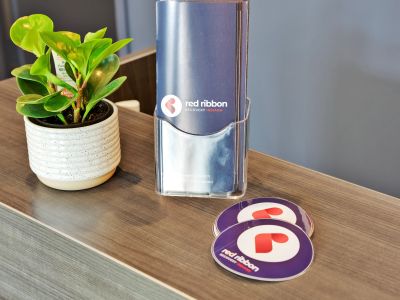

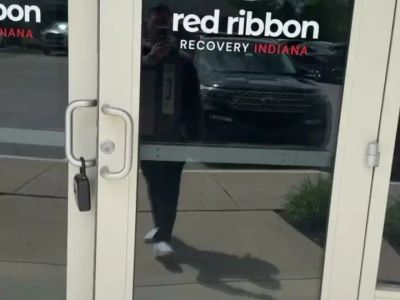
1411 W County Line Rd, Suite 1411A, Greenwood, IN 46142
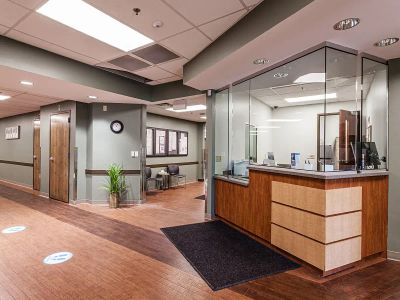
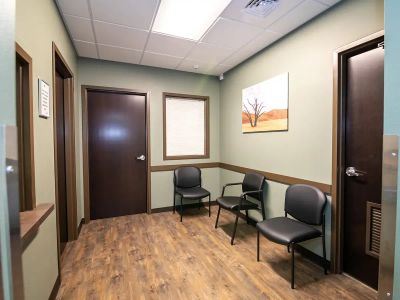
Comprehensive Treatment Centers - Evansville
Evansville, Indiana
1510 West Franklin Street, Evansville, IN 47710
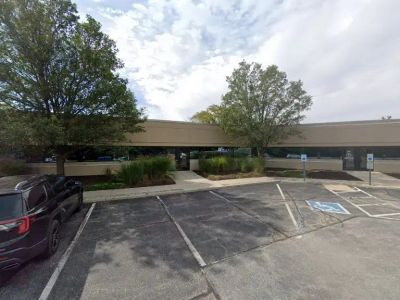
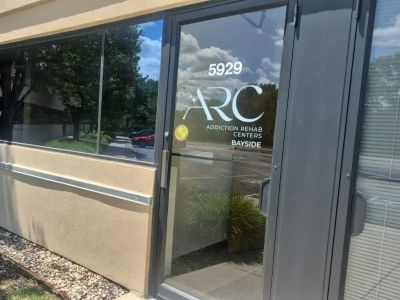
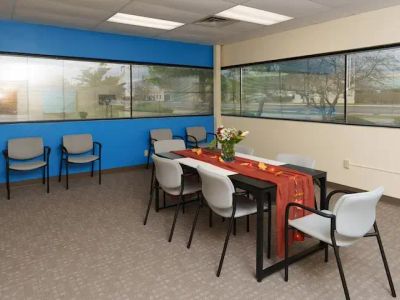
Addiction Rehab Centers - ARC At Bayside | Indianapolis Drug & Alcohol Rehab
Indianapolis, Indiana
5929 Lakeside Blvd, Indianapolis, IN 46278
Get Personalized Rehab Matches in 60 Seconds
Tell us a few details and we’ll show a personalized shortlist of verified Indiana rehabs, making it simple to compare options and choose your next step with confidence.

Addiction Rehab Centers - ARC at Fox Hill | Drug & Alcohol Rehab - Mooresville Indiana
Mooresville, Indiana
12168 N Mann Rd, Mooresville, IN 46158
Centerstone - New Castle
New Castle, Indiana
3221 S Memorial Dr, New Castle, IN 47362
Fort Wayne Recovery
Fort Wayne, Indiana
310 E Dupont Rd, Fort Wayne, IN 46825

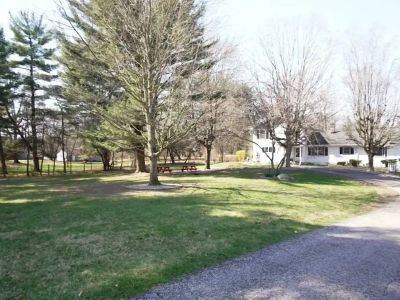

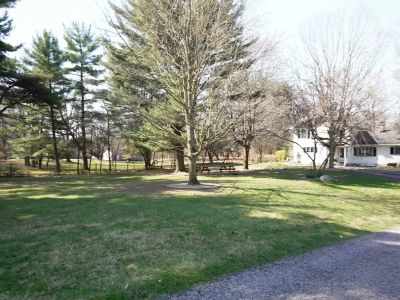
Addiction Rehab Centers - ARC | Drug & Alcohol Rehab - Addiction Treatment in Indianapolis, IN
Indianapolis, Indiana
7322 Noel Rd, Indianapolis, IN 46278
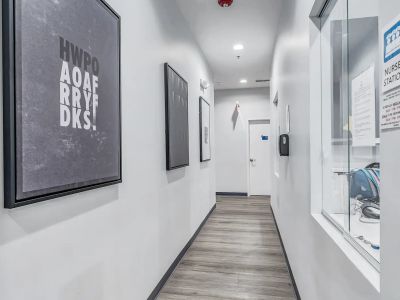
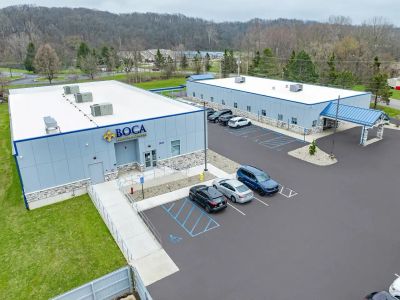
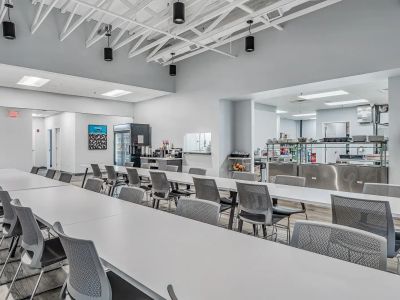
Boca Recovery Center - Fort Wayne, Indiana
Fort Wayne, Indiana
111 W Berry St #211, Fort Wayne, IN 46802
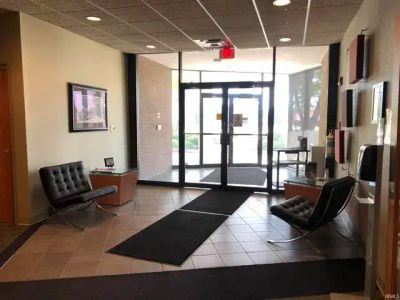
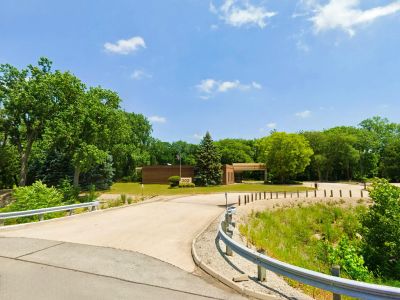
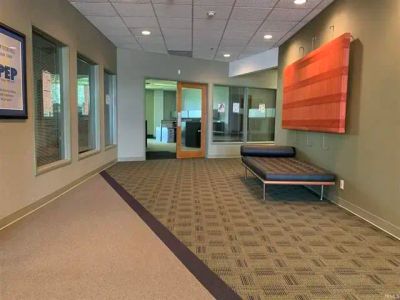
Restored Life Continuum of Care
Kokomo, Indiana
302 S Reed Rd, Kokomo, IN 46901
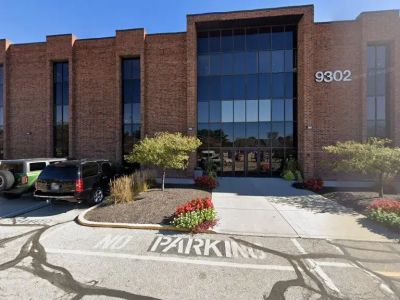

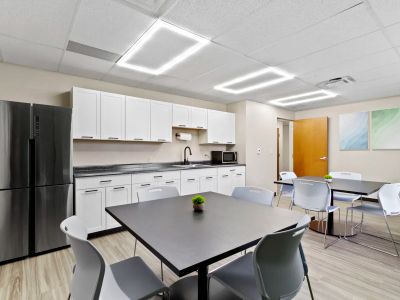
Spark Recovery - Outpatient Drug Addiction Treatment Indianapolis
Indianapolis, Indiana
9302 N Meridian St Ste 101, Indianapolis, IN 46260
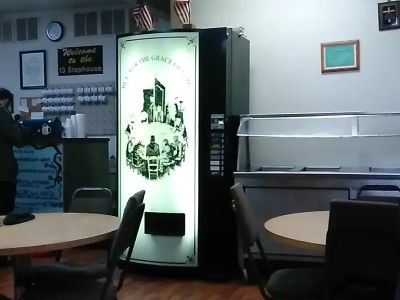
The Thirteen Step House
Fort Wayne, Indiana
1317 W Washington Blvd, Fort Wayne, IN, 46802
Boca Recovery Center - Indiana Drug and Alcohol Rehab
Huntington, Indiana
3040 W Park Dr, Huntington, IN 46750
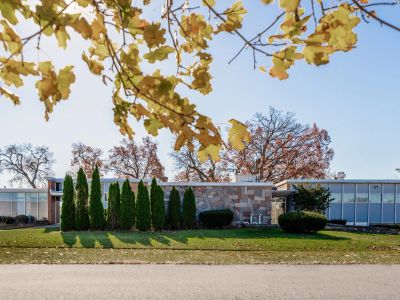

Cardinal Recovery
Franklin, Indiana
1130 West Jefferson St, Franklin, IN, 46131



Elevate Recovery
Kokomo, Indiana
209 N Webster St, Kokomo, IN 46901
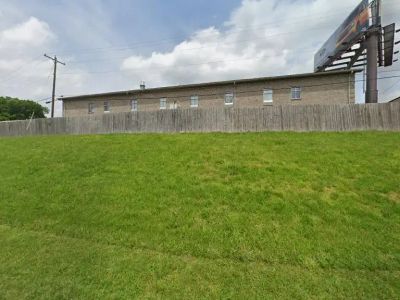

Serenity House Inc
Clarksville, Indiana
200 Homestead Ave, Clarksville, IN 47129


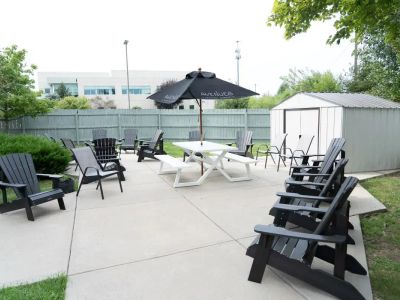
Avenues Recovery Center at Indianapolis
Indianapolis, Indiana
7960 Shadeland Ave, Indianapolis, IN 46250


House of Hope of Madison County
Anderson, Indiana
902 High street, Anderson, IN, 46012
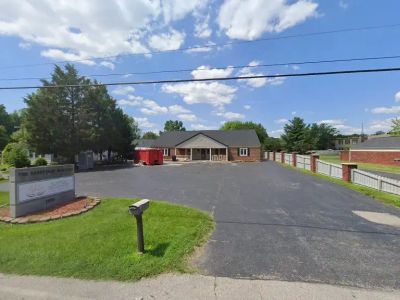
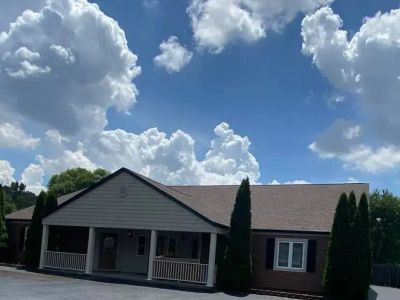
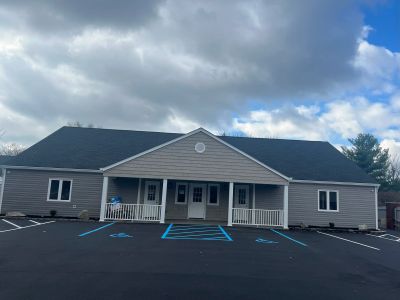
Sunrise Recovery - Drug and Alcohol Outpatient Rehab in Jeffersonville
Jeffersonville, Indiana
1505 Allison Ln, Jeffersonville, IN 47130

215 North Rogers Street, Bloomington, IN 47404
Why Trust Indiana Rehabs
As Hoosiers helping Hoosiers, we understand the unique challenges our communities face. Our team meticulously verifies every Indiana treatment center, ensuring you find trusted, local care that truly understands your journey.
About our listingsLevels of Care
Explore popular treatment options by levels of care, from flexible treatment in Outpatient centers to intensive care in Residential rehabs.
Nearly half of all treatment centers in the U.S. rely on some form of the 12-step model, which might come as a surprise when you’re just beginning to explore your options. If you’re feeling uncertain about what these meetings really involve, you’re in good company, this path has been walked by countless others right here in Indiana, each bringing their own hopes and doubts to the journey. Understanding what lies at the heart of the 12-step approach, and knowing what alternatives exist, can be the key to finding a recovery path that truly fits who you are and where you want to go.

What Are 12 Step Programs?
When you first hear about 12-step programs, it’s easy to picture them as a strict set of rules or even a type of therapy. But at their core, they’re something much more human: a set of guiding principles for recovery, shared among peers who understand the journey of addiction firsthand. Think of it less as a clinical treatment and more as a supportive fellowship. The entire program is built on the idea that people with shared experiences can support one another in a way that no one else can.
This approach has become a cornerstone of addiction recovery, with well-known groups like Alcoholics Anonymous (AA) and Narcotics Anonymous (NA) leading the way. The goal isn’t just to stop using a substance; it’s to foster a complete change in perspective and lifestyle, one day at a time. It’s no wonder that these models are used by nearly half of all treatment centers in the country[1]. They provide a ready-made community and a clear path for people navigating the often-lonely road of recovery. The focus is on mutual support, honesty, and the shared goal of achieving and maintaining abstinence from addiction.
The 12 Steps Of Alcoholics Anonymous
The heart of the 12-step model is, of course, the steps themselves. Originally published by Alcoholics Anonymous, these steps are a suggested guide for personal and spiritual growth. They’re not rules you have to follow perfectly, but rather a gentle framework for self-reflection and healing. While they mention a "higher power," it's important to know this concept is deeply personal. For some, it’s God; for others, it might be the recovery group itself, the natural world, or an inner sense of strength. The journey is yours to define.
Here are the 12 Steps of Alcoholics Anonymous as they were originally written:
- Step 1: We admitted we were powerless over alcohol, that our lives had become unmanageable. This is the starting point, acknowledging that the problem is bigger than you and that you need help.
- Step 2: Came to believe that a Power greater than ourselves could restore us to sanity. This step is about finding hope and believing that recovery is possible, whatever that source of hope looks like for you.
- Step 3: Made a decision to turn our will and our lives over to the care of God as we understood Him. This means letting go of the need to control everything and trusting in your chosen higher power to guide you.
- Step 4: Made a searching and fearless moral inventory of ourselves. This is an opportunity for honest self-reflection, looking at your past actions and behaviors without judgment.
- Step 5: Admitted to God, to ourselves, and to another human being the exact nature of our wrongs. Sharing your inventory with a trusted person can lift a heavy burden and break the cycle of isolation.
- Step 6: Were entirely ready to have God remove all these defects of character. This step is about becoming willing to let go of the behaviors that have been holding you back.
- Step 7: Humbly asked Him to remove our shortcomings. This is the act of asking for help in changing, embracing humility in the process.
- Step 8: Made a list of all persons we had harmed, and became willing to make amends to them all. This begins the process of repairing relationships by acknowledging past harms.
- Step 9: Made direct amends to such people wherever possible, except when to do so would injure them or others. Taking responsibility through action, this step is about making things right where you can.
- Step 10: Continued to take personal inventory and when we were wrong promptly admitted it. Recovery is a continuous journey. This step encourages ongoing self-awareness and accountability.
- Step 11: Sought through prayer and meditation to improve our conscious contact with God as we understood Him, praying only for knowledge of His will for us and the power to carry that out. This is about deepening your spiritual connection in whatever way feels right for you.
- Step 12: Having had a spiritual awakening as the result of these steps, we tried to carry this message to alcoholics, and to practice these principles in all our affairs. The final step focuses on helping others and living out the principles of the program in everyday life.
How Do 12-Step Recovery Programs Work?
Participating in a 12-step program is about connection and shared experience. It’s not a class you attend, but a community you join. At the heart of this community is the concept of meetings, which are regular gatherings where members can share their struggles and successes in a safe, confidential space. There are different types of meetings you can attend. For example, open meetings are available to anyone interested in learning about the program, while closed meetings are reserved for members only, creating a more intimate setting for sharing.

A crucial part of the process for many is finding a sponsor. A sponsor is someone who has more experience in recovery and has already worked through the 12 steps. They act as a mentor, offering guidance, support, and a listening ear. This one-on-one relationship can be incredibly valuable, providing personal support from someone who truly gets it. The entire structure of 12-step groups is designed to break down the isolation that so often comes with addiction. Through regular participation and attendance, you build a network of peers who are all working toward the same goal: a healthier, substance-free life. It’s this sense of belonging and mutual accountability that makes the program work.
What's the Difference Between 12-Step & Non 12-Step Recovery Programs?
Choosing a recovery path is a deeply personal decision, and what works for one person may not be the right fit for another. The biggest difference between 12-step and non-12-step programs lies in their core philosophy. 12-step models are built on the concept of admitting powerlessness over addiction and turning to a higher power for strength. In contrast, non-12-step programs emphasize self-empowerment and teach practical, science-backed skills to manage cravings and triggers.
Alternatives like SMART Recovery, for instance, use tools from cognitive-behavioral therapy (CBT) to help you challenge and change the thought patterns that lead to substance use. Other evidence-based therapies like dialectical behavior therapy (DBT) are also common in non-12-step settings. The choice isn't about which one is "better" but about which approach aligns with your personal beliefs and needs. Many people feel that a spiritual framework is helpful, while others prefer a more secular, psychological approach. In Indiana, many facilities recognize this and offer a range of evidence-based practices alongside traditional models[2].
| Feature | 12-Step Programs (e.g., AA, NA) | Non-12-Step Programs (e.g., SMART Recovery) |
|---|---|---|
| Core Philosophy | Focus: Surrender and acceptance of powerlessness over addiction. | Focus: Self-empowerment, personal responsibility, and building self-reliance. |
| Higher Power | Role: Central concept; reliance on a higher power (as personally understood) for guidance and strength. | Role: Not a component; focus is on internal strength and evidence-based techniques. |
| Abstinence | Goal: Total abstinence is typically the primary and only goal. | Goal: Abstinence is often the goal, but harm reduction may also be supported. |
| Approach | Method: Based on spiritual principles and peer support through fellowship and sponsorship. | Method: Uses psychological and scientific tools from therapies like CBT and motivational interviewing. |
| Community | Structure: Strong emphasis on fellowship, sponsors, and regular meeting attendance. | Structure: Peer support is important, but there is less emphasis on formal sponsorship. |
Who Uses the 12-Step Recovery Model?
People who find success in the 12-step recovery model often appreciate its structure and the strong sense of community it provides. If you benefit from clear guidelines and the accountability that comes from being part of a fellowship, this model can feel like a perfect fit. It’s particularly helpful for those who are comfortable with, or open to, exploring a spiritual dimension to their recovery. The shared stories and collective wisdom within these groups can create a powerful sense of hope and belonging.
While anyone can join, research shows that participation is common across a wide range of people from different backgrounds[3]. The welcoming nature of these groups means that whether you're in a big city or a small town in Indiana, you’re likely to find people who understand what you're going through. The only requirement for membership is a desire to stop drinking or using.
Who Uses Non 12-Step Recovery Programs?
Non-12-step recovery programs often appeal to individuals who prefer a secular or scientific approach to healing. If you’re looking for practical, evidence-based tools to manage your thoughts and behaviors, you might find these programs very effective. They focus on building self-reliance and teaching you how to become your own agent of change. This approach can be empowering for those who are uncomfortable with the spiritual language of 12-step programs or the idea of surrendering control.
These programs can also be especially beneficial for people with dual diagnoses, where a substance use disorder co-occurs with a mental health condition like anxiety or depression. Therapies like cognitive-behavioral therapy (CBT), a cornerstone of many non-12-step models, are designed to address the underlying psychological patterns that contribute to both issues. For those seeking a path rooted in psychology and personal empowerment, a program like the SMART Recovery alternative can provide a strong foundation for lasting change.
Finding 12-Step Treatment Programs in Indiana
Taking the step to find help is a courageous decision, and here in Indiana, you have many options. Many treatment centers incorporate 12-step facilitation into their clinical programs, offering a blend of professional therapy and peer support. When you’re looking for the right facility, it’s helpful to know what questions to ask. A good starting point is to inquire how they integrate the 12 steps with other therapies, what qualifications their staff hold, and how they support individuals who may also be dealing with mental health challenges.

It's important that any addiction treatment program you consider is properly licensed and accredited by the state. This ensures they meet high standards for safety and quality of care[4]. Using a trusted resource like a directory can help you filter through the options and find licensed treatment facilities in your area. If you’re feeling overwhelmed by the search, remember that you don't have to do this alone. An admissions specialist can walk you through the process, answer your questions, and help you find a program that feels right for you.
Taking the Next Step in Your Recovery Journey
Ultimately, the best recovery program is the one that resonates with you. Whether it’s the community and spiritual principles of a 12-step program or the evidence-based tools of a non-12-step approach, what matters most is that you find a path that feels authentic to your beliefs, needs, and goals. Recovery is not one-size-fits-all. Making an informed choice is a powerful and hopeful first step toward a new beginning.
Remember, this is a personal journey, and you have the strength to walk it. Lasting recovery is not just a possibility; it’s something people achieve every single day. If you’re ready to take that next step, help is available right now. You can explore different treatment options, learn more about the admissions process, or speak with someone who understands. Reaching out is a sign of strength.
At Indiana Rehabs, we're here to help you navigate your options and find the support you deserve. You can call us anytime at (888) 568-9930 or contact us online to start the conversation. You don’t have to figure this out on your own.
Frequently Asked Questions About 12-Step Programs in Indiana
Do I have to be religious to join a 12-step program?
What happens at a typical 12-step meeting?
Are 12-step meetings the only option for recovery in Indiana?
What is a sponsor in a 12-step program?
How do I find a 12-step meeting in Indiana?
- Substance Abuse and Mental Health Services Administration. (2021). National Survey of Substance Abuse Treatment Services (N-SSATS): 2020. SAMHSA. samhsa.gov
- Substance Abuse and Mental Health Services Administration. (2020). National Survey of Substance Abuse Treatment Services (N-SSATS): 2019 Data for Indiana. SAMHSA. samhsa.gov
- Westerberg, V., Johnson, S. K., & Greenfield, T. G. (2024). Prevalence and correlates of 12-step and second-wave mutual-help organization attendance in a U.S. nationally representative sample. BMC Public Health. pmc.ncbi.nlm.nih.gov
- Indiana FSSA, DMHA. (04-02-2024). Addiction Services Regular Certification. Indiana Family and Social Services Administration. in.gov