Abstinence Oriented Rehab Programs

Showing 20 of 111 Results (filtered)
Featured Rehab Centers

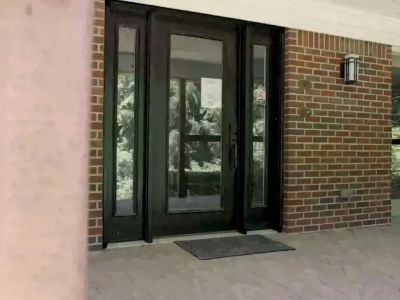
Addiction Rehab Centers - ARC at Fox Hill | Drug & Alcohol Rehab - Mooresville Indiana
Mooresville, Indiana
12168 N Mann Rd, Mooresville, IN 46158

Addictions Recovery Centers - South Bend
South Bend, Indiana
2012 Ironwood Circle, South Bend, IN, 46635
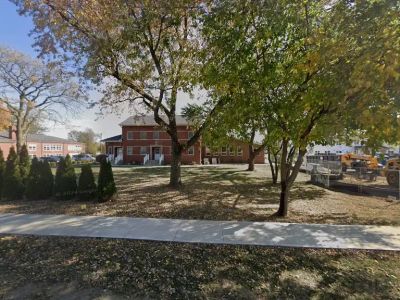

Seeds of Hope
Indianapolis, Indiana
1425 South Mickey Avenue, Indianapolis, IN, 46241
Get Personalized Rehab Matches in 60 Seconds
Tell us a few details and we’ll show a personalized shortlist of verified Indiana rehabs, making it simple to compare options and choose your next step with confidence.


Boca Recovery Center - Indiana Drug and Alcohol Rehab
Huntington, Indiana
3040 W Park Dr, Huntington, IN 46750
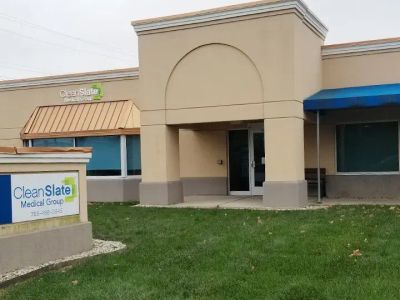
CleanSlate Outpatient Addiction Medicine
Richmond, Indiana
2302 Chester Blvd A, Richmond, IN 47374



Avenues Recovery Center at Indianapolis
Indianapolis, Indiana
7960 Shadeland Ave, Indianapolis, IN 46250

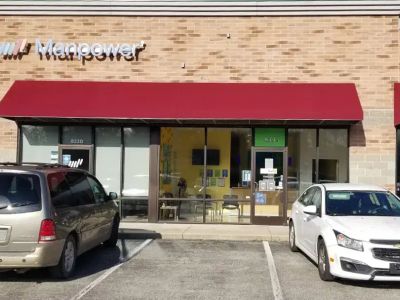
CleanSlate Outpatient Addiction Medicine
Greencastle, Indiana
833 Indianapolis Rd Suite E, Greencastle, IN 46135


Amethyst House - Outpatient and Administrative Offices
Bloomington, Indiana
645 North Walnut Street, Bloomington, IN 47404
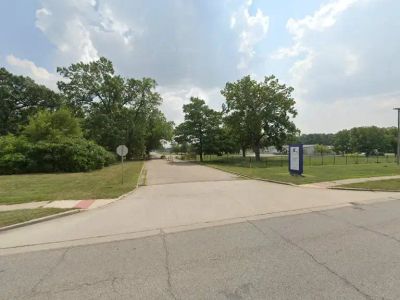


Adult and Teen Challenge Northern Indiana
Elkhart, Indiana
1111 W Bristol St, Elkhart, IN 46514



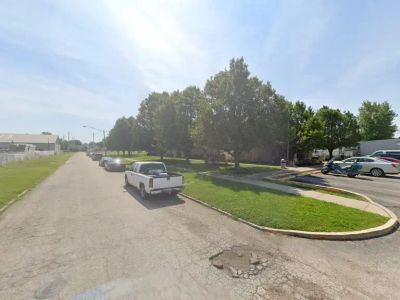
Recovery Centers of America at Indianapolis
Indianapolis, Indiana
8530 Township Line Rd, Indianapolis, IN 46260
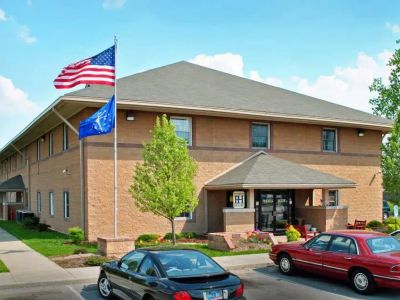

Aspire Indiana Health - Progress House
Indianapolis, Indiana
201 Shelby St., Indianapolis, IN, 46202

The Way of Rockport Indiana
Rockport, Indiana
317 Main Street, Rockport, IN, 47635
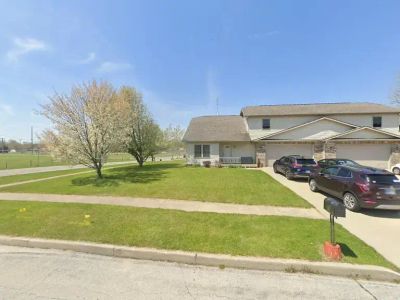
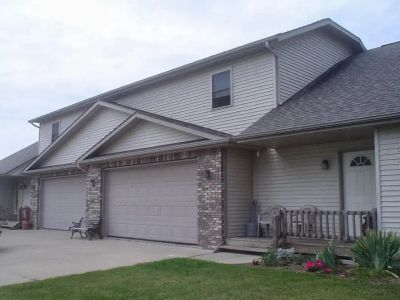

Women in Transition
Angola, Indiana
412 South John Street, Angola, IN, 46703
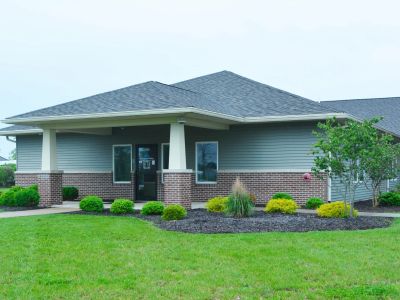

Pinnacle Treatment Centers - Cambridge City
Cambridge City, Indiana
2060 State Road 1 North, Cambridge City, IN, 47327
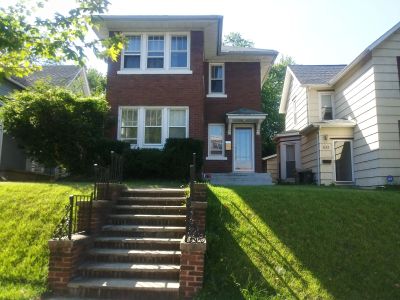


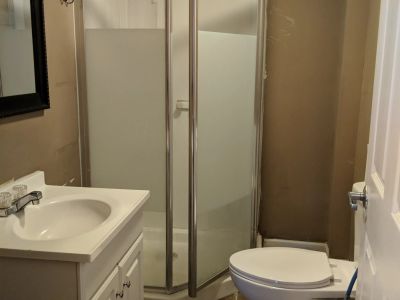
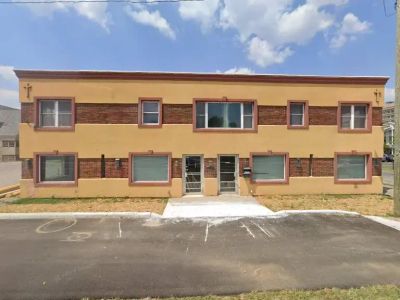
Oxford House - Emyla
South Bend, Indiana
631 North Lafayette Boulevard, South Bend, IN, 46601

Oxford House - Indy
Indianapolis, Indiana
5126 East 76th Street Center, Indianapolis, IN, 46205
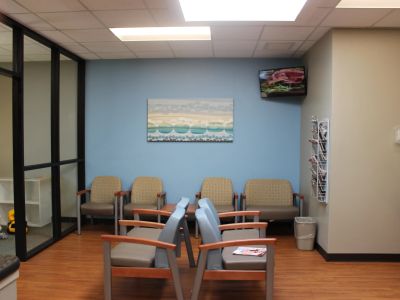
Southwestern Behavioral Healthcare - Dennis N. Moran Center
Evansville, Indiana
60 South stockwell Road, Evansville, IN, 47714
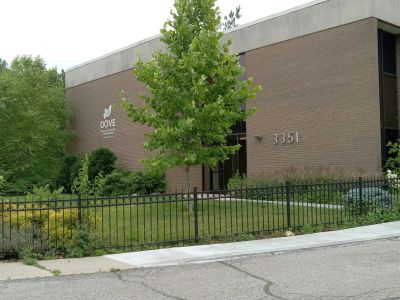
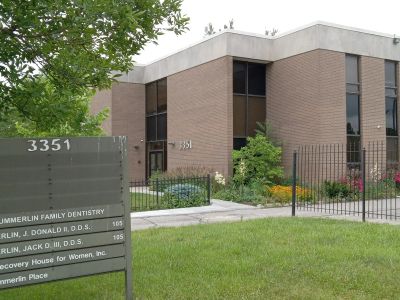
Dove Recovery House for Women
Indianapolis, Indiana
3351 N Meridian St #110, Indianapolis, IN 46208
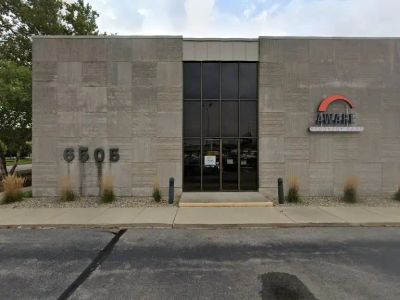
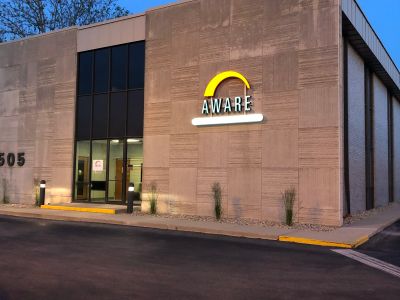
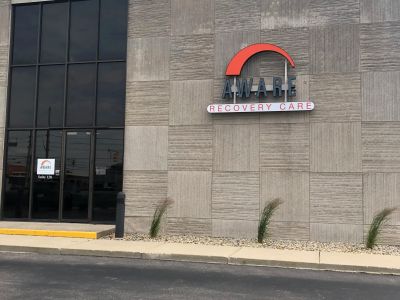
Aware Recovery Care
Indianapolis, Indiana
6505 E 82nd St, Indianapolis, IN 46250
Addictions Recovery Centers - Elkhart
Elkhart, Indiana
204 South Main street, Elkhart, IN, 46516
Why Trust Indiana Rehabs
As Hoosiers helping Hoosiers, we understand the unique challenges our communities face. Our team meticulously verifies every Indiana treatment center, ensuring you find trusted, local care that truly understands your journey.
About our listingsLevels of Care
Explore popular treatment options by levels of care, from flexible treatment in Outpatient centers to intensive care in Residential rehabs.
Free · 24/7 · Confidential
Talk to a Treatment Specialist
Call now to get matched with Indiana facilities that accept your insurance.
(888) 568-9930
Free
Ins. check
4.9★
Rating
HIPAA
Protected
Can't travel to a facility?
Licensed Indiana therapists via secure video — same-week appointments, evenings & weekends available.
When you’re finally ready to reach out for help, the flood of choices can make your head spin. You hear about abstinence-based programs and medication-assisted options, but what’s the real difference, and how can you possibly know which direction is right for you? If it feels like standing at a fork in the road without a map, you’re not alone. The secret is, finding recovery begins with understanding what each path truly offers, because knowing the heart of a program is the first piece of finding your way forward in Indiana.

What is Abstinence-Based Addiction Recovery?
At its heart, an abstinence-based recovery model is built on one clear and simple goal: complete freedom from all mood-altering substances. This approach to addiction treatment views sobriety as the essential foundation for building a new life. The philosophy is straightforward, for a person with a substance use disorder, any use of drugs or alcohol can reopen the door to addiction, so the safest and most effective path forward is to stop using them entirely.
This isn't a new idea. The roots of abstinence-oriented treatment run deep, drawing heavily from the principles of 12-step fellowships like Alcoholics Anonymous (AA) and Narcotics Anonymous (NA). These programs pioneered the idea that recovery is a journey of total sobriety, supported by peer connection and personal growth. For decades, this has been the most familiar model for addiction treatment in the United States.
It’s important to understand how this path differs from others you might hear about, like harm reduction or moderation management. While those approaches focus on reducing the negative consequences of substance use, an abstinence-based program defines recovery as not using at all[1]. It's a commitment to a completely substance-free lifestyle, giving individuals the tools and support to navigate life's challenges without turning to drugs or alcohol. For many, this clear boundary is exactly the structure they need to heal and thrive.
Who are Substance-Free Recovery Programmes Suitable For?
Deciding on a treatment path is deeply personal, and what works for one person might not be the right fit for another. Abstinence-oriented rehab programs often resonate with individuals who are looking for a clear, structured path to sobriety. While anyone can benefit from this approach, some people find it particularly well-suited to their goals and circumstances.
You might find an abstinence-based program is the right choice if you:
- Have a strong personal desire for complete sobriety. If your own goal is to live a life entirely free from alcohol and other drugs, this model aligns perfectly with that vision. Your internal motivation is one of the most powerful tools you have in recovery.
- Have tried moderation without success. Many people try to cut back or control their use on their own before seeking help. If you've found that one drink or one use inevitably leads to more, the clear boundaries of an abstinence program can provide the safety and structure you need.
- Are dealing with a severe substance use disorder. For individuals with a significant physical or psychological dependence, attempting to moderate is often not a safe or realistic option. An abstinence model provides a definitive break from the substance.
- Have a supportive and stable home environment. Having a safe, substance-free place to return to after treatment can make all the difference. Family and friends who support your recovery goals are a crucial part of long-term success.
- Are involved with the justice system. For some individuals, sobriety is a legal requirement. Abstinence-based residential treatment has been shown to be effective for justice-involved people, leading to lower rates of re-arrest[2]. In fact, participants in Indiana's treatment court programs were 83% less likely to be re-arrested[3].
If you see yourself in these descriptions, an abstinence-oriented program could offer the clarity and focus you need to build a lasting recovery. It’s about creating a new way of life where you are in control, not the substance.
Treatment Models and Approaches
When you step into an abstinence-oriented rehab, you’re not just stopping substance use; you’re starting to build a whole new set of skills for living. These programs are carefully structured to help you understand the root causes of addiction and develop healthy ways to cope with life's challenges. The goal isn't just to get you sober but to empower you to stay sober.
The treatment is guided by nationally recognized standards of care, ensuring you receive high-quality, evidence-based support[4]. Therapy is the cornerstone of this process. You'll likely participate in a variety of counseling and psychotherapy sessions designed to help you heal and grow. Some of the most common approaches include:
- cognitive behavioral therapy (CBT): This type of therapy helps you identify and change the negative thinking patterns and behaviors that fuel addiction. You'll learn practical skills to manage cravings, avoid triggers, and respond to stressful situations in a healthier way. Learning these skills is a key part of cognitive behavioral therapy.
- dialectical behavior therapy (DBT): DBT is especially helpful for people who struggle with intense emotions. It teaches skills in mindfulness, distress tolerance, emotional regulation, and interpersonal effectiveness. The goal is to help you accept your reality and learn to manage your emotions without turning to substances.
- Group Counseling: There is incredible power in knowing you’re not alone. group therapy provides a safe space to share your experiences with others who truly understand. It’s a place to build connection, gain perspective, and practice new social skills with the support of your peers.
- 12-Step Facilitation: Many programs integrate the principles of 12-step fellowships like AA and NA. This approach introduces you to the concepts of sponsorship, peer support, and working through the steps as a framework for long-term recovery.
These therapies are part of a comprehensive treatment plan that focuses on healing the whole person[5]. By developing strong coping mechanisms and a solid relapse prevention plan, you build a foundation for a life of lasting sobriety.
Goals and Effectiveness of Treatment
The ultimate goal of an abstinence-oriented program is simple: to help you achieve and maintain sobriety. But true recovery is about so much more than just not using substances. It's about rebuilding your life, healing relationships, and finding purpose and joy again. The treatment goals are designed to address your overall well-being, helping you become the person you want to be.

So, how effective is this approach? The truth is, recovery is a journey, not a destination, and success looks different for everyone. Long-term studies show that the longer a person remains abstinent, the greater their chances of staying sober for good. For many, achieving that first year of sobriety is the most challenging hurdle. After that, the odds of sustained recovery increase dramatically.
It's also important to have an honest conversation about relapse. Relapse is not a sign of failure; it’s a common part of the recovery process for many people. It simply means that the treatment plan needs to be adjusted. The high risk of relapse is why a strong aftercare and ongoing support plan is not just an add-on, but an essential component of any good treatment program. This could include ongoing therapy, support group meetings, or living in a sober living environment.
Here in Indiana, we're seeing positive outcomes. The state has seen a 19.2% decline in overdose deaths, which is a testament to the hard work of individuals and treatment providers across our communities[6]. Efforts are also focused on supporting vulnerable populations, such as pregnant individuals, to reduce the rate of Neonatal Abstinence Syndrome[7]. Every success story contributes to healing our state. The key is to stay engaged, be honest about your struggles, and never give up on your goal of a better life.
In Rehab, ‘Two Warring Factions': Abstinence vs. Medication
For decades, the world of addiction treatment has been home to a passionate debate: is total abstinence the only true path to recovery, or can medication play a valid role? This conversation can feel like a battle between two opposing camps, but the reality is that both abstinence-based treatment and Medication-Assisted Treatment (MAT) are valid, evidence-based paths that help people heal. The "right" one depends entirely on the individual.
Medication-Assisted Treatment (MAT) combines FDA-approved medications, like buprenorphine or naltrexone, with counseling and behavioral therapies. It’s a whole-patient approach designed to reduce cravings, manage withdrawal symptoms, and block the rewarding effects of opioids or alcohol. For many, especially those with opioid use disorder, MAT is considered a gold standard of care that significantly reduces the risk of overdose and helps people stay in treatment.
Despite its proven effectiveness, some treatment programs remain committed to a purely abstinence-based model. In Indiana, for instance, detoxification (a first step in abstinence) was the most common treatment received by Medicaid enrollees with opioid use disorder[8]. This reflects a long-standing belief in some circles that true recovery must be free of all mood-altering substances, including those prescribed by a doctor. Thankfully, Indiana's Medicaid expansion does cover both abstinence-based residential care and MAT, giving patients more options[9].
Understanding the key differences can help you make an informed choice. Here’s a look at how the two models compare:
| Feature | Abstinence-Based Model | Medication-Assisted Treatment (MAT) Model |
|---|---|---|
| Core Philosophy | Recovery means complete cessation from all mood-altering substances. Sobriety is the immediate and primary goal. | Medication can be a tool to stabilize the brain, reduce cravings, and allow the individual to engage more fully in therapy. |
| Ideal Candidates | Individuals motivated for total sobriety, those for whom moderation has failed, or people with alcohol or stimulant use disorders. | Often considered the first line of treatment for individuals with opioid use disorder. Also effective for alcohol use disorder. |
| Treatment Tools | Relies on behavioral therapies (CBT, DBT), counseling, peer support (like 12-Step programs), and building coping skills. | Combines behavioral therapies and counseling with medications like buprenorphine, methadone, or naltrexone. Learn more about MAT-focused programs. |
The most important thing is that you find a program that feels right for you and is supported by evidence. There is no one-size-fits-all solution, only the path that leads you to a healthier, more fulfilling life.
How to Find an Abstinence Oriented Rehab in Indiana
Once you’ve decided that an abstinence oriented rehab is the right path for you, the next step is finding a program in Indiana that fits your needs. Navigating this process can feel overwhelming, but you have resources available to help you find the right care. The goal is to find a facility where you feel safe, supported, and confident in the treatment approach.
Using a directory like Indiana Rehabs can simplify your search. You can browse our listings of treatment facilities across Indiana and filter them based on the programs they offer. Look for terms like "abstinence-based," "12-step facilitation," or "drug-free model" in the program descriptions. The state also provides resources to help you find addiction treatment in Indiana through the Division of Mental Health and Addiction (DMHA).
When you contact a potential rehab center, don't be afraid to ask direct questions. This is your recovery, and you deserve to have all the information you need. Here are some key questions to ask:
- What is your specific policy on medication-assisted treatment (MAT)? Ask if they use medications like buprenorphine or naltrexone at all. Some programs are "abstinence-based" but will help patients taper off MAT medications, while others require you to be off them before admission.
- Is 12-step participation a mandatory part of your program? If you are or are not comfortable with the 12-step model, it's important to know how integrated it is into the daily schedule.
- How do you manage the detoxification process? Ask if they provide medically supervised detox and what comfort measures they use to help patients through withdrawal without medication, if that is their approach.
- What does a typical day in your program look like? This will give you a feel for the structure and the balance of therapy, group sessions, and personal time.
- What kind of aftercare planning and support do you offer? A program's commitment to your long-term success is a sign of quality care. This can include finding supportive housing through resources like the Indiana recovery housing directory.
Asking these questions will help you find a program that truly aligns with your recovery goals and sets you up for success on your journey to a substance-free life.
Your Path to Lasting Recovery
Choosing a path for recovery is one of the most important decisions you will ever make. Whether it’s an abstinence-based program or another approach, the "best" treatment is the one that resonates with you and addresses your unique needs. Understanding the philosophy behind each option is the first step toward reclaiming your life from addiction. The power is in knowing you have a choice and being equipped to make an informed one.
An abstinence-oriented rehab offers a clear, structured journey toward a life completely free from substance use. For many, this path provides the focus and support needed to build a strong foundation for lasting sobriety. It’s a commitment to not only stopping drug or alcohol use but also to building a new life filled with purpose, connection, and well-being.
Remember, this journey is yours, but you don't have to walk it alone. There is a community of people in Indiana who understand what you’re going through and are ready to help. Taking the next step is a sign of incredible strength.
If you're ready to explore your options and find the right support, we're here for you. You can call us anytime at (888) 568-9930 to speak with a caring professional. Let us at Indiana Rehabs help you find your way forward. You can also get in touch through our contact page. A better life is waiting for you, and it starts with this one brave step.
Frequently Asked Questions About Abstinence-Based Rehab in Indiana
Are 12-Step programs like AA part of abstinence-based rehab?
Can I use medication like antidepressants in an abstinence program?
Does insurance cover abstinence-based rehab in Indiana?
What's the difference between detox and rehab?
- (2025). Advancing reduction of drug use as an endpoint in addiction treatment trials. National Institute on Drug Abuse. nida.nih.gov
- (04-22-2025). Evidence Based Treatment for Justice-Involved Populations in Allen County. Center for Behavioral Health and Justice, Wayne State University. behaviorhealthjustice.wayne.edu
- (2025). Indiana Adults Who Participated In Treatment Court Programs Had Lower Mortality And Re-Arrest Rates. Health Affairs. healthaffairs.org
- (2025). ASAM - American Society of Addiction Medicine. American Society of Addiction Medicine. asam.org
- Substance Abuse and Mental Health Services Administration. (08-25-2025). Medications for Substance Use Disorders. Substance Abuse and Mental Health Services Administration. samhsa.gov
- (November, 2024). Progress Report November 2024. Indiana Commission to Combat Drug Abuse. in.gov
- Purdue University Extension. (04-04-2024). Harm reduction strategies in Indiana. Purdue University. extension.purdue.edu
- Maxia, M., et al. (February, 2023). Opioid-Related Treatment Disparities among Medicaid Enrollees in Indiana. Journal of General Internal Medicine. pmc.ncbi.nlm.nih.gov
- (10-19-2023). Healthy Indiana Plan (HIP) Substance Use Disorder (SUD) Demonstration Summative Evaluation Report. Centers for Medicare & Medicaid Services. medicaid.gov