MAT Integrated / Medication-Friendly Rehab Programs

Showing 20 of 159 Results (filtered)
Featured Rehab Centers


Addiction Rehab Centers - ARC at Fox Hill | Drug & Alcohol Rehab - Mooresville Indiana
Mooresville, Indiana
12168 N Mann Rd, Mooresville, IN 46158
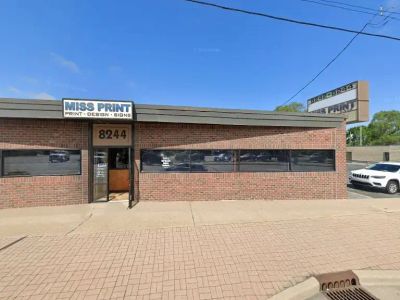


Alliance MD
Munster, Indiana
8242 Calumet Ave, Munster, IN 46321
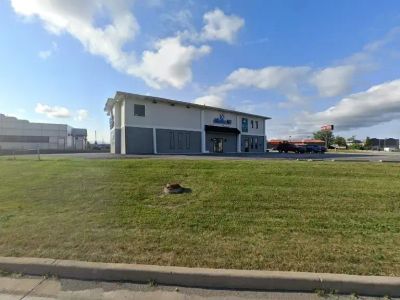
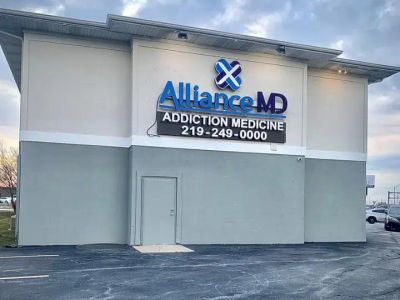
Alliance MD - Addiction Treatment Center
Merrillville, Indiana
8102 Georgia St, Merrillville, IN 46410
Get Personalized Rehab Matches in 60 Seconds
Tell us a few details and we’ll show a personalized shortlist of verified Indiana rehabs, making it simple to compare options and choose your next step with confidence.
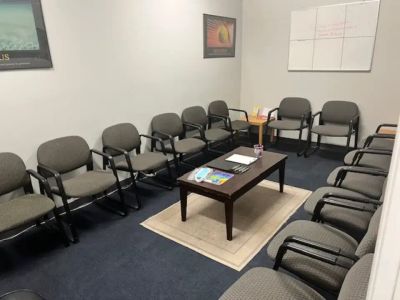
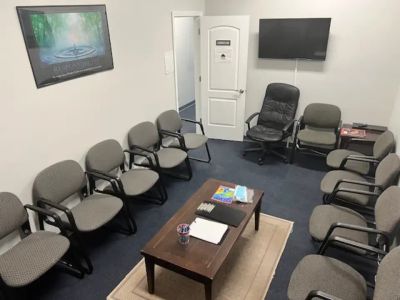
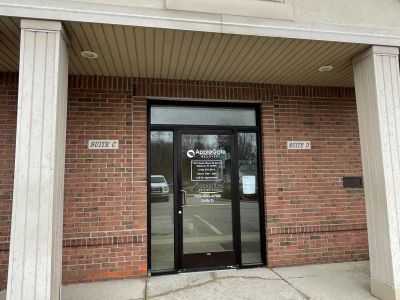
AppleGate Recovery Kokomo
Kokomo, Indiana
1542 S Dixon Rd STE C, Kokomo, IN 46902
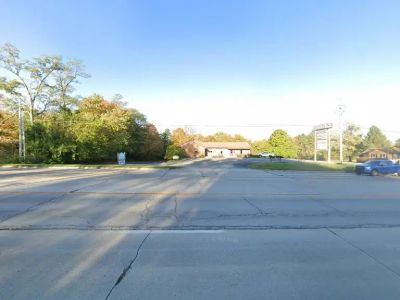
Centerstone - New Castle
New Castle, Indiana
3221 S Memorial Dr, New Castle, IN 47362
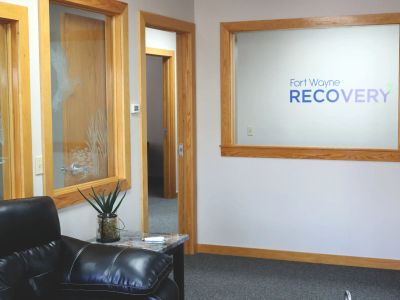
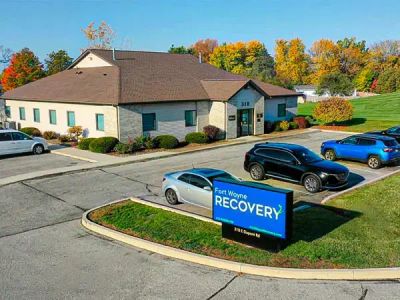

Fort Wayne Recovery
Fort Wayne, Indiana
310 E Dupont Rd, Fort Wayne, IN 46825

Hamilton Center Inc: Mathew Maleakal S MD
Terre Haute, Indiana
620 8th Ave, Terre Haute, IN 47804
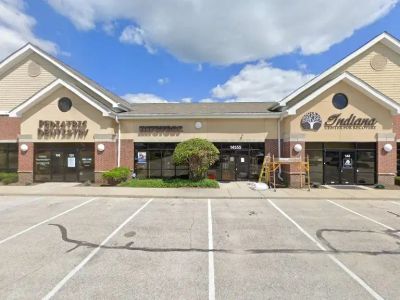
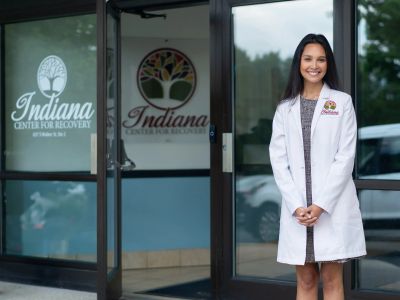
Indiana Center For Recovery - Alcohol & Drug Rehab Center Carmel
Carmel, Indiana
14555 Hazel Dell Pkwy #140, Carmel, IN 46033
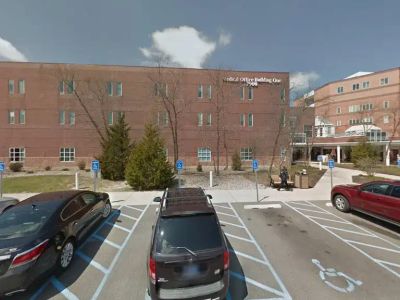
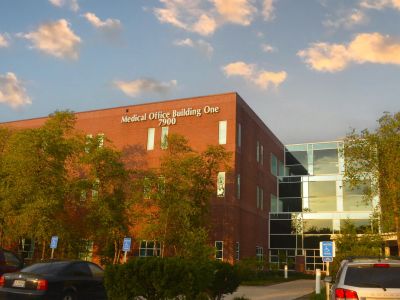
Indiana Center for Recovery - Alcohol & Drug Rehab Center Fort Wayne
Fort Wayne, Indiana
7900 W Jefferson Blvd, Fort Wayne, IN 46804
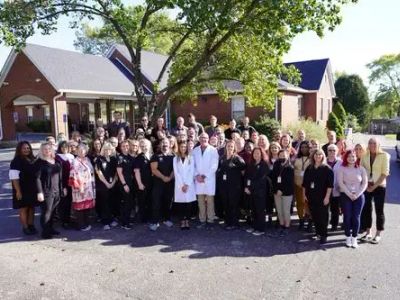

Indiana Center for Recovery - Alcohol & Drug Rehab Center Jeffersonville
Jeffersonville, Indiana
601 N Shore Dr Suite 102-103, Jeffersonville, IN 47130
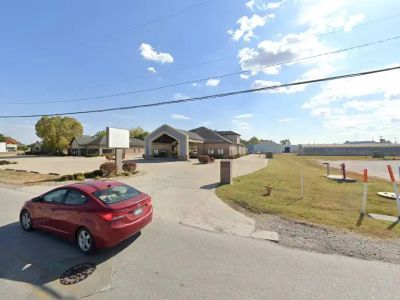
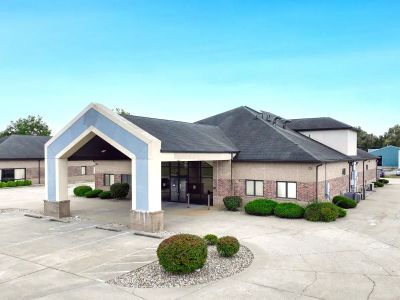
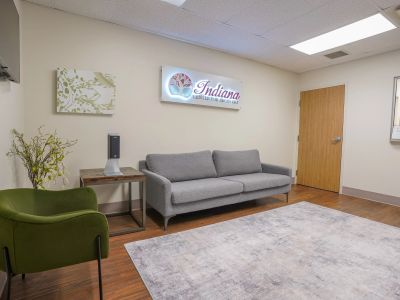
Indiana Center For Recovery- Alcohol & Drug Rehab Terre Haute
Terre Haute, Indiana
135 E Hospital Ln, Terre Haute, IN 47802



Indiana Treatment Centers
Columbus, Indiana
1888 Poshard Dr, Columbus, IN 47203
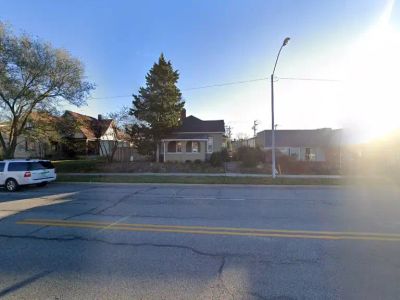


Lotus Treatment Center
Columbus, Indiana
1207 Washington St, Columbus, IN 47201
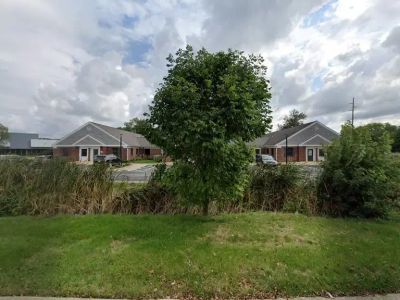
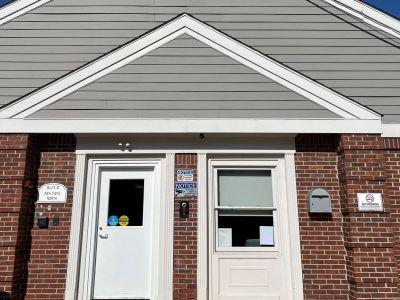
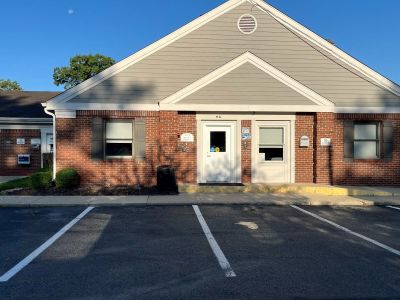
New Vista North
Indianapolis, Indiana
4010 W 86th St suite d, Indianapolis, IN 46268


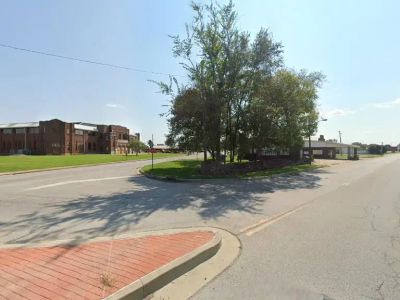
Recover Together - Martinsville
Martinsville, Indiana
225 Morton Ave Martinsville, IN 46151


Spero Health
Richmond, Indiana
18 SW 5th St, Richmond, IN 47374
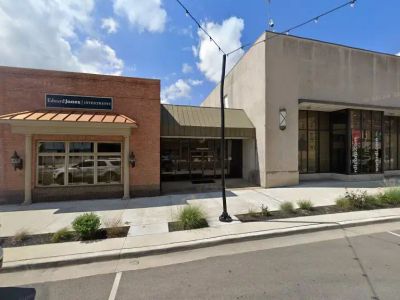

Spero Health - Connersville
Connersville, Indiana
531 North Central Avenue Suite 6, Connersville, IN 47331



Addiction Rehab Centers - ARC | Drug & Alcohol Rehab - Addiction Treatment in Indianapolis, IN
Indianapolis, Indiana
7322 Noel Rd, Indianapolis, IN 46278

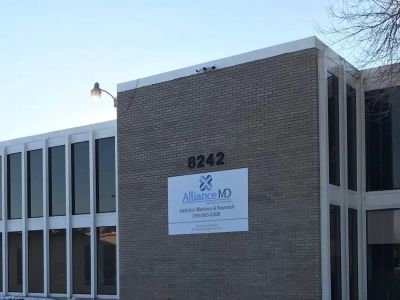

Alliance MD
Michigan City, Indiana
10176 W 400 N c, Michigan City, IN 46360
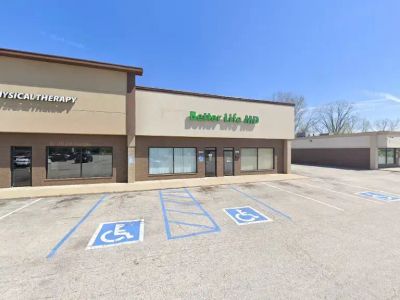

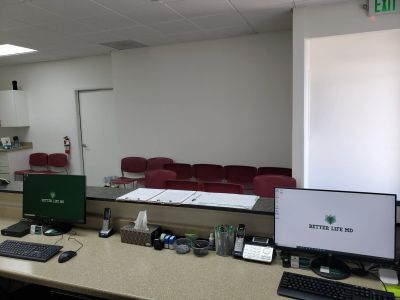
Better Life MD
Portage, Indiana
3325 Willowcreek Rd, Portage, IN, 46368
Why Trust Indiana Rehabs
As Hoosiers helping Hoosiers, we understand the unique challenges our communities face. Our team meticulously verifies every Indiana treatment center, ensuring you find trusted, local care that truly understands your journey.
About our listingsLevels of Care
Explore popular treatment options by levels of care, from flexible treatment in Outpatient centers to intensive care in Residential rehabs.
Free · 24/7 · Confidential
Talk to a Treatment Specialist
Call now to get matched with Indiana facilities that accept your insurance.
(888) 568-9930
Free
Ins. check
4.9★
Rating
HIPAA
Protected
Can't travel to a facility?
Licensed Indiana therapists via secure video — same-week appointments, evenings & weekends available.
Finding the right addiction treatment can feel overwhelming on its own. Add in the search for a place that honors your needs, maybe you want to bring your pet, require certain foods, or simply long for a space where you feel genuinely welcomed as yourself, and it can seem nearly impossible. But you deserve care that fits who you are, and truly inclusive, medication friendly rehab options in Indiana are out there. When you find a space that meets you where you are, it can make all the difference on your path to lasting recovery.

Understanding Inclusive, Medication Friendly Rehab
When you hear the term “medication friendly rehab,” it simply means a treatment center that integrates FDA-approved medications into a comprehensive care plan. This approach, known as medication-assisted treatment (MAT), combines medicine with counseling and behavioral therapies to treat substance use disorders[1]. It’s a way of treating the whole person, addressing both the physical and psychological sides of addiction.
But true healing goes beyond just medicine. An inclusive and supportive environment is just as important. Feeling comfortable and accepted, whether that means having your pet by your side, eating meals that align with your lifestyle, or being respected for your identity, allows you to focus completely on your recovery. When you don't have to worry about being judged or misunderstood, you can put all your energy into the hard work of getting better. MAT addresses the biological part of addiction, while an inclusive atmosphere nurtures the emotional well-being needed for a lasting recovery journey.
The Benefits of LGBTQ Addiction Treatment

An LGBTQ-friendly rehab center is a facility that does more than just welcome you; it truly affirms and understands you. This means they have inclusive policies, staff who are trained in the unique needs of the LGBTQ community, and specialized treatment programs designed to address your experiences. For many, this kind of environment is not just a preference, it’s a necessity.
Research shows that LGBTQ+ individuals often face substance use disorders at higher rates, largely due to the unique stressors they experience. An affirming rehab provides a safe space where you don’t have to hide or explain who you are. The benefits are profound: you’re surrounded by peers who share similar life experiences, creating a powerful sense of community and mutual support. The therapy offered in these programs is tailored to address specific issues like the trauma of discrimination, the pain of family rejection, and the mental health conditions that can accompany them. In LGBTQ-affirming rehab programs, your identity is seen as a source of strength on your path to recovery.
Challenges LGBTQ+ Patients Often Face
The higher rates of substance use within the LGBTQ+ community are directly linked to a unique set of challenges. For many, the constant weight of social stigma and the fear of discrimination or mistreatment from healthcare providers can create a massive barrier to seeking help. This isn’t just a feeling; it’s a reality that can lead to isolation and a reluctance to trust the very systems designed to provide care.
Furthermore, experiences with family rejection and other forms of trauma can have a deep impact on mental health, often leading to substance use as a way to cope. A standard treatment program may not have the tools or understanding to address these underlying issues effectively. Without care that acknowledges and heals this specific trauma, the root causes of the addiction can be left untreated. That’s why specialized, affirming care is not just helpful, but essential for lasting recovery.
Why Pet-Friendly Addiction Rehab Matters

For many people, a beloved pet is a member of the family. The thought of leaving them behind to enter treatment can be a major source of stress and a significant reason for delaying care. Choosing from pet-friendly rehab programs removes this painful barrier, allowing you to focus on your recovery without worrying about your companion’s well-being.
The benefits of having a pet with you during treatment are enormous. Animals provide unconditional love and emotional support, which can be incredibly comforting during a challenging time. They are proven to reduce stress, anxiety, and feelings of loneliness. The simple act of caring for a pet, feeding them, walking them, playing with them, provides a sense of routine and purpose that is vital for building a new, healthy life in recovery. Most facilities will ask for basic requirements, like vaccination records, and expect you to be responsible for your pet's daily care. It’s a small price to pay for having your best friend by your side.
Benefits of a Vegan Diet in the Recovery Process
Recovery is about healing your whole self, and that includes your physical health. Nutrition plays a key role in this process, and for those who follow a vegan lifestyle, having access to the right food is essential. A nutrient-dense, plant-based diet can help restore the body after a period of substance use, replenishing vital nutrients and stabilizing your mood. When your body feels better, it’s easier to manage the emotional and psychological work of recovery.
More than that, finding a rehab that offers vegan-friendly meal options shows a deep respect for your personal choices and values. It removes a potential source of stress and conflict, allowing you to feel seen and cared for. When a treatment center honors your established lifestyle, it sends a clear message: we are here to support you, exactly as you are. The physical benefits, like reduced inflammation and improved energy levels, are just the beginning. This commitment to whole-person care helps build the foundation for a strong and sustainable recovery.
Finding LGBTQ+ Friendly Treatment Centers
Finding a rehab center that truly fits your needs requires a little research, but you have the power to advocate for yourself. The best way to know if a program is right for you is to call and ask direct questions. Here are a few things you might ask:
- Do you offer specialized programming for LGBTQ+ individuals?
- What training has your staff received on LGBTQ+ cultural competency?
- Can you accommodate my dietary needs, such as a vegan diet?
- What is your policy on bringing pets to the facility?
- Do you offer medication-assisted treatment (MAT) as part of your programs?
When it comes to paying for care, it’s important to understand your insurance coverage. Most insurance plans, including Indiana's Medicaid program, cover substance use disorder and mental health treatment, but the specifics can vary[2]. Call your insurance provider and the facility’s admissions team to confirm your benefits and any out-of-pocket costs[3]. You can also use tools like the SAMHSA National Treatment Facility Locator to find options near you. Don’t settle for a program that doesn’t feel right, your comfort and safety are key to your success.
Your Path to a Supportive Recovery in Indiana
Your recovery journey is deeply personal, and the right support can make all the difference. A successful outcome often depends on finding a treatment environment where you feel safe, respected, and truly understood. Your needs are valid, and having them met is not a luxury, it’s a critical part of building a foundation for lasting sobriety. Whether you need a medication friendly rehab that uses MAT to support your physical healing, a program that welcomes your pet, a center that respects your vegan lifestyle, or an affirming space for LGBTQ+ individuals, these options are available right here in Indiana[4].
Taking this step is an act of courage and self-care. Remember that integrating proven methods like MAT improves the chances of staying in treatment, which is a key factor in long-term success[5]. You don't have to navigate this path alone. A supportive community and compassionate care team are waiting to help you build the healthy, fulfilling life you deserve.
You’ve already taken the first step by looking for help. The path to recovery is built one choice at a time, and finding a supportive, inclusive environment is one of the most important choices you can make. At Indiana Rehabs, we’re here to help you find a place that feels right for you. If you’re ready to talk about your options or have questions, please don’t hesitate to call us at (888) 568-9930. You can also contact us online to start your journey toward healing today.
Frequently Asked Questions About Inclusive Addiction Treatment in Indiana
What is medication-assisted treatment (MAT)?
Why is a supportive environment important in addiction recovery?
Can I bring my pet with me to rehab?
How can diet and nutrition help in addiction recovery?
Does insurance cover specialized addiction treatment programs?
- Substance Abuse and Mental Health Services Administration. (2023). Medication Access and Training Expansion (MATE) Act. SAMHSA. samhsa.gov
- National Alliance on Mental Illness. (n.d.). Medicaid & Mental Health in Indiana. NAMI. nami.org
- Centers for Medicare & Medicaid Services. (10-19-2023). Healthy Indiana Plan SUD demonstration: CMS-approved summative evaluation report. Medicaid.gov. medicaid.gov
- State of Indiana. (2024). Progress Report on Indiana's Drug Overdose Crisis. IN.gov. in.gov
- Kras, K. et al. (08-02-2022). Medication-assisted treatment in problem-solving courts: A scoping review of the literature. Health & Justice. pmc.ncbi.nlm.nih.gov