
Veterans Program Rehab Programs

Showing 20 of 81 Results (filtered)
Featured Rehab Centers

91 West Mound Street, Nashville, IN 47448
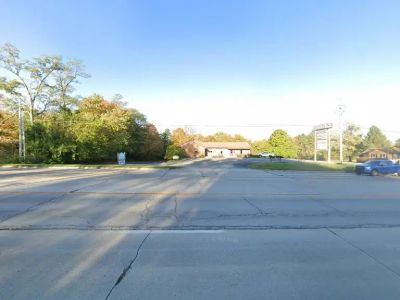
Centerstone - New Castle
New Castle, Indiana
3221 S Memorial Dr, New Castle, IN 47362

Centerstone Recovery Transitional Housing
Columbus, Indiana
1680 Whitney Ct, Columbus, IN 47203
Get Personalized Rehab Matches in 60 Seconds
Tell us a few details and we’ll show a personalized shortlist of verified Indiana rehabs, making it simple to compare options and choose your next step with confidence.
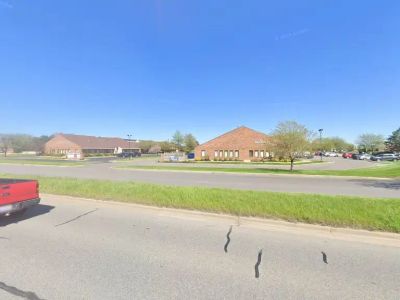
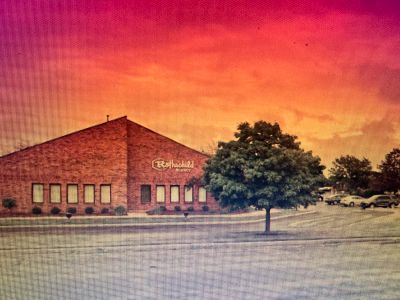

Foundations Counseling Center
Merrillville, Indiana
8973 Broadway, Merrillville, IN 46410

Hamilton Center Inc: Mathew Maleakal S MD
Terre Haute, Indiana
620 8th Ave, Terre Haute, IN 47804
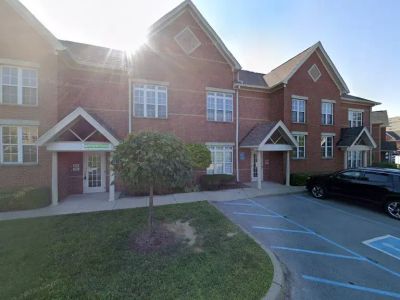
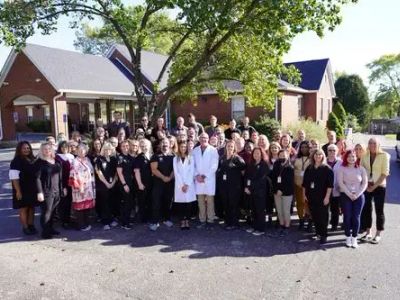

Indiana Center for Recovery - Alcohol & Drug Rehab Center Jeffersonville
Jeffersonville, Indiana
601 N Shore Dr Suite 102-103, Jeffersonville, IN 47130
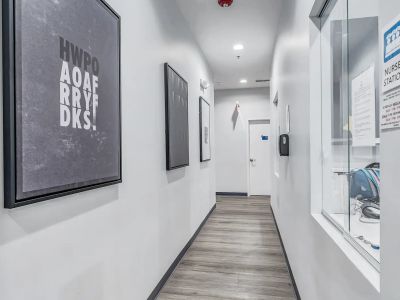
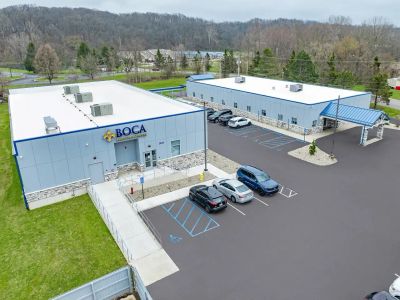
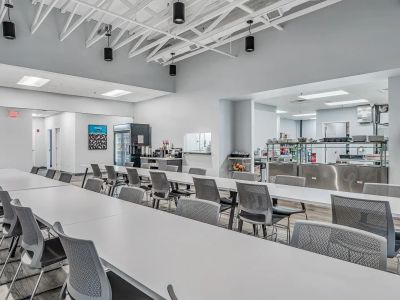
Boca Recovery Center - Fort Wayne, Indiana
Fort Wayne, Indiana
111 W Berry St #211, Fort Wayne, IN 46802

CleanSlate Outpatient Addiction Medicine
Noblesville, Indiana
18051 River Rd Suite 101, Noblesville, IN 46062
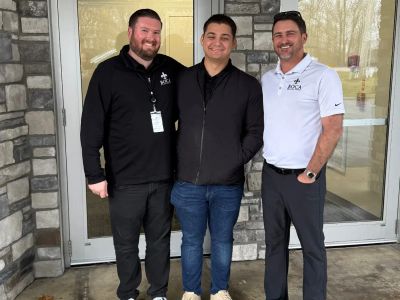
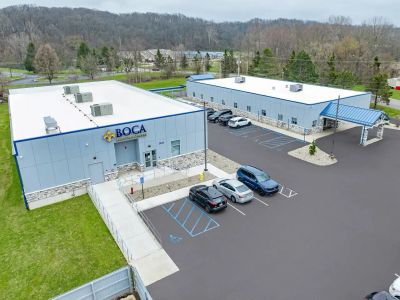

Boca Recovery Center - Indiana Drug and Alcohol Rehab
Huntington, Indiana
3040 W Park Dr, Huntington, IN 46750

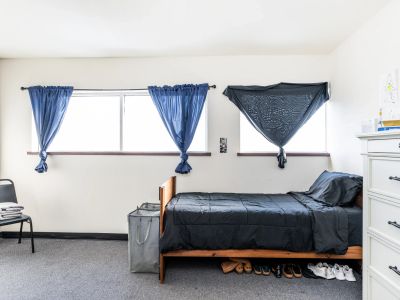
Cardinal Recovery
Franklin, Indiana
1130 West Jefferson St, Franklin, IN, 46131

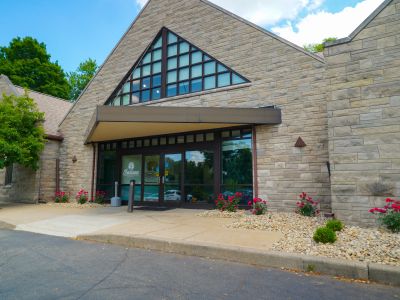

Indiana Center for Recovery
Bloomington, Indiana
1004 West 1st Street, Bloomington, IN, 47403
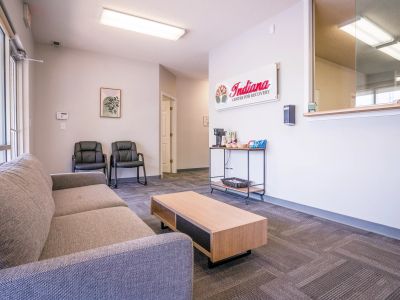
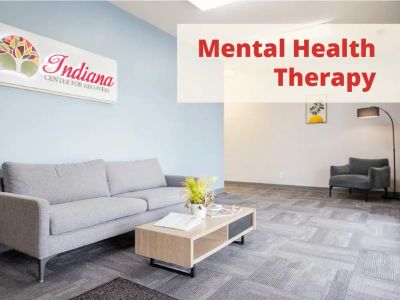
Indiana Center For Recovery - Alcohol & Drug Rehab Lafayette
Lafayette, Indiana
2529 Schuyler Ave #700, Lafayette, IN 47905
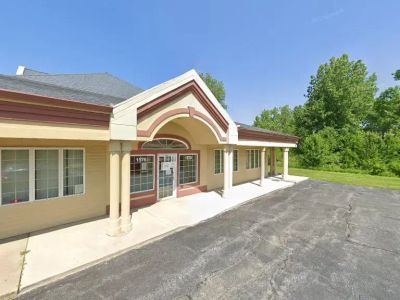

Indiana Center for Recovery- Alcohol & Drug Rehab Center Merrillville
Merrillville, Indiana
1578 E 85th Ave, Merrillville, IN 46410
Centerstone Recovery Transitional Housing
Lexington, Indiana
2520 Parker Ln, Lexington, IN 47138
Centerstone - Serenity House
Richmond, Indiana
115 N 13th St, Richmond, IN 47374
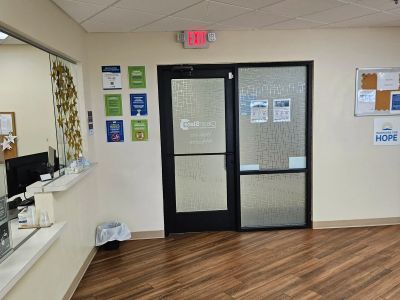
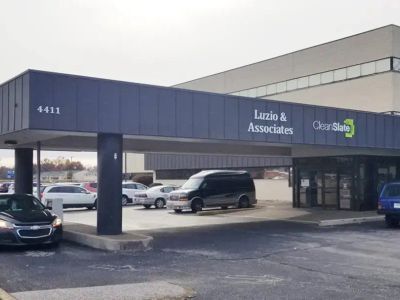
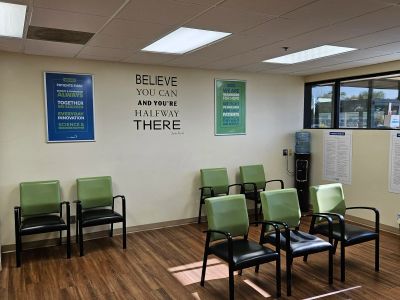
CleanSlate Outpatient Addiction Medicine
Evansville, Indiana
4411 Washington Ave #105, Evansville, IN 47715



Recovery Centers of America at Indianapolis
Indianapolis, Indiana
8530 Township Line Rd, Indianapolis, IN 46260
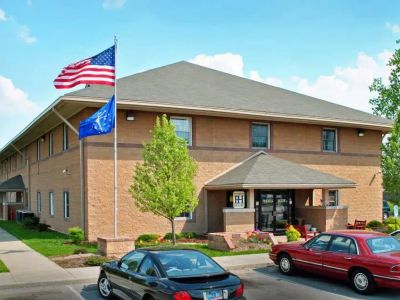
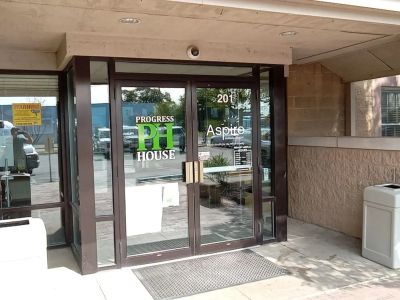
Aspire Indiana Health - Progress House
Indianapolis, Indiana
201 Shelby St., Indianapolis, IN, 46202

Centerstone - Madison
Madison, Indiana
3008 North Bevcher Street, Madison, IN 47250

Centerstone - North Bevcher Drive
Madison, Indiana
3008 North Bevcher Drive, Madison, IN, 47250
Why Trust Indiana Rehabs
As Hoosiers helping Hoosiers, we understand the unique challenges our communities face. Our team meticulously verifies every Indiana treatment center, ensuring you find trusted, local care that truly understands your journey.
About our listingsLevels of Care
Explore popular treatment options by levels of care, from flexible treatment in Outpatient centers to intensive care in Residential rehabs.
Free · 24/7 · Confidential
Talk to a Treatment Specialist
Call now to get matched with Indiana facilities that accept your insurance.
(888) 568-9930
Free
Ins. check
4.9★
Rating
HIPAA
Protected
Can't travel to a facility?
Licensed Indiana therapists via secure video — same-week appointments, evenings & weekends available.
` tag. * Call the image generation tool for the first image (`group therapy session`). `generate_image_tool(prompt="A photo-realistic image depicting a supportive group therapy session for veterans...")`. I'll get the URL and place it *before* the first `
`. Alt text will be something like "A supportive group therapy session for veterans at an Indiana rehab center."
---
**Section 1: What services does VA provide for Veterans with substance use problems?**
* **Heading:** Create `What services does VA provide for Veterans with substance use problems?
`. Perfect, verbatim.
* **Content Drafting:**
* The brief asks for an overview of VA and non-VA options, co-occurring conditions (PTSD, depression), and the importance of veteran-specific programs.
* I need to weave in the keywords: `Veterans`, `services`, `treatment`, `substance`, `health`, `disorder`, `PTSD`, `depression`, `counseling`.
* I'll start by talking about the comprehensive care available. I'll mention that it's not just about substance use but also about the underlying mental health challenges. This is where I'll naturally bring in PTSD and depression.
* I'll list the types of therapies mentioned: individual and group counseling, family therapy, medication management.
* Crucially, I'll emphasize the peer support aspect, healing alongside others who *get it*.
* **Internal Linking:**
* The section recommendations suggest `/programs/veterans-program/` and `/populations/veterans/`. These are also `target_relevant`. Perfect fit.
* When talking about specialized programs, I'll link: `...programs designed specifically for veterans...`
* When mentioning the types of care, I can link the main page: `...access specialized veteran rehab programs that address...`
* **Internal Link Count: 2**
---
**Sub-Section 1.1: Inpatient vs Outpatient vs Residential Rehab: What's the Difference?**
* **Heading:** `Inpatient vs Outpatient vs Residential Rehab: What's the Difference?
`. Again, verbatim.
* **Content Drafting:** The brief asks for a clear distinction using bullet points or a table. A table is cleaner and more structured for comparison.
* **Table Formatting Rules Check:**
* Wrap in ``.
* `` must have ``.
* First `` is plain text.
* Second and third ` ` wrap labels in ``. I must remember this `Risk reduction: ` format.
* **Table Content:** I'll create columns for "Level of Care," "Living Arrangement," and "Best For." This directly addresses the brief. I'll define inpatient, outpatient, and residential clearly.
* **Internal Linking:**
* The recommendations are `/care/inpatient/`, `/care/outpatient/`, `/care/residential/`. I can link these terms directly in my introductory paragraph before the table. For example, "Understanding the difference between inpatient, outpatient, and residential care..."
* Wait, my global link count is 3-5. Using three links here would bring me to 5 already. It feels a bit excessive for one paragraph. I'll choose the most relevant one to keep the count down. Let's link `outpatient` since it's a common and flexible option. Or maybe I'll hold off on links here to save space for the more important `target_relevant` ones. Yes, I'll skip linking here to prioritize the main targets.
* **Internal Link Count remains: 2**
---
**Sub-Section 1.2: Do Inpatient Rehab Centers Treat Mental Health Disorders?**
* **Heading:** `Do Inpatient Rehab Centers Treat Mental Health Disorders?
`. Verbatim.
* **Content Drafting:**
* Brief says: Yes, they do. Explain integrated treatment (dual diagnosis) and why it's critical. Mention PTSD, anxiety, depression, and therapies like CBT.
* I'll start with a clear "Yes, absolutely." I'll explain that substance use is often a way to cope with mental health struggles, so treating both at the same time is essential for real recovery. This is where I can use my empathetic persona.
* **Citations:** This section (`rehab-for-mental-health`) has citations.
* One supports the prevalence of co-occurring disorders. I'll write a sentence like, "Many veterans face both a substance use disorder and a mental health condition like PTSD or depression at the same time." Then I'll add the sup tag: `...at the same time[1].`
* I will carefully copy the `data_text` and `data_url` from the `citations_input`.
* **Internal Linking:**
* This is the perfect place for the third `target_relevant` link: `/programs/dual-diagnosis/`.
* I'll phrase it like: "...This is known as dual diagnosis treatment, and it's a cornerstone of effective care."
* **Internal Link Count: 3** (This is a good number).
---
**Section 2: How Much Does Inpatient Rehab Cost for Veterans?**
* **Heading:** `How Much Does Inpatient Rehab Cost for Veterans?
`. Verbatim.
* **Content Drafting:**
* Brief: Discuss general costs, then pivot to veteran coverage options (VA, private insurance).
* I'll start by acknowledging that cost is a huge worry. Then, I'll immediately reassure them that there are many ways for veterans to get help, often with little to no out-of-pocket cost. I'll introduce the main buckets: VA benefits and community care providers.
* **External Linking:**
* The recommendations for this section include the VA eligibility link. This is a perfect, high-authority external link.
* I'll write something like, "The first step is often to check your VA health care eligibility online." This provides a direct, actionable step.
* **External Link Count: 1**
---
**Sub-Section 2.1: Does the VA Cover Inpatient Rehab?**
* **Heading:** `Does the VA Cover Inpatient Rehab?
`. Verbatim.
* **Content Drafting:**
* Brief: State clearly "Yes." Explain eligibility (enrollment, discharge) and that it can be at a VA facility or a community partner.
* I'll be direct: "Yes, the VA provides coverage for inpatient rehab..."
* **Citations:** This section (`va-coverage-for-rehab`) has a citation about Indiana veterans enrolled in VA healthcare. I'll add a sentence like, "Thousands of veterans in Indiana are already using these health care benefits..." and pop the `` tag at the end.
---
**Sub-Section 2.2: What if I don't have VA health care benefits?**
* **Heading:** `What if I don't have VA health care benefits?
`. Verbatim.
* **Content Drafting:**
* Brief: Give actionable advice for those not eligible for VA care. Mention private insurance, state programs, scholarships, sliding-scale.
* My tone here needs to be extra reassuring. "If you're not enrolled in VA healthcare, please don't let that stop you." I'll list the alternatives clearly. This is a great place to encourage a call to action.
* **Internal Linking:**
* The recommendation is `/insurance-verification/`. This is a fantastic, highly relevant link.
* I can say, "A great first step is to confidentially verify your insurance coverage to see what your plan includes."
* **Internal Link Count: 4** (This is good. We are within the 3-5 range).
* **Citations:** This section has a citation about Indiana's CCBHCs. I'll mention state-funded options and then add the citation.
---
**Section 3: How to Choose the Best Inpatient Rehab for Veterans?**
* **Image Generation:** Time for the second image. Call `generate_image_tool(prompt="A close-up, photo-realistic shot of a person's hand using a laptop...")`. I'll place this image URL within this section, likely after the heading and a short intro paragraph, before the bullet points. Alt text: "A veteran using a laptop to find a veterans program rehab in Indiana."
* **Heading:** `How to Choose the Best Inpatient Rehab for Veterans?
`. Verbatim.
* **Content Drafting:**
* Brief: Use a checklist/bullet points. Mention veteran tracks, military culture training, trauma therapies, peer support. Guide users on filtering the directory. Include a crisis box.
* I'll write a short intro, then use a `` for the checklist. The points will be actionable things to look for.
* I'll create a visually distinct crisis box using a `` with a class like `"crisis-box"`. Inside, I'll put the "How do I talk to someone right now?" message and provide the Veterans Crisis Line info.
* **External Linking:**
* The recommendation is the `Veterans Crisis Line` URL. This is essential. I'll link it prominently within the crisis box. Anchor text will be "Veterans Crisis Line."
* **External Link Count: 2** (This is a good final count).
* **Citations:** This section has a citation about effective, evidence-based programs. I'll work this into the bulleted list, perhaps on the point about evidence-based therapies.
---
**Section 4: Take the First Step Toward Recovery in Indiana**
* This is my conclusion, but I won't call it that.
* **Heading:** `Take the First Step Toward Recovery in Indiana
`. Verbatim.
* **Content Drafting & Final CTAs:**
* Brief: Summarize, reiterate hope, strong CTA.
* I'll write a short, warm, and encouraging paragraph. "You've already taken a courageous step by looking for help."
* **Phone Number:** "...call us at (888) 568-9930..."
* **Homepage Link:** "...At Indiana Rehabs, we're here to help..."
* **Contact Page Link:** "...or you can reach out to us online for a confidential conversation."
* I'll check the wording to make it flow naturally. The call to action needs to feel like a genuine offer of help, not a sales pitch.
### 3. **Final Review**
* **HTML Structure:** Check all tags are closed. Headings are correct (`h2`, `h3`). Table is formatted correctly with the `div` wrapper and `span` tags. No `` or `` tags outside of ``. No images directly under headings.
* **Links:**
* Internal links: 4 used. This is within the 3-5 range. All are from the provided list. They are contextually relevant. Anchors are descriptive.
* External links: 2 used. Within the 2-3 range. Not blacklisted. Anchors are good.
* **Citations:** Are all `` tags in the right sections and formatted correctly? Yes.
* **Content & Tone:** Does it sound like an empathetic counselor? Is it at an 8th-grade reading level? Yes, I used simple language and short sentences.
* **Verbatim Headings:** Did I use the `heading_title`s *exactly* as provided? Yes, double-checked.
* **Conclusion:** Does it have all the required elements (phone, homepage link, contact link)? Yes.
* **Blacklist Check:** Final scan of all `href` attributes to ensure no blacklisted domains are present. Looks clean.
The plan is solid. I'm ready to write the final HTML.
Serving in the military demands a rare kind of strength, but coming home can bring challenges that most people never see, pressures that sometimes push even the toughest among us toward substance use or overwhelming mental health struggles. You’re not alone in this; according to the Substance Abuse and Mental Health Services Administration, 3.7 million veterans live with a mental illness or substance use disorder. If you’re feeling worn down by the weight of it all, it’s okay to reach out for support. There are real, specialized programs here in Indiana designed just for veterans like you, making it possible to find understanding, hope, and a genuine path toward recovery.

What services does VA provide for Veterans with substance use problems?
When you’re looking for help, you have options. The VA provides a wide range of services designed to support veterans dealing with substance use and mental health challenges. This care is often available through VA medical centers or trusted community providers in Indiana, ensuring you can find help close to home. These services are built on the understanding that military life comes with unique stressors, and your treatment should reflect that.
Care is about more than just stopping substance use; it’s about healing the whole person. That’s why many programs focus on treating co-occurring disorders like post-traumatic stress disorder (PTSD), depression, and anxiety right alongside alcohol or drug addiction. Treatment plans are personalized and may include:
- Individual counseling: One-on-one sessions to explore the root causes of substance use.
- group therapy: Connecting with fellow veterans who understand your experiences.
- Family counseling: Healing relationships and building a strong support system at home.
- Medication management: Using medications to manage withdrawal symptoms or mental health conditions.
The most important part of these services is the community. Being in a veterans program rehab means you’re surrounded by peers who have walked a similar path. That shared understanding can make all the difference in feeling seen, heard, and supported on your journey to recovery.
Inpatient vs Outpatient vs Residential Rehab: What's the Difference?
Choosing the right level of care is a critical step in your recovery. The main options are inpatient, outpatient, and residential treatment, and each offers a different structure and intensity. The best fit for you depends on your specific needs, the severity of the substance use disorder, and your home environment.
Level of Care
Living Arrangement
Best For
Inpatient Rehab
Living at the facility: 24/7
Veterans needing a highly structured, medically supervised environment to manage withdrawal and focus entirely on recovery without outside distractions.
Residential Rehab
Living at the facility: typically for a longer term (30+ days)
Individuals who have completed detox and need a stable, supportive environment to build coping skills and address underlying issues.
Outpatient Rehab
Living at home: attending treatment sessions several times a week
Those with a strong support system at home who need to balance recovery with work, school, or family responsibilities.
Do Inpatient Rehab Centers Treat Mental Health Disorders?
Yes, absolutely. High-quality inpatient rehab centers, especially those for veterans, are equipped to treat co-occurring mental health disorders. This integrated approach is often called dual diagnosis treatment. It’s based on the understanding that substance use and mental health are deeply connected. For many, substance use can be a way to cope with the symptoms of conditions like PTSD, anxiety, or depression.
Treating both issues at the same time is essential for lasting recovery. Simply addressing the substance use without healing the underlying emotional pain often leads to relapse. In fact, more than half of veterans with a substance use disorder also have a co-occurring mental illness[2]. Therapies like cognitive behavioral therapy (CBT) and trauma-informed care are used to help you develop healthier coping strategies and address the root causes of both conditions simultaneously.
How Much Does Inpatient Rehab Cost for Veterans?
The cost of rehab is a common worry, but it should never be a barrier to getting the help you deserve. For veterans, there are several pathways to make treatment affordable, often with little to no out-of-pocket expense. Your options generally fall under VA health care benefits, private insurance, or other state and local programs.
The key is understanding what you’re eligible for. The VA offers extensive coverage for substance use and mental health treatment. If you’re enrolled in VA health care, many services may be fully covered. Even if you receive care from a community provider outside the VA system, your VA benefits can often be used to pay for it. The first step is to check your VA health care eligibility and see what benefits are available to you. From there, you can explore all the options to cover the cost of your program.
Does the VA Cover Inpatient Rehab?
Yes, the VA does cover inpatient rehab and other forms of substance use disorder treatment for eligible veterans. To qualify, you typically need to be enrolled in the VA healthcare system and have a discharge status other than dishonorable. Coverage isn't limited to VA-run facilities; it often extends to approved community providers who partner with the VA to deliver specialized care.
This means you can access high-quality treatment right here in Indiana, whether it's at a VA medical center or a local rehab facility with a dedicated veterans program. In Indiana, over 300,000 veterans are enrolled in the VA healthcare system, with many receiving the vital substance use and mental health services they need to heal[3]. The goal is to ensure every veteran has a path to recovery.
What if I don't have VA health care benefits?
If you aren’t enrolled in VA health care or aren’t eligible, please don’t let that stop you from reaching out. You still have many options for finding affordable treatment in Indiana. Many veterans have private insurance through an employer or the marketplace that can cover the cost of rehab. A great first step is to confidentially verify your insurance coverage to see what your plan includes.
Beyond private insurance, other resources are available. Indiana has state-funded programs and Certified Community Behavioral Health Clinics (CCBHCs) that provide care regardless of your ability to pay[4]. Some non-profit facilities also offer scholarships or sliding-scale payment plans based on your income. We can help you explore every available option, the most important thing is that you get the support you need.
How to Choose the Best Inpatient Rehab for Veterans?
Finding the right rehab program is about more than just services; it’s about finding a place where you feel understood. As a veteran, you deserve a treatment center that recognizes your unique experiences and provides a supportive community.

Here are a few things to look for when choosing a rehab facility:
- Specialized Veterans Program: Does the center have a specific track for veterans? This ensures the programming is tailored to your needs.
- Staff Trained in Military Culture: The clinical team should understand military life, the chain of command, and the challenges of transitioning back to civilian life.
- Evidence-Based Therapies for Trauma: Look for programs that use proven methods like Trauma-Informed Care and therapies for PTSD[5].
- Peer Support: The opportunity to connect with other veterans in group therapy is one of the most powerful tools for recovery.
You can use our directory to filter for facilities in Indiana that offer a "Veterans Program" to start your search and find a center that feels right for you.
How do I talk to someone right now?
If you are in crisis or need immediate support, please don't wait. You can connect with caring, qualified responders by calling 988 and then pressing 1, or by visiting the Veterans Crisis Line website. Help is available 24/7.
Take the First Step Toward Recovery in Indiana
You’ve already taken a courageous step by looking for help. Remember, recovery is not just possible, it’s something you deserve. There are people here in Indiana who understand what you’re going through and are ready to stand with you on your path forward. You don’t have to carry this weight alone any longer. When you’re ready to talk, we’re here to listen without judgment. To explore your options, call us at (888) 568-9930 for a completely confidential conversation. At Indiana Rehabs, we're here to help you find the right support, or you can reach out to us online. The next step is yours to take, and we’ll be here to guide you.
Frequently Asked Questions About Veterans Rehab Programs in Indiana
How do I get into a VA substance abuse program?
The first step is usually to talk with your VA primary care doctor or a social worker. They can screen you for substance use and provide a referral for the right program. You can also visit your nearest VA medical center to ask about behavioral health services. If you’re already enrolled in VA health care, this process helps connect you to treatment that matches your specific needs, whether it’s at a VA facility or with a community partner. How do I find a VA-approved rehab?
Your VA care team is your best resource for finding an approved rehab. When you get a referral for substance use treatment, your care coordinator can help you locate a facility in the VA’s Community Care Network. You can also search online directories for treatment centers in Indiana and filter for those that accept VA community care or have specific veterans programs. This ensures the treatment facility meets the VA’s standards for quality and care. What is the best therapy for veterans?
There isn’t one single "best" therapy, because effective treatment is always personalized. However, many veterans find success with therapies that address the connection between trauma and substance use. Approaches like Trauma-Informed Care and Cognitive Behavioral Therapy (CBT) are common. The most powerful element is often peer support, so group counseling with fellow veterans can be incredibly helpful for recovery and providing needed mental health services. What is the VA's policy on substance abuse?
The VA views substance use disorder as a treatable medical condition. Their policy is to provide veterans with access to a full range of substance abuse treatment services to support recovery. This includes everything from medically managed detoxification to outpatient and inpatient counseling. The goal is to offer compassionate, evidence-based care to help veterans heal from the underlying causes of addiction. It is not treated as a personal failure but as a health issue that deserves effective care. What is the Community Care program for veterans?
The VA Community Care program gives eligible veterans access to health care from providers outside the VA system. It's one of your VA benefits. You may be able to use Community Care if the VA can’t provide the specific care you need, if you live too far from a VA facility, or if wait times for an appointment are too long. This allows you to find an approved local specialist or rehab center in Indiana, and the VA pays for the care.
-
...
source
-
Substance Abuse and Mental Health Services Administration. (2020). 2019 National Survey on Drug Use and Health: Veteran adults. Substance Abuse and Mental Health Services Administration.
samhsa.gov
-
Department of Veterans Affairs. (n.d.). State Summaries: Indiana. Department of Veterans Affairs Data Hub.
datahub.va.gov
-
Indiana Family and Social Services Administration. (12-30-2022). Certified Community Behavioral Health Clinics. Indiana Division of Mental Health and Addiction.
in.gov
-
National Association of State Alcohol and Drug Abuse Directors. (09-23-2025). State Opioid Response (SOR) Grant Initiatives for U.S. Military Veterans. NASADAD.
nasadad.org
Free • Confidential • No Obligation
Find the Right Treatment Program
Answer a few questions and we'll match you with Indiana treatment centers that fit your needs, insurance, and schedule.
Prefer to call?
(888) 568-9930
— Free • 24/7 • Confidential
Do Inpatient Rehab Centers Treat Mental Health Disorders?
`. Verbatim. * **Content Drafting:** * Brief says: Yes, they do. Explain integrated treatment (dual diagnosis) and why it's critical. Mention PTSD, anxiety, depression, and therapies like CBT. * I'll start with a clear "Yes, absolutely." I'll explain that substance use is often a way to cope with mental health struggles, so treating both at the same time is essential for real recovery. This is where I can use my empathetic persona. * **Citations:** This section (`rehab-for-mental-health`) has citations. * One supports the prevalence of co-occurring disorders. I'll write a sentence like, "Many veterans face both a substance use disorder and a mental health condition like PTSD or depression at the same time." Then I'll add the sup tag: `...at the same time[1].` * I will carefully copy the `data_text` and `data_url` from the `citations_input`. * **Internal Linking:** * This is the perfect place for the third `target_relevant` link: `/programs/dual-diagnosis/`. * I'll phrase it like: "...This is known as dual diagnosis treatment, and it's a cornerstone of effective care." * **Internal Link Count: 3** (This is a good number). --- **Section 2: How Much Does Inpatient Rehab Cost for Veterans?** * **Heading:** `How Much Does Inpatient Rehab Cost for Veterans?
`. Verbatim. * **Content Drafting:** * Brief: Discuss general costs, then pivot to veteran coverage options (VA, private insurance). * I'll start by acknowledging that cost is a huge worry. Then, I'll immediately reassure them that there are many ways for veterans to get help, often with little to no out-of-pocket cost. I'll introduce the main buckets: VA benefits and community care providers. * **External Linking:** * The recommendations for this section include the VA eligibility link. This is a perfect, high-authority external link. * I'll write something like, "The first step is often to check your VA health care eligibility online." This provides a direct, actionable step. * **External Link Count: 1** --- **Sub-Section 2.1: Does the VA Cover Inpatient Rehab?** * **Heading:** `Does the VA Cover Inpatient Rehab?
`. Verbatim. * **Content Drafting:** * Brief: State clearly "Yes." Explain eligibility (enrollment, discharge) and that it can be at a VA facility or a community partner. * I'll be direct: "Yes, the VA provides coverage for inpatient rehab..." * **Citations:** This section (`va-coverage-for-rehab`) has a citation about Indiana veterans enrolled in VA healthcare. I'll add a sentence like, "Thousands of veterans in Indiana are already using these health care benefits..." and pop the `` tag at the end. --- **Sub-Section 2.2: What if I don't have VA health care benefits?** * **Heading:** `What if I don't have VA health care benefits?
`. Verbatim. * **Content Drafting:** * Brief: Give actionable advice for those not eligible for VA care. Mention private insurance, state programs, scholarships, sliding-scale. * My tone here needs to be extra reassuring. "If you're not enrolled in VA healthcare, please don't let that stop you." I'll list the alternatives clearly. This is a great place to encourage a call to action. * **Internal Linking:** * The recommendation is `/insurance-verification/`. This is a fantastic, highly relevant link. * I can say, "A great first step is to confidentially verify your insurance coverage to see what your plan includes." * **Internal Link Count: 4** (This is good. We are within the 3-5 range). * **Citations:** This section has a citation about Indiana's CCBHCs. I'll mention state-funded options and then add the citation. --- **Section 3: How to Choose the Best Inpatient Rehab for Veterans?** * **Image Generation:** Time for the second image. Call `generate_image_tool(prompt="A close-up, photo-realistic shot of a person's hand using a laptop...")`. I'll place this image URL within this section, likely after the heading and a short intro paragraph, before the bullet points. Alt text: "A veteran using a laptop to find a veterans program rehab in Indiana." * **Heading:** `How to Choose the Best Inpatient Rehab for Veterans?
`. Verbatim. * **Content Drafting:** * Brief: Use a checklist/bullet points. Mention veteran tracks, military culture training, trauma therapies, peer support. Guide users on filtering the directory. Include a crisis box. * I'll write a short intro, then use a `- ` for the checklist. The points will be actionable things to look for.
* I'll create a visually distinct crisis box using a `
- Individual counseling: One-on-one sessions to explore the root causes of substance use.
- group therapy: Connecting with fellow veterans who understand your experiences.
- Family counseling: Healing relationships and building a strong support system at home.
- Medication management: Using medications to manage withdrawal symptoms or mental health conditions.
- Specialized Veterans Program: Does the center have a specific track for veterans? This ensures the programming is tailored to your needs.
- Staff Trained in Military Culture: The clinical team should understand military life, the chain of command, and the challenges of transitioning back to civilian life.
- Evidence-Based Therapies for Trauma: Look for programs that use proven methods like Trauma-Informed Care and therapies for PTSD[5].
- Peer Support: The opportunity to connect with other veterans in group therapy is one of the most powerful tools for recovery.
- ... source
- Substance Abuse and Mental Health Services Administration. (2020). 2019 National Survey on Drug Use and Health: Veteran adults. Substance Abuse and Mental Health Services Administration. samhsa.gov
- Department of Veterans Affairs. (n.d.). State Summaries: Indiana. Department of Veterans Affairs Data Hub. datahub.va.gov
- Indiana Family and Social Services Administration. (12-30-2022). Certified Community Behavioral Health Clinics. Indiana Division of Mental Health and Addiction. in.gov
- National Association of State Alcohol and Drug Abuse Directors. (09-23-2025). State Opioid Response (SOR) Grant Initiatives for U.S. Military Veterans. NASADAD. nasadad.org
Take the First Step Toward Recovery in Indiana
`. Verbatim. * **Content Drafting & Final CTAs:** * Brief: Summarize, reiterate hope, strong CTA. * I'll write a short, warm, and encouraging paragraph. "You've already taken a courageous step by looking for help." * **Phone Number:** "...call us at (888) 568-9930..." * **Homepage Link:** "...At Indiana Rehabs, we're here to help..." * **Contact Page Link:** "...or you can reach out to us online for a confidential conversation." * I'll check the wording to make it flow naturally. The call to action needs to feel like a genuine offer of help, not a sales pitch. ### 3. **Final Review** * **HTML Structure:** Check all tags are closed. Headings are correct (`h2`, `h3`). Table is formatted correctly with the `div` wrapper and `span` tags. No `` or `` tags outside of `Serving in the military demands a rare kind of strength, but coming home can bring challenges that most people never see, pressures that sometimes push even the toughest among us toward substance use or overwhelming mental health struggles. You’re not alone in this; according to the Substance Abuse and Mental Health Services Administration, 3.7 million veterans live with a mental illness or substance use disorder. If you’re feeling worn down by the weight of it all, it’s okay to reach out for support. There are real, specialized programs here in Indiana designed just for veterans like you, making it possible to find understanding, hope, and a genuine path toward recovery.
What services does VA provide for Veterans with substance use problems?
When you’re looking for help, you have options. The VA provides a wide range of services designed to support veterans dealing with substance use and mental health challenges. This care is often available through VA medical centers or trusted community providers in Indiana, ensuring you can find help close to home. These services are built on the understanding that military life comes with unique stressors, and your treatment should reflect that.
Care is about more than just stopping substance use; it’s about healing the whole person. That’s why many programs focus on treating co-occurring disorders like post-traumatic stress disorder (PTSD), depression, and anxiety right alongside alcohol or drug addiction. Treatment plans are personalized and may include:
The most important part of these services is the community. Being in a veterans program rehab means you’re surrounded by peers who have walked a similar path. That shared understanding can make all the difference in feeling seen, heard, and supported on your journey to recovery.
Inpatient vs Outpatient vs Residential Rehab: What's the Difference?
Choosing the right level of care is a critical step in your recovery. The main options are inpatient, outpatient, and residential treatment, and each offers a different structure and intensity. The best fit for you depends on your specific needs, the severity of the substance use disorder, and your home environment.
| Level of Care | Living Arrangement | Best For |
|---|---|---|
| Inpatient Rehab | Living at the facility: 24/7 | Veterans needing a highly structured, medically supervised environment to manage withdrawal and focus entirely on recovery without outside distractions. |
| Residential Rehab | Living at the facility: typically for a longer term (30+ days) | Individuals who have completed detox and need a stable, supportive environment to build coping skills and address underlying issues. |
| Outpatient Rehab | Living at home: attending treatment sessions several times a week | Those with a strong support system at home who need to balance recovery with work, school, or family responsibilities. |
Do Inpatient Rehab Centers Treat Mental Health Disorders?
Yes, absolutely. High-quality inpatient rehab centers, especially those for veterans, are equipped to treat co-occurring mental health disorders. This integrated approach is often called dual diagnosis treatment. It’s based on the understanding that substance use and mental health are deeply connected. For many, substance use can be a way to cope with the symptoms of conditions like PTSD, anxiety, or depression.
Treating both issues at the same time is essential for lasting recovery. Simply addressing the substance use without healing the underlying emotional pain often leads to relapse. In fact, more than half of veterans with a substance use disorder also have a co-occurring mental illness[2]. Therapies like cognitive behavioral therapy (CBT) and trauma-informed care are used to help you develop healthier coping strategies and address the root causes of both conditions simultaneously.
How Much Does Inpatient Rehab Cost for Veterans?
The cost of rehab is a common worry, but it should never be a barrier to getting the help you deserve. For veterans, there are several pathways to make treatment affordable, often with little to no out-of-pocket expense. Your options generally fall under VA health care benefits, private insurance, or other state and local programs.
The key is understanding what you’re eligible for. The VA offers extensive coverage for substance use and mental health treatment. If you’re enrolled in VA health care, many services may be fully covered. Even if you receive care from a community provider outside the VA system, your VA benefits can often be used to pay for it. The first step is to check your VA health care eligibility and see what benefits are available to you. From there, you can explore all the options to cover the cost of your program.
Does the VA Cover Inpatient Rehab?
Yes, the VA does cover inpatient rehab and other forms of substance use disorder treatment for eligible veterans. To qualify, you typically need to be enrolled in the VA healthcare system and have a discharge status other than dishonorable. Coverage isn't limited to VA-run facilities; it often extends to approved community providers who partner with the VA to deliver specialized care.
This means you can access high-quality treatment right here in Indiana, whether it's at a VA medical center or a local rehab facility with a dedicated veterans program. In Indiana, over 300,000 veterans are enrolled in the VA healthcare system, with many receiving the vital substance use and mental health services they need to heal[3]. The goal is to ensure every veteran has a path to recovery.
What if I don't have VA health care benefits?
If you aren’t enrolled in VA health care or aren’t eligible, please don’t let that stop you from reaching out. You still have many options for finding affordable treatment in Indiana. Many veterans have private insurance through an employer or the marketplace that can cover the cost of rehab. A great first step is to confidentially verify your insurance coverage to see what your plan includes.
Beyond private insurance, other resources are available. Indiana has state-funded programs and Certified Community Behavioral Health Clinics (CCBHCs) that provide care regardless of your ability to pay[4]. Some non-profit facilities also offer scholarships or sliding-scale payment plans based on your income. We can help you explore every available option, the most important thing is that you get the support you need.
How to Choose the Best Inpatient Rehab for Veterans?
Finding the right rehab program is about more than just services; it’s about finding a place where you feel understood. As a veteran, you deserve a treatment center that recognizes your unique experiences and provides a supportive community.
Here are a few things to look for when choosing a rehab facility:
You can use our directory to filter for facilities in Indiana that offer a "Veterans Program" to start your search and find a center that feels right for you.
How do I talk to someone right now?
If you are in crisis or need immediate support, please don't wait. You can connect with caring, qualified responders by calling 988 and then pressing 1, or by visiting the Veterans Crisis Line website. Help is available 24/7.
Take the First Step Toward Recovery in Indiana
You’ve already taken a courageous step by looking for help. Remember, recovery is not just possible, it’s something you deserve. There are people here in Indiana who understand what you’re going through and are ready to stand with you on your path forward. You don’t have to carry this weight alone any longer. When you’re ready to talk, we’re here to listen without judgment. To explore your options, call us at (888) 568-9930 for a completely confidential conversation. At Indiana Rehabs, we're here to help you find the right support, or you can reach out to us online. The next step is yours to take, and we’ll be here to guide you.
Frequently Asked Questions About Veterans Rehab Programs in Indiana
How do I get into a VA substance abuse program?
How do I find a VA-approved rehab?
What is the best therapy for veterans?
What is the VA's policy on substance abuse?
What is the Community Care program for veterans?
Free • Confidential • No Obligation
Find the Right Treatment Program
Answer a few questions and we'll match you with Indiana treatment centers that fit your needs, insurance, and schedule.
Prefer to call? (888) 568-9930 — Free • 24/7 • Confidential