Rehabs that Offer Medical Detox On-Site

Showing 20 of 39 Results (filtered)
Featured Rehab Centers


AD Rehab - Addiction Treatment Center
Merrillville, Indiana
5382 Washington St, Merrillville, IN 46410


Addiction Rehab Centers - ARC at Fox Hill | Drug & Alcohol Rehab - Mooresville Indiana
Mooresville, Indiana
12168 N Mann Rd, Mooresville, IN 46158

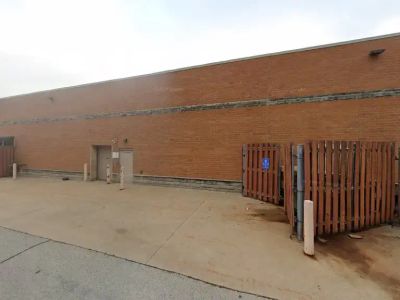
ADTR Center - Addiction Treatment
Gary, Indiana
1601-35 W 25th Ave, Gary, IN 46404
Get Personalized Rehab Matches in 60 Seconds
Tell us a few details and we’ll show a personalized shortlist of verified Indiana rehabs, making it simple to compare options and choose your next step with confidence.
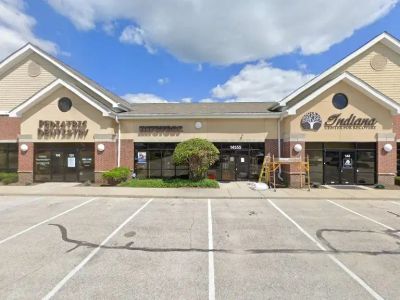

Indiana Center For Recovery - Alcohol & Drug Rehab Center Carmel
Carmel, Indiana
14555 Hazel Dell Pkwy #140, Carmel, IN 46033
Indiana Center for Recovery - Alcohol & Drug Rehab Center Fort Wayne
Fort Wayne, Indiana
7900 W Jefferson Blvd, Fort Wayne, IN 46804

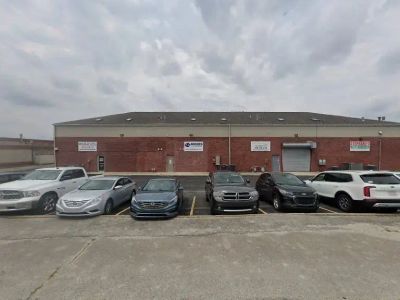
ADTR Center - Alcohol & Drug Addiction Treatment
Crown Point, Indiana
10707 Randolph St, Crown Point, IN 46307


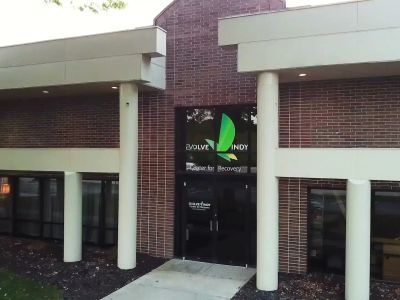
Evolve Indy
Indianapolis, Indiana
8770 Guion Rd, Indianapolis, IN, 46268

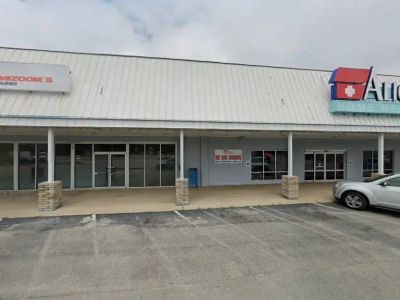
AD Detox - Alcohol & Drug Addiction Treatment
Michigan City, Indiana
3235 Franklin St, Michigan City, IN 46360

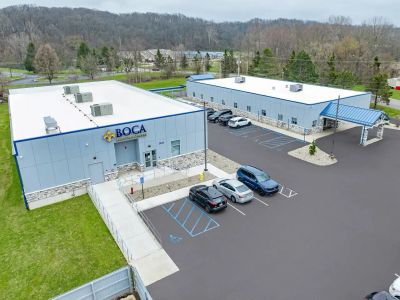

Boca Recovery Center - Indiana Drug and Alcohol Rehab
Huntington, Indiana
3040 W Park Dr, Huntington, IN 46750



Bridges of Hope Treatment Center
Anderson, Indiana
E 2nd St, Anderson, IN 46016

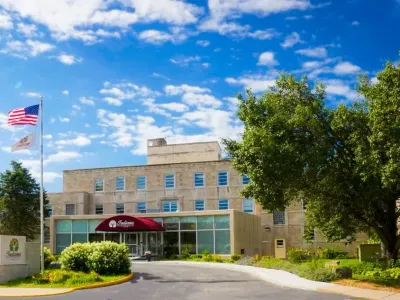
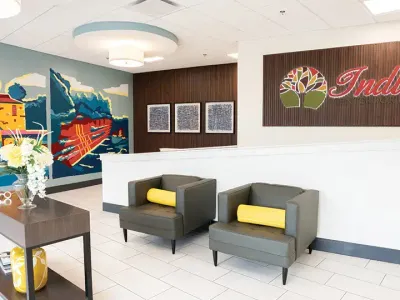
Indiana Center for Recovery - Alcohol & Drug Rehab Center Bedford
Bedford, Indiana
1600 23rd St, Bedford, IN 47421

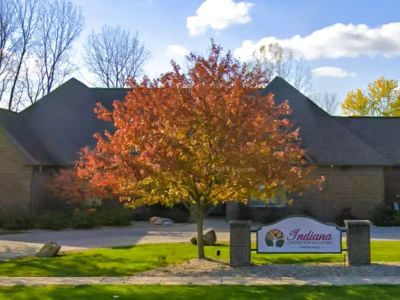

Indiana Center for Recovery - Alcohol & Drug Rehab Center Indianapolis
Indianapolis, Indiana
5510 S Emerson Ave, Indianapolis, IN 46237

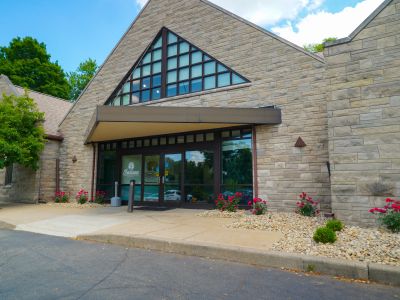

Indiana Center for Recovery
Bloomington, Indiana
1004 West 1st Street, Bloomington, IN, 47403
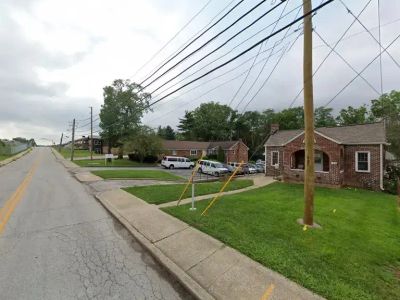


Centerstone Recovery Center
Bloomington, Indiana
809 W 1st St, Bloomington, IN 47403
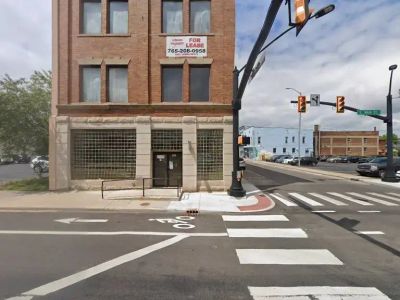
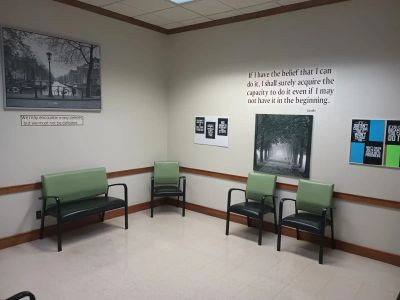

CleanSlate Outpatient Addiction Medicine
Muncie, Indiana
124 E Main St, Muncie, IN 47305

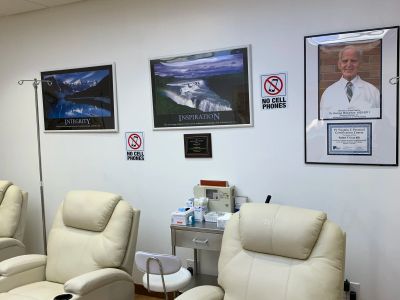

Kentuckiana Integrative Medicine
Jeffersonville, Indiana
405 E Court Ave #102, Jeffersonville, IN 47130
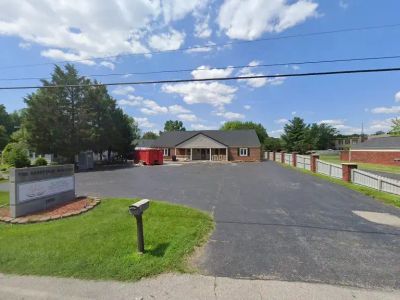


Sunrise Recovery - Drug and Alcohol Outpatient Rehab in Jeffersonville
Jeffersonville, Indiana
1505 Allison Ln, Jeffersonville, IN 47130
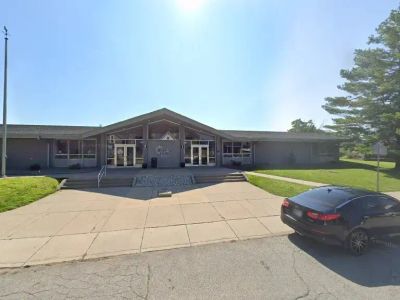

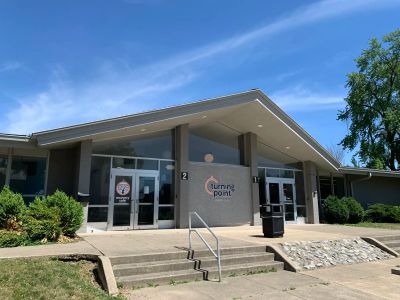
Turning Point SOC
Kokomo, Indiana
1234 N Courtland Ave, Kokomo, IN 46901
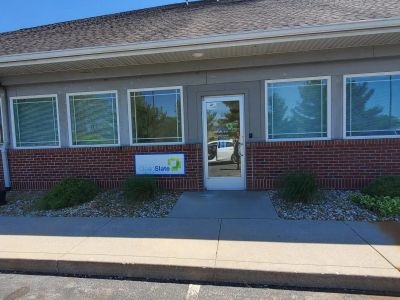
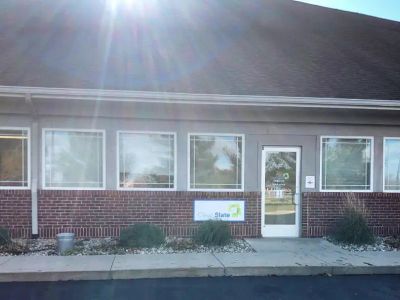
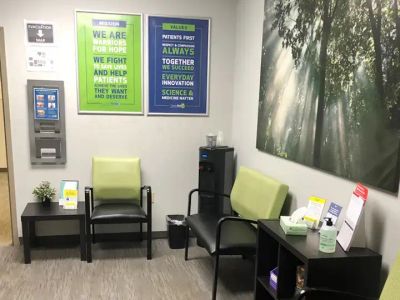
CleanSlate Outpatient Addiction Medicine Elkhart
Elkhart, Indiana
Park Ave, Elkhart, IN 46516

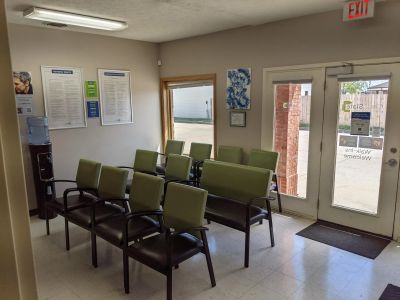

CleanSlate Outpatient Addiction Medicine
Lafayette, Indiana
30 Professional Ct #2A, Lafayette, IN 47905
Why Trust Indiana Rehabs
As Hoosiers helping Hoosiers, we understand the unique challenges our communities face. Our team meticulously verifies every Indiana treatment center, ensuring you find trusted, local care that truly understands your journey.
About our listingsLevels of Care
Explore popular treatment options by levels of care, from flexible treatment in Outpatient centers to intensive care in Residential rehabs.
Free · 24/7 · Confidential
Talk to a Treatment Specialist
Call now to get matched with Indiana facilities that accept your insurance.
(888) 568-9930
Free
Ins. check
4.9★
Rating
HIPAA
Protected
Can't travel to a facility?
Licensed Indiana therapists via secure video — same-week appointments, evenings & weekends available.
The first step toward recovery can feel like the hardest, especially if you’re in Indiana, unsure of where to turn and maybe a bit afraid of what comes next. That uncertainty can weigh heavy, but I want you to know that safe, professional help is closer than you might realize. With medically supervised detox right here in Indiana, taking that first, crucial step isn’t just possible, it’s within reach. And it’s where real healing can begin.

What Is Medical Detox?
When you hear the word "detox," you might picture someone trying to quit a substance "cold turkey" at home, and that can be a scary thought. But medical detox is something entirely different. Think of it as the first step in your treatment, a process where medical professionals help your body safely clear itself of a substance. The main goal of this initial phase of detoxification is to manage the uncomfortable and sometimes dangerous withdrawal symptoms that can happen when you stop using.
Under medical care, you’re in a safe, stable environment. A team of doctors and nurses monitors your health around the clock, ready to provide medication and support to keep you as comfortable as possible. This isn't just about managing physical symptoms; it's about ensuring your safety and giving your body the chance to stabilize. Trying to manage withdrawal on your own can lead to serious health risks, like severe dehydration or even seizures. Medical detox provides a secure foundation, allowing you to focus on the next stage of your recovery with a clear mind and a stable body. It’s a compassionate approach to the very first, and often most difficult, part of the healing journey.
When Medical Detox Is Necessary
For some substances, choosing medical detox isn't just a good idea, it's absolutely essential for your safety. Going through withdrawal from certain drugs without medical supervision can be incredibly dangerous, and in some cases, life-threatening. The body becomes dependent on these substances, and when they're suddenly removed, the shock to your system can cause severe medical complications.
This is particularly true for alcohol, benzodiazepines (like Xanax or Valium), and opioids. Withdrawal from alcohol can lead to seizures or a severe condition called delirium tremens (DTs), which can be fatal. Similarly, stopping benzodiazepines abruptly can trigger dangerous seizures. While opioid withdrawal isn't typically considered life-threatening, the symptoms can be so intensely painful and distressing that they often lead to relapse, which carries a high risk of overdose. To ensure patient safety, healthcare professionals use established guidelines, like the ASAM (American Society of Addiction Medicine) Criteria, to determine the appropriate level of care. These standards help them assess a person's unique situation and place them in a setting, like a facility with medical detox on site, that can safely manage their specific withdrawal symptoms.
Drugs Requiring Medically Assisted Detox
Understanding which substances pose the highest risk during withdrawal can help you see why professional medical care is so important. Here are the primary categories:
- Alcohol: Suddenly stopping or reducing heavy, long-term drinking can cause some of the most dangerous withdrawal symptoms. These can range from tremors and anxiety to life-threatening complications like seizures and delirium tremens, a state of severe confusion and agitation. Professional alcohol addiction treatment during detox is critical to manage these risks safely.
- Opioids: This category includes heroin as well as prescription painkillers like oxycodone and fentanyl. While withdrawal is rarely fatal, it causes extremely severe flu-like symptoms, including intense muscle aches, nausea, and cramping. The sheer misery of opioid withdrawal makes it incredibly difficult to endure without medical support, and the risk of relapsing with a lower tolerance is dangerously high.
- Benzodiazepines: Often prescribed for anxiety or sleep, drugs like Xanax, Klonopin, and Valium can cause severe withdrawal. Similar to alcohol, abruptly stopping benzodiazepines can lead to seizures, extreme anxiety, and other serious neurological and psychological effects. Medical supervision is essential to taper off these medications safely.
What To Expect During Medical Detox
The thought of detox can be intimidating, but knowing what the process looks like can help ease some of that worry. It’s a structured and supportive process designed entirely around your safety and well-being. Generally, medical detox unfolds in three main stages:
- Evaluation and Intake: When you first arrive, the medical team will conduct a thorough assessment. This includes understanding your substance use history, checking your physical and mental health, and running some tests. This isn't about judgment; it's about creating a personalized treatment plan that meets your specific needs to manage withdrawal symptoms safely.
- Stabilization: This is the core of the detox process. As your body begins to clear the substance, the medical team will monitor your vital signs 24/7. They will provide medications as needed to ease withdrawal symptoms, prevent complications, and keep you as comfortable as possible. You'll be in a calm, structured environment where your only job is to rest and let your body heal.
- Transition Planning: Detox is just the beginning. As you become physically stable, the staff will start talking with you about what comes next. They'll help you prepare for the next level of care, whether that’s a residential program or an outpatient service. This planning ensures you have a clear path forward for your long-term recovery.
How Long Does Medical Detox Last?
One of the most common questions people have is about the timeline for detox. There's no single answer, because the duration is different for everyone. How long it takes depends on several factors, including the type of substance you were using, how long you were using it, your overall physical health, and your unique body chemistry. Generally, you can expect the process to last anywhere from 5 to 10 days. For some, it might be a bit shorter, while for others, it could extend into a couple of weeks. The medical team will be with you every step of the way, adjusting your care plan based on your progress.
Is Medical Detox Safe?
Yes, absolutely. Medical detox is the safest way to manage withdrawal from drugs or alcohol. The entire process is designed with your safety as the top priority. Being in a facility with 24-hour care means that physicians and nurses are always there to monitor your health. They keep a close watch on your heart rate, blood pressure, and other vital signs, and they are trained to respond immediately to any complications that might arise. This constant medical supervision is what makes it so much safer than trying to detox on your own at home. You’re in the hands of professionals who know how to manage symptoms and prevent medical emergencies.
Medications Used In Detox
Medications are often a key part of making detox both safe and comfortable. The specific medications used will depend on the substance you’re withdrawing from and the symptoms you're experiencing. The goal is never to replace one substance with another, but to stabilize your body and ease the discomfort of withdrawal. For opioid withdrawal, medications like buprenorphine (Suboxone) can significantly reduce cravings and painful symptoms. For alcohol withdrawal, a tapering dose of benzodiazepines might be used to prevent seizures. Other medications may be given to help with nausea, anxiety, or insomnia. These are all administered and monitored carefully by the medical team to ensure your safety.
Finding Medical Detox Near Me
Finding the right facility with medical detox on site here in Indiana is a crucial step toward recovery. You need a place that feels safe, professional, and equipped to handle your specific needs. The directory below lists programs across the state that offer these specialized services. When comparing your options, consider factors like the types of insurance they accept, their location, and whether they specialize in treating the substance you've been using. This information is here to help you find a treatment facility that’s the right fit for you or your loved one. Take your time, explore the options, and remember that professional help is available right here in our community. A great place to start is by looking through a comprehensive list of rehab facilities in Indiana.
| Facility Name | City | Insurance Accepted |
|---|---|---|
| Indiana Detox Center | City: Indianapolis | Insurance Accepted: Aetna, Cigna, Blue Cross Blue Shield |
| Hoosier Recovery Services | City: Fort Wayne | Insurance Accepted: UnitedHealthcare, Humana, Private Pay |
| Wabash Valley Treatment | City: Lafayette | Insurance Accepted: Medicaid, Aetna, Cigna |
| Bloomington Detox & Care | City: Bloomington | Insurance Accepted: TRICARE, Blue Cross Blue Shield, Private Pay |
Planning Your Recovery Journey After Detox
It’s really important to understand that medical detox is the first step, not the final destination. Think of it as stabilizing the foundation before you can build the house. Detox addresses the physical side of dependence, but addiction has deep emotional and psychological roots. Lasting recovery is built on addressing these underlying issues through continued treatment.
After detox, your care team will help you transition to the next appropriate level of care. For many, this means moving into a residential treatment program where you can live in a supportive environment while focusing on therapy and developing coping skills. Other options include partial hospitalization programs (PHP) or intensive outpatient programs (IOP), which offer structured treatment while you live at home. This ongoing care is where you'll do the work of building a new life in sobriety, learning how to manage triggers and create a future free from substance use. This is where the real journey of recovery begins.
Making the decision to seek help is a brave one, and you don’t have to figure it all out alone. Medical detox provides a safe, compassionate start, and a full continuum of care is available to support you long after. If you’re ready to take that first step or have questions about what comes next, please don’t hesitate to call us at (888) 568-9930. At Indiana Rehabs, we’re here to help you navigate your options and find the right path forward. You can also reach out to us online to begin the conversation. Your journey to healing is possible, and it starts today.