
Financial Counseling in Indiana



Showing 20 of 63 Results (filtered)
Featured Rehab Centers



Addiction Rehab Centers - ARC At Bayside | Indianapolis Drug & Alcohol Rehab
Indianapolis, Indiana
5929 Lakeside Blvd, Indianapolis, IN 46278



1185 County Rd 1000 W, Linton, IN 47441



Indiana Center For Recovery- Alcohol & Drug Rehab Terre Haute
Terre Haute, Indiana
135 E Hospital Ln, Terre Haute, IN 47802
Get Personalized Rehab Matches in 60 Seconds
Tell us a few details and we’ll show a personalized shortlist of verified Indiana rehabs, making it simple to compare options and choose your next step with confidence.


Methodist Hospitals Rehab Center
Merrillville, Indiana
101 E 87th Avenue Pavilion A, Third Floor, Merrillville, IN 46410



Spero Health
Richmond, Indiana
18 SW 5th St, Richmond, IN 47374


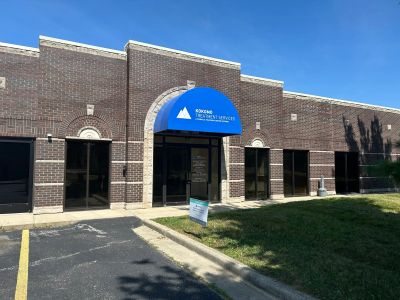
Pinnacle Treatment Centers - Kokomo
Kokomo, Indiana
2906 S. Reed Rd. Kokomo, IN 46902



Recover Together - Aurora
Aurora, Indiana
706 Green Blvd., Aurora, IN, 47001



Recover Together - Connersville
Connersville, Indiana
2110 N Park Rd, Connersville, IN, 47331



Boca Recovery Center - Indiana Drug and Alcohol Rehab
Huntington, Indiana
3040 W Park Dr, Huntington, IN 46750



Cardinal Recovery
Franklin, Indiana
1130 West Jefferson St, Franklin, IN, 46131






CleanSlate Outpatient Addiction Medicine
Richmond, Indiana
2302 Chester Blvd A, Richmond, IN 47374



Indiana Center for Recovery - Alcohol & Drug Rehab Center Indianapolis
Indianapolis, Indiana
5510 S Emerson Ave, Indianapolis, IN 46237

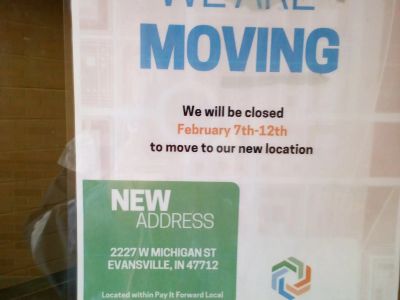

Southwestern Behavioral Healthcare - School Based Services
Evansville, Indiana
414 SE 4th St, Evansville, IN, 47714


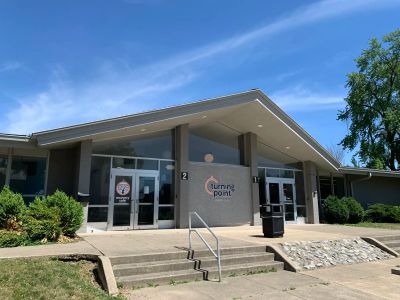
Turning Point SOC
Kokomo, Indiana
1234 N Courtland Ave, Kokomo, IN 46901



215 W 4th St, Mishawaka, IN 46544



CleanSlate Outpatient Addiction Medicine
Lafayette, Indiana
30 Professional Ct #2A, Lafayette, IN 47905



The Gilead House
Indianapolis, Indiana
406 East Sycamore Street, Indianapolis, IN, 46901

Centerstone - Madison
Madison, Indiana
3008 North Bevcher Street, Madison, IN 47250
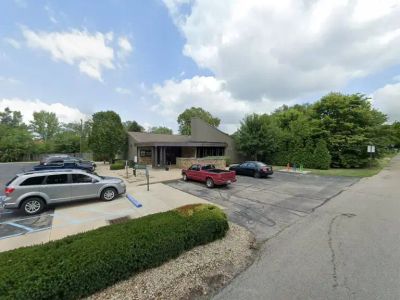
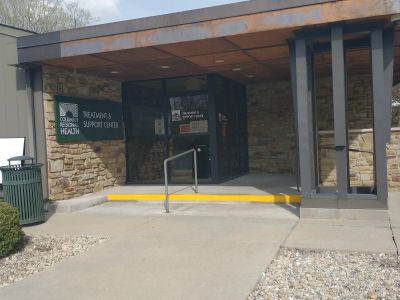

Treatment and Support Center (TASC) at Columbus Regional Health
Columbus, Indiana
2630 22nd St, Columbus, IN 47201
Why Trust Indiana Rehabs
As Hoosiers helping Hoosiers, we understand the unique challenges our communities face. Our team meticulously verifies every Indiana treatment center, ensuring you find trusted, local care that truly understands your journey.
About our listingsLevels of Care
Explore popular treatment options by levels of care, from flexible treatment in Outpatient centers to intensive care in Residential rehabs.
Free · 24/7 · Confidential
Talk to a Treatment Specialist
Call now to get matched with Indiana facilities that accept your insurance.
(888) 568-9930
Free
Ins. check
4.9★
Rating
HIPAA
Protected
Can't travel to a facility?
Licensed Indiana therapists via secure video — same-week appointments, evenings & weekends available.
You’ve made the brave decision to seek help for addiction, but an anxious, persistent question keeps crowding your mind: How can I possibly afford this? It’s easy to feel trapped by worries about money, even when you know what’s at stake. You’re not alone, financial concerns hold so many people back from getting the care they need. The good news is, there are thoughtful guides who can help you unravel these challenges and make the path to recovery far more within reach than you might expect.

What is the difference between credit counseling and debt settlement, debt consolidation, or credit repair?
When you’re worried about money, terms like "financial counseling," "credit counseling," and "debt settlement" can all start to sound the same. But in the context of addiction treatment, their goals are completely different. Think of it this way: a financial counselor for rehab is like a guide helping you map out the specific cost of your treatment journey. A general credit counselor is more like a coach for managing past consumer debts, like credit card bills or loans.
The sole focus of financial counseling in rehab is to make treatment affordable and accessible for you and your family. These counselors work for the treatment facility and understand the ins and outs of healthcare costs. They won’t try to manage your entire budget or negotiate with your credit card company. Instead, they help you find a clear and manageable path to pay for the care you need right now. For many in Indiana, this kind of support is a crucial part of making recovery possible[1]. Understanding the cost of rehab is the first step, and these professionals are here to help you navigate it without judgment.
Financial Assessments and Planning
The main service a rehab financial counselor provides is a complete financial assessment for your treatment plan. They are experts in navigating the often-confusing world of healthcare costs. Their process usually involves:
- Verifying your insurance benefits to see exactly what your plan covers.
- Calculating a clear cost estimate so you know what potential out-of-pocket expenses to expect.
- Exploring different payment plans to find a schedule that fits your budget.
- Identifying any financial assistance you might be eligible for, such as scholarships, grants, or sliding-scale fees offered by the facility.
Credit counseling
Traditional credit counseling, on the other hand, is a service designed to help you manage and repay existing consumer debt. A credit counselor works with you and your creditors to create a debt management plan, often involving consolidating your monthly payments. While these services are incredibly helpful for long-term financial wellness, they aren't specialized in the unique challenges of healthcare costs or insurance systems. If you're looking for help with general debt, a great place to start is with a nonprofit credit counseling agency. The Consumer Financial Protection Bureau (CFPB) offers resources to help you find a reputable one.
Eligibility Requirements
It’s a common worry: "Do I even qualify for help?" Here’s some reassuring news. The financial counseling service itself typically has no special eligibility requirements. It’s a standard part of the admissions process offered to nearly all prospective patients to help you understand your options. You don’t have to prove financial hardship just to have a conversation about cost.
Where eligibility does come into play is with specific financial assistance programs, like sliding-scale fees, grants, or state-funded aid[2]. Qualification for these programs is often based on factors like your household income, family size, and current insurance coverage or lack thereof. For example, programs like Indiana's Medicaid can provide extensive coverage for substance use disorder services if you meet the criteria[3]. A financial counselor’s job is to help you figure out which, if any, of these benefits you can access.
How to Apply for Assistance
If you think you may need financial aid to cover the cost of treatment, the process is straightforward. Here are the typical steps to get started:
- Contact the admissions department of the treatment facility you're considering. This first call is always confidential.
- Provide your insurance information. They will do a free benefits check to determine what your plan covers.
- Ask to speak directly with a financial counselor to discuss your estimated costs and payment options.
- If there's still a gap, request an application for the facility's financial assistance program and ask what documents you'll need to provide, such as pay stubs or tax forms.
What about confidentiality?
Talking about personal finances can feel vulnerable, but you can rest assured that these conversations are completely confidential. Your financial information is protected by the same HIPAA laws that safeguard your medical records. The goal of financial counseling is to provide fair, discreet, and non-judgmental support to everyone seeking help. Your privacy is a top priority.
Speak to a financial counselor

Taking the next step and speaking with a financial counselor is the most practical way to get clear answers. This conversation isn't a high-pressure sales call; it's a supportive, problem-solving discussion focused entirely on your needs. Research has shown that getting this kind of guidance can even help people stay in treatment longer, because it removes the background stress of financial uncertainty[2].
To feel more prepared for the call, it can help to have a few questions ready. Consider asking:
- Based on my insurance, what is my estimated out-of-pocket cost for this rehabilitation program?
- Do you offer payment plans, and what do those look like?
- Is there any financial aid or a scholarship program I can apply for?
A good counselor will walk you through these questions patiently, ensuring you understand all the services and options available to you.
Cost should never get in the way of your recovery
It’s completely normal to feel worried about the cost of rehab, but please don’t let it be the one thing that stops you from getting help. Financial counseling is a standard and confidential service designed to break down these barriers. There are caring professionals ready to help you find a solution that works for you. Your health and your future are worth it.
If you're not sure where to begin, state and national resources can point you in the right direction. Indiana's Division of Mental Health and Addiction (DMHA) provides a treatment locator for local services, and the SAMHSA National Helpline is always available for free, confidential support.
You’ve already taken the biggest step by deciding to seek help. Let us help you with the rest. A confidential conversation with a financial counselor can lift a huge weight off your shoulders and light the way forward. At Indiana Rehabs, our team is here to answer your questions and explore your options with you. You can call us anytime at (888) 568-9930 or reach out to us online to start the conversation. You don’t have to figure this out alone.
Frequently Asked Questions About Financial Counseling for Rehab
What kinds of financial aid are available for rehab?
What happens if I don't have health insurance?
What documents do I need to apply for financial aid?
Is financial counseling for rehab free?
Will my credit score affect my ability to get a payment plan?
How do rehab payment plans work?
- Substance Abuse and Mental Health Services Administration. (2019). National Survey of Substance Abuse Treatment Services (N-SSATS): Indiana. Substance Abuse and Mental Health Services Administration. samhsa.gov
- Indiana Division of Mental Health and Addiction. (March, 2025). DMHA & ISPHN Q3 State Fiscal Year Quarterly Financial Report. Indiana Family and Social Services Administration. in.gov
- Indiana Health Coverage Programs. (06-16-2021). Substance Use Disorder (SUD)/Serious Mental Illness (SMI) Treatment. State of Indiana. in.gov