Rehabs that Offer Life Skills Training

Showing 20 of 69 Results (filtered)
Featured Rehab Centers

1525 West Harrison street, Plymouth, IN 46563
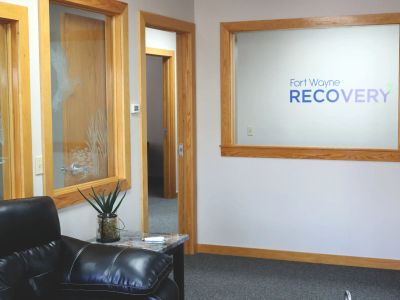
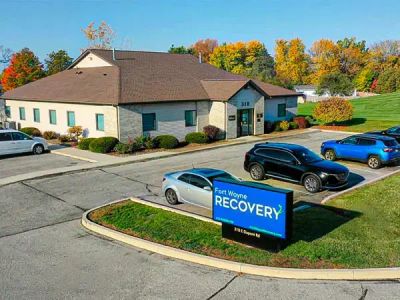

Fort Wayne Recovery
Fort Wayne, Indiana
310 E Dupont Rd, Fort Wayne, IN 46825
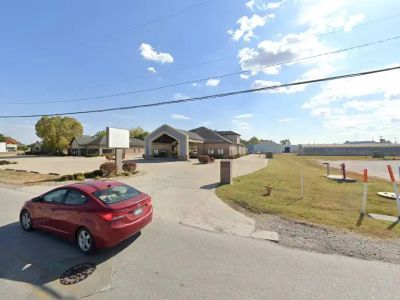
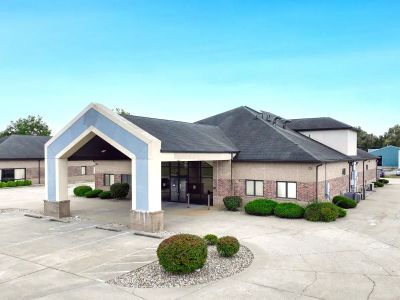
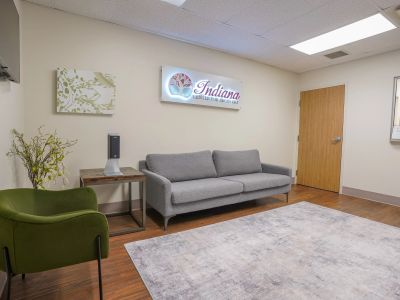
Indiana Center For Recovery- Alcohol & Drug Rehab Terre Haute
Terre Haute, Indiana
135 E Hospital Ln, Terre Haute, IN 47802
Get Personalized Rehab Matches in 60 Seconds
Tell us a few details and we’ll show a personalized shortlist of verified Indiana rehabs, making it simple to compare options and choose your next step with confidence.
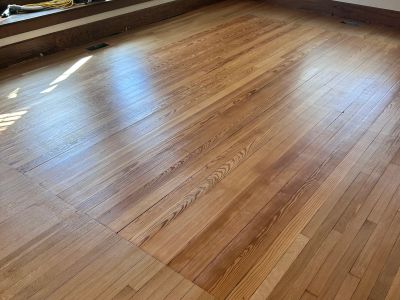
Spero Health
Richmond, Indiana
18 SW 5th St, Richmond, IN 47374
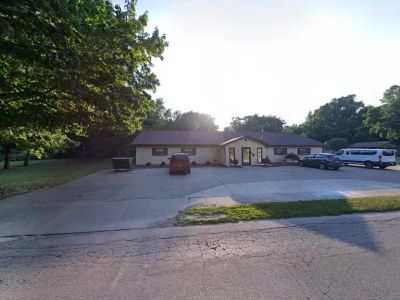


Through The Gate
Crawfordsville, Indiana
811 Whitlock Ave, Crawfordsville, IN 47933

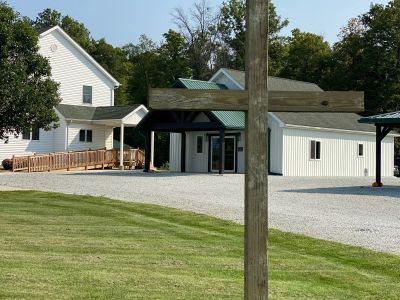

Valley of Grace
Kokomo, Indiana
5254 County Rd North 500 E, Kokomo, IN 46901
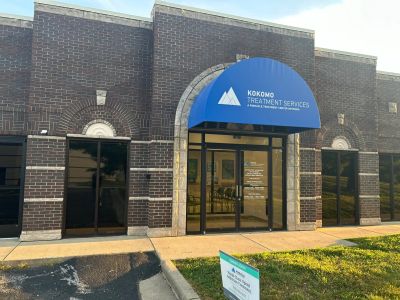
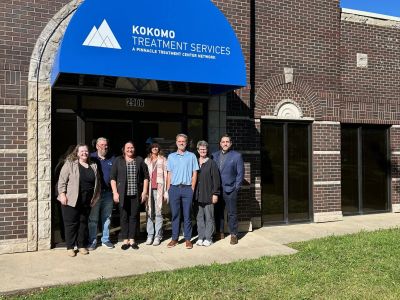
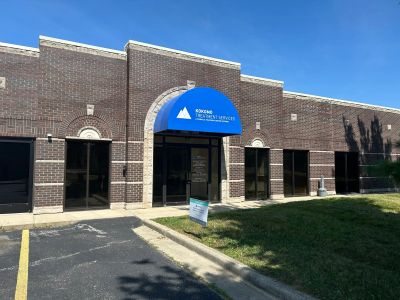
Pinnacle Treatment Centers - Kokomo
Kokomo, Indiana
2906 S. Reed Rd. Kokomo, IN 46902


Recover Together - Aurora
Aurora, Indiana
706 Green Blvd., Aurora, IN, 47001
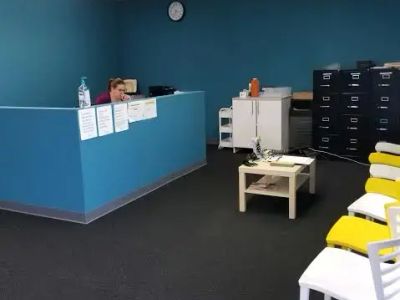

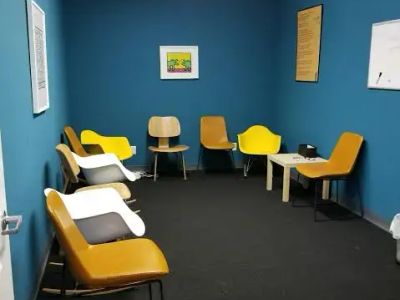
Recover Together - Connersville
Connersville, Indiana
2110 N Park Rd, Connersville, IN, 47331
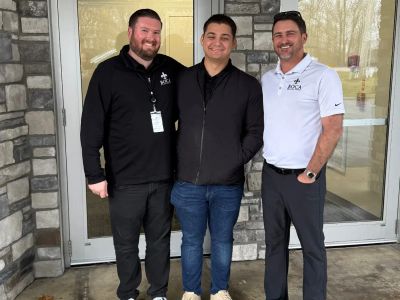
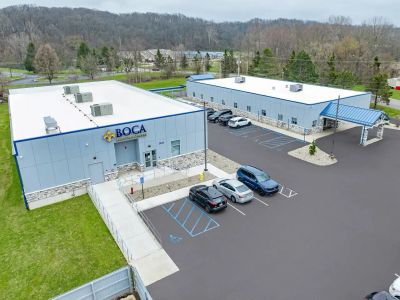

Boca Recovery Center - Indiana Drug and Alcohol Rehab
Huntington, Indiana
3040 W Park Dr, Huntington, IN 46750
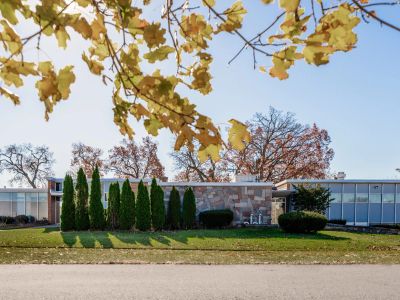
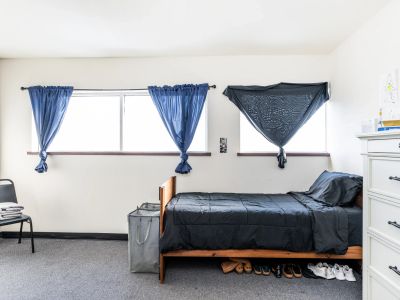
Cardinal Recovery
Franklin, Indiana
1130 West Jefferson St, Franklin, IN, 46131
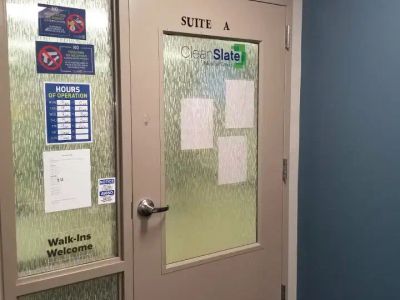
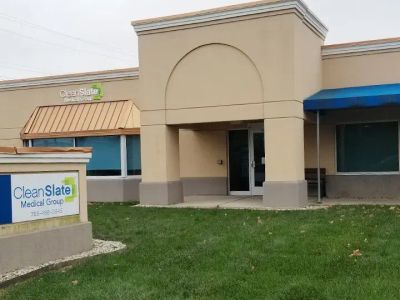
CleanSlate Outpatient Addiction Medicine
Richmond, Indiana
2302 Chester Blvd A, Richmond, IN 47374
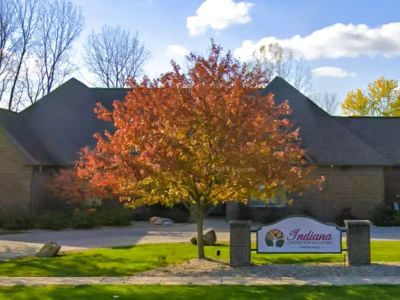

Indiana Center for Recovery - Alcohol & Drug Rehab Center Indianapolis
Indianapolis, Indiana
5510 S Emerson Ave, Indianapolis, IN 46237
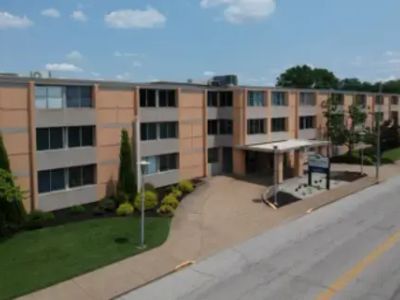
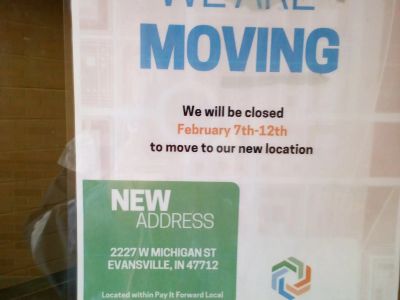
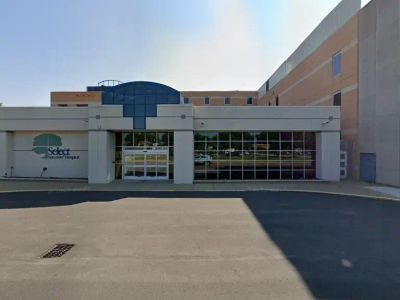
Southwestern Behavioral Healthcare - School Based Services
Evansville, Indiana
414 SE 4th St, Evansville, IN, 47714
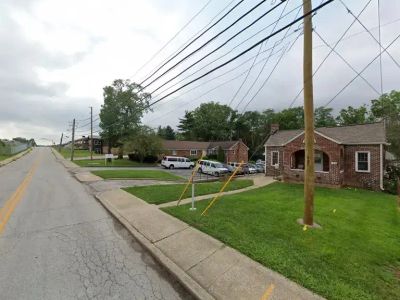
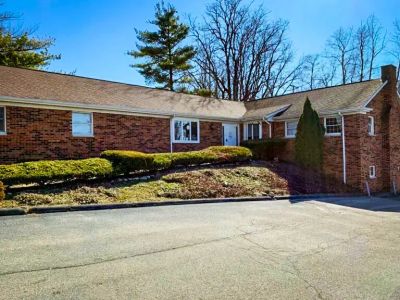
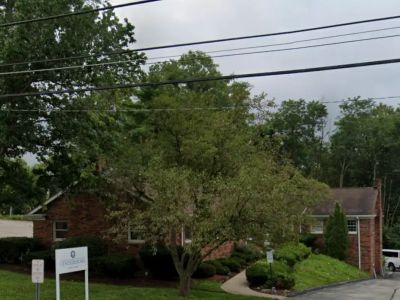
Centerstone Recovery Center
Bloomington, Indiana
809 W 1st St, Bloomington, IN 47403
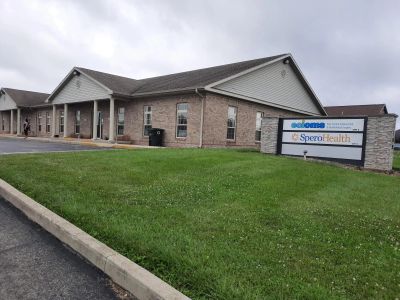
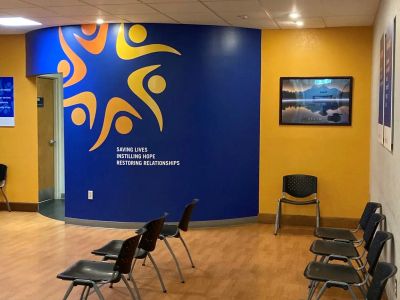
SperoHealth - Muncie
Muncie, Indiana
3700 North Briarwood Lane, Muncie, IN, 47304


215 W 4th St, Mishawaka, IN 46544
SperoHealth - Jeffersonville
Jeffersonville, Indiana
1820 East 10th Street, Jeffersonville, IN, 47130
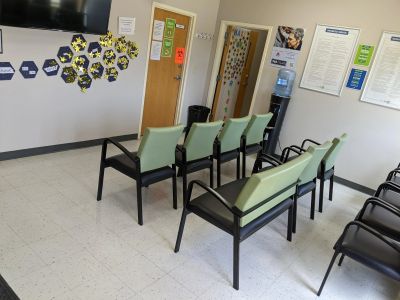
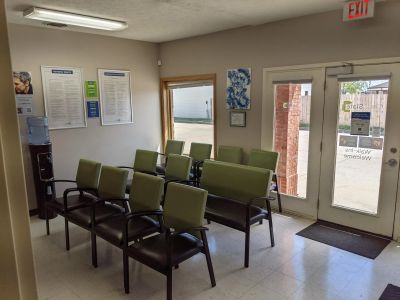
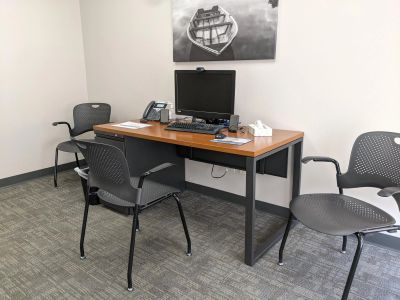
CleanSlate Outpatient Addiction Medicine
Lafayette, Indiana
30 Professional Ct #2A, Lafayette, IN 47905
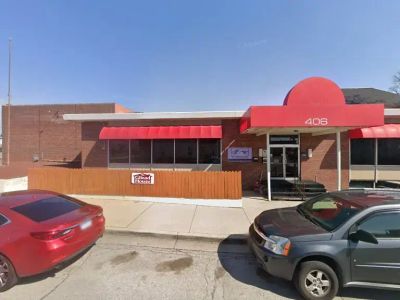

The Gilead House
Indianapolis, Indiana
406 East Sycamore Street, Indianapolis, IN, 46901
Why Trust Indiana Rehabs
As Hoosiers helping Hoosiers, we understand the unique challenges our communities face. Our team meticulously verifies every Indiana treatment center, ensuring you find trusted, local care that truly understands your journey.
About our listingsLevels of Care
Explore popular treatment options by levels of care, from flexible treatment in Outpatient centers to intensive care in Residential rehabs.
Free · 24/7 · Confidential
Talk to a Treatment Specialist
Call now to get matched with Indiana facilities that accept your insurance.
(888) 568-9930
Free
Ins. check
4.9★
Rating
HIPAA
Protected
Can't travel to a facility?
Licensed Indiana therapists via secure video — same-week appointments, evenings & weekends available.
Walking out of rehab, you might be filled with hope, but the world outside can feel strangely unsteady. Suddenly, it’s not just about staying sober, it’s about figuring out how to pay bills, cook a decent meal, or manage the knots of stress that show up at odd times. These daily challenges can catch you off guard, but learning real-life skills can turn uncertainty into confidence. Building a fulfilling life takes more than willpower; it calls for practical tools that make recovery last.
What Is Life Skills Training?
When you hear the term “life skills training” in rehab, it’s not about learning how to be an adult all over again. Instead, it’s about rediscovering your footing and building new, healthier habits for a life free from substance use. Think of it as a set of practical tools designed to help you navigate daily life with confidence. This kind of training is a core part of addiction treatment services and focuses on skills for daily living, emotional regulation, and getting ready for the workforce[1]. It’s not for a specific “type” of person; it’s for anyone in recovery who wants to build a strong foundation for the future. The goal is to replace old routines with positive new ones that support your long-term well-being.
Core Components of Life Skills Training
So, what do you actually learn? Life skills training breaks down the overwhelming parts of daily life into manageable pieces. These components are the building blocks for creating a stable, self-sufficient life that you can feel proud of. A good program will help you master the small things so you can achieve your bigger goals. In Indiana, certified treatment providers incorporate these skills into their programs to ensure you have the support you need[2]. Let’s look at some of the core areas you’ll focus on.

Managing Finances
Financial stress is a huge trigger for many people in recovery. Learning how to handle your money reduces that pressure and gives you a sense of control over your life. It’s not just about paying bills on time; it’s about creating a plan for your future. Key skills often include:
- Creating a realistic monthly budget that works for you.
- Learning how to track spending and manage bills effectively.
- Understanding credit and how to build it responsibly.
- Setting and working toward meaningful financial goals.
Gaining confidence in managing your finances can significantly lower your risk of relapse by removing a major source of anxiety[3].
Meal Planning and Cooking
The connection between what you eat and how you feel is powerful, especially in recovery. Learning the basics of meal planning and cooking is a profound form of self-care. It provides structure to your day and nourishes your body and mind. This training helps you create a routine around shopping for groceries, preparing healthy meals, and understanding nutrition. Taking the time to cook for yourself is a simple, daily act that reinforces your commitment to your own well-being.
Job Readiness
Finding and keeping a meaningful job can provide a sense of purpose, structure, and financial independence, all of which are vital for recovery. Job readiness training helps you build the confidence and skills needed to enter or re-enter the workforce. This often involves practical guidance on building a resume, practicing for interviews, and developing professional communication skills. The goal is to prepare you not just to find a job, but to thrive in a career that supports your new life and goals. Many programs offer vocational services to help you get there.
How Life Skills Training Facilitates Recovery
Mastering these skills does more than just help you manage your day-to-day life; it fundamentally changes how you see yourself and your future. Life skills training facilitates recovery by building confidence and creating a healthy, predictable structure that you can rely on. When you know how to handle real-world triggers like an unexpected bill or a stressful day at work, you’re less likely to turn to old, destructive habits. Research shows that this kind of training is effective in promoting behaviors that prevent substance use[4]. Effective programs are personalized to your unique needs and goals, and the length of training varies for each person. This focus on practical coping strategies is a key part of relapse prevention, helping you build a resilient foundation for long-term sobriety.

Learn the Skills That Support Your New Life
Ultimately, life skills training is about turning sobriety into a sustainable and fulfilling new life. It empowers you to face real-world challenges with confidence and independence, knowing you have the tools to handle whatever comes your way. These skills help you build a strong foundation for your future, one day at a time. If you want to find treatment that helps with the transition back to daily life, exploring options for aftercare planning can make all the difference.
If you're ready to explore options in Indiana, our 24/7 helpline is here for you. Give us a call at (888) 568-9930. We can help you find a treatment center that provides the tools you need. The team at Indiana Rehabs is ready to help you build a strong foundation for your future, and you can always contact us to get started.
Frequently Asked Questions About Life Skills Training in Rehab
Why are life skills important for recovery?
What is the goal of life skills training?
Is life skills training only for certain people?
How is nutrition related to addiction recovery?
How long does life skills training last?
- Indiana Health Coverage Programs. (12-18-2018). Medicaid rehabilitation option services. Indiana Family and Social Services Administration. in.gov
- U.S. Department of Health and Human Services. (August, 2021). State residential treatment for behavioral health: A landscape analysis - Indiana. ASPE. aspe.hhs.gov
- Centers for Medicare & Medicaid Services. (03-17-2023). Indiana State Plan Amendment (SPA) #: 23-0002. U.S. Department of Health & Human Services. medicaid.gov
- Moshki, M., et al. (2014). Effect of life skills training on drug abuse preventive behaviors among university students. Journal of Research in Health Sciences. pmc.ncbi.nlm.nih.gov