Rehabs that Offer 24/7 Medical Staff

Showing 20 of 48 Results (filtered)
Featured Rehab Centers

Addiction Rehab Centers - ARC at Fox Hill | Drug & Alcohol Rehab - Mooresville Indiana
Mooresville, Indiana
12168 N Mann Rd, Mooresville, IN 46158
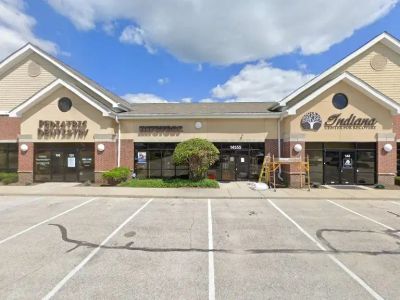
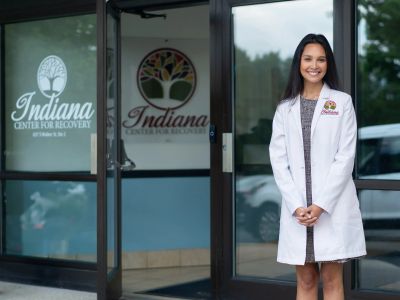
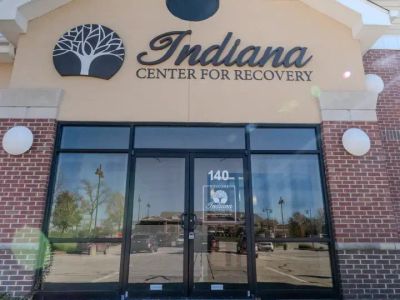
Indiana Center For Recovery - Alcohol & Drug Rehab Center Carmel
Carmel, Indiana
14555 Hazel Dell Pkwy #140, Carmel, IN 46033
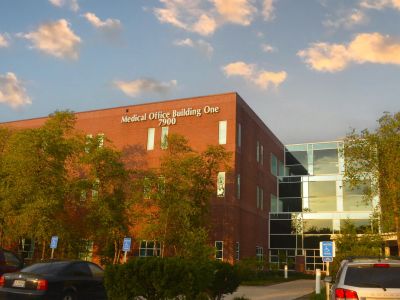
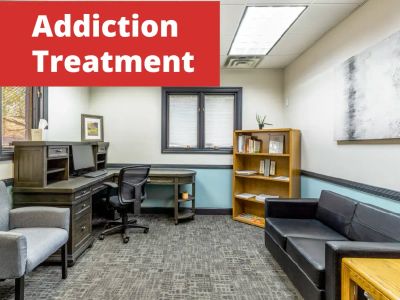
Indiana Center for Recovery - Alcohol & Drug Rehab Center Fort Wayne
Fort Wayne, Indiana
7900 W Jefferson Blvd, Fort Wayne, IN 46804
Get Personalized Rehab Matches in 60 Seconds
Tell us a few details and we’ll show a personalized shortlist of verified Indiana rehabs, making it simple to compare options and choose your next step with confidence.
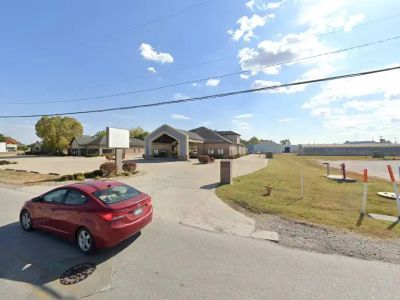
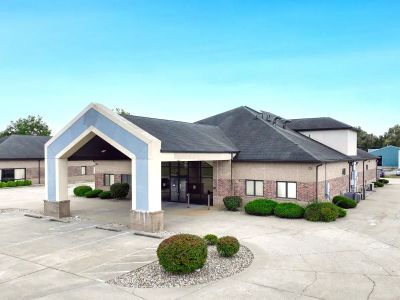
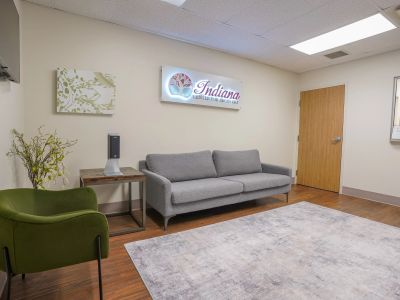
Indiana Center For Recovery- Alcohol & Drug Rehab Terre Haute
Terre Haute, Indiana
135 E Hospital Ln, Terre Haute, IN 47802
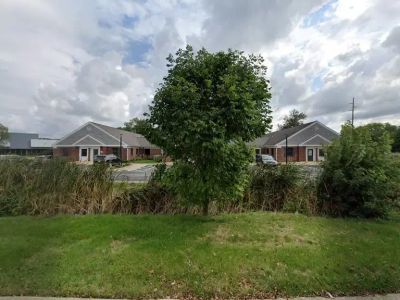
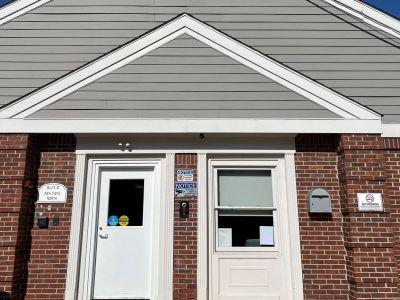
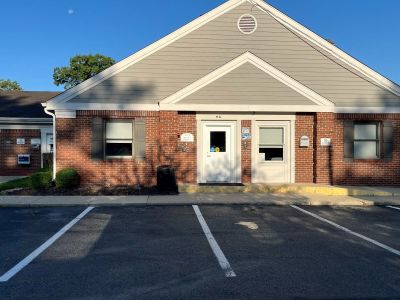
New Vista North
Indianapolis, Indiana
4010 W 86th St suite d, Indianapolis, IN 46268
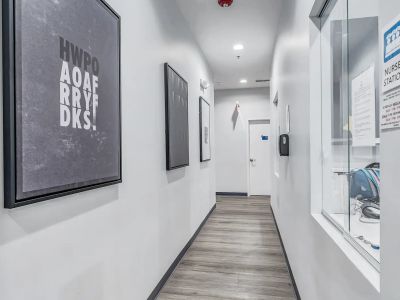
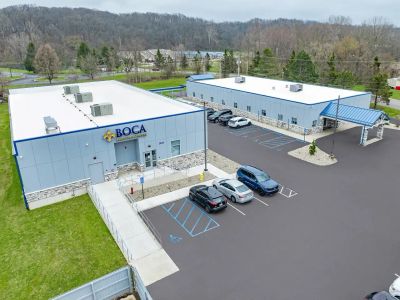
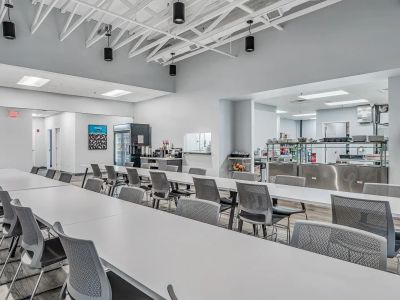
Boca Recovery Center - Fort Wayne, Indiana
Fort Wayne, Indiana
111 W Berry St #211, Fort Wayne, IN 46802
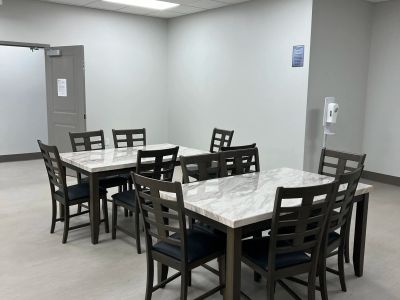
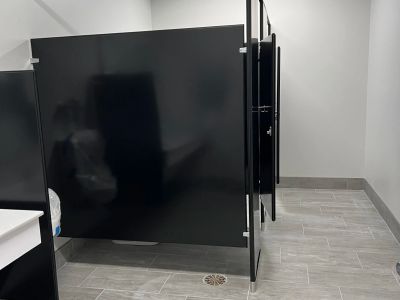
Sunrise Recovery - Drug and Alcohol Men's Rehab in Clarksville
Clarksville, Indiana
628 Eastern Blvd, Clarksville, IN 47129
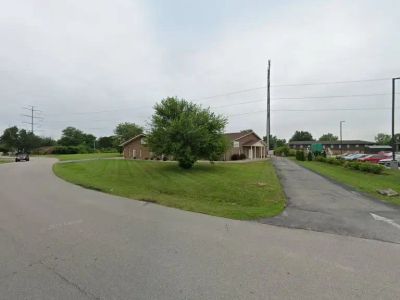
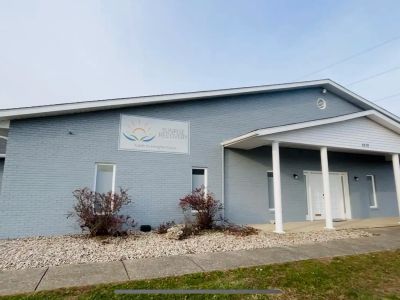
Sunrise Recovery - Drug and Alcohol Women's Rehab in Clarksville
Clarksville, Indiana
1610 Blackiston View Dr, Clarksville, IN 47129
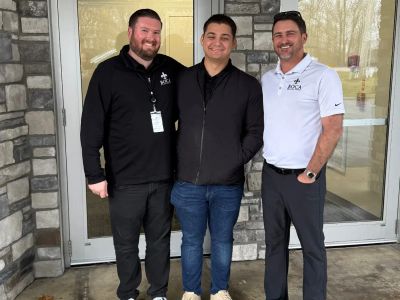
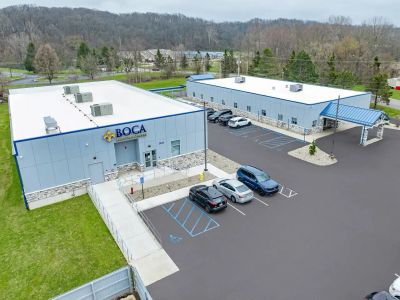

Boca Recovery Center - Indiana Drug and Alcohol Rehab
Huntington, Indiana
3040 W Park Dr, Huntington, IN 46750
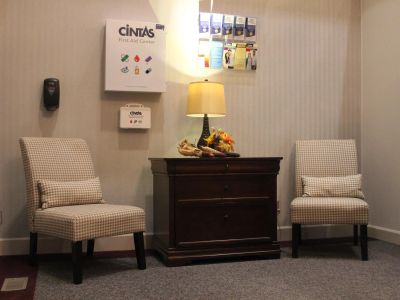
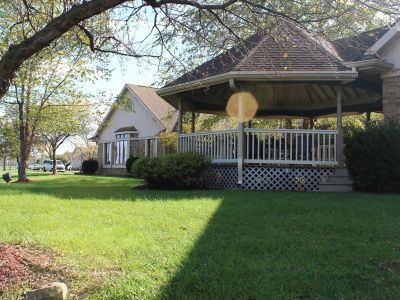

Bridges of Hope Treatment Center
Anderson, Indiana
E 2nd St, Anderson, IN 46016



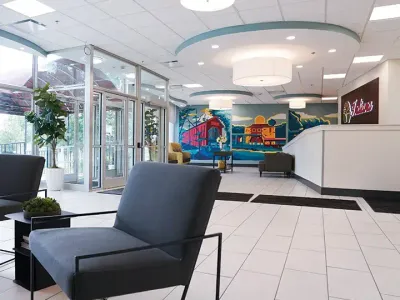
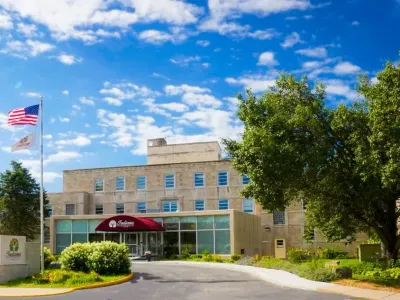
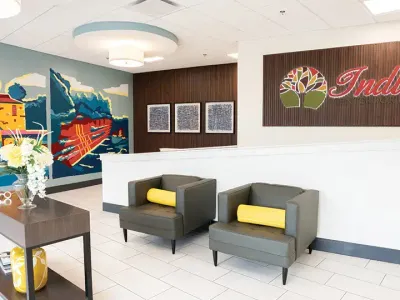
Indiana Center for Recovery - Alcohol & Drug Rehab Center Bedford
Bedford, Indiana
1600 23rd St, Bedford, IN 47421
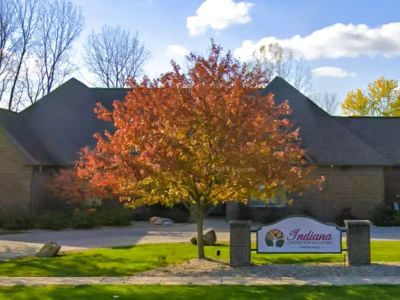

Indiana Center for Recovery - Alcohol & Drug Rehab Center Indianapolis
Indianapolis, Indiana
5510 S Emerson Ave, Indianapolis, IN 46237



Century Villa Health Care & Rehabilitation
Greentown, Indiana
705 N Meridian St, Greentown, IN 46936
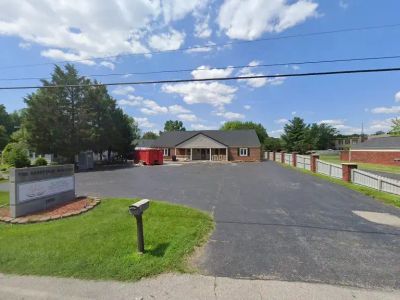
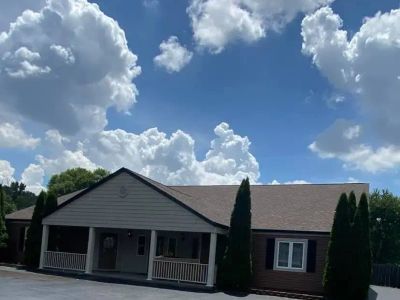
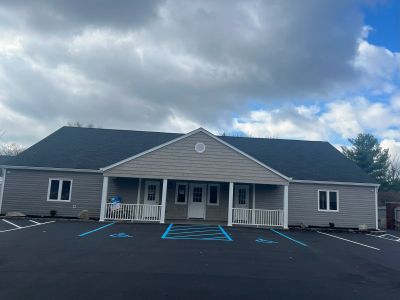
Sunrise Recovery - Drug and Alcohol Outpatient Rehab in Jeffersonville
Jeffersonville, Indiana
1505 Allison Ln, Jeffersonville, IN 47130

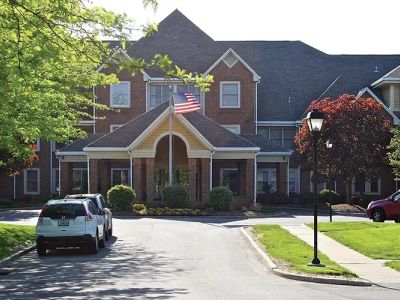

Forum at the Crossing
Indianapolis, Indiana
8505 Woodfield Crossing B Ofc, Indianapolis, IN 46240


215 W 4th St, Mishawaka, IN 46544

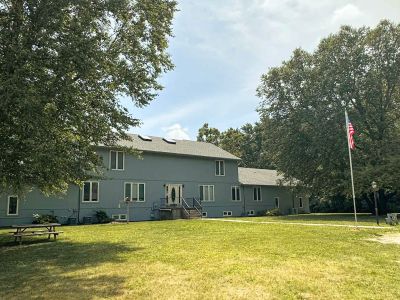
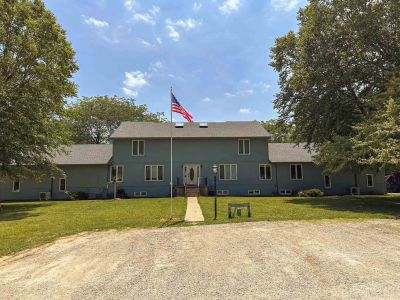
Still Water on the Wildcat Recovery
Kokomo, Indiana
2395 County Rd E 100 N, Kokomo, IN 46901



Ashton Creek Health and Rehabilitation Center
Fort Wayne, Indiana
4111 Park Place Drive, Fort Wayne, IN 46845
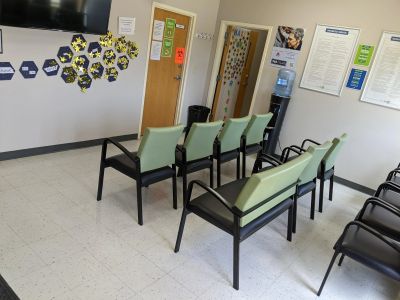
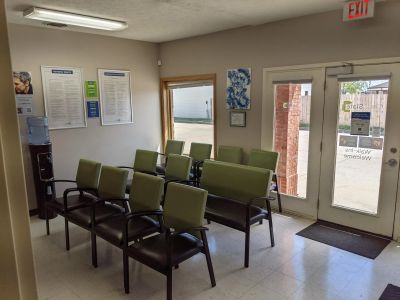
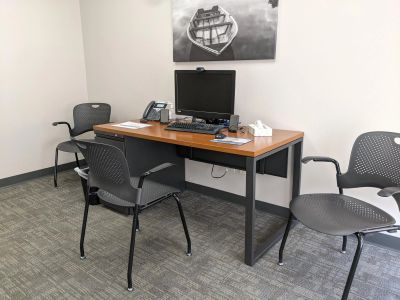
CleanSlate Outpatient Addiction Medicine
Lafayette, Indiana
30 Professional Ct #2A, Lafayette, IN 47905
Why Trust Indiana Rehabs
As Hoosiers helping Hoosiers, we understand the unique challenges our communities face. Our team meticulously verifies every Indiana treatment center, ensuring you find trusted, local care that truly understands your journey.
About our listingsLevels of Care
Explore popular treatment options by levels of care, from flexible treatment in Outpatient centers to intensive care in Residential rehabs.
Free · 24/7 · Confidential
Talk to a Treatment Specialist
Call now to get matched with Indiana facilities that accept your insurance.
(888) 568-9930
Free
Ins. check
4.9★
Rating
HIPAA
Protected
Can't travel to a facility?
Licensed Indiana therapists via secure video — same-week appointments, evenings & weekends available.
Imagine it’s the middle of the night and you’re facing a sudden medical issue during one of the most vulnerable moments of your recovery. In that quiet darkness, you need to know, without a doubt, that there’s a skilled professional ready to step in and help. That sense of safety isn’t just a comfort, it’s essential. Understanding exactly who’s available at a rehab facility around the clock can make all the difference in your healing, and knowing how to ask the right questions is the first step toward real peace of mind.
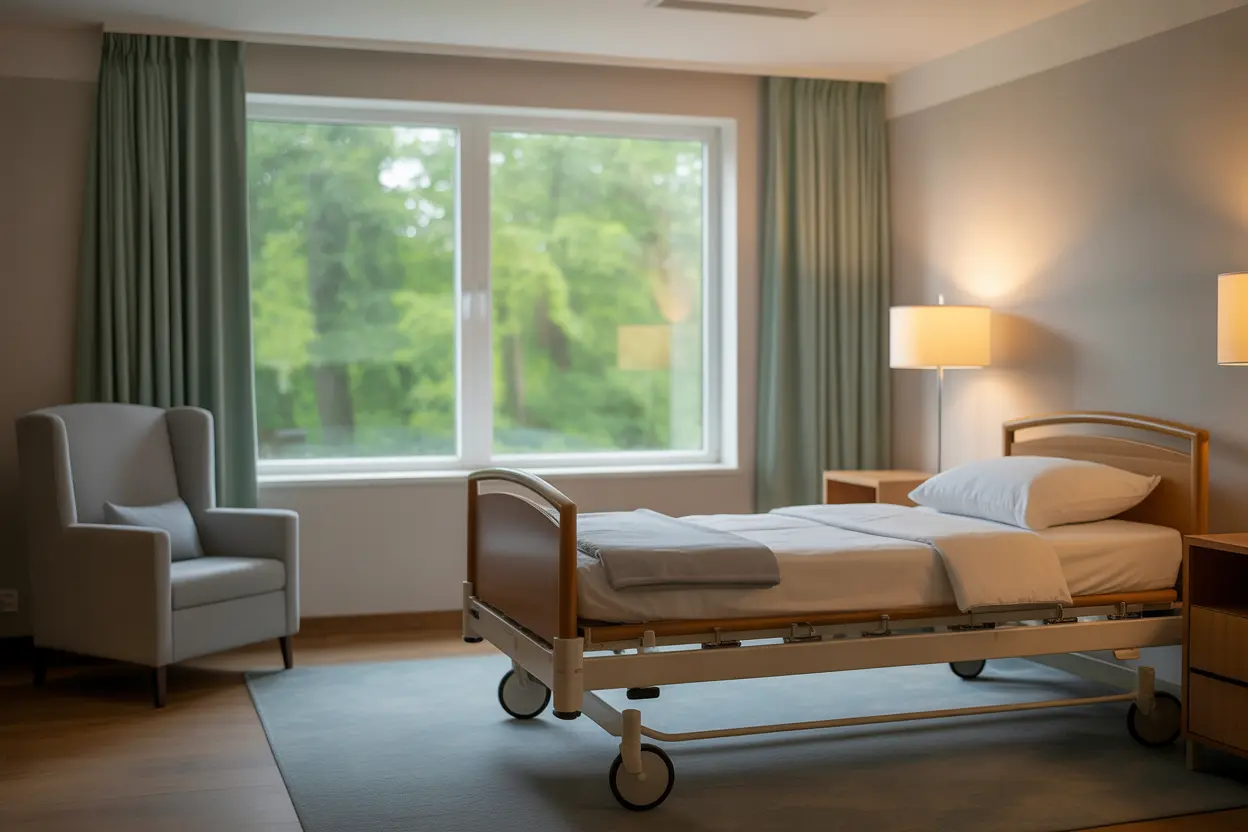
The Role of 24/7 Rehab Centers in Continuous Care
The first steps of recovery, especially during detox, are often the most physically demanding. Your body is working hard to heal, and withdrawal symptoms can range from uncomfortable to medically dangerous. This is where 24/7 medical supervision becomes so much more than a safety net, it’s a core part of effective rehabilitation. For some substances, like alcohol or benzodiazepines, withdrawal can bring risks like seizures, which require immediate medical intervention. Having round-the-clock care ensures that a qualified professional is always there to manage these symptoms, adjust your care plan, and handle any co-occurring health issues that might arise. This continuous presence not only keeps you safe but also builds a deep sense of trust, allowing you to focus completely on your healing. Studies have even shown that higher levels of nursing staff are linked with better patient safety outcomes and fewer emergency visits[1]. For anyone starting this journey, knowing that expert help is always just a moment away is fundamental to a safe and successful medical detox.
Staff qualifications and experience
Understanding who is on the care team can give you confidence in the treatment you or a loved one will receive. A high-quality facility will have a multidisciplinary team of medical professionals working together. In Indiana, these facilities must meet specific state requirements for their staff and services[2]. While titles can vary, here are some of the key roles you should look for and what they do.
| Role | Qualifications | Function in Your Recovery |
|---|---|---|
| Medical Director | Typically a physician (MD or DO), often with a specialty in addiction medicine or psychiatry. | Oversees all medical care and clinical protocols, ensuring patient safety and treatment effectiveness. |
| Addiction Psychiatrist | A physician specializing in mental health and substance use disorders. | Diagnoses and treats co-occurring mental health conditions and manages psychiatric medications. |
| Registered Nurse (RN) | Licensed nursing professional who has completed a nursing program and passed a national exam. | Administers medications, monitors vital signs and withdrawal symptoms, and provides 24/7 patient care. |
| Therapist | Holds a master's degree and license (LCSW, LMFT, or LMHC). | Conducts individual, group, and family therapy sessions to address the underlying causes of addiction. |
The collaboration between these roles is what creates a truly comprehensive treatment plan. The physician and nursing staff stabilize you medically, while licensed therapists help you build the psychological skills needed for lasting recovery. The best care happens when this team communicates constantly about your progress and adjusts your plan as you heal.
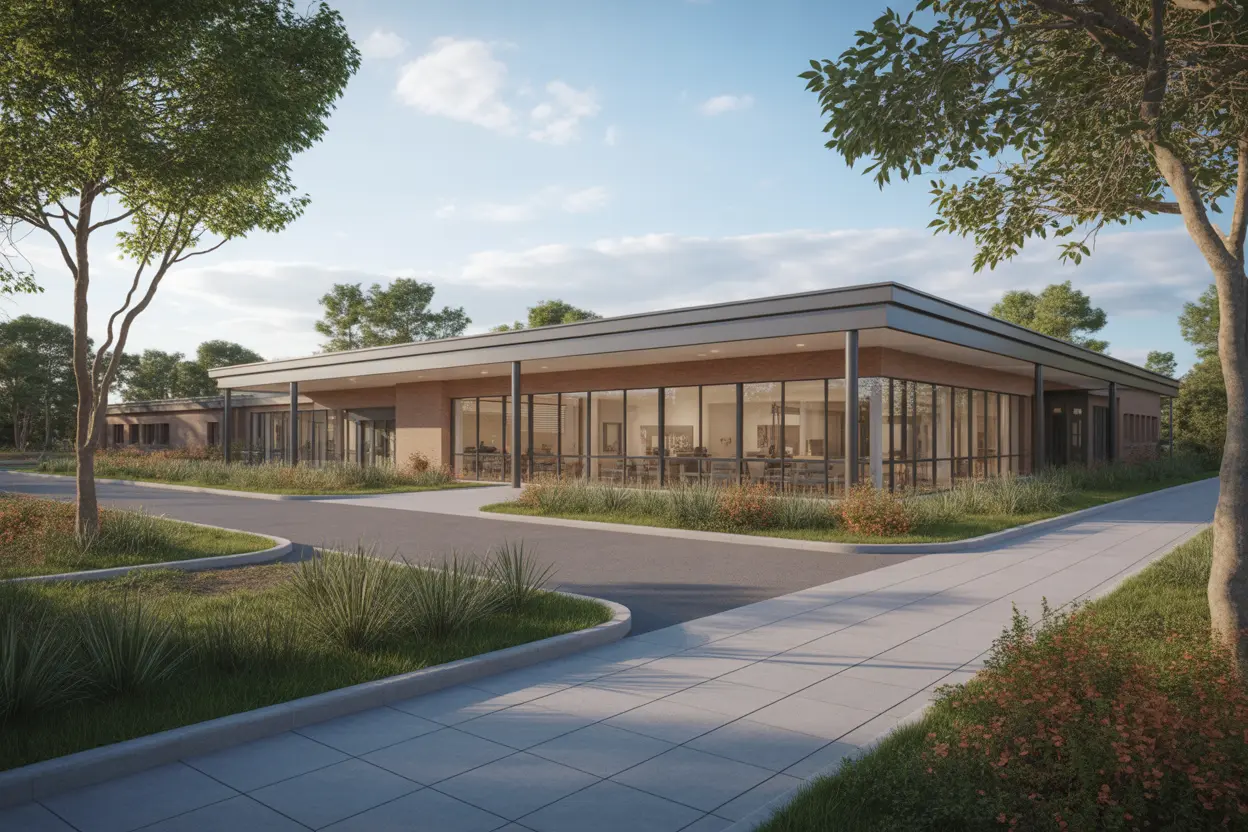
Types of 24/7 Rehabilitation Centers
The term "24/7" can mean different things at different treatment centers, so it's important to understand the distinctions. In Indiana, the intensity of medical staffing is designed to match the specific level of care a patient needs[3]. Some facilities, like medically managed inpatient detox programs, have a physician and nursing team on-site around the clock, similar to a hospital. This is the highest level of care, intended for those with severe withdrawal symptoms or complex medical conditions.
Other facilities, such as many residential treatment programs, may have 24/7 nursing support on-site with a physician who is on-call after hours. This model provides excellent medical supervision for patients who are stable but still need consistent clinical care and support. It’s crucial to ask for clarification. The right fit depends entirely on your unique health needs, ensuring you have the right professionals available at the right time.
Key Features of Round-the-Clock Rehabilitation Centers
When a rehabilitation center offers round-the-clock care, it provides a structured and secure environment designed to manage every aspect of your early recovery. This constant medical presence allows for a highly responsive and individualized approach that simply isn’t possible otherwise. Here’s what that support looks like in practice:
- Continuous Medical Supervision: Staff are always present to monitor vital signs, manage withdrawal symptoms, and ensure your physical safety at all hours of the day and night.
- Around-the-Clock Medication Management: Nurses are on-site to administer medication on schedule, helping to reduce cravings and ease discomfort, which is a critical part of a comfortable detox and recovery process.
- Immediate Emergency Response: Should any medical emergency arise, a skilled team is already there to provide immediate intervention, offering peace of mind to both you and your loved ones.
- Constant Accessibility for Consultation: Medical staff are available at any time to consult with your therapy team, ensuring that your treatment plan is always aligned with your current medical status and evolving needs.

Benefits of Inpatient Drug Rehab
Choosing an inpatient drug rehab with 24/7 medical staff offers profound benefits that create a strong foundation for long-term sobriety. The most immediate advantage is safety. During the volatile detox phase, having medical professionals on hand minimizes risks and ensures that any complications are handled instantly. This constant care significantly increases comfort, as withdrawal symptoms can be managed effectively with the right medication and support, making the entire process more bearable.
Furthermore, this environment is ideal for treating co-occurring disorders, often called dual diagnosis, where a person experiences both a substance use disorder and a mental health condition. With medical and psychiatric staff on-site, both issues can be addressed simultaneously in an integrated way. This comprehensive approach is proven to lead to better outcomes. In Indiana, the positive impact of 24/7 staffed centers is clear, with facilities successfully resolving thousands of crises and providing critical care when it's needed most[4]. Ultimately, this level of care offers invaluable peace of mind, allowing you and your family to trust that you are in a safe, supportive, and capable environment.
How to Locate 24/7 Rehabilitation Centers in Your Area
Finding the right facility can feel overwhelming, but a few practical steps can help you narrow down your options. Start by using online directories that allow you to filter for specific services like "medical detox" or "24/7 nursing." This will quickly create a list of rehabilitation centers that claim to offer the level of care you need. Next, look for accreditations. Seals from organizations like The Joint Commission or CARF are strong indicators of high medical and safety standards. Finally, and most importantly, call the admissions team directly. The answers they provide will tell you everything you need to know about their commitment to patient care and safety. To ensure a facility is licensed, you can also check with state resources that oversee addiction treatment providers[5]. For nationwide help, you can also use tools like the SAMHSA National Helpline and treatment locator.
Key Questions to Consider When Selecting a 24/7 Rehabilitation Center
When you speak with an admissions coordinator, you have the right to ask direct and specific questions. Don't be shy, your safety is the top priority. Here are some essential questions to ask:
- Do you have a medical doctor and registered nurses on-site 24 hours a day, 7 days a week?
- Who is responsible for administering medications, and what are their qualifications?
- What is your protocol for a medical emergency, like a seizure or a cardiac event?
- Is your medical director board-certified in addiction medicine or psychiatry?
- What is the typical patient-to-staff ratio for your nursing team, especially during overnight hours?
Costs and Insurance Coverage for 24/7 Rehab Centers
It’s natural to worry about the cost of treatment. While facilities with 24/7 medical staff are more intensive and therefore more expensive, they are often covered by insurance because they are considered a medical necessity, especially for detox and inpatient care. Most health insurance plans provide coverage for addiction treatment, including medically supervised detoxification and inpatient services, as required by law. In Indiana, this includes coverage through the state's Medicaid programs for eligible residents[6][7]. To understand your benefits, call your insurance provider and ask specifically about coverage for "medically supervised detoxification" and "inpatient level of care." They can tell you what your plan covers and what your out-of-pocket costs might be. For a simple way to see what your plan may cover, you can also use a confidential form to verify your insurance online.
Find the Right Level of Care in Indiana
Choosing a treatment center is a significant decision, but you don’t have to make it alone. Remember that for a safe and effective recovery, especially in the early stages, a qualified medical team is a necessity, not a luxury. Empower yourself by asking direct questions, verifying credentials, and choosing a facility that puts your health and safety first. Indiana is committed to increasing access to high-quality, certified providers to help Hoosiers find the care they need[8]. Your recovery journey deserves the best possible start in an environment where you feel secure and supported around the clock. By understanding the different levels of care available, you can make an informed choice that aligns with your needs.
Finding the right rehab program with 24/7 medical staff is a critical step toward lasting recovery. It’s about ensuring safety, building trust, and giving yourself the best possible chance to heal. If you’re ready to take that step or need help navigating your options, we’re here for you. You can speak with a caring professional by calling (888) 568-9930, or explore the resources available at Indiana Rehabs. For more information or to ask a question, feel free to reach out through our contact page. You are not alone, and help is here.
Frequently Asked Questions About Medical Rehab in Indiana
What is the difference between inpatient and outpatient rehab?
Is a 24/7 medical rehab the same as a hospital?
How long do I need to be in rehab?
What happens during medical detox?
What types of therapy are offered in rehab?
Can my family be involved in my treatment?
- Medicare Payment Advisory Commission. (March, 2025). Chapter 6: Skilled nursing facility services. MedPAC. medpac.gov
- U.S. Department of Health and Human Services. (August, 2021). INDIANA | State Residential Treatment for Behavioral Health. ASPE. aspe.hhs.gov
- Indiana Family and Social Services Administration. (2024). Community addiction services assessment. Indiana FSSA, Division of Mental Health and Addiction. in.gov
- Indiana Behavioral Health Commission. (10-01-2024). Indiana Behavioral Health Commission Final Report. State of Indiana. in.gov
- Indiana Family and Social Services Administration. (07-14-2020). Certification and Licensure Rules and Indiana Code. Indiana DMHA. in.gov
- Indiana Health Coverage Programs. (06-16-2021). Substance Use Disorder (SUD)/Serious Mental Illness (SMI) Treatment. State of Indiana. in.gov
- Medicaid.gov. (02-01-2018). Healthy Indiana Plan SUD Implementation Protocol. Medicaid.gov. medicaid.gov
- Indiana Drug Overdose Prevention. (November, 2024). Progress Report November 2024. State of Indiana. in.gov