Rehabs that Offer Spiritual Support

Showing 20 of 23 Results (filtered)
Featured Rehab Centers
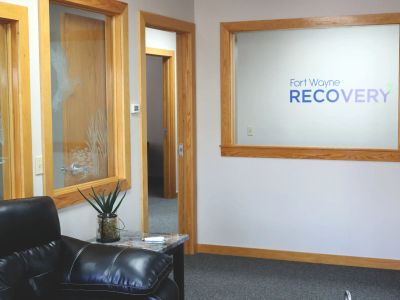
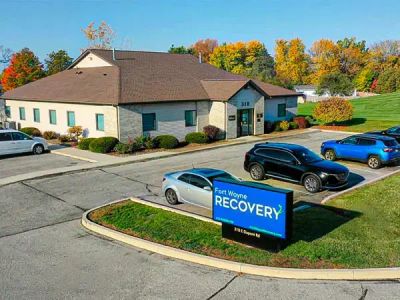

Fort Wayne Recovery
Fort Wayne, Indiana
310 E Dupont Rd, Fort Wayne, IN 46825
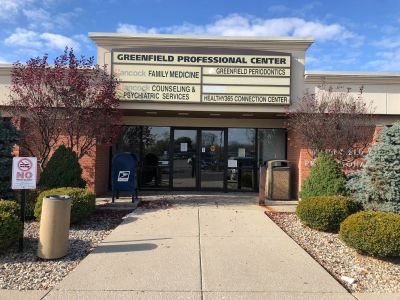
Hancock Health Connection Center
Greenfield, Indiana
120 W McKenzie Rd Suite G, Greenfield, IN 46140
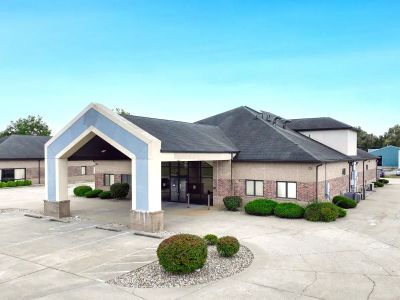
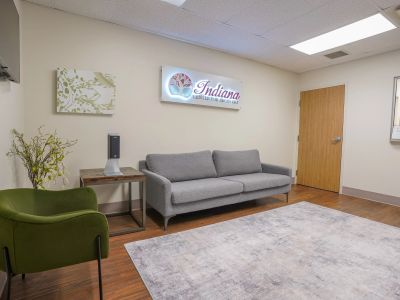
Indiana Center For Recovery- Alcohol & Drug Rehab Terre Haute
Terre Haute, Indiana
135 E Hospital Ln, Terre Haute, IN 47802
Get Personalized Rehab Matches in 60 Seconds
Tell us a few details and we’ll show a personalized shortlist of verified Indiana rehabs, making it simple to compare options and choose your next step with confidence.

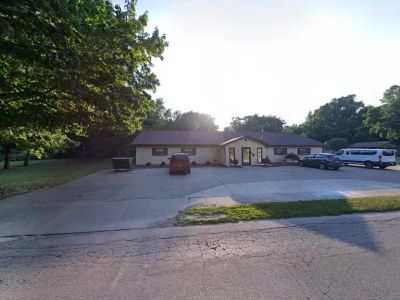

Through The Gate
Crawfordsville, Indiana
811 Whitlock Ave, Crawfordsville, IN 47933
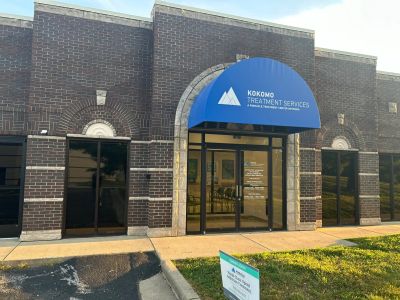
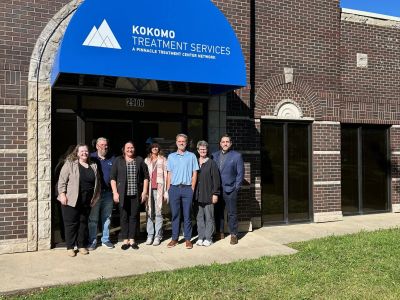
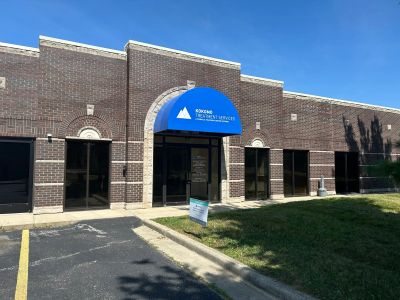
Pinnacle Treatment Centers - Kokomo
Kokomo, Indiana
2906 S. Reed Rd. Kokomo, IN 46902
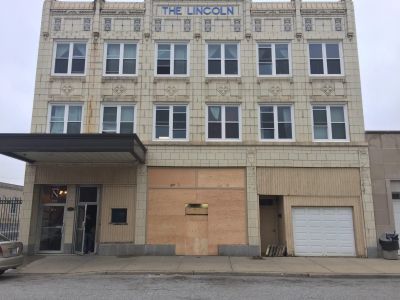
Better Roads Recovery Ministry
Hammond, Indiana
519 State St #1533, Hammond, IN 46320
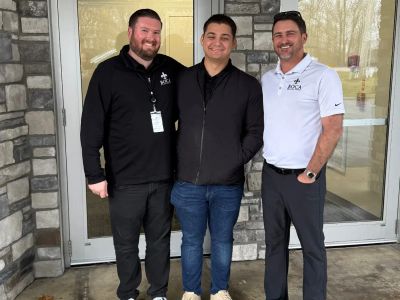
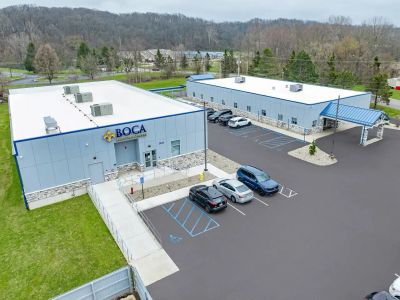
Boca Recovery Center - Indiana Drug and Alcohol Rehab
Huntington, Indiana
3040 W Park Dr, Huntington, IN 46750
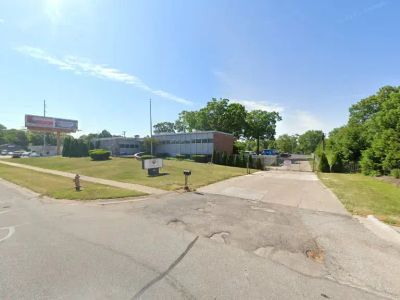
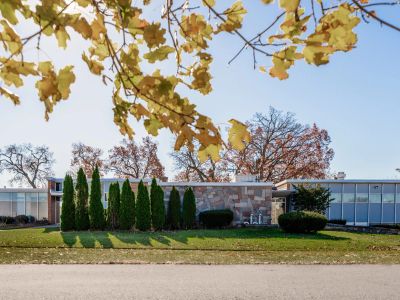

Cardinal Recovery
Franklin, Indiana
1130 West Jefferson St, Franklin, IN, 46131
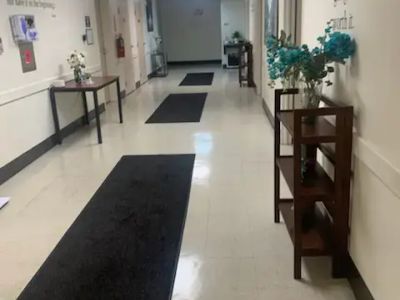
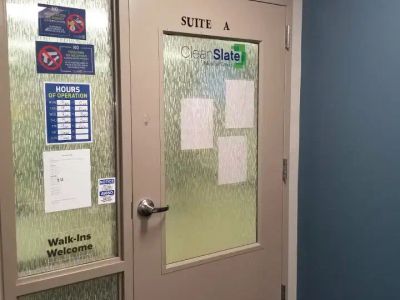
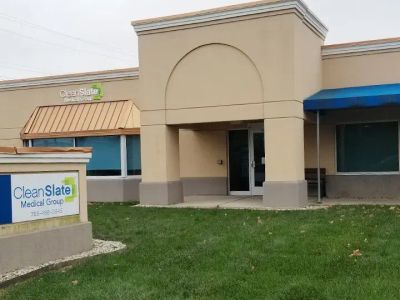
CleanSlate Outpatient Addiction Medicine
Richmond, Indiana
2302 Chester Blvd A, Richmond, IN 47374
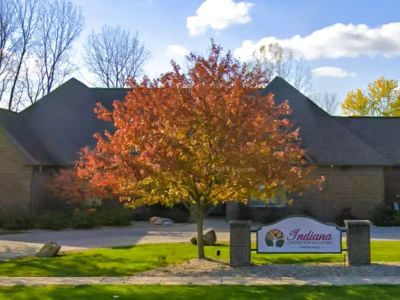

Indiana Center for Recovery - Alcohol & Drug Rehab Center Indianapolis
Indianapolis, Indiana
5510 S Emerson Ave, Indianapolis, IN 46237
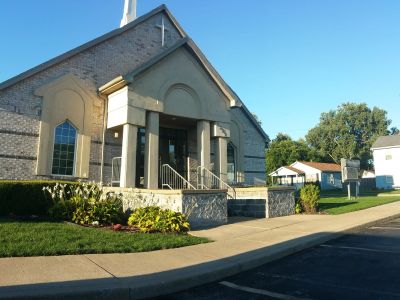
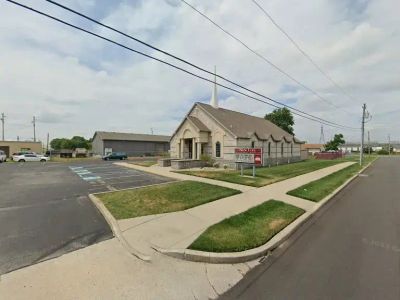
New Life Deliverance Center
South Bend, Indiana
2525 South Michigan Street, South Bend, IN 46614

Kendallville Manor Nursing and Rehab
Kendallville, Indiana
1802 Dowling St, Kendallville, IN 46755

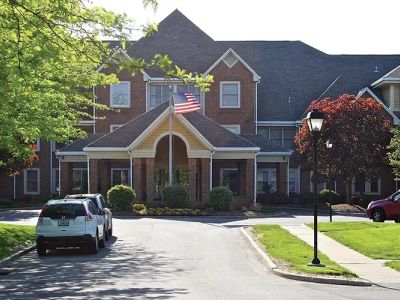

Forum at the Crossing
Indianapolis, Indiana
8505 Woodfield Crossing B Ofc, Indianapolis, IN 46240
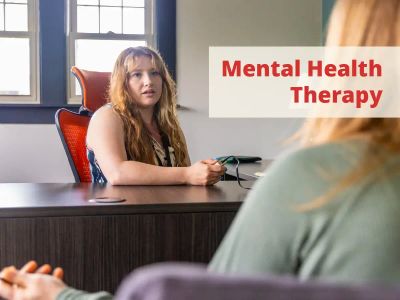


215 W 4th St, Mishawaka, IN 46544
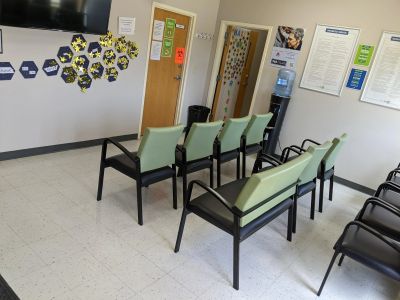
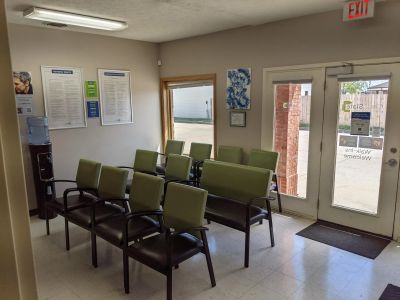

CleanSlate Outpatient Addiction Medicine
Lafayette, Indiana
30 Professional Ct #2A, Lafayette, IN 47905
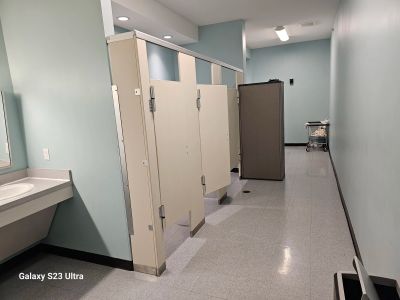
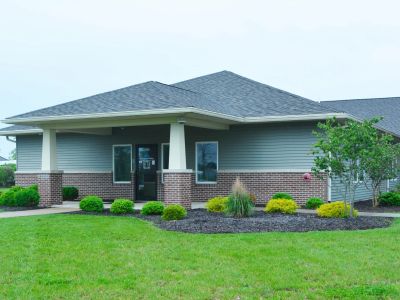

Pinnacle Treatment Centers - Cambridge City
Cambridge City, Indiana
2060 State Road 1 North, Cambridge City, IN, 47327
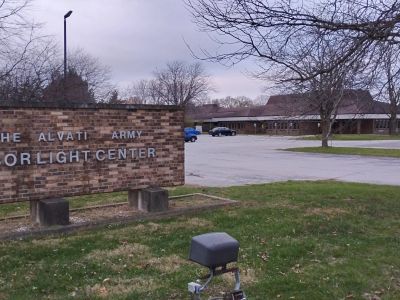
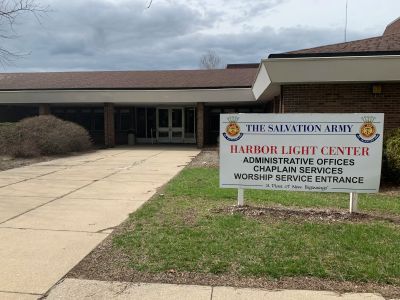
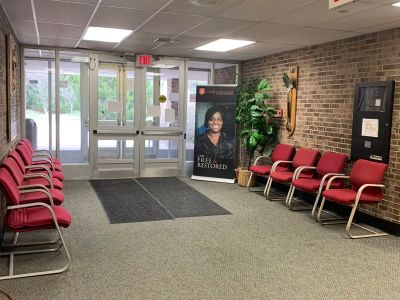
Salvation Army Harbor Light Center
Indianapolis, Indiana
2400 N Tibbs Ave, Indianapolis, IN 46222
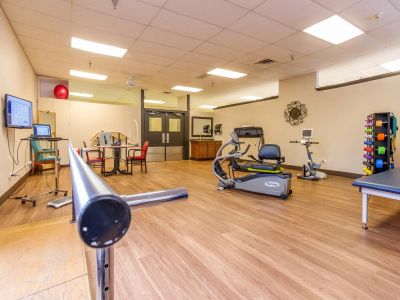
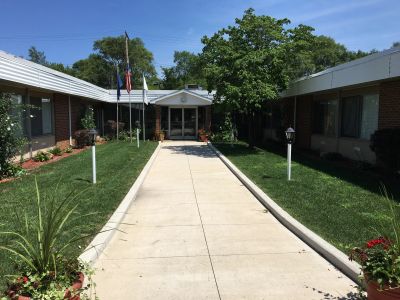
South Shore Health & Rehabilitation
Gary, Indiana
353 Tyler St, Gary, IN 46402

Cognitive Consultants
Middletown, Indiana
6639 Centurion Drive, Middletown, IN 48917
Why Trust Indiana Rehabs
As Hoosiers helping Hoosiers, we understand the unique challenges our communities face. Our team meticulously verifies every Indiana treatment center, ensuring you find trusted, local care that truly understands your journey.
About our listingsLevels of Care
Explore popular treatment options by levels of care, from flexible treatment in Outpatient centers to intensive care in Residential rehabs.
Free · 24/7 · Confidential
Talk to a Treatment Specialist
Call now to get matched with Indiana facilities that accept your insurance.
(888) 568-9930
Free
Ins. check
4.9★
Rating
HIPAA
Protected
Can't travel to a facility?
Licensed Indiana therapists via secure video — same-week appointments, evenings & weekends available.
Sometimes, the hardest part of recovery is the ache for something deeper, a longing for peace, meaning, or simply to feel whole again, beyond the scans and schedules of clinical care. If you’re searching for a sense of connection or purpose as part of your healing, know that you’re not alone; so many people find themselves wanting more than just medical answers as they walk this path. The good news is, spiritual support isn't one-size-fits-all, it might be rooted in faith, quiet reflection, or a community built on shared hope, and finding what resonates with you can gently light up even the darkest stretches of recovery.

What is Spiritual Addiction Rehab?
Spiritual addiction rehab is an approach to healing that cares for the whole person, mind, body, and spirit. It recognizes that addiction affects more than just your physical health; it can leave you feeling disconnected from yourself, others, and your sense of purpose. The goal of this type of treatment is to help you rebuild that connection through practices that bring you peace and meaning. It's a common element in recovery, with studies showing that about 73% of addiction treatment programs in the U.S. include a spirituality-based component[1].
It’s important to know that "spiritual" doesn't have to mean "religious." While some programs are faith-based and rooted in specific religious doctrines, many more focus on a broader, more personal journey. These programs often include secular practices like mindfulness, meditation, time in nature, or simply discovering what gives your life meaning. You don't need to have any particular religious beliefs to benefit. A spiritual support rehab program welcomes people from all backgrounds and is designed to help you explore your own unique path to healing. In Indiana, this inclusive approach is supported by laws that allow for spiritual guidance from trusted community figures, ensuring a wide range of support is available[2].
Benefits of Spiritual Rehab for Addiction Recovery
Choosing a spiritual rehab can feel like adding a missing piece to the recovery puzzle. It goes beyond just stopping substance use and helps you build a life that feels meaningful and resilient. Research consistently shows that incorporating faith and spirituality into the recovery process has a powerful positive impact, with one review of studies finding it was a positive factor 84% of the time[3]. These spiritual rehab centers often provide a warm, supportive environment where you can heal on a deeper level.
Some of the core benefits you might experience include:
- A Renewed Sense of Purpose: Addiction can make life feel empty or directionless. Spiritual practices like meditation and reflection help you reconnect with your values and discover what truly matters to you, which is a key part of recovery as defined by SAMHSA[4].
- A Strong, Supportive Community: You’ll be surrounded by people who understand what you’re going through. This sense of belonging and shared hope creates a powerful support system that reduces feelings of isolation and strengthens your commitment to sobriety.
- Healthy Coping Mechanisms: Instead of turning to substances, you’ll learn healthy ways to manage stress and difficult emotions. Practices like mindfulness and meditation can calm your mind and help you navigate challenges with greater peace.
- Inner Peace and Forgiveness: Spiritual rehab provides a safe space to work through feelings of guilt or shame. It encourages self-compassion and forgiveness, allowing you to let go of the past and move forward with a lighter heart.
Key Components of Spiritual Drug and Alcohol Rehab
Spiritual drug and alcohol rehab isn't a single, rigid program. Instead, it’s a flexible approach that can be tailored to fit your personal beliefs and needs. These programs weave together evidence-based clinical therapy with spiritual practices that nurture your inner self. Whether through quiet meditation, group prayer, or structured therapy sessions, the goal is to create a well-rounded healing experience that supports your entire being.
Holistic Therapy & Spiritual Healing
Many spiritual rehab programs incorporate holistic therapies that connect the mind, body, and spirit. These practices are designed to promote emotional healing and overall well-being. For example, yoga therapy can help you release physical tension while calming your mind, and guided meditation can teach you to observe your thoughts without judgment. Other activities, like art therapy or spending time in nature, provide creative and peaceful outlets for processing emotions and fostering a sense of connection to the world around you. This focus on holistic healing helps you develop a deeper understanding of yourself and build a strong foundation for lasting recovery.
The Role of 12 Step Spiritual Recovery
The 12-Step model, first introduced by Alcoholics Anonymous, is a cornerstone of many spiritual recovery programs[1]. It provides a structured pathway for the recovery process, with a central theme of acknowledging a "Higher Power." It’s important to understand that this concept is intentionally open to interpretation. For some, it may be God, while for others, it could be the universe, nature, or the collective strength of their support group. This flexibility makes 12-Step-based programs accessible to people from all spiritual backgrounds, offering a sense of fellowship and a clear framework for healing.
Finding a Supportive Community
Feeling understood and accepted is one of the most powerful forces in recovery. Spiritual rehab programs excel at creating a strong sense of community and fellowship. Whether it's through group discussions, shared reflective practices, or peer-led support groups, you're surrounded by people who genuinely care about your well-being. This environment fosters deep, supportive bonds that can last long after you’ve completed the program. Knowing you have a community to lean on can make all the difference, especially on challenging days. This focus on peer connections is a vital part of building a sustainable recovery[5].

How to Find a Religious Rehabilitation Center
Finding the right spiritual or faith-based rehab in Indiana starts with knowing what to look for. Because your personal beliefs are so important to this process, it’s essential to find a program that feels like a good fit. You can start by exploring a rehab directory to compare different treatment centers. Use filters to narrow your search by criteria like "spiritual" or "faith-based" to see which programs align with your needs. Under Indiana law, treatment facilities must create individualized care plans, which means you have the right to include spiritual support as part of your recovery[6].
A common question is whether insurance covers this type of care. The answer is often yes. Many insurance plans, including Indiana Medicaid, provide coverage for substance use disorder treatment at licensed facilities[7]. The best way to be sure is to verify your coverage directly. You can often do this online or by making a quick, confidential phone call. For more information on state-level services, the Indiana Division of Mental Health and Addiction is a valuable resource. Taking a few moments to confirm your benefits can bring peace of mind and help you focus on what truly matters: your healing.
Self-Discovery and Personal Growth
Your recovery journey is a chance for profound self-discovery and personal growth. A spiritual support rehab offers a unique path to healing because it honors every part of you. It’s a space where you can address not just the physical side of addiction, but also the emotional and spiritual wounds that need tending. By integrating practices that align with your personal values, you can build a strong foundation for a meaningful, substance-free life. Remember, "spiritual" is a deeply personal term, and the most effective program is one that resonates with you.
This journey is about more than just getting sober; it’s about rediscovering hope and finding a sense of purpose that can guide you long after treatment ends[4]. Taking that first step can feel overwhelming, but you don’t have to do it alone. Exploring different programs with a spiritual emphasis or simply reflecting on what you need from your healing journey is a brave and powerful start toward building a brighter future.
Healing is a deeply personal journey, and finding a path that nurtures your mind, body, and spirit can make all the difference. If you’re ready to explore how spiritual support can fit into your recovery, help is just a phone call away. You can speak with a caring specialist by calling (888) 568-9930. At Indiana Rehabs, we’re here to help you find a program that honors your beliefs and supports your journey toward a hopeful, healthy future. Please don't hesitate to reach out to us today to get started.
Frequently Asked Questions About Spiritual Support Rehab
What is the difference between spiritual rehab and religious rehab?
How does a 12-step program work?
Does Indiana Medicaid cover spiritual rehab?
How do I find a Christian rehab near me?
- Grim, B. J., & Grim, M. E. (2019). Belief, Behavior, and Belonging: How Faith is Indispensable in Substance Abuse Recovery. Journal of religion and health. pmc.ncbi.nlm.nih.gov
- Indiana Code § 25-23.6-4.5-2. (2007). Exemptions. Indiana General Assembly. law.justia.com
- Grim, B. J., & Grim, M. E. (2019). Belief, Behavior, and Belonging: How Faith is Indispensable in Substance Abuse Recovery. Journal of religion and health. pmc.ncbi.nlm.nih.gov
- Substance Abuse and Mental Health Services Administration. (09-05-2024). Recovery and Support. SAMHSA. samhsa.gov
- Mental Health America of Indiana. (2021). Mental Health America of Indiana Strategic Plan 2021-2025. Mental Health America of Indiana. mhai.net
- U.S. Department of Health & Human Services. (August, 2021). State Residential Treatment for Behavioral Health: INDIANA. ASPE. aspe.hhs.gov
- Indiana Medicaid. (06-16-2021). Substance Use Disorder (SUD)/Serious Mental Illness (SMI) Treatment. in.gov. in.gov