
Acamprosate Therapy in Indiana



Showing 10 of 10 Results (filtered)
Featured Rehab Centers



1501 A St NE, Linton, IN 47441

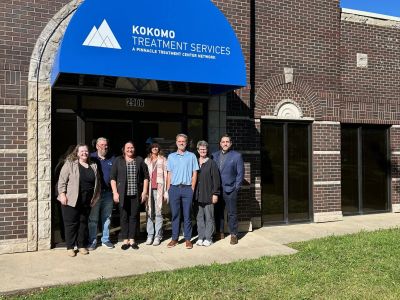

Pinnacle Treatment Centers - Kokomo
Kokomo, Indiana
2906 S. Reed Rd. Kokomo, IN 46902



Dr. Malek’s Office – Primary Care, Senior Care & Mental Health
Evansville, Indiana
4972 Lincoln Ave #101, Evansville, IN 47715
Get Personalized Rehab Matches in 60 Seconds
Tell us a few details and we’ll show a personalized shortlist of verified Indiana rehabs, making it simple to compare options and choose your next step with confidence.



Indiana Center for Recovery - Alcohol & Drug Rehab Center Bedford
Bedford, Indiana
1600 23rd St, Bedford, IN 47421



CleanSlate Outpatient Addiction Medicine
Warsaw, Indiana
2936 Frontage Rd, Warsaw, IN 46580



CleanSlate Outpatient Addiction Medicine
Greencastle, Indiana
833 Indianapolis Rd Suite E, Greencastle, IN 46135



CleanSlate Outpatient Addiction Medicine
Greenwood, Indiana
65 Airport Pkwy #114, Greenwood, IN 46143



First City Recovery Center
Kokomo, Indiana
317 W Jefferson St, Kokomo, IN, 46901



Madison State Hospital
Madison, Indiana
711 Green Road, Madison, IN, 47250
Southwestern Behavioral Healthcare - Faren E. Levell Center
Evansville, Indiana
410 Mulberry St. Evansville, IN 47713
Why Trust Indiana Rehabs
As Hoosiers helping Hoosiers, we understand the unique challenges our communities face. Our team meticulously verifies every Indiana treatment center, ensuring you find trusted, local care that truly understands your journey.
About our listingsLevels of Care
Explore popular treatment options by levels of care, from flexible treatment in Outpatient centers to intensive care in Residential rehabs.
Free · 24/7 · Confidential
Talk to a Treatment Specialist
Call now to get matched with Indiana facilities that accept your insurance.
(888) 568-9930
Free
Ins. check
4.9★
Rating
HIPAA
Protected
Can't travel to a facility?
Licensed Indiana therapists via secure video — same-week appointments, evenings & weekends available.
You’ve made it through those first tough days without alcohol, but now the real work begins, facing long stretches where cravings or that creeping sense of restlessness can suddenly make sobriety feel fragile. It’s a part of recovery that often leaves you wondering, “What now?” Here’s where acamprosate comes in: this FDA-approved medication is specially designed for this stage, helping gently restore a sense of balance and making it just a bit easier to stay true to your goals day after day.

Acamprosate For Alcohol Use Disorder
When you're navigating the early stages of recovery from an alcohol use disorder, having the right support can make all the difference. acamprosate is an FDA-approved medication designed specifically to help people maintain abstinence after they have safely completed detoxification. Think of it not as a cure, but as a steadying hand that helps you stay on track. It doesn’t prevent the immediate, acute symptoms of withdrawal, but its real strength lies in supporting long-term sobriety.
The main goal of this treatment is to make it easier to resist the urge to drink by helping your brain find its equilibrium again. It’s important to know that acamprosate isn’t a magic bullet. Instead, it’s prescribed as one piece of a comprehensive treatment plan. The most effective recovery journeys combine this medication with ongoing counseling, therapy, and a strong support system. This combination addresses both the physical and psychological aspects of addiction, giving you a more solid foundation for lasting change.
How Is Acamprosate Used For Alcohol Addiction Treatment?
When you and your doctor decide that acamprosate is a good fit for your alcohol addiction treatment plan, the process is straightforward. Treatment typically starts about five days after you’ve had your last drink, once the initial detoxification phase is over. The standard prescription is two tablets taken three times a day. While that might sound like a lot to remember, establishing a routine makes it manageable, and your care team can help you with strategies for staying on schedule.
For the best results, it’s crucial to take the medication exactly as prescribed, consistently, every day. You can take the tablets with or without food, which offers some flexibility. A full course of treatment often lasts for up to a year, providing long-term support as you build new, healthy habits. Consistent use is key, and effective medication management is a skill you'll develop as part of your recovery, ensuring the dose can work as intended to help you maintain abstinence.
How Does Acamprosate Work?
So, how does acamprosate work its magic? To understand, it helps to first know what long-term alcohol use does to the brain. Alcohol disrupts the delicate balance of your brain’s natural chemicals, especially two important neurotransmitters: glutamate and GABA. Think of glutamate as the brain's "gas pedal" (it's excitatory) and GABA as the "brake pedal" (it's inhibitory). Chronic drinking throws this system out of whack, leaving the brain in a constant state of over-excitement when alcohol is removed.
This is where acamprosate steps in. While its exact mechanism is still being studied, it is believed to help restore the natural balance between the glutamate and GABA systems. By calming this hyperexcitable state, it helps soothe the brain during the challenging period of early recovery. This rebalancing act is what helps reduce the uncomfortable feelings that can trigger a relapse, such as restlessness, anxiety, insomnia, and general unease. By turning down the volume on this internal "noise," acamprosate helps diminish the powerful craving to drink, giving you the mental space to focus on your recovery.
Effectiveness of Acamprosate in the Treatment of Alcohol Dependence
When considering any medication, it's natural to ask: how well does it actually work? Numerous studies have looked into the effectiveness of acamprosate for the treatment of alcohol dependence, and the results are encouraging, especially when it's part of a bigger plan.
- Clinical trials have shown that patients receiving acamprosate have a significantly better chance of staying sober compared to those who received a placebo. One major review found that taking acamprosate reduced the risk of returning to any drinking by 86%.
- Beyond just preventing relapse, studies also show it helps people stay sober for longer. The same review found that acamprosate increased the total time of abstinence by 11% over the course of the studies.
- However, its efficacy is closely tied to consistency. Like any medication, it only works if you take it as prescribed. Research highlights that adherence can be a challenge; one study noted that the average adherence to acamprosate was about 70%. This underscores why combining the medication with therapy and support is so important for overcoming challenges with medication adherence in MAT.
- Ultimately, the greatest success is seen when individuals pair acamprosate with psychosocial support, like counseling and peer groups. The medication helps quiet the brain's cravings, while therapy provides the tools to build a life where alcohol is no longer needed.
Who Is Acamprosate Appropriate For?
Deciding if acamprosate is the right medication is a conversation to have with your doctor, as it’s best suited for a specific type of patient profile. The ideal candidate for acamprosate is someone who has already stopped drinking and is motivated to maintain complete abstinence. Its purpose is to support that commitment, not to reduce drinking or manage withdrawal, so it's for individuals who are ready to fully step away from alcohol.
There are also important health considerations. acamprosate is not appropriate for individuals with severe kidney problems, as the kidneys are responsible for clearing the medication from the body. A doctor will always perform a thorough medical assessment to ensure your kidneys are functioning well enough for the prescription to be safe.
On the other hand, because acamprosate is not processed by the liver, it can be a particularly good option for people with liver health issues, which are unfortunately common among those with a long history of heavy drinking. This makes it a safer choice in many cases compared to other medications. A full evaluation from a healthcare professional is the only way to determine if acamprosate is the right fit for your personal recovery journey.

Side Effects Of Acamprosate
Like any medication, acamprosate comes with potential side effects, but most are mild and tend to fade as your body adjusts. The most common side effect by far is diarrhea. In clinical studies, diarrhea was reported by about 16% of patients taking acamprosate, compared to 10% of those taking a placebo. While it can be uncomfortable, it’s usually manageable.
Other possible side effects you might experience include:
- Gas or bloating
- Upset stomach
- Loss of appetite
- Dizziness
- Mild anxiety or itching
It's important to communicate with your doctor about any symptoms you're having. Most of these issues are not serious and may lessen over time. However, there are a few rare but serious side effects to be aware of, such as signs of an allergic reaction (like rash, hives, or swelling) or significant changes in mood, like severe depression or suicidal thoughts. If you experience any of these, you should seek medical attention immediately. For the most part, though, the safety profile of acamprosate is well-established, and its benefits in supporting abstinence often outweigh the risk of mild side effects.
What Happens If I Miss A Dose?
With a three-times-a-day schedule, it’s easy to occasionally forget a dose. If this happens, don’t panic. The guidance is simple: take the missed dose as soon as you remember. However, if it’s almost time for your next scheduled dose, just skip the one you missed and get back on your regular schedule. The most important thing to remember is never to "double up" or take two doses at once to make up for a missed one. Sticking to a consistent schedule is the best way to get the full benefit of the medication.
Medication for alcohol dependency
It's empowering to know that acamprosate is just one of several effective, FDA-approved medications available to help people with alcohol dependency. The three main options a doctor might discuss with you are acamprosate, naltrexone, and disulfiram. Each works in a different way and is suited for different needs and recovery goals.
Choosing the right medication for alcohol dependency depends on many personal factors. These include your specific drinking patterns, your overall health (especially liver and kidney function), and whether your goal is to stop drinking entirely or to cut back on heavy drinking days. The best decision is one made in partnership with your healthcare provider, who can help you weigh the pros and cons of each option.
Understanding these choices can also help you find the right support here in Indiana. As you explore your options, you can use the Indiana Rehabs directory to filter for treatment centers offering medication-assisted treatment (MAT), ensuring you connect with a facility that provides the specific medication you and your doctor decide is best for your recovery.
Efficacy of Naltrexone versus Acamprosate
When comparing medications, naltrexone and acamprosate are the two most commonly prescribed for alcohol use disorder, but they work in fundamentally different ways. The choice between them often comes down to your personal goals and triggers.
acamprosate, as we've discussed, works by helping to restore the chemical balance in a brain that has become accustomed to alcohol. Its main job is to reduce the negative feelings of post-acute withdrawal, like anxiety and restlessness, that can lead to a relapse. This makes it an excellent choice for individuals who have already stopped drinking and are committed to complete abstinence.
naltrexone, on the other hand, works by blocking the euphoric or pleasurable effects that alcohol can produce. It's an opioid antagonist, and it essentially takes the "reward" out of drinking. This makes it a strong option for people who struggle with intense cravings and find that the main driver of their drinking is the pursuit of that "buzz." It can be used to support abstinence or to help people reduce heavy drinking.
disulfiram works differently still, as a form of aversion therapy. It causes a severe, unpleasant physical reaction (like nausea and vomiting) if you drink any alcohol. It's typically reserved for individuals who are highly motivated but need a powerful deterrent.
| Feature | acamprosate | naltrexone |
|---|---|---|
| Primary Goal | Supports: Maintain abstinence | Supports: Reduce heavy drinking or maintain abstinence |
| Mechanism | How it works: Restores brain chemical balance (GABA/glutamate) | How it works: Blocks the pleasurable effects of alcohol |
| Best For | Ideal candidate: Those committed to abstinence who struggle with withdrawal-related discomfort | Ideal candidate: Those who struggle with intense cravings for alcohol's euphoric effects |
Taking the Next Step in Your Recovery Journey
Making the decision to seek help for alcohol addiction is a courageous first step, and understanding your options is the next one. acamprosate is a valuable, evidence-based tool that has helped many people maintain their hard-won sobriety. But it's important to remember that it is a tool, not a standalone cure. It works best when it's integrated into a comprehensive recovery plan that addresses your whole self.
The most successful and lasting recoveries are built on a foundation of support. This means combining medication like acamprosate treatment with professional therapy, counseling, and the power of peer support. This holistic approach helps you heal the physical cravings, develop healthy coping skills, and build a community that understands and encourages you along the way.
If you're ready to explore how this medication could fit into your path forward, the next step is to talk to a doctor or a qualified addiction specialist. They can provide a full assessment and help you create a personalized treatment plan. You don't have to figure this out alone. There are compassionate professionals right here in Indiana ready to help you.
Your journey to a healthier life is worth every effort. Taking the time to explore your treatment options is a sign of strength. When you're ready, a conversation with a caring professional can open the door to lasting change. You can call us at (888) 568-9930 to discuss your options or browse our directory at Indiana Rehabs to find a provider near you. Please don't hesitate to contact us for guidance. We're here to help you find your way.