
Rehabs Offering Disulfiram (Antabuse)

Showing 10 of 10 Results (filtered)
Featured Rehab Centers



1501 A St NE, Linton, IN 47441



Pinnacle Treatment Centers - Kokomo
Kokomo, Indiana
2906 S. Reed Rd. Kokomo, IN 46902



Indiana Center for Recovery - Alcohol & Drug Rehab Center Bedford
Bedford, Indiana
1600 23rd St, Bedford, IN 47421
Get Personalized Rehab Matches in 60 Seconds
Tell us a few details and we’ll show a personalized shortlist of verified Indiana rehabs, making it simple to compare options and choose your next step with confidence.



CleanSlate Outpatient Addiction Medicine
Warsaw, Indiana
2936 Frontage Rd, Warsaw, IN 46580



CleanSlate Outpatient Addiction Medicine
Greencastle, Indiana
833 Indianapolis Rd Suite E, Greencastle, IN 46135

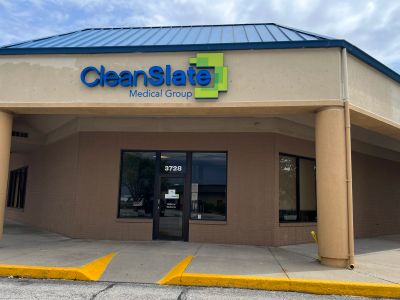

CleanSlate Outpatient Addiction Medicine
Kokomo, Indiana
3728 S Reed Rd, Kokomo, IN 46902



CleanSlate Outpatient Addiction Medicine
Greenwood, Indiana
65 Airport Pkwy #114, Greenwood, IN 46143



First City Recovery Center
Kokomo, Indiana
317 W Jefferson St, Kokomo, IN, 46901



Madison State Hospital
Madison, Indiana
711 Green Road, Madison, IN, 47250
Southwestern Behavioral Healthcare - Faren E. Levell Center
Evansville, Indiana
410 Mulberry St. Evansville, IN 47713
Why Trust Indiana Rehabs
As Hoosiers helping Hoosiers, we understand the unique challenges our communities face. Our team meticulously verifies every Indiana treatment center, ensuring you find trusted, local care that truly understands your journey.
About our listingsLevels of Care
Explore popular treatment options by levels of care, from flexible treatment in Outpatient centers to intensive care in Residential rehabs.
Free · 24/7 · Confidential
Talk to a Treatment Specialist
Call now to get matched with Indiana facilities that accept your insurance.
(888) 568-9930
Free
Ins. check
4.9★
Rating
HIPAA
Protected
Can't travel to a facility?
Licensed Indiana therapists via secure video — same-week appointments, evenings & weekends available.
Staying sober can feel like climbing a steep hill, even when your determination is strong and your reasons for quitting are crystal clear. Sometimes, willpower alone isn’t enough to keep temptation at bay, and that's where a tool like disulfiram steps in, not as a cure, but as a serious commitment device that changes the rules of the game by making drinking come with immediate, unpleasant consequences. It’s not a magic fix, though. disulfiram works best when it’s tightly woven into a larger, supportive plan, guided by professionals who’ll help you manage both the physical and emotional sides of recovery.
Why is this medication prescribed?
disulfiram, often known by its former brand name Antabuse, is a medication prescribed to support the treatment of chronic alcohol dependence. It's designed for people who have already gone through detoxification and are fully committed to achieving and maintaining abstinence. Think of it less as a cure for the treatment of alcoholism and more as a powerful deterrent, a safety net that helps enforce the decision to not drink.
This medication works through aversion therapy. It creates a strong, negative physical reaction if you consume alcohol, which helps reinforce your commitment to sobriety. It’s a tool specifically for patients who are motivated but need an extra layer of accountability to prevent a relapse. Because of its potent effects, disulfiram is never a standalone solution. Its prescription is almost always part of a comprehensive recovery program that includes counseling, therapy, and a strong support system. This approach ensures that you're not just avoiding alcohol, but also addressing the underlying emotional and psychological reasons for the alcohol dependence. The goal of a complete medication-assisted treatment (MAT) program is to give you the stability needed to build a lasting foundation for recovery.
How Disulfiram (Antabuse) Medication Works
To understand how disulfiram works, it helps to first know how your body typically processes alcohol. Normally, when you drink, your liver breaks down alcohol into a compound called acetaldehyde. Then, an enzyme called aldehyde dehydrogenase (ALDH) quickly breaks acetaldehyde down further into a harmless substance called acetic acid (which is basically vinegar). This process is usually smooth and efficient.
disulfiram completely disrupts this process. After being absorbed into your system, it blocks the enzyme aldehyde dehydrogenase. With this enzyme out of commission, your body can no longer break down acetaldehyde. If you consume even a small amount of alcohol while the medication is active, acetaldehyde builds up in your blood to toxic levels. This buildup is what causes the severe disulfiram-alcohol reaction. The symptoms are intensely unpleasant and can include flushing of the face, throbbing headache, nausea, violent vomiting, chest pains, and difficulty breathing. The severity of these effects creates a powerful deterrent against drinking.
It's important to know how long disulfiram stays in your body. Its effects can last for up to two weeks after you take the last dose. This means that a reaction to alcohol can happen long after you've stopped the medication, which is a critical safety consideration for anyone prescribed it.
Mechanism of Action
Diving a little deeper into the science, the mechanism of action of disulfiram is centered on its ability to cause an irreversible inhibition of the aldehyde dehydrogenase enzyme. When you drink, the metabolism of alcohol to acetaldehyde happens normally. But the next step, converting toxic acetaldehyde into harmless acetic acid, is blocked. This biochemical roadblock leads to a rapid accumulation of acetaldehyde, a substance that is far more toxic to the body than alcohol itself. The resulting physical distress serves as a strong form of negative reinforcement, making the idea of drinking again highly undesirable. This deliberate disruption in the normal metabolism of alcohol is what gives the medication its power as a tool for abstinence.
Disulfiram efficacy
When you look at the research, the efficacy of disulfiram can seem like a mixed bag. On one hand, for the right person under the right conditions, it can be incredibly effective. On the other hand, its success is highly dependent on a few key factors, making its overall outcomes a bit controversial in clinical studies.
The single most important factor for success with disulfiram is supervision. When patients take the medication under the watchful eye of a healthcare provider or a trusted family member, its effectiveness skyrockets. One major meta-analysis of multiple trials confirmed this, showing disulfiram to be significantly superior to a placebo when medication compliance was supervised. This finding underscores that the medication itself is just one piece of the puzzle; accountability is the other.
Without that accountability, compliance becomes a major hurdle. In some studies where supervision wasn't a core component, a large portion of patients simply stopped taking the medication. For example, in one study, only 20% of participants were found to be compliant with their prescription by the end of the trial. This is where the motivation of the individual becomes so critical. disulfiram is most successful for those who are genuinely committed to sobriety and see the medication as a helpful tool rather than a punishment.
When compared to other medications for alcohol dependence, disulfiram holds its own, especially in supervised settings. The same meta-analysis found it was more effective than a control condition when compared to both naltrexone and acamprosate. This suggests that for individuals who can maintain compliance, disulfiram offers a powerful path toward maintaining abstinence.
What special precautions should I follow?

Taking disulfiram requires a high level of caution and awareness to ensure your safety. Because the reaction to alcohol is so severe, you must be diligent about avoiding it in all its forms. Following these special precautions is essential for anyone undergoing disulfiram antabuse treatment.
- Avoid All Alcohol: This is the most critical rule. You must not consume any alcoholic beverages. This includes non-alcoholic or "low-alcohol" beer and wine, as even tiny amounts can trigger a reaction.
- Check for Hidden Alcohol: Alcohol can be found in many surprising products. It's crucial to read the labels on everything you consume or apply to your skin. Be cautious with items like:
- Mouthwash and dental rinses
- Cough syrups and cold medicines
- Food products made with alcohol (e.g., some sauces, vinegars, marinades, and desserts)
- Topical products like colognes, perfumes, and aftershaves
- Inform All Healthcare Providers: Make sure every doctor, dentist, and pharmacist you see knows that you are taking disulfiram. This helps prevent accidental exposure to alcohol-containing medications or products.
- Carry Identification: It's a good idea to carry a medical alert card or wear a bracelet that states you are taking disulfiram. In an emergency, this information can be life-saving for first responders.
- Wait Before Starting: You must not take your first dose of disulfiram until you have been completely abstinent from alcohol for at least 12 hours.
A thorough medical evaluation is necessary before starting this medication to ensure it is a safe option for you.
Contraindications
disulfiram is not safe for everyone. A doctor will not prescribe it if you have certain medical conditions. It's crucial to be completely honest about your health history. Key contraindications include:
- Severe Heart Disease: The stress of a potential disulfiram-alcohol reaction can be dangerous for someone with a serious cardiac condition.
- Psychosis: disulfiram can sometimes worsen symptoms of psychosis.
- Pregnancy: The effects of disulfiram on a developing fetus are not well-understood, so it is generally avoided during pregnancy.
- Allergy or Hypersensitivity: If you've had an allergic reaction to disulfiram or related compounds (like those used in the rubber industry), you should not take this medication.
- Severe Liver Disease: Since disulfiram can affect the liver, it may not be suitable for individuals with pre-existing liver problems.
Drug Interactions
disulfiram can interact with a number of other medications, potentially causing harmful effects. It is vital to give your doctor and pharmacist a complete list of everything you take, including prescription drugs, over-the-counter medicines, vitamins, and herbal supplements. Some of the most significant drug interactions include:
- Warfarin: A blood thinner whose effects can be increased by disulfiram, raising the risk of bleeding.
- Phenytoin: An anti-seizure medication that can build up to toxic levels when taken with disulfiram.
- Theophylline: A medication for breathing problems that can also reach higher, more dangerous levels.
- Certain Antidepressants and Benzodiazepines: Some of these medications can have their effects altered by disulfiram.
What side effects can this medication cause?
Even without consuming alcohol, disulfiram can cause some side effects as your body adjusts to the medication. Most of these are mild and tend to go away on their own after a couple of weeks. Common side effects include drowsiness or fatigue, a metallic or garlic-like aftertaste, mild headaches, and skin reactions like acne or a rash. While these are generally not a cause for alarm, you should always discuss any persistent or bothersome symptoms with your doctor.
It's important to distinguish these mild side effects from the severe disulfiram-alcohol reaction, which only happens if you drink alcohol. Research indicates that patients taking disulfiram have a slightly increased risk of adverse events compared to controls. One analysis found an adverse events rate ratio of 1.40, which means you are about 40% more likely to experience some type of adverse effect while on the medication. This highlights the importance of staying in close contact with your healthcare provider to monitor your health and manage any issues that arise.
Adverse Effects
Beyond the common side effects, there are more serious risks associated with disulfiram, though they are much less common. Regular monitoring by a healthcare professional is key to catching any of these potential issues early.
- Liver Problems (Hepatotoxicity): The most significant risk is liver damage. While rare, with estimates ranging from 1 in 25,000 to 1 in 30,000 patients, it can be severe. Your doctor will likely perform blood tests to check your liver function before you start and periodically throughout your treatment. You must contact your doctor immediately if you experience signs of liver trouble, such as yellowing of the skin or eyes (jaundice), dark urine, persistent nausea or vomiting, or severe stomach pain.
- Nerve Damage (Peripheral Neuropathy): In some cases, disulfiram can cause numbness, tingling, or pain in the hands and feet.
- Psychiatric Effects: Though uncommon, some individuals may experience mood changes, confusion, or even psychosis. Any significant change in your mental state should be reported to your doctor right away.
Finding Medication-Assisted Treatment That Works For You
Choosing to seek help for alcohol dependence is a courageous step, and it's important to know that disulfiram is just one of several effective options available through Medication-Assisted Treatment (MAT). The right path for you depends on your unique health profile, circumstances, and recovery goals. It's a decision that should always be made in partnership with a qualified healthcare provider.
Besides disulfiram, two other FDA-approved medications are commonly used:
- naltrexone: This medication works by blocking the euphoric effects of alcohol, which can help reduce cravings and the desire to drink.
- acamprosate: This medication helps to restore the balance of neurotransmitters in the brain that are disrupted by chronic drinking. It is particularly helpful for managing the protracted withdrawal symptoms that can lead to relapse, such as anxiety and insomnia. You can learn more about treatment with acamprosate here.
No matter which medication is chosen, it is most effective when combined with comprehensive behavioral therapies and counseling. These supportive services help you develop coping skills, address the root causes of your alcohol use, and build a strong foundation for long-term sobriety. Finding the right combination of medication and therapy is key to a successful recovery journey.
This article is for informational purposes only and does not constitute medical advice. Always consult with a qualified healthcare provider before making any decisions about your treatment.
Making the decision to get help is the most important first step. If you're in Indiana and ready to explore your treatment options, you don't have to do it alone. The right support can make all the difference in finding a path to recovery that feels right for you. To learn more about treatment programs that can help, call us today at (888) 568-9930. Our team at Indiana Rehabs is here to provide the information you need. You can also contact us online to start the conversation and take the next step toward a healthier future.