
Biochemical Restoration Therapy in Indiana



Showing 5 of 5 Results (filtered)
Featured Rehab Centers
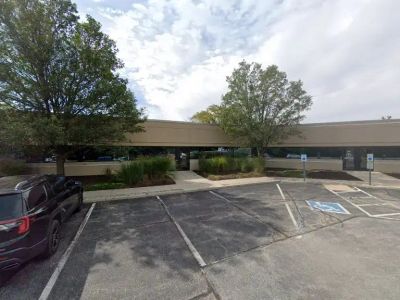
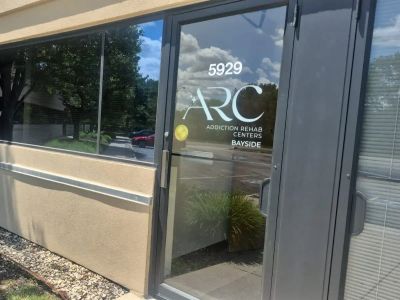

Addiction Rehab Centers - ARC At Bayside | Indianapolis Drug & Alcohol Rehab
Indianapolis, Indiana
5929 Lakeside Blvd, Indianapolis, IN 46278
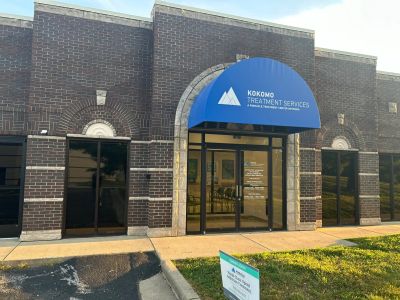
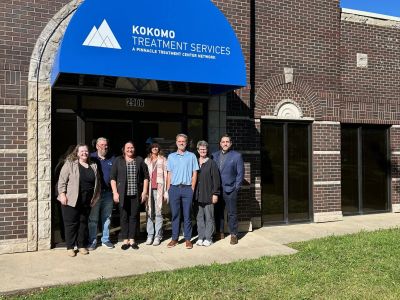
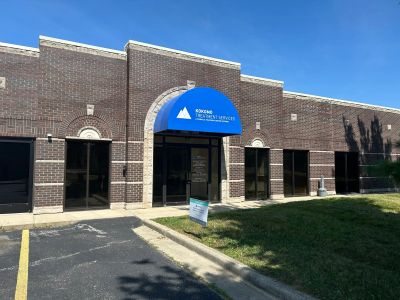
Pinnacle Treatment Centers - Kokomo
Kokomo, Indiana
2906 S. Reed Rd. Kokomo, IN 46902
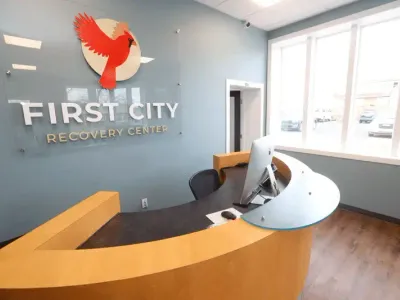

First City Recovery Center
Kokomo, Indiana
317 W Jefferson St, Kokomo, IN, 46901
Get Personalized Rehab Matches in 60 Seconds
Tell us a few details and we’ll show a personalized shortlist of verified Indiana rehabs, making it simple to compare options and choose your next step with confidence.

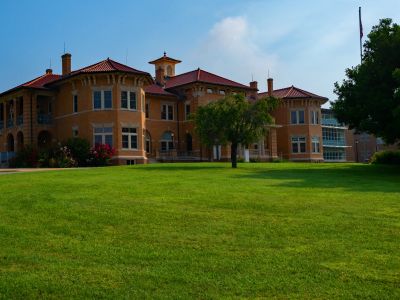

Madison State Hospital
Madison, Indiana
711 Green Road, Madison, IN, 47250
Southwestern Behavioral Healthcare - Faren E. Levell Center
Evansville, Indiana
410 Mulberry St. Evansville, IN 47713
Why Trust Indiana Rehabs
As Hoosiers helping Hoosiers, we understand the unique challenges our communities face. Our team meticulously verifies every Indiana treatment center, ensuring you find trusted, local care that truly understands your journey.
About our listingsLevels of Care
Explore popular treatment options by levels of care, from flexible treatment in Outpatient centers to intensive care in Residential rehabs.
Free · 24/7 · Confidential
Talk to a Treatment Specialist
Call now to get matched with Indiana facilities that accept your insurance.
(888) 568-9930
Free
Ins. check
4.9★
Rating
HIPAA
Protected
Can't travel to a facility?
Licensed Indiana therapists via secure video — same-week appointments, evenings & weekends available.
You might know what it’s like to feel utterly spent, your body dragging, mind clouded, as if addiction has drained the very life out of you. What if recovery wasn’t just about grit or willpower, but also about rebuilding yourself from the inside out? Imagine the relief of that heavy fog finally lifting and a real, steady energy returning as you start to heal. There’s a powerful but often overlooked way to restore your health during recovery, and it starts with giving your body the nourishment it’s been missing.
What is biochemical restoration?
biochemical restoration is an approach to addiction treatment that uses targeted nutrition and supplements to help correct the chemical imbalances caused by substance use. Think of it as giving your body the exact tools it needs to start repairing itself. Addiction is recognized as a chronic disease that changes the brain’s structure and function, and long-term substance use can deplete essential nutrients your body needs to feel good and think clearly[1]. The main goal of biochemical restoration therapy is to heal your brain and body on a cellular level. By restoring this balance, you can often experience fewer cravings, a more stable mood, and better overall health, which makes your long-term recovery feel more manageable. It’s not a cure on its own, but it’s a powerful piece of a complete, holistic treatment plan that supports your entire well-being.
How does Biochemical restoration work?
The process of biochemical restoration is very personalized because everyone’s body and history with addiction are different. It’s not about guesswork, it’s about data. The journey typically starts with in-depth lab testing, like blood or urine tests, to get a clear picture of your unique biochemical makeup. This gives the clinical team a baseline, showing them exactly which nutrients, vitamins, and minerals your body is missing.
Once they have this information, they create a personalized plan just for you. This plan involves a combination of nutritional therapy and targeted supplements, including specific amino acids, which are the building blocks of neurotransmitters. Neurotransmitters are the chemical messengers in your brain that control your mood, energy, and even cravings. For example, substances like alcohol can deplete serotonin, leaving you feeling depressed and anxious. By reintroducing the right nutrients, you help your brain naturally rebuild these pathways[2]. This careful, science-backed approach helps stabilize your mood, reduce difficult withdrawal symptoms, and quiet the intense cravings that can make early sobriety so challenging[3].

What does a Biochemical restoration diet look like?
A biochemical restoration diet isn't about restriction, it's about nourishment. The focus is on whole, nutrient-dense foods that give your body the high-quality fuel it needs to heal and restore balance. The goal is to stabilize your blood sugar, which in turn helps stabilize your mood and reduce cravings for unhealthy foods or substances. It’s a simple, powerful way to support your brain and body’s recovery.
Here’s a look at what you can expect:
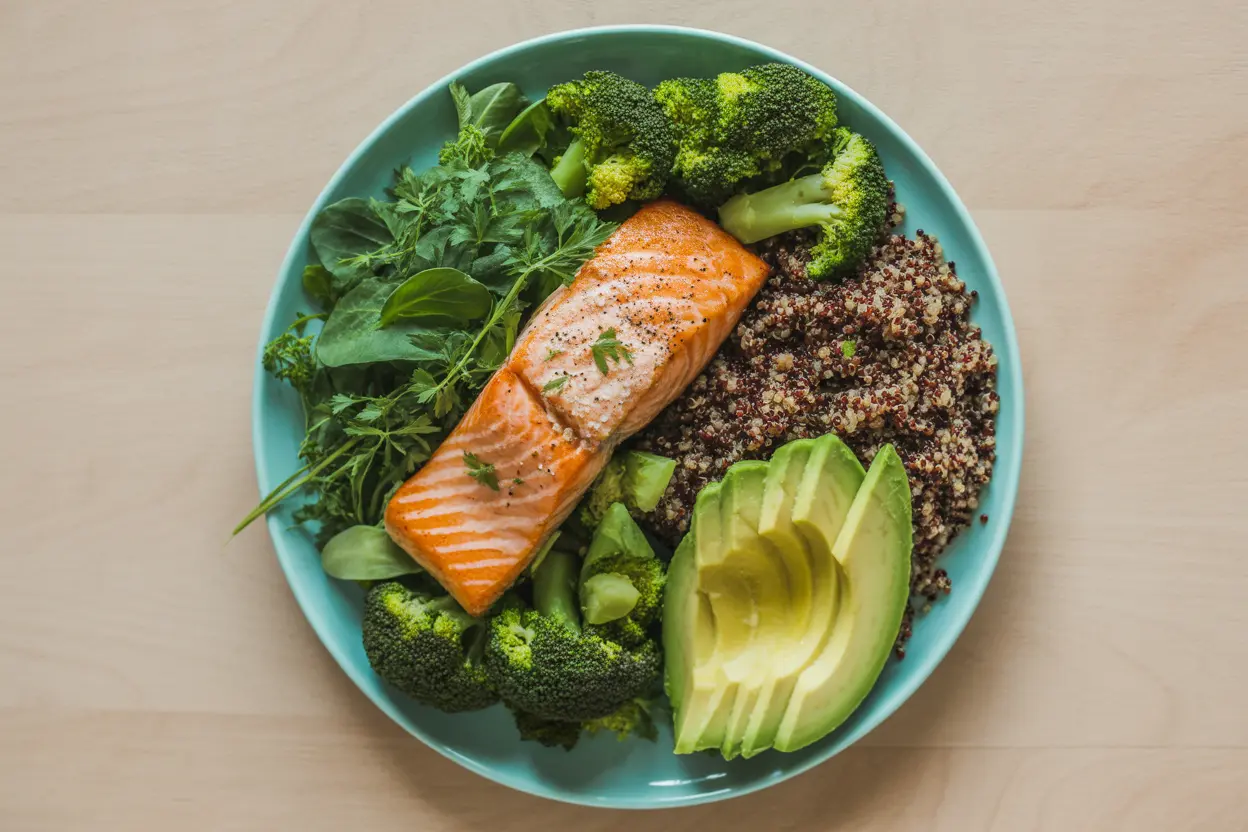
- Foods to Include: Lean proteins (like chicken, fish, and beans) are crucial because they provide the amino acids your brain needs. You’ll also eat plenty of complex carbohydrates (like sweet potatoes, brown rice, and whole grains) for steady energy, healthy fats (from sources like avocado, nuts, and olive oil) to support brain health, and a rainbow of fresh vegetables for essential vitamins and minerals.
- Foods to Avoid: You’ll want to limit or cut out foods that can disrupt your body’s balance. This includes processed foods high in preservatives and unhealthy fats, refined sugars that cause energy crashes, and excessive caffeine which can heighten anxiety. Simple carbohydrates, like white bread and sugary snacks, are also avoided because they can lead to sharp spikes and drops in blood sugar, triggering mood swings and cravings.
Advantages of Biochemical restoration
Integrating biochemical restoration into an addiction treatment plan can make a significant difference in how you feel, both physically and mentally. By addressing the physiological roots of addiction, you’re not just coping with symptoms, you’re actively healing the underlying imbalances. While this approach works best alongside evidence-based therapies, its benefits provide a strong foundation for lasting recovery[4]. Some participants in programs that include it report an 85% rate of abstinence and stability.
The key advantages include:
- Reduced Cravings: When your brain gets the nutrients it needs to produce feel-good chemicals on its own, cravings for drugs or alcohol often decrease.
- Improved Mood and Mental Health: Correcting nutritional deficiencies can help lift the fog of depression and anxiety, leading to a more stable and positive outlook.
- Increased Energy Levels: A nutrient-rich diet helps restore your natural energy, so you don’t feel as drained and fatigued during recovery.
- Better Sleep: Balancing your body’s chemistry can lead to more restful sleep, which is essential for both physical and mental healing.
- Stronger Foundation for Sobriety: When you feel better physically, you’re in a much stronger position to engage with the psychological aspects of therapy and build a resilient, long-term recovery.
Finding a Biochemical Restoration Program in Indiana
Finding the right treatment program is a crucial step, and if biochemical restoration sounds like the right fit for you, it’s important to know what to look for. Not all recovery centers offer this specialized therapy. When you’re researching options in Indiana, look for programs that have registered dietitians or certified nutritionists on staff. These professionals are qualified to create the personalized meal and supplement plans that are central to this approach.
A quality program will always start with comprehensive lab testing to understand your individual needs. Be sure to ask any potential facility about their process. In Indiana, residential treatment providers must be certified by the Division of Mental Health and Addiction (DMHA), so verifying a program's credentials is a great first step[5]. You can find more information about state laws and certified providers to ensure you choose a safe and reputable program[6]. For additional support, you can explore resources like the list of Indiana Certified Recovery Residences to find safe housing options.
Your Path Forward with a Holistic Approach
Choosing the path to recovery is a brave decision, and you deserve a treatment plan that supports your whole self. biochemical restoration is a science-based approach that helps heal the physical damage of addiction, creating a solid foundation for your emotional and psychological work. By restoring your body’s natural balance, you’re giving yourself the best possible chance at feeling stronger, clearer, and more resilient. You don’t have to do this alone; personalized help is available to guide you toward lasting health and sobriety.
Your journey to recovery can start today. At Indiana Rehabs, we’re here to help you find the right path forward. You can explore your treatment options, get answers to your questions by reaching out through our contact page, or call us at (888) 568-9930 for a confidential conversation with someone who understands.
Frequently Asked Questions About Biochemical Restoration
How is biochemical restoration different from just eating healthy?
Is biochemical restoration a standalone treatment for addiction?
What kinds of lab tests are used for biochemical restoration?
How long does it take to see results from biochemical restoration?
Can I do biochemical restoration on my own without a formal program?
Is biochemical restoration covered by insurance?
- American Society of Addiction Medicine. (09-15-2019). What is the Definition of Addiction. American Society of Addiction Medicine. asam.org
- Adams Lab. (2025). Faculty Labs. Indiana University School of Medicine. medicine.iu.edu
- Tuchman, E. (2010). GENDER DYNAMICS IN SUBSTANCE USE AND TREATMENT. National Center for Biotechnology Information. pmc.ncbi.nlm.nih.gov
- Indiana State Epidemiological Outcomes Workgroup. (2024). 2024 State Epidemiological Profile. Indiana Division of Mental Health and Addiction. in.gov
- U.S. Department of Health & Human Services. (August, 2021). State Residential Treatment for Behavioral Health Conditions: Indiana. U.S. Department of Health & Human Services. aspe.hhs.gov
- Indiana General Assembly. (2020). Certification and Licensure Rules and Indiana Code. State of Indiana. in.gov