
Body Image Therapy Therapy in Indiana


Showing 5 of 5 Results (filtered)
Featured Rehab Centers

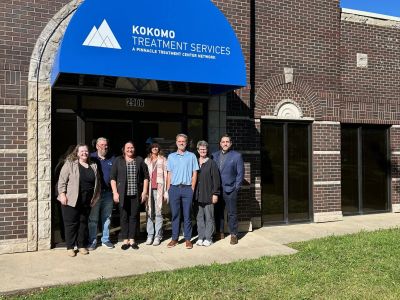
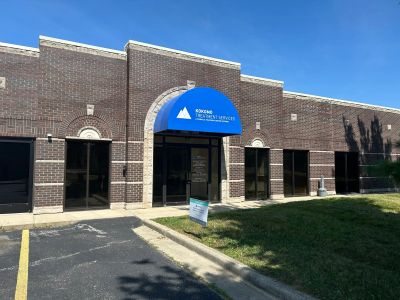
Pinnacle Treatment Centers - Kokomo
Kokomo, Indiana
2906 S. Reed Rd. Kokomo, IN 46902



Avenues Recovery Center at Indianapolis
Indianapolis, Indiana
7960 Shadeland Ave, Indianapolis, IN 46250

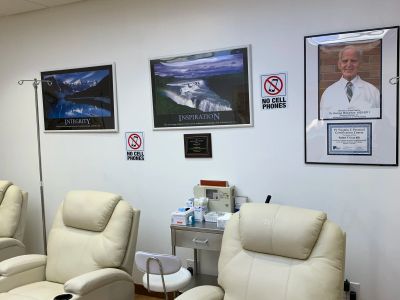

Kentuckiana Integrative Medicine
Jeffersonville, Indiana
405 E Court Ave #102, Jeffersonville, IN 47130
Get Personalized Rehab Matches in 60 Seconds
Tell us a few details and we’ll show a personalized shortlist of verified Indiana rehabs, making it simple to compare options and choose your next step with confidence.
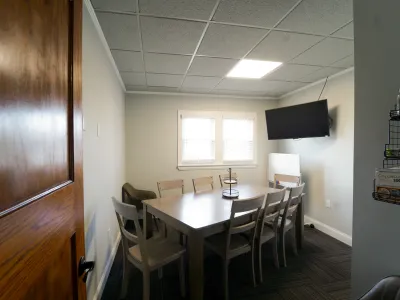
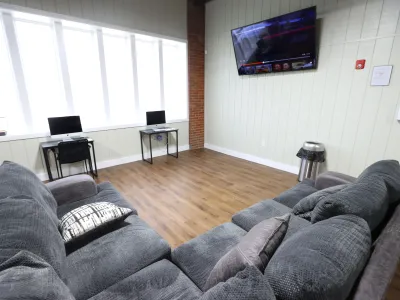
First City Recovery Center
Kokomo, Indiana
317 W Jefferson St, Kokomo, IN, 46901
Southwestern Behavioral Healthcare - Faren E. Levell Center
Evansville, Indiana
410 Mulberry St. Evansville, IN 47713
Why Trust Indiana Rehabs
As Hoosiers helping Hoosiers, we understand the unique challenges our communities face. Our team meticulously verifies every Indiana treatment center, ensuring you find trusted, local care that truly understands your journey.
About our listingsLevels of Care
Explore popular treatment options by levels of care, from flexible treatment in Outpatient centers to intensive care in Residential rehabs.
Free · 24/7 · Confidential
Talk to a Treatment Specialist
Call now to get matched with Indiana facilities that accept your insurance.
(888) 568-9930
Free
Ins. check
4.9★
Rating
HIPAA
Protected
Can't travel to a facility?
Licensed Indiana therapists via secure video — same-week appointments, evenings & weekends available.
Have you ever looked in the mirror and felt like you’re fighting the same silent battle every day, wishing you could just feel at home in your own skin? That exhausting tension, between wanting peace and being pulled into harsh self-criticism, can feel endless. But body image therapy offers more than just empty advice or forced positivity; it’s a path filled with practical, real-world tools that help you gently shift your perspective, making room for acceptance and true healing.
Understanding Body Image Distortion
Body image is simply your personal perception of your physical self, the thoughts, feelings, and beliefs you hold about your body. A healthy body image means you see yourself accurately and feel comfortable in your own skin. However, many people struggle with a negative body image, which can lead to body dissatisfaction. While it’s common to have moments of insecurity, body image distortion is different. It’s a persistent and often distressing mismatch between what you see in the mirror and reality. This isn’t about vanity; it’s a serious mental health concern that can deeply impact your self-esteem and daily life. If you're struggling, please know you’re not alone. Many people in Indiana experience symptoms of mental health challenges, and effective, compassionate help is available[1]. Understanding the nature of body image issues is the first step toward healing.
Key Symptoms of Body Image Distortion

When your perception of your body is distorted, it can show up in your thoughts, feelings, and actions. These symptoms are more than just passing worries; they can cause significant anxiety and interfere with your ability to enjoy life. It’s a heavy burden to carry, but recognizing these signs is a crucial step toward finding support. Here are some key symptoms of a distorted body image[2]:
- Constant Comparison: Frequently comparing your body to others, whether in person or on social media, and always feeling like you fall short.
- Obsessive Focus on Flaws: Spending an excessive amount of time thinking about a perceived flaw that may be minor or unnoticeable to others. This is a common feature of body dysmorphic disorder (BDD).
- Compulsive Behaviors: Repeatedly checking your reflection, weighing yourself, pinching skin, or seeking reassurance about your appearance. On the flip side, you might completely avoid mirrors or photos.
- Social Withdrawal: Avoiding social events, intimacy, or even leaving the house because of anxiety about your appearance.
- Impact on Daily Life: Your thoughts about your body take up so much mental energy that it affects your concentration, relationships, or performance at work or school.
Relationship Between Body Image & Eating Disorders
There's a very close relationship between body image and eating disorders. In fact, severe body dissatisfaction is one of the biggest risk factors for developing conditions like anorexia or bulimia. For many, the struggle with an eating disorder is deeply intertwined with body dysmorphic disorder (BDD), where the distress over perceived physical flaws becomes all-consuming. The negative body image isn't just a side effect; it's often a core part of the disorder that fuels harmful behaviors. That’s why effective treatment must address these underlying perceptual issues. Addressing complex, co-occurring conditions is essential for lasting well-being[3]. The good news is that targeted therapy is highly effective. Research shows that BDD symptoms significantly decrease with treatment, with the disorder being eliminated in up to 82% of people after therapy. For anyone on the path to recovery from an eating disorder, healing your relationship with your body is not just a goal, it’s a necessity for sustainable health and peace.
How is body image addressed in treatment?
When you decide to seek help, you’ll find there isn’t a one-size-fits-all solution. Instead, a compassionate therapist will work with you to find a body image therapy approach that fits your unique needs and experiences. These evidence-based therapies are designed to help you untangle distressing thoughts and build a more peaceful relationship with your body. In Indiana, treatment plans often include these proven psychosocial therapies to ensure you get comprehensive care[4]. Here are a few of the most effective methods.
Cognitive Behavioral Therapy (CBT)
cognitive behavioral therapy, or CBT, is a practical, hands-on approach that helps you connect the dots between your thoughts, feelings, and actions. In therapy, you’ll learn to identify the automatic negative thought patterns you have about your body. A therapist will then guide you in challenging these distorted beliefs and gradually reframing them in a more balanced and realistic way. CBT also helps you change related compulsive behaviors, like frequent mirror checking or avoidance, giving you concrete tools to break free from these cycles.
Acceptance and Commitment Therapy (ACT)
Instead of fighting to eliminate difficult thoughts, acceptance and commitment therapy (ACT) teaches you how to make peace with them. Through mindfulness, you learn to observe your thoughts and feelings about your body without judgment, creating space between you and the distress. The focus of ACT isn't on changing your body but on clarifying what truly matters to you, your values. It helps you commit to actions that align with those values, so you can build a rich, meaningful life regardless of your weight or shape.
Mirror Exposure Therapy
Mirror exposure therapy is a specialized technique that may sound intimidating, but it’s a powerful tool when guided by a trained therapist. In a safe, supportive setting, you’ll gradually confront your reflection. The goal isn’t to force yourself to like what you see, but to reduce the anxiety and distress your reflection causes. Over time, this exposure helps you learn to observe your body in a more neutral, objective way, stripping away the harsh self-criticism and lowering the emotional charge.
How to Find Body Image Therapy in Indiana

Taking the step to find help is a brave one, and there are many caring professionals in Indiana ready to support you. A great place to start is by looking through a directory of local providers. When you’re looking at a therapist’s profile, check for specialties like eating disorders, BDD, or body image concerns to find someone with the right experience. Remember that therapy can be flexible; many therapists offer both in-person and telehealth sessions to fit your needs. The Substance Abuse and Mental Health Services Administration (SAMHSA) also provides resources to help you find Indiana treatment providers. You have options, and the right support is out there.
Take the First Step Toward a Healthier Self-Image
Healing your relationship with your body is not just a dream, it’s possible with the right support. Reaching out for help is a true act of strength and the first step on a journey toward self-acceptance and peace. You don’t have to continue this fight alone. The caring professionals in Indiana are here to provide the guidance and tools you need to reclaim your life from negative body image. When you're ready, we encourage you to browse our directory to find a therapist who specializes in body image therapy.
If you need immediate, confidential support or have questions about your options, don't hesitate to call us at (888) 568-9930. The team at Indiana Rehabs is here to help you connect with the care you deserve. Taking that first step can feel difficult, but it's the most important one you'll take on your path to recovery. You can also contact us online to start your journey today.
Frequently Asked Questions About Body Image Therapy
What is the difference between having a bad body image day and a body image disorder?
Can men experience body image issues?
How long does body image therapy usually take?
Is it possible to improve my body image without losing weight?
What can I do if a loved one is struggling with their body image?
- Indiana State Epidemiological Outcomes Workgroup. (2024). 2024 State Epidemiological Profile. Indiana Family and Social Services Administration. in.gov
- Indiana Division of Mental Health and Addiction. (July, 2011). Adult Needs and Strengths Assessment. FSSA.IN.gov. dmha.fssa.in.gov
- Frank, R. G., Auerbach, J., & Cradock, T. J. (January, 2021). Transforming mental health and substance use-related care in the US. Health Affairs. healthaffairs.org
- Indiana Family and Social Services Administration. (08-30-2019). Healthy Indiana Plan SUD Policy and Procedure. Medicaid.gov. medicaid.gov