
Cryotherapy Therapy in Indiana



Showing 4 of 4 Results (filtered)
Featured Rehab Centers
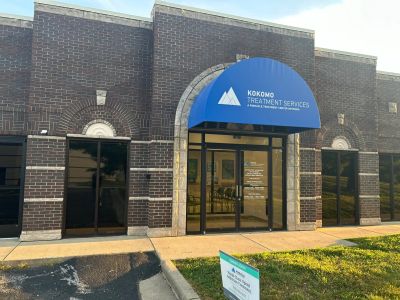
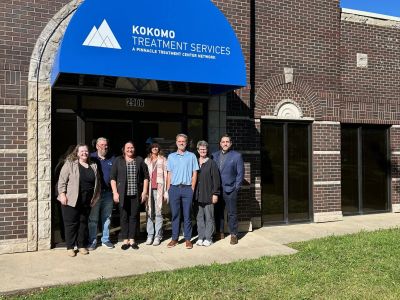
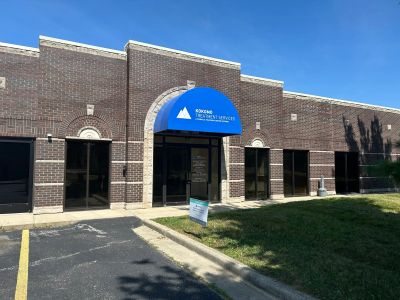
Pinnacle Treatment Centers - Kokomo
Kokomo, Indiana
2906 S. Reed Rd. Kokomo, IN 46902

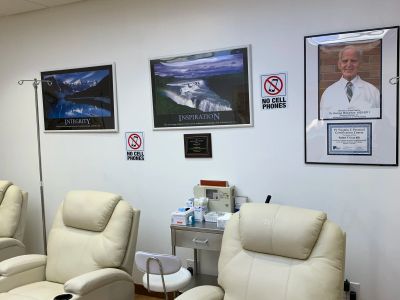
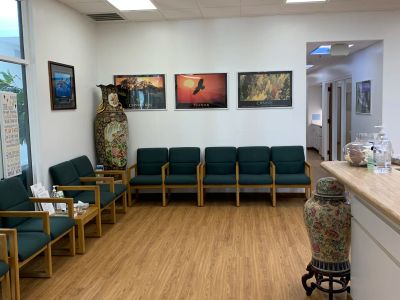
Kentuckiana Integrative Medicine
Jeffersonville, Indiana
405 E Court Ave #102, Jeffersonville, IN 47130
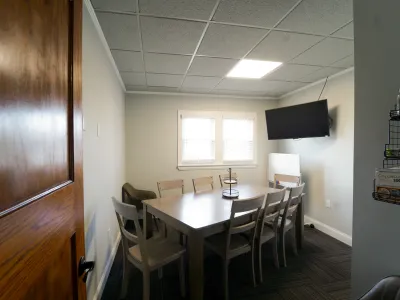
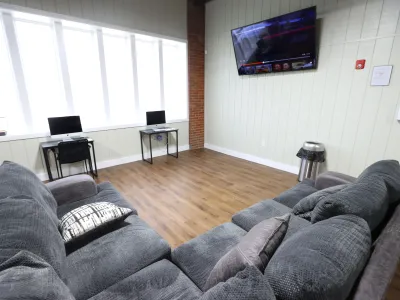
First City Recovery Center
Kokomo, Indiana
317 W Jefferson St, Kokomo, IN, 46901
Get Personalized Rehab Matches in 60 Seconds
Tell us a few details and we’ll show a personalized shortlist of verified Indiana rehabs, making it simple to compare options and choose your next step with confidence.
Southwestern Behavioral Healthcare - Faren E. Levell Center
Evansville, Indiana
410 Mulberry St. Evansville, IN 47713
Why Trust Indiana Rehabs
As Hoosiers helping Hoosiers, we understand the unique challenges our communities face. Our team meticulously verifies every Indiana treatment center, ensuring you find trusted, local care that truly understands your journey.
About our listingsLevels of Care
Explore popular treatment options by levels of care, from flexible treatment in Outpatient centers to intensive care in Residential rehabs.
Free · 24/7 · Confidential
Talk to a Treatment Specialist
Call now to get matched with Indiana facilities that accept your insurance.
(888) 568-9930
Free
Ins. check
4.9★
Rating
HIPAA
Protected
Can't travel to a facility?
Licensed Indiana therapists via secure video — same-week appointments, evenings & weekends available.
Could a three-minute blast of extreme cold be the key to faster recovery and meaningful pain relief? Stepping into a cryotherapy chamber is like catching your breath on the coldest Indiana morning, harnessing shock and chill to nudge your body’s healing process into high gear. This treatment isn’t just a passing trend, it’s a unique approach with real benefits, specific uses, and some important things to weigh before you try it. If you’re wondering whether cryotherapy could fit into your own journey, you’re in the right place for clear, thoughtful guidance.
What is cryotherapy?
cryotherapy, often called cold therapy, is a medical treatment that uses extreme cold to freeze and destroy abnormal tissue. It’s a versatile approach with a surprisingly wide range of applications. You might hear about it being used to treat common skin conditions like warts and skin tags, but its uses extend much further. Healthcare providers also use it to manage pain from conditions like arthritis, help with sports recovery, and even target certain types of cancer cells. The treatment comes in a few main forms: localized cryotherapy, which targets a specific spot on the skin; cryosurgery, which is used internally to remove diseased tissue; and whole-body cryotherapy, which aims to reduce system-wide inflammation. Each method serves a different purpose, but they all share the same core principle of using cold to promote healing.
How does cryotherapy work?
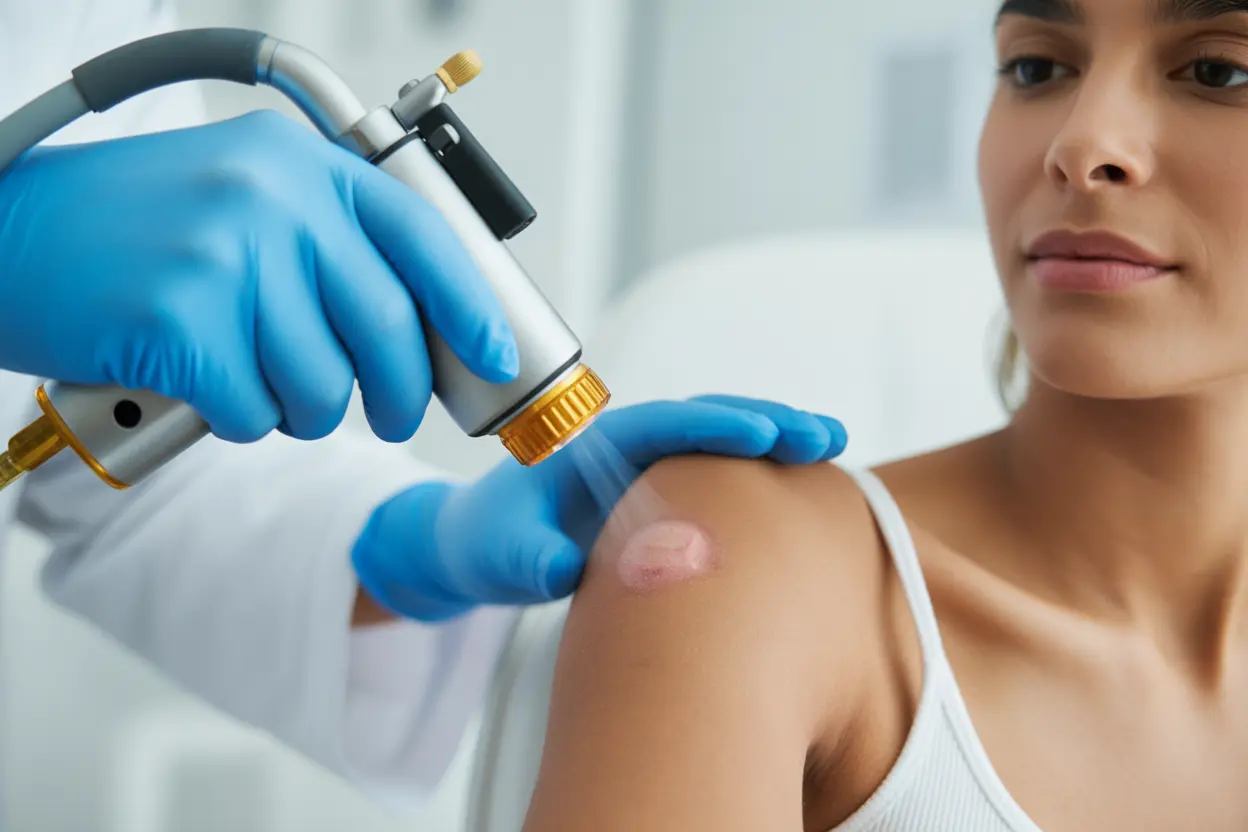
At its core, cryotherapy works by applying extreme cold to the body’s tissues. When a substance like liquid nitrogen is used, the intense cold causes ice crystals to form inside the targeted cells, which ultimately destroys them. This process is incredibly precise and can be aimed at a very small area, leaving surrounding healthy tissue unharmed. Beyond just destroying cells, the cold also has other important effects. It causes blood vessels to constrict, which helps reduce inflammation and swelling. This constriction also slows down nerve activity, which is why it's so effective for pain relief. The specific method your healthcare provider uses will depend entirely on your condition. For a wart on your skin, they might use a simple spray or a cotton swab dipped in liquid nitrogen. For an internal tumor, a doctor might use a specialized tool called a cryoprobe to deliver the cold with surgical precision. For general wellness, you might step into a chamber for whole-body cryotherapy treatment.
Cryosurgery
Cryosurgery is a specific application of cryotherapy used to destroy targeted, abnormal cells with precision. Think of it as a highly focused cold treatment performed by a medical professional. It’s commonly used to remove external growths like warts or skin tags. But it’s also a powerful tool for treating precancerous spots on the skin and even certain types of cancer. For example, dermatologists may use cryosurgery for early-stage skin cancer, while other specialists can use it to target internal cancers, such as those affecting the prostate or cervix. The goal is always the same: to freeze the unhealthy tissue from the inside out, causing the abnormal cells to die off while sparing as much healthy tissue as possible.
Whole-body cryotherapy
Whole-body cryotherapy is quite a different experience. Instead of targeting a small area, you step into a special chamber that exposes your entire body to extremely cold, dry air for a very short time, usually just two to four minutes. The goal here isn't to destroy tissue but to trigger a systemic response. This method is popular among athletes looking to speed up muscle recovery and reduce inflammation after intense training. It’s also used for general wellness to help manage chronic pain. Unlike cryosurgery, which happens in a medical clinic, you'll typically find whole-body cryotherapy offered at specialized wellness centers and spas. It's one of several bodywork therapies aimed at improving overall physical well-being.
Benefits of cryotherapy
When you're considering any treatment, it's natural to weigh the good with the not-so-good. cryotherapy offers several clear benefits that make it an appealing option for many conditions.
- Minimally invasive: For skin conditions, the procedure is quick and doesn't require surgical incisions, which means less discomfort and a lower risk of complications.
- Fast and convenient: Most cryotherapy sessions are completed on an outpatient basis in just a few minutes. Recovery time is also typically very rapid.
- Effective pain relief: The intense cold numbs nerve endings and reduces inflammation, providing significant relief from pain and swelling. For example, some studies have shown that people with rheumatoid arthritis experience a meaningful reduction in pain after treatment.
- Aids in recovery: In sports medicine, cryotherapy is valued for its ability to reduce muscle soreness and accelerate recovery after strenuous activity, helping improve overall athletic performance.
Risks and side effects
Of course, it’s just as important to understand the potential downsides. While generally safe when performed correctly, cryotherapy does come with some risks.
- Temporary symptoms: It's common to experience temporary redness, numbness, or a tingling sensation at the treatment site right after the procedure.
- Skin damage: There is a risk of blisters, scarring, or changes in skin pigmentation, especially if the cold is applied for too long or improperly.
- Nerve damage: In rare cases, the extreme cold can damage underlying nerves, leading to a loss of sensation in the treated area.
- Frostbite and infection: Though uncommon, frostbite can occur if safety protocols aren't followed. As with any procedure that breaks the skin (like a blister forming), there is a small risk of infection.
It's worth remembering that these risks are significantly minimized when the treatment is administered by a qualified and experienced professional.
What should I expect during cryotherapy?
Knowing what to expect can make the process feel much more comfortable. Before your session, your healthcare provider will give you specific instructions, which might include avoiding lotions or creams on the treatment area. When you arrive, the procedure itself is very quick. You'll feel an intense cold sensation, which some people describe as a brief stinging or burning feeling, but it only lasts for a moment. After the treatment, the healing process begins. Your doctor will explain what to expect as your body recovers. It’s common for a blister or scab to form over the treated area within a few hours. This is a normal part of the healing process. Just let it be, and as new, healthy skin grows underneath, the scab or blister will eventually fall off on its own. The complete recovery time is usually between one and three weeks, depending on the size and location of the treated area.

Who should not do cryotherapy?
cryotherapy is a safe and effective treatment for many, but it isn't right for everyone. Your safety is the top priority, and certain health conditions can make it risky. It's crucial to discuss your medical history with a doctor before undergoing any form of cryotherapy.
- Whole-body cryotherapy contraindications: This form of treatment should generally be avoided if you are pregnant, have severe high blood pressure, a pacemaker, or known heart conditions. People with Raynaud's syndrome (a condition that affects blood flow to the extremities) should also steer clear.
- Localized cryosurgery considerations: For targeted treatments like cryosurgery, the decision rests with your doctor. They will evaluate your specific condition, the location of the tissue to be treated, and your overall health to determine if it's a safe option for you.
Find Indiana Cryotherapy Providers
If you believe cryotherapy might be a good fit for you, the next step is finding a qualified provider. Choosing the right professional is essential for ensuring your treatment is both safe and effective. At Indiana Rehabs, we've created a directory to help you find and compare your options right here in Indiana. You can search for care by location, whether you’re in Indianapolis, Fort Wayne, or anywhere in between. Our listings can also help you find providers who offer specific types of therapies and who may work with your insurance. Taking the time to find the right healthcare provider is a crucial step in your health journey. You can start your search today and find Indiana cryotherapy providers near you.
Making an Informed Decision About Your Health
cryotherapy is a versatile tool with clear, proven benefits for many medical conditions, from skin lesions to certain cancers. At the same time, some of its wellness claims, particularly around whole-body treatment, are still being researched to build more evidence. The most important step you can take is to speak with a qualified healthcare provider. Your doctor can help you understand your specific health needs and goals and determine if this treatment is a safe and appropriate choice for you. They can also help you find evidence-based treatment options that align with national health guidelines[1][2]. Every health journey is personal, and making an informed decision is the best way to move forward with confidence.
Ultimately, deciding on a treatment path is a personal choice, but you don't have to make it alone. Understanding the process, benefits, and risks of cryotherapy is a great first step. If you're ready to explore your options or have more questions, help is available. You can speak with a compassionate specialist by calling (888) 568-9930. For more resources or to browse treatment options in your area, visit us at Indiana Rehabs. If you need to reach out directly, feel free to use our contact page to get in touch. Taking that next step is a sign of strength, and we're here to support you.
Frequently Asked Questions About Cryotherapy Treatment
Is cryotherapy painful?
How long does a cryotherapy session last?
Is cryotherapy safe?
How many cryotherapy sessions will I need?
What's the difference between cryotherapy and an ice bath?
- (2020). National Survey of Substance Abuse Treatment Services (N-SSATS). Substance Abuse and Mental Health Services Administration. samhsa.gov
- (2020-07-07). Tracking the Quality of Addiction Treatment Over Time and Across States, Payers, and Modalities of Care. National Center for Biotechnology Information. ncbi.nlm.nih.gov