Rehabs Offering DBT (Dialectical Behavior Therapy)

Showing 20 of 46 Results (filtered)
Featured Rehab Centers

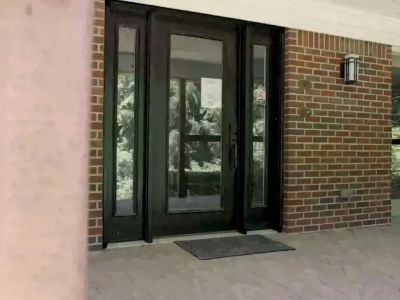
Addiction Rehab Centers - ARC at Fox Hill | Drug & Alcohol Rehab - Mooresville Indiana
Mooresville, Indiana
12168 N Mann Rd, Mooresville, IN 46158

Crossroads Healing Center - Addiction & Mental Health Treatment in Indiana
Connersville, Indiana
450 Erie Ave, Connersville, IN 47331
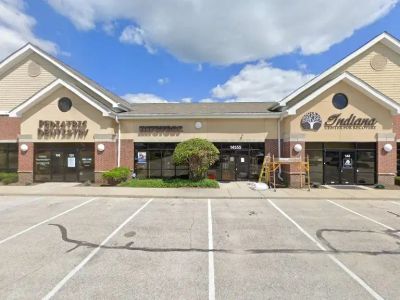

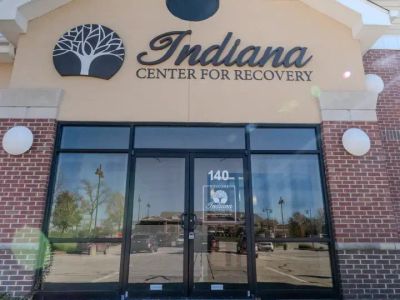
Indiana Center For Recovery - Alcohol & Drug Rehab Center Carmel
Carmel, Indiana
14555 Hazel Dell Pkwy #140, Carmel, IN 46033
Get Personalized Rehab Matches in 60 Seconds
Tell us a few details and we’ll show a personalized shortlist of verified Indiana rehabs, making it simple to compare options and choose your next step with confidence.



Indiana Treatment Centers
Columbus, Indiana
1888 Poshard Dr, Columbus, IN 47203

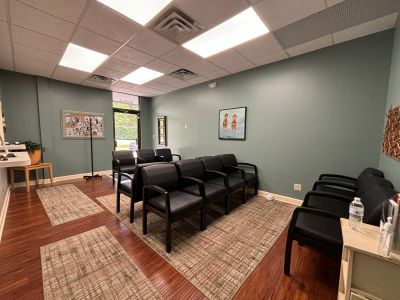



Addiction Rehab Centers - ARC | Drug & Alcohol Rehab - Addiction Treatment in Indianapolis, IN
Indianapolis, Indiana
7322 Noel Rd, Indianapolis, IN 46278
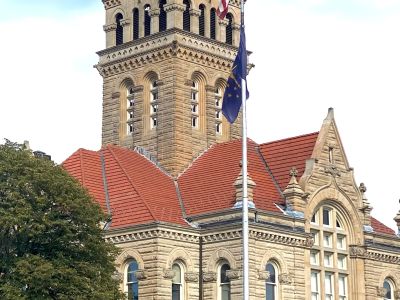

Hickory Treatment Centers
Indianapolis, Indiana
3960 Southeastern Ave Suite 200, Indianapolis, IN 46203
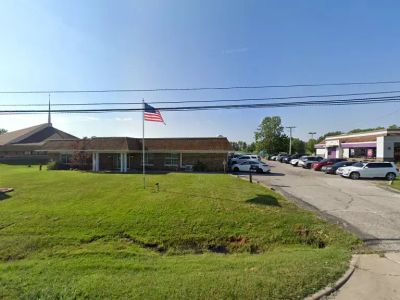
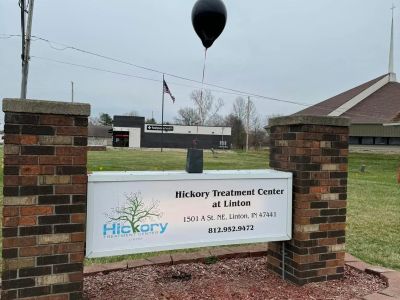
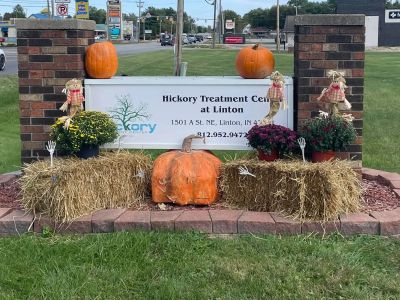
1501 A St NE, Linton, IN 47441



Restored Life Continuum of Care
Kokomo, Indiana
302 S Reed Rd, Kokomo, IN 46901
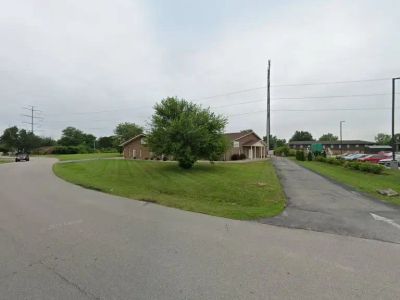
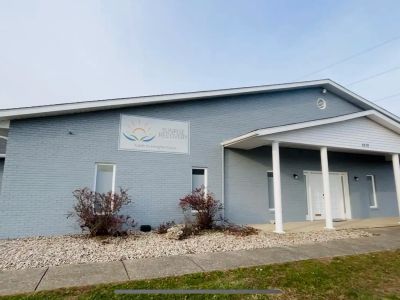
Sunrise Recovery - Drug and Alcohol Women's Rehab in Clarksville
Clarksville, Indiana
1610 Blackiston View Dr, Clarksville, IN 47129
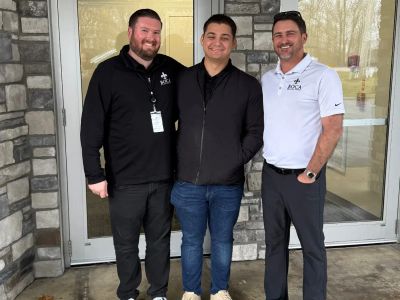
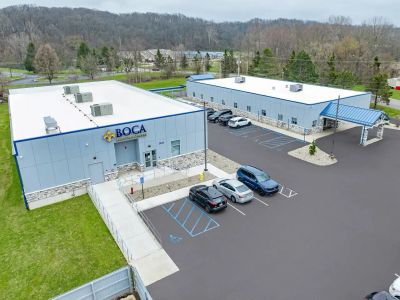
Boca Recovery Center - Indiana Drug and Alcohol Rehab
Huntington, Indiana
3040 W Park Dr, Huntington, IN 46750
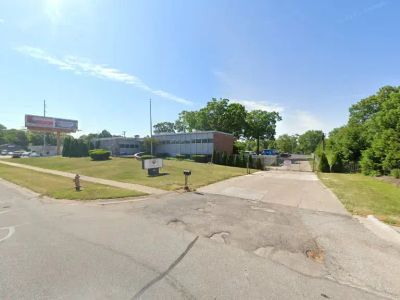


Cardinal Recovery
Franklin, Indiana
1130 West Jefferson St, Franklin, IN, 46131



Indiana Center for Recovery - Alcohol & Drug Rehab Center Bedford
Bedford, Indiana
1600 23rd St, Bedford, IN 47421



Avenues Recovery Center at Indianapolis
Indianapolis, Indiana
7960 Shadeland Ave, Indianapolis, IN 46250
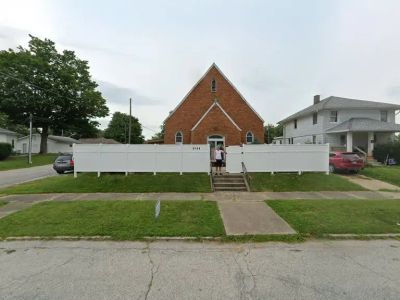
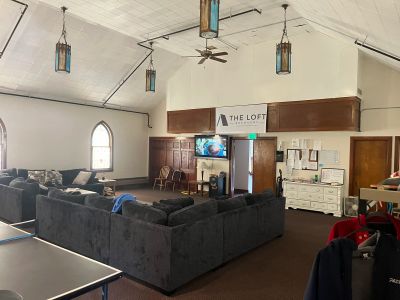
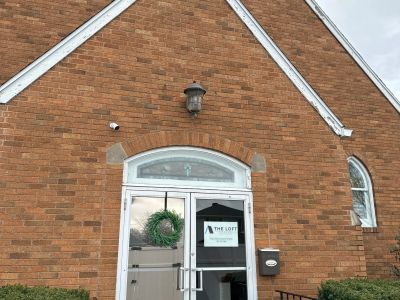
The Loft Recovery
Kokomo, Indiana
1700 S Main St, Kokomo, IN 46902
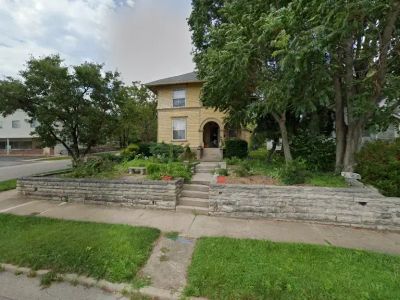
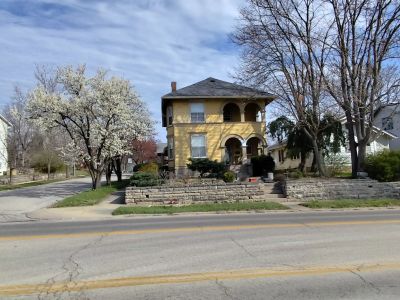
Amethyst House - Women's House
Bloomington, Indiana
322 West 2nd Street, Bloomington, IN 47401

Southwestern Behavioral Healthcare - Gibson Regional Services
Princeton, Indiana
310 South 5th Avenue, Princeton, IN 47670
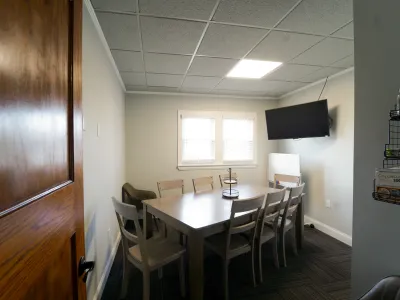

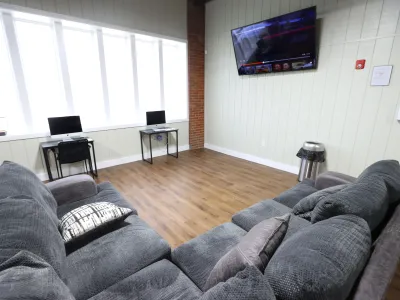
First City Recovery Center
Kokomo, Indiana
317 W Jefferson St, Kokomo, IN, 46901

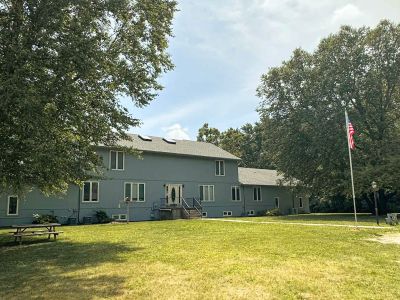

Still Water on the Wildcat Recovery
Kokomo, Indiana
2395 County Rd E 100 N, Kokomo, IN 46901

Woodview Psychology Group
Indianapolis, Indiana
70 E 91st Street Suite 210, Indianapolis, IN, 46240
Why Trust Indiana Rehabs
As Hoosiers helping Hoosiers, we understand the unique challenges our communities face. Our team meticulously verifies every Indiana treatment center, ensuring you find trusted, local care that truly understands your journey.
About our listingsLevels of Care
Explore popular treatment options by levels of care, from flexible treatment in Outpatient centers to intensive care in Residential rehabs.
Free · 24/7 · Confidential
Talk to a Treatment Specialist
Call now to get matched with Indiana facilities that accept your insurance.
(888) 568-9930
Free
Ins. check
4.9★
Rating
HIPAA
Protected
Can't travel to a facility?
Licensed Indiana therapists via secure video — same-week appointments, evenings & weekends available.
Sometimes it feels like your emotions are tossing you around, leaving you breathless at the top of a steep drop and then plunging you into confusion or sadness with no warning. Maybe you’ve tried to explain it to others, but you end up feeling misunderstood, isolated, or stuck in patterns you wish you could break. This is a tough, exhausting place to be, but there are ways to step off that emotional rollercoaster. dialectical behavior therapy can help you build the skills to find steady ground, manage powerful feelings, and start creating a life that truly feels worth living.
What is dialectical behavior therapy (DBT)?
dialectical behavior therapy, or DBT, is a type of cognitive-behavioral therapy that gives you concrete skills to manage painful emotions and navigate difficult situations. It was originally developed in the late 1980s by psychologist Marsha M. Linehan to help people who were chronically suicidal and diagnosed with borderline personality disorder (BPD). At the time, traditional therapies weren't working for them, so Dr. Linehan created an approach built on a powerful core idea: dialectics.
In dialectical behavior therapy, "dialectical" simply means bringing together two things that seem like opposites to find a greater truth. In this case, it’s about balancing acceptance and change. DBT starts by helping you accept yourself exactly as you are in this moment, without judgment. This doesn’t mean you approve of all your behaviors, but it creates a space of compassion where real change can begin. From that place of acceptance, you then work on changing the behaviors and thought patterns that are keeping you stuck and preventing you from building the life you want.
While DBT was created for individuals with borderline personality disorder, it’s now used to help many people who struggle with intense emotions. It’s especially helpful for those who experience emotional dysregulation, engage in self-harm, or find their feelings are so overwhelming that they interfere with their relationships and daily life.
How Does DBT Work?
It’s helpful to think of DBT not as a single therapy, but as a complete program designed to give you skills for life. It’s structured and comprehensive, moving beyond just talking about your problems to actively teaching you how to solve them. A standard DBT program is built on a few key components that work together to provide well-rounded support.
The main parts of DBT include:
- individual therapy: You’ll meet one-on-one with your DBT therapist, usually once a week. This is where you dig into the specific challenges you’re facing. You'll often use a "diary card" to track your emotions, urges, and the skills you’re using, which helps you and your therapist identify patterns and decide what to focus on in your session.
- Group Skills Training: This is like a weekly class where you learn the core DBT skills in a supportive group setting. A trained therapist leads the group, teaching practical skills and giving you a chance to practice with others who understand what you’re going through.
- Phone Coaching: This is a unique and powerful part of DBT. If you’re in a crisis or struggling to use a skill in a real-life moment, you can call your therapist for in-the-moment coaching. It’s not another therapy session, but a brief call to get guidance on how to apply your skills when you need them most.
Together, these components create a framework for learning and practicing new ways of being. The program is built around four main skill sets, which form the curriculum you’ll learn in your group training[1].

Mindfulness
Mindfulness is the foundation of all other DBT skills. It’s the practice of being fully present and aware in the current moment, without judgment. Instead of getting swept away by painful thoughts or intense emotions, mindfulness teaches you to observe them with curiosity. It helps you find your "wise mind," a space between pure emotion and pure logic, where you can make calm, centered decisions. A simple way to practice is to just focus on the sensation of your breath coming in and out for one minute, gently redirecting your attention whenever your mind wanders.
Distress Tolerance
Life is full of painful situations we can’t immediately change. Distress tolerance skills are for getting through those crisis moments without making things worse. Instead of reacting impulsively, these coping skills help you survive the storm. Techniques might include self-soothing by engaging your five senses, like listening to calming music or smelling a favorite scent, or practicing radical acceptance, which means acknowledging reality as it is, even if you don’t like it. These aren’t about feeling good, but about not adding more suffering to an already difficult situation.
Emotion Regulation
If you feel like your emotions are out of your control, these skills can be life-changing. Emotion regulation is about learning to understand, manage, and change your emotional reactions. You'll learn how to identify your triggers, reduce your vulnerability to negative feelings, and increase positive experiences in your life. For example, a skill called "Check the Facts" helps you determine if your emotional response fits the reality of a situation, while "Opposite Action" encourages you to act opposite to an unhelpful emotional urge (like reaching out to a friend when you feel the urge to isolate).
Interpersonal Effectiveness
Strong, healthy relationships are key to a life worth living, but they can be hard to maintain when emotions run high. Interpersonal effectiveness skills teach you how to communicate assertively, protect your self-respect, and build stronger connections. You’ll learn how to ask for what you need, say no to requests without feeling guilty, and navigate conflict in a way that preserves your relationships. A popular script called DEAR MAN (Describe, Express, Assert, Reinforce, Mindful, Appear Confident, Negotiate) gives you a clear, step-by-step framework for these conversations.
What is DBT Used For?
While it has expanded to help with many different issues, DBT is still considered the gold-standard treatment for borderline personality disorder (BPD). It is highly effective at helping people reduce self-harm behaviors, manage suicidal ideation, and create more stable lives and relationships. Its evidence-based approach directly targets the core symptoms of BPD, like emotional instability and difficulty with relationships.
Beyond BPD, DBT has been successfully adapted to treat a range of other mental health conditions, especially those where emotional dysregulation is a central issue. These include:
- Post-Traumatic Stress Disorder (PTSD) and Complex PTSD (CPTSD): DBT helps survivors of trauma learn to manage overwhelming emotions, flashbacks, and triggers in a safe and structured way.
- Substance Use Disorders: For people struggling with addiction, DBT provides skills to cope with cravings, manage triggers, and build a life that feels meaningful without substances. It has shown high rates of treatment retention for those with cannabis use disorder[2].
- Eating Disorders: DBT is effective for conditions like binge-eating disorder and bulimia nervosa, as it helps individuals address the underlying emotional pain that often drives disordered eating behaviors.
- Severe Depression and Anxiety: The skills taught in DBT can help people with treatment-resistant depression or anxiety by giving them new tools to manage hopelessness and fear. DBT skills have also been adapted to help adolescents improve their emotion regulation[3].
How do I find a DBT therapist?
Finding the right DBT therapist is a crucial step on your journey. Because DBT is a specialized form of therapy, you’ll want to look for a provider who has specific training and experience. In Indiana, there are a growing number of qualified professionals, but it’s important to know what to look for.
A key difference to understand is "comprehensive DBT" versus "DBT-informed" care. A comprehensive program will offer all four components mentioned earlier: individual therapy, group skills training, phone coaching, and a therapist consultation team. A DBT-informed therapist may use some DBT skills, but they don't offer the full, evidence-based structure. For the best results, look for a provider offering a comprehensive program.
When you contact a potential provider, don’t hesitate to ask questions. Think of it as an interview to see if they’re the right fit for you. Here are a few things you could ask:
- What is your training in DBT? Have you completed an intensive training?
- Do you offer all four components of comprehensive DBT?
- Are you part of a DBT consultation team? (This is a team of therapists who meet weekly to support each other, which is a core part of the model).
- How long does your program typically last?
The cost and duration of DBT can vary. A full course of treatment often lasts between six months and a year, but this depends on your individual needs. Many insurance plans in Indiana cover DBT, but it's always a good idea to confirm your benefits beforehand. You can explore SAMHSA's Evidence-Based Practices Resource Center to better understand what makes a treatment effective. Many providers now offer telehealth services, which are covered by all Indiana Health Coverage Programs (IHCP)[4]. Finding qualified behavioral health providers is a priority under Indiana Medicaid[5]. Our directory can help you find vetted DBT therapists right here in Indiana, and our team can help you verify your insurance coverage to make the process easier.
Your Path Forward with DBT
Taking the first step toward any kind of therapy takes courage, and DBT therapy is no different. It requires commitment and a willingness to try new things, but it offers something invaluable in return: hope. DBT provides a clear, practical roadmap for learning the skills you need to navigate life’s challenges, manage intense emotions, and build stronger relationships.
This isn’t just about surviving; it’s about creating a life that you genuinely feel is worth living. The skills you learn in treatment are yours to keep, offering a lifetime of support. You can learn to be your own best advocate and find a sense of balance and control that may have felt out of reach before.
Feeling overwhelmed is a heavy burden to carry alone, but you don’t have to. DBT provides practical skills and compassionate support to help you find your footing and move forward with confidence. If you’re ready to learn more or find a provider in Indiana, our team at Indiana Rehabs is here to help. You can explore our resources, or if you’d prefer to talk to someone, give us a call at (888) 568-9930. Taking the first step is often the hardest part, and we’re here to make it a little easier. Please don't hesitate to contact us for guidance and support.
Frequently Asked Questions About DBT in Indiana
'''What's the difference between DBT and CBT?'''
'''Is DBT only for people with borderline personality disorder?'''
'''How do I know if I am a good candidate for DBT?'''
'''Can I do DBT online in Indiana?'''
'''Does DBT involve medication?'''
'''What should I expect in my first DBT session?'''
- May, C. E. et al. (2022-05-12). Implementation of a Brief Dialectical Behavioral Therapy Skills Program for Internalizing and Externalizing Symptoms. International Journal of Environmental Research and Public Health. pmc.ncbi.nlm.nih.gov
- D'Amico, S. L. G. et al. (2021-12-10). A pilot randomized controlled trial of dialectical behavior therapy skills training for cannabis use disorder. Journal of Substance Abuse Treatment. pmc.ncbi.nlm.nih.gov
- Cannon, E. L. R. K. et al. (2025-01-24). Acceptability and Efficacy of an Adapted School-Based dialectical behavior therapy Skills Group for Urban Youth. School Mental Health. pmc.ncbi.nlm.nih.gov
- Indiana Health Coverage Programs. (2022-11-08). IHCP bulletin BT202297. Indiana Health Coverage Programs. in.gov
- Indiana Family and Social Services Administration. (2022-02-22). Behavioral Health Services. Indiana Family and Social Services Administration. in.gov