Rehabs Offering Drum Therapy

Showing 5 of 5 Results (filtered)
Featured Rehab Centers
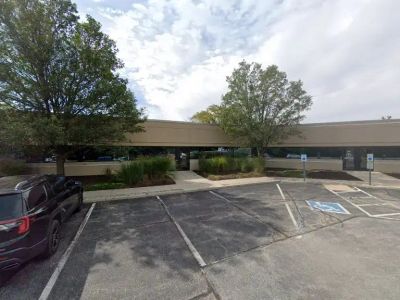
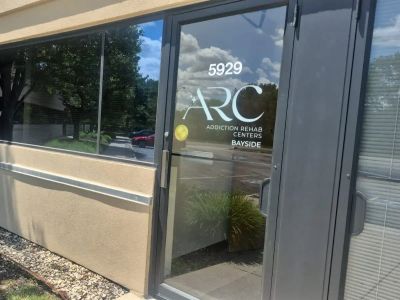

Addiction Rehab Centers - ARC At Bayside | Indianapolis Drug & Alcohol Rehab
Indianapolis, Indiana
5929 Lakeside Blvd, Indianapolis, IN 46278
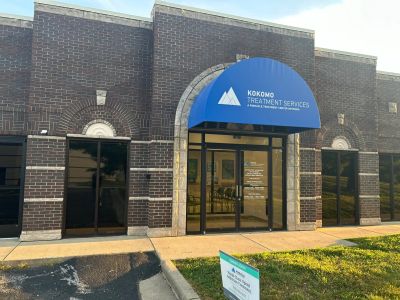
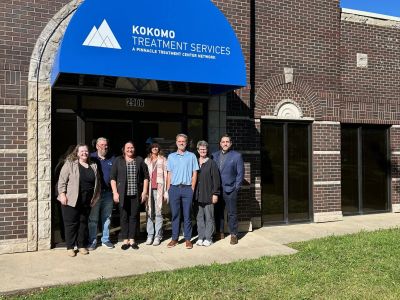
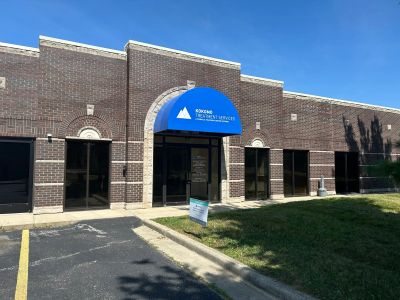
Pinnacle Treatment Centers - Kokomo
Kokomo, Indiana
2906 S. Reed Rd. Kokomo, IN 46902
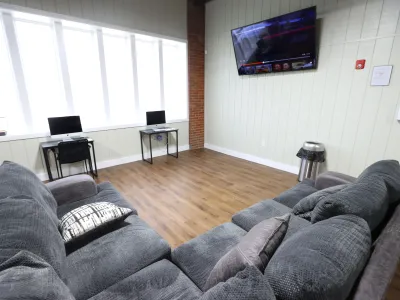
First City Recovery Center
Kokomo, Indiana
317 W Jefferson St, Kokomo, IN, 46901
Get Personalized Rehab Matches in 60 Seconds
Tell us a few details and we’ll show a personalized shortlist of verified Indiana rehabs, making it simple to compare options and choose your next step with confidence.
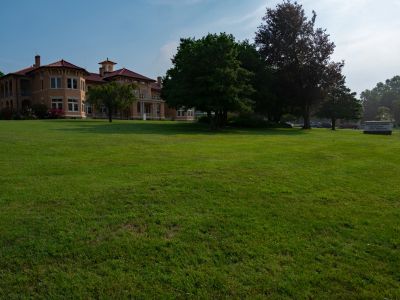
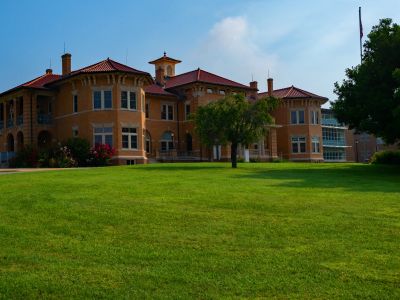

Madison State Hospital
Madison, Indiana
711 Green Road, Madison, IN, 47250
Southwestern Behavioral Healthcare - Faren E. Levell Center
Evansville, Indiana
410 Mulberry St. Evansville, IN 47713
Why Trust Indiana Rehabs
As Hoosiers helping Hoosiers, we understand the unique challenges our communities face. Our team meticulously verifies every Indiana treatment center, ensuring you find trusted, local care that truly understands your journey.
About our listingsLevels of Care
Explore popular treatment options by levels of care, from flexible treatment in Outpatient centers to intensive care in Residential rehabs.
Free · 24/7 · Confidential
Talk to a Treatment Specialist
Call now to get matched with Indiana facilities that accept your insurance.
(888) 568-9930
Free
Ins. check
4.9★
Rating
HIPAA
Protected
Can't travel to a facility?
Licensed Indiana therapists via secure video — same-week appointments, evenings & weekends available.
Have you ever felt a song’s beat pulse through you, changing the way you breathe or even the way you see the world for a moment? There’s something almost primal about the urge to tap your foot or move your body when the rhythm hits just right. drum therapy taps into that same deep, universal connection, offering healing and comfort in ways words sometimes can’t. It’s a practical, supportive path that can bring emotional, spiritual, and community healing within reach, no experience needed, just a willingness to listen and feel.
What Is Drum Therapy?
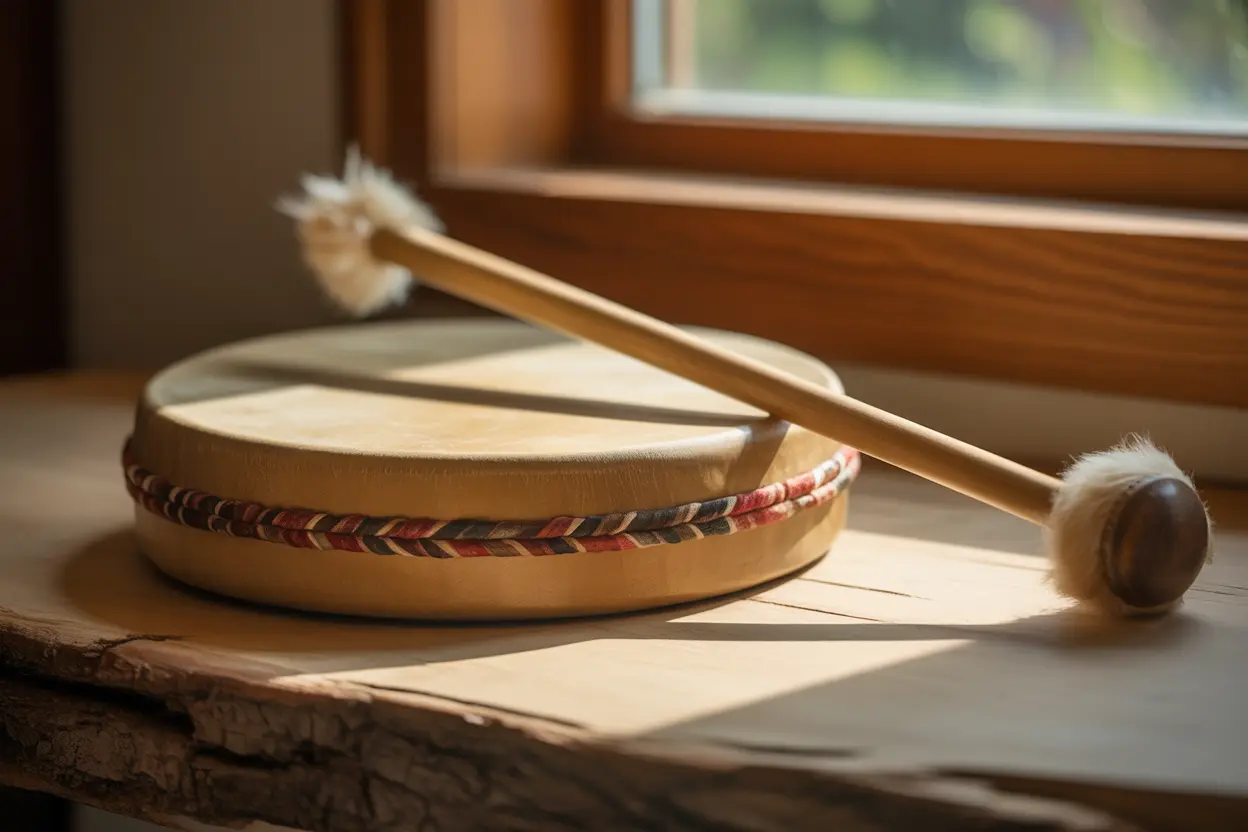
At its heart, drum therapy is a guided practice that uses the power of rhythm to help with healing and self-expression. It’s much more than just learning to play an instrument; it’s a form of therapeutic drumming where a trained facilitator or therapist helps you explore your emotions and connect with yourself and others through rhythm. Think of it as a conversation without words, where the drum gives voice to feelings that are often hard to express.
This approach is used in various settings to support people dealing with addiction, trauma, anxiety, and depression. Whether in a one-on-one session or a group drum circle, the goal is to create a safe space for release and connection. It’s considered a complementary therapy, meaning it works alongside other evidence-based treatments to support your overall recovery. In fact, many treatment facilities across the country now include complementary therapies like music therapy and art therapy as part of their programs for mental health and addiction[1]. This integration helps create a more holistic and supportive path to healing.
Amazing Benefits
The benefits of drum therapy go far beyond simply making music; they touch both your emotional and physical well-being. The simple, repetitive act of drumming can ground you in the present moment, offering a powerful anchor when your thoughts feel overwhelming. It provides a healthy outlet for stress and can even help your body relax, making it a valuable tool for anyone on the path to recovery.
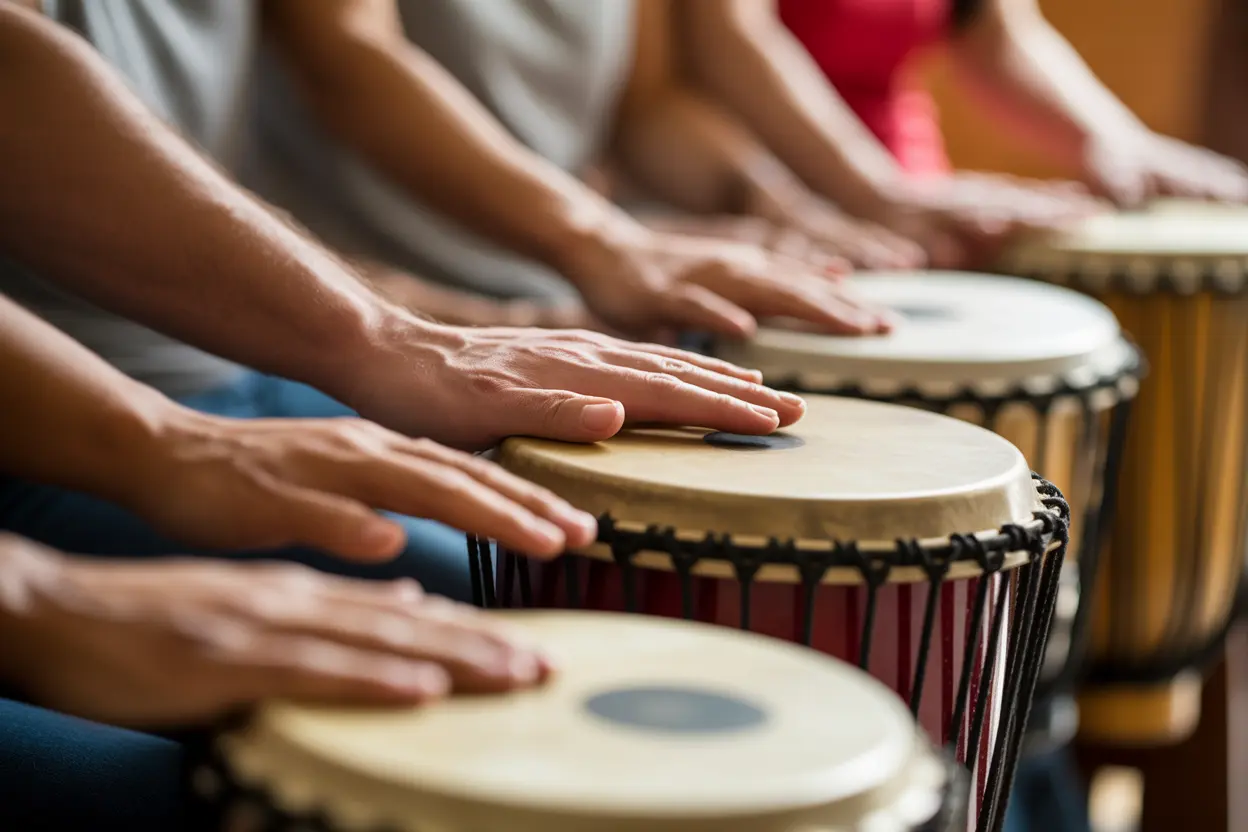
Why Drum in Recovery
- A Voice for Difficult Emotions: Recovery involves navigating complex feelings like anger, grief, and even joy. Drumming offers a non-verbal outlet to express these emotions when words feel out of reach.
- Healthy Stress Release: The physical act of drumming can be a powerful and healthy way to release pent-up energy, tension, and stress. Instead of turning to old habits, you have a constructive way to manage difficult moments.
- A Tool for Mindfulness: The rhythm of a drum can pull you into the present moment, offering a much-needed break from cravings or anxious thoughts about the past or future. It helps you practice mindfulness in a natural, engaging way.
Healing Through Music and Community
One of the most powerful aspects of drum therapy is its ability to build community. In a drum circle, you’re not just playing for yourself; you’re creating something together. Synchronizing rhythms with others helps break down walls and fosters a deep sense of connection and belonging, which is so important for overcoming the isolation that often comes with addiction. These drumming circles create a safe, judgment-free space where you can show up exactly as you are, find support, and realize you’re not alone. Research shows that therapeutic drumming can foster group cohesion and provide a non-verbal way to process emotions together[2]. This shared experience is a core part of many holistic treatment programs that focus on healing the whole person.
Express Your Emotions Through Drumming
Drumming provides a direct line to your feelings, allowing for a kind of non-verbal communication that can be incredibly freeing. You don’t need to find the right words to describe your anger, sadness, or joy; you can simply let the rhythm speak for you. A fast, intense beat might express frustration, while a slow, steady rhythm could bring a sense of calm and stability. This process of turning internal feelings into external sound is a cathartic release. It’s a way to get emotions out of your body and into the open, where they can be acknowledged and processed in a safe and supportive environment.
DRUM-ASSISTED RECOVERY THERAPY FOR NATIVE AMERICANS (DARTNA)
For many, healing is deeply connected to culture and identity. Drum-Assisted Recovery Therapy for Native Americans (DARTNA) is a powerful example of this. It’s a specific, culturally-informed treatment designed for American Indians and Alaska Natives facing substance use disorders[3]. This approach recognizes that for many Native American individuals, the path to recovery must also address historical and cultural trauma.
DARTNA integrates traditional elements, like powwow-style drumming and the teachings of the Medicine Wheel, with evidence-based practices for addiction treatment. This creates a space where individuals can reconnect with their cultural identity, which is a vital source of strength and resilience. The program is designed to be engaging and relevant, offering a healing path that feels authentic. An initial study highlighted its potential, showing a 50% completion rate for the 12-week program, which is a promising outcome for a community-based treatment model[2]. By honoring tradition, DARTNA provides more than just treatment; it offers a journey toward holistic healing.
How to Find Drum Therapy in Indiana
Now that you understand the what and why of drum therapy, you might be wondering how to find it here in Indiana. While it may not be available at every facility, it’s becoming an increasingly common part of holistic treatment programs across the state. The best first step is to reach out directly to rehabilitation centers and ask about their services. When you call, you can ask if they offer drum therapy, who facilitates the sessions, and how it’s integrated into their overall treatment plans.
All substance use disorder treatment providers in Indiana must be certified by the Division of Mental Health and Addiction (DMHA), ensuring they meet specific standards of care[4]. You can also look into resources that list certified recovery residences to find trusted options. For example, understanding the INARR certification standards can help you identify quality programs. Finding the right approach is a key part of your recovery journey, and taking this step is a powerful move toward healing.
Exploring therapies like drumming can open up new avenues for healing that you may not have considered before. It’s a reminder that recovery isn’t just about what you stop doing, but also about what you start, new connections, new forms of expression, and new ways of being. If you’re ready to find a treatment program that fits your needs, our team at Indiana Rehabs is here to help. You can give us a call at (888) 568-9930 or get in touch with us to find the support you deserve. Taking that first step is often the hardest, but you don’t have to do it alone.
Frequently Asked Questions About Drum Therapy for Recovery
What is the main goal of drum therapy in addiction recovery?
Do I need to be a musician to participate in drum therapy?
What happens in a typical drum therapy session?
How does drum therapy help with cravings?
Is drum therapy a standalone treatment for addiction?
Can drum therapy help with anxiety and depression too?
- (2020). National Survey of Substance Abuse Treatment Services (N-SSATS). Substance Abuse and Mental Health Services Administration. samhsa.gov
- Dickerson, D. L., et al. (2018). Drum-Assisted Recovery Therapy for Native Americans (DARTNA): A Pretest Study. The American Journal of Drug and Alcohol Abuse. pmc.ncbi.nlm.nih.gov
- (n.d.). Drum-Assisted Recovery Therapy for Native Americans (DARTNA). National Institute on Alcohol Abuse and Alcoholism. niaaa.nih.gov
- U.S. Department of Health & Human Services. (August, 2021). State Residential Treatment for Behavioral Health: Indiana. Office of the Assistant Secretary for Planning and Evaluation. aspe.hhs.gov