
Rehabs Offering Emotion-Focused Therapy (EFT)

Showing 6 of 6 Results (filtered)
Featured Rehab Centers

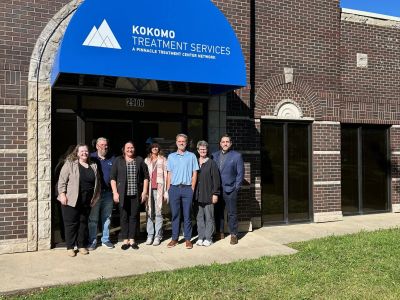
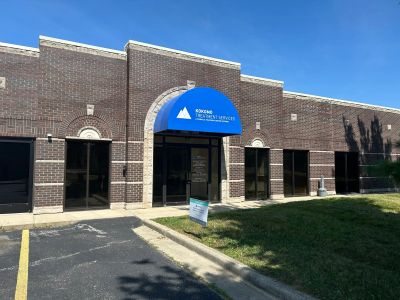
Pinnacle Treatment Centers - Kokomo
Kokomo, Indiana
2906 S. Reed Rd. Kokomo, IN 46902



Avenues Recovery Center at Indianapolis
Indianapolis, Indiana
7960 Shadeland Ave, Indianapolis, IN 46250



Kentuckiana Integrative Medicine
Jeffersonville, Indiana
405 E Court Ave #102, Jeffersonville, IN 47130
Get Personalized Rehab Matches in 60 Seconds
Tell us a few details and we’ll show a personalized shortlist of verified Indiana rehabs, making it simple to compare options and choose your next step with confidence.

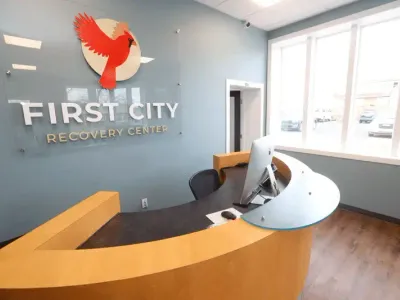

First City Recovery Center
Kokomo, Indiana
317 W Jefferson St, Kokomo, IN, 46901
Pinnacle Treatment Centers - 581 E. Main Street
Hagerstown, Indiana
581 E. Main Street Hagerstown, IN 47346
Southwestern Behavioral Healthcare - Faren E. Levell Center
Evansville, Indiana
410 Mulberry St. Evansville, IN 47713
Why Trust Indiana Rehabs
As Hoosiers helping Hoosiers, we understand the unique challenges our communities face. Our team meticulously verifies every Indiana treatment center, ensuring you find trusted, local care that truly understands your journey.
About our listingsLevels of Care
Explore popular treatment options by levels of care, from flexible treatment in Outpatient centers to intensive care in Residential rehabs.
Free · 24/7 · Confidential
Talk to a Treatment Specialist
Call now to get matched with Indiana facilities that accept your insurance.
(888) 568-9930
Free
Ins. check
4.9★
Rating
HIPAA
Protected
Can't travel to a facility?
Licensed Indiana therapists via secure video — same-week appointments, evenings & weekends available.
Have you ever found yourself stuck in the same old argument, feeling like you and your partner, or even your own heart, are speaking completely different languages? Maybe there are moments when your emotions well up inside, impossible to name or explain, leaving you more isolated than you’d ever admit out loud. That sense of disconnect doesn’t have to be permanent. Emotion Focused Therapy gently helps translate those tangled feelings into words and understanding, guiding you toward deeper connection and healing with others and within yourself.

What Does Emotion-Focused Therapy Mean?
emotion-focused therapy, often called EFT, is a structured, evidence-based approach to psychotherapy that helps you make sense of your feelings.[1] It’s built on the simple but powerful idea that our emotions are not random or chaotic; they are signals that tell us what we need. Instead of pushing difficult feelings away, EFT helps you welcome them, understand their messages, and use them to guide you toward healing and growth.
At its core, EFT is grounded in attachment theory. This is the understanding that we are all born with a fundamental need to form strong, secure emotional bonds with others. When these bonds feel threatened or broken, it can cause deep distress. EFT explores how your early attachment experiences shape the way you connect with others today. By healing old wounds and learning to express your emotional needs clearly, you can build healthier, more resilient relationships.
Whether you're seeking help as an individual, looking to reconnect with your partner, or hoping to strengthen family ties, emotion focused therapy offers a path forward. It’s a compassionate process that helps individuals work through past hurts, guides couples out of negative cycles, and supports families in creating more loving and secure connections. It’s not about blaming anyone; it’s about understanding the emotional music that plays underneath our words and actions.
How Does Emotion-Focused Therapy Work?
Think of an emotion-focused therapy session as a safe laboratory for your feelings. The process is deeply collaborative, meaning you and your therapist work together as a team. There’s no judgment here, only curiosity and compassion. The main focus is on the emotions you’re experiencing right here, right now, in the therapy room. A skilled EFT therapist helps you tune into these feelings, name them, and understand what they’re trying to tell you.
For couples, a common goal is to identify and break free from negative patterns. You know the ones, the arguments that seem to follow the same script every time, leaving both partners feeling hurt and misunderstood. An EFT therapist helps you see this recurring cycle not as a sign that your relationship is doomed, but as a protest against disconnection. For example, angry accusations might be covering up a deep fear of being abandoned or feeling unimportant. By uncovering these softer, more vulnerable emotions, couples can stop the blame game and start responding to each other’s true needs. This is where the real work of rebuilding trust and intimacy begins.
Emotion-Focused Therapy Stages
For couples, the journey of EFT typically unfolds across three main stages, each building on the last to create a stronger, more secure bond.[2] These stages provide a clear roadmap for therapy:
- De-escalation: The first step is to calm the storm. You and your partner will work with the therapist to identify the negative interaction cycle that keeps you stuck. By mapping out this pattern, you learn to see it as the common enemy, rather than each other.
- Restructuring: Once the cycle is understood, you can start changing it. This stage is about sharing the deeper, more vulnerable feelings that the cycle hides. The therapist helps you express your attachment needs and fears in a way that your partner can truly hear, fostering new, positive patterns of interaction.
- Consolidation: In the final stage, you and your partner practice and solidify these new patterns. You’ll find new solutions to old problems and build a new, more resilient story for your relationship, one based on secure connection and mutual understanding.
Emotion-Focused Therapy Techniques
An EFT therapist uses several gentle but powerful techniques to guide you through this process. One of the most important is reflecting and validating emotions. This means the therapist listens carefully to what you share and reflects it back in a way that shows they understand. Feeling truly heard and accepted, often for the first time, can be incredibly healing.
Another key technique is called "enactments." This is where the therapist guides you and your partner to talk directly to each other in the session, but in a new and different way. Instead of falling into the old, painful pattern, you’re supported in expressing your deeper feelings and needs. These enactments create powerful, positive experiences that become the building blocks of a more secure and loving bond.

How Does Emotion-Focused Therapy Affect Your Health?
Learning to understand and work with your emotions doesn't just improve your relationships; it has a profound impact on your overall health. When you're stuck in cycles of conflict or bottling up painful feelings, your body and mind are under constant stress. emotion-focused therapy helps relieve that pressure by getting to the root of the issue. By processing core emotions, you can experience significant relief from a range of mental health challenges.
For example, EFT has been shown to be an effective treatment for depression and anxiety, conditions often fueled by unresolved sadness, fear, or anger.[3] It can also be incredibly helpful for those working through trauma (PTSD) or struggling with eating disorders, as these are frequently linked to deep-seated emotional pain. EFT provides a safe space to gently approach these wounds and integrate them into your life story in a way that promotes healing and wholeness.
EFT for Individuals
In individual therapy, EFT helps you build a more compassionate and secure relationship with yourself. It’s a journey of self-discovery where you learn to listen to your own emotional cues. This process can help you improve emotional regulation, so you feel less overwhelmed by your feelings. By working through unresolved issues from the past, such as trauma or painful relationship patterns, you can build a stronger sense of self-worth and move forward with greater confidence and clarity. Many people find that individual EFT helps them feel more "at home" in their own skin.
EFT For Couples
For couples, EFT offers a lifeline out of distress. The therapy is designed to help partners break free from destructive cycles of blame and withdrawal and create a secure, loving bond. By learning to communicate underlying needs and fears, couples can foster deeper intimacy and trust. The goal is to move from a place of conflict and distance to one where both partners feel seen, heard, and cherished. If you feel like you and your partner are growing apart, EFT can help you find your way back to each other. Exploring therapy options for couples can be the first step toward rebuilding that connection.
EFT for Families
The principles of EFT can also be adapted to help families heal and connect.[4] Family life can be complicated, and it's easy for communication to break down, leading to rifts between parents and children or among siblings. Family-focused therapy helps members understand the emotional dynamics at play within the family system. It creates a space where everyone can express their feelings and needs safely, strengthening emotional bonds and improving how the family functions as a whole. It’s about creating a family environment where everyone feels loved, supported, and understood.
Is Emotion-Focused Therapy Effective?
When you’re considering therapy, it’s natural to wonder, "Does this actually work?" With emotion-focused therapy, the answer is a resounding yes. EFT isn’t just a collection of nice ideas; it's an evidence-based approach that is recognized by organizations like the Substance Abuse and Mental Health Services Administration and has been rigorously tested in clinical studies.[5] The research consistently shows that it creates significant and lasting change for individuals, couples, and families.
The results for couples are particularly impressive. Research shows that 70% to 75% of couples who complete EFT move from distress to recovery, and approximately 90% show significant improvements in their relationship satisfaction. These positive changes are not just temporary fixes; they tend to last long after therapy has ended. Studies have also demonstrated that EFT leads to a significant reduction in the symptoms of anxiety and depression.[3] This body of evidence provides strong confidence that EFT is a highly effective path to emotional and relational well-being.
What Are the Pros of Emotion-Focused Therapy?
- Creates Long-Lasting Change: By focusing on the underlying emotions and attachment needs, EFT helps create shifts that are deep and sustainable over time.
- Addresses Root Causes: Instead of just managing symptoms, EFT gets to the heart of the matter, helping you heal the core issues driving distress.
- Improves Emotional Intelligence: You’ll learn to better understand your own feelings and the feelings of others, a skill that benefits all areas of your life.
- High Success Rates: EFT is backed by extensive research, especially for couples, showing a high rate of recovery from relationship distress.
What Are the Cons of Emotion-Focused Therapy?
- Requires Emotional Vulnerability: The process requires a willingness to explore and share deep feelings, which can be challenging or uncomfortable for some people at first.
- Not for All Situations: EFT may not be the best fit for couples where there is ongoing domestic violence, as safety must be the first priority.
- Finding a Certified Therapist: Because it is a specialized approach, it can sometimes be challenging to find a therapist who has completed the rigorous training and certification process in EFT.
What is the difference between EFT and CBT?
While both emotion-focused therapy (EFT) and cognitive behavioral therapy (CBT) are effective, respected forms of therapy, they work in fundamentally different ways. The core distinction lies in what they focus on. EFT believes that to change how you feel, you must first explore and transform your emotions. CBT, on the other hand, operates on the principle that by changing your unhelpful thought patterns and behaviors, your emotions will follow.
An EFT therapist will help you dive deep into your feelings to understand what they are trying to tell you, while a CBT therapist will help you identify irrational thoughts and give you practical tools to challenge and reframe them. Both approaches have been proven effective for conditions like anxiety and depression, but they take different roads to get there. The best choice often depends on your personal preferences and the specific issues you want to address.
| Aspect | emotion-focused therapy (EFT) | cognitive behavioral therapy (CBT) |
|---|---|---|
| Primary Focus | Exploring, understanding, and transforming emotional experiences to change interactions and self-perception. | Identifying and changing negative or unhelpful thought patterns and behaviors. |
| Therapist's Role | A collaborative process guide who helps you access and process emotions in a safe environment. | A structured, goal-oriented coach who teaches you skills and strategies. |
| Core Belief | Emotions are central to our experience and contain valuable information for healing and growth. | Thoughts, feelings, and behaviors are interconnected, and changing thoughts can change feelings. |
| Typical Techniques | Emotional validation, exploring attachment needs, and in-session 'enactments' to create new experiences. | Thought records, cognitive restructuring, journaling, and behavioral experiments. |

What to Look for in an Emotionally Focused Therapist
Finding the right therapist is one of the most important steps in your healing journey. When seeking an EFT practitioner in Indiana, it’s crucial to look for someone with specific, formal training in this model. The gold standard for certification is from The International Centre for Excellence in Emotionally Focused Therapy (ICEEFT). A certified EFT therapist has undergone extensive training, supervision, and evaluation to ensure they practice the model with fidelity.
Don't be afraid to ask a potential therapist questions about their qualifications. You might ask, "What is your experience with EFT?" or "How do you incorporate emotions into your sessions?" A good therapist will welcome these questions and be happy to discuss their approach. It's also important to consider how long therapy might take. EFT is generally a short-term therapy, often lasting between 8 and 20 sessions, but this can vary depending on your unique needs and goals. You can search for licensed providers using resources like the Indiana DMHA Provider Search. Understanding what constitutes an evidence-based practice can also be helpful, and the SAMHSA Evidence-Based Practices Resource Center is a great place to learn more.
Navigating the behavioral health system in Indiana means finding a provider who meets state standards for care.[6][7] Our directory at Indiana Rehabs is designed to make this process easier. You can filter your search to find qualified therapists who specialize in emotion-focused therapy right here in your community, ensuring you connect with a professional who can truly help.
Take the Next Step Toward Emotional Healing
If you're tired of feeling disconnected, from your partner, your family, or even yourself, know that there is a way forward. emotion-focused therapy is a powerful, proven approach that can help you create deeper, more meaningful connections and heal from the inside out. It teaches us that understanding our emotions is not a sign of weakness, but one of profound strength. By learning to listen to what your feelings are telling you, you can transform your relationships and your life.
You don't have to take this journey alone. The right support can make all the difference. Reaching out is a brave first step toward building a more connected and fulfilling future. If you’re ready to explore how EFT can help, our directory can connect you with compassionate and qualified therapists across Indiana. Real change is possible, and it starts with the decision to seek help.
Your path to deeper connection starts today. You can explore local, Indiana-based treatment options or call us for more information. Healing is within reach. If you feel lost and don't know where to begin, compassionate help is available. Take the first step by calling (888) 568-9930 to speak with a care coordinator at Indiana Rehabs, or contact us through our site to find the support you deserve.
Frequently Asked Questions About Emotion Focused Therapy
What is the main goal of emotion-focused therapy?
How long does emotion-focused therapy take?
Who is EFT not suitable for?
What is an example of emotion-focused therapy?
- Substance Abuse and Mental Health Services Administration. (2025). Evidence-Based Practices Resource Center. Substance Abuse and Mental Health Services Administration. samhsa.gov
- (2022). Emotion Focused Therapy for Couples in Addiction Treatment. Liberty University. digitalcommons.liberty.edu
- (2025). A randomized controlled trial of emotionally focused individual therapy for depression and anxiety. U.S. National Library of Medicine. pubmed.ncbi.nlm.nih.gov
- (2024). family therapy and systemic interventions for child‐focussed problems. Wiley Online Library. onlinelibrary.wiley.com
- (2025). Effectiveness of emotion-focused therapy: Main results of a practice-research network study. U.S. National Library of Medicine. pubmed.ncbi.nlm.nih.gov
- Indiana General Assembly. (2024). Indiana Code § 12-21-5-1.5. Duties; Rules. Justia Law. law.justia.com
- Indiana Behavioral Health Commission. (2022). Indiana Behavioral Health Commission Report. Indiana Family and Social Services Administration. in.gov