
Exercise Therapy Therapy in Indiana



Showing 10 of 10 Results (filtered)
Featured Rehab Centers
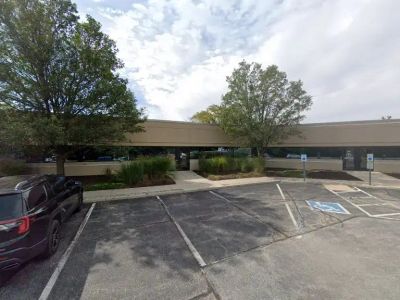
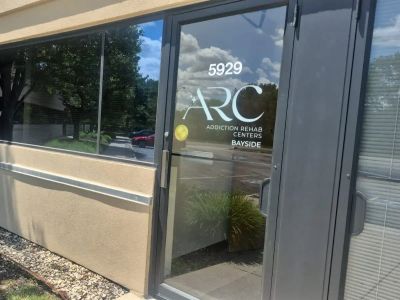

Addiction Rehab Centers - ARC At Bayside | Indianapolis Drug & Alcohol Rehab
Indianapolis, Indiana
5929 Lakeside Blvd, Indianapolis, IN 46278



1501 A St NE, Linton, IN 47441

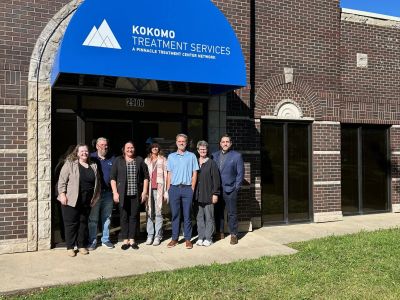
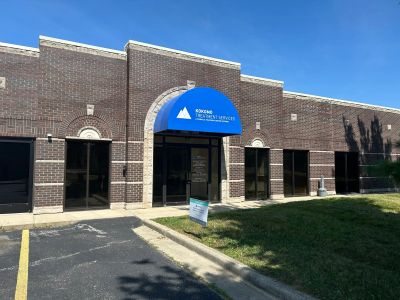
Pinnacle Treatment Centers - Kokomo
Kokomo, Indiana
2906 S. Reed Rd. Kokomo, IN 46902
Get Personalized Rehab Matches in 60 Seconds
Tell us a few details and we’ll show a personalized shortlist of verified Indiana rehabs, making it simple to compare options and choose your next step with confidence.



Indiana Center for Recovery - Alcohol & Drug Rehab Center Bedford
Bedford, Indiana
1600 23rd St, Bedford, IN 47421



First City Recovery Center
Kokomo, Indiana
317 W Jefferson St, Kokomo, IN, 46901



Forum at the Crossing
Indianapolis, Indiana
8505 Woodfield Crossing B Ofc, Indianapolis, IN 46240


Addison Pointe Health & Rehabilitation Center
Chesterton, Indiana
780 Dickinson Rd, Chesterton, IN 46304



Madison State Hospital
Madison, Indiana
711 Green Road, Madison, IN, 47250
Pinnacle Treatment Centers - 8955 Broadway
Merrillville, Indiana
8955 Broadway Merrillville, IN 46410
Southwestern Behavioral Healthcare - Faren E. Levell Center
Evansville, Indiana
410 Mulberry St. Evansville, IN 47713
Why Trust Indiana Rehabs
As Hoosiers helping Hoosiers, we understand the unique challenges our communities face. Our team meticulously verifies every Indiana treatment center, ensuring you find trusted, local care that truly understands your journey.
About our listingsLevels of Care
Explore popular treatment options by levels of care, from flexible treatment in Outpatient centers to intensive care in Residential rehabs.
Free · 24/7 · Confidential
Talk to a Treatment Specialist
Call now to get matched with Indiana facilities that accept your insurance.
(888) 568-9930
Free
Ins. check
4.9★
Rating
HIPAA
Protected
Can't travel to a facility?
Licensed Indiana therapists via secure video — same-week appointments, evenings & weekends available.
If you've ever felt trapped by stubborn pain or frustrated by a recovery that seems to drag on, you're not alone, it can feel as though your own body has turned against you. What if, instead of staying stuck, there was a way forward through movement, carefully chosen and tailored just for you? exercise therapy is more than just another routine; it's a personalized, proven approach that helps ease pain and rebuild strength, giving you real and practical steps toward getting your life back.

What Is Exercise Therapy?
At its core, exercise therapy is a carefully planned program of physical movements and activities designed specifically for you. Think of it not as a generic workout from a magazine, but as a prescription for movement, written by a healthcare professional to help your body heal and regain function. This isn't about pushing through pain or hitting the gym without a plan. Instead, it's a structured approach used in physical therapy and rehabilitation to achieve clear health goals.
Unlike general fitness, which aims for overall health, exercise therapy is highly personalized. A therapist will assess your specific condition, limitations, and goals to create a routine with precise sets, repetitions, and resistance levels. The primary goal is to address a specific problem, whether that's recovering from an injury, managing a chronic disease, or preventing future health issues. It's a fundamental part of a comprehensive treatment plan that empowers you to take an active role in your own healing journey.
Types of exercises
An effective exercise therapy program is built from different types of movements, each with a unique job to do. Your therapist will create a balanced plan that combines these elements to help you heal and get stronger. By understanding what each type of exercise does, you can see how they work together to restore your body's natural function and strength.

Endurance Exercises
Endurance exercises, also known as aerobic exercises, are activities that get your heart pumping and increase your breathing rate for a sustained period. The main goal here is to improve your cardiovascular health, which means making your heart and lungs stronger and more efficient. Better circulation delivers more oxygen-rich blood to your muscles and tissues, which can speed up healing and boost your overall stamina. In a therapy setting, this might involve activities like brisk walking on a treadmill, riding a stationary bike, or gentle swimming in a pool as part of aquatic therapy.

Strengthening Exercises
Strengthening exercises are designed to build muscle mass and power. When your muscles are strong, they provide better support for your joints, improve your stability, and can even help reduce pain. This is especially important for protecting areas like your back, knees, and shoulders. Your therapist might have you use light free weights, resistance bands, or your own bodyweight for exercises like squats, lunges, or planks. The key is controlled movement that challenges your muscles without causing strain, helping you build a stronger foundation for everyday activities.

Flexibility Exercises
Flexibility exercises involve stretching and lengthening your muscles to improve your range of motion. When you're injured or dealing with a chronic condition, your muscles can become tight and stiff, making movement difficult and painful. Gentle stretching helps reduce this stiffness, restores mobility, and plays a crucial role in preventing future injuries. Common examples include hamstring stretches to loosen the back of your legs, quad stretches for the front of your thighs, or incorporating therapeutic yoga poses that promote both flexibility and relaxation.

Balance and Co-ordination
Balance and co-ordination exercises are all about improving your stability and body awareness, which is technically called proprioception. These movements challenge your ability to control your body's position, which is essential for preventing falls, especially as we get older or recover from an injury. Your therapist might guide you through simple yet effective activities like standing on one foot, walking in a straight line heel-to-toe, or using specialized equipment like a balance board. These exercises retrain the connection between your brain and your muscles, helping you move with more confidence and control.
Conditions Treated With Exercise Therapy
One of the greatest strengths of exercise therapy is its versatility. It’s a proven and effective treatment for a wide range of health issues, helping patients regain function, manage symptoms, and improve their quality of life. Because it can be tailored to each person's unique needs, it's a cornerstone of rehabilitation for many physical and mental health conditions.

- Musculoskeletal and Orthopedic Injuries: This is perhaps the most common use for exercise therapy. It's highly effective for treating conditions like chronic non-specific low back pain, neck pain, sports injuries (like sprains and strains), and repetitive stress injuries. The goal is to reduce pain, restore movement, and strengthen the affected area to prevent it from happening again.
- Chronic Conditions: For patients living with long-term diseases, exercise therapy can be life-changing. It's used to manage symptoms of arthritis by improving joint function and reducing pain. It also helps with conditions like osteoporosis by building bone density and fibromyalgia by easing widespread pain and fatigue.
- Post-Surgical Rehabilitation: After surgery, such as a knee or hip replacement, a structured exercise program is essential for a successful recovery. Therapy helps restore range of motion, rebuild muscle strength around the new joint, and get patients back to their daily activities safely and quickly.
- Mental Health Support: The mind-body connection is powerful, and physical activity has a profound impact on mental well-being. exercise therapy is increasingly used to help manage symptoms of anxiety and depression by releasing endorphins, reducing stress hormones, and improving sleep. Many substance use disorder treatment programs also incorporate exercise, as it can help manage co-occurring mental health conditions[1]. This approach is common in facilities that treat a variety of conditions alongside substance abuse[2].
Benefits and Effectiveness of Exercise Therapy
When you commit to an exercise therapy program, you're not just hoping for the best, you're participating in a treatment backed by a mountain of scientific evidence. Study after study has shown its effectiveness in producing real, measurable improvements for patients. The benefits go far beyond simply getting stronger; they touch every aspect of your well-being, from physical function to mental clarity.

The core outcome of exercise therapy is a better quality of life. This is achieved through several key benefits:
- Pain Reduction: For many people, especially those with chronic pain, this is the most significant benefit. Targeted exercises help strengthen the muscles that support painful joints, improve blood flow, and release natural pain-relieving chemicals in the body.
- Improved Function and Mobility: Whether you're recovering from surgery or managing arthritis, the goal is often to get back to doing the things you love. exercise therapy helps restore your range of motion, strength, and balance, making daily tasks easier and more enjoyable.
- Enhanced Mental Health: The positive effects of exercise on mood are well-documented. It can reduce symptoms of depression and anxiety, improve sleep, and boost self-esteem, providing a powerful tool for overall well-being. For those in recovery from substance use, exercise has been shown to reduce cravings and support long-term abstinence[3]. Multiple studies confirm that exercise programs lead to moderate improvements in substance use outcomes[4].
- Fewer Side Effects: Compared to options like medication or surgery, exercise therapy is a non-invasive treatment with very few risks. It's often recommended as a first-line approach because it empowers your body to heal itself naturally.
This isn't just theory; the evidence from clinical trials is compelling. A thorough analysis of multiple studies confirms that exercise is an effective treatment for reducing pain and improving function, especially when compared to receiving no treatment at all.
Finding Exercise Therapy in Indiana
Taking that first step toward recovery can feel overwhelming, but finding the right provider in Indiana is easier than you think. The key is connecting with a qualified professional who can design a treatment plan that fits your specific needs. From dedicated physical therapy clinics to comprehensive rehabilitation centers, there are many excellent options available across the state.

Our directory is designed to help you narrow down your search. You can filter providers by location to find a clinic close to home, by the insurance they accept, and by the type of care setting you're looking for, such as an outpatient program. Many facilities in Indiana offer a wide range of services to support recovery from various conditions[5].
Many patients wonder about cost and insurance coverage. The good news is that exercise therapy is often covered by insurance, including Medicare, especially when it's deemed medically necessary by a doctor. It’s always a good idea to call a potential provider and ask about your specific plan and what CPT codes (the codes for services) they use for billing. For those using state services, resources like the official page for Indiana Medicaid SUD Treatment Services can provide valuable information on coverage options for substance use disorder treatment, which often includes therapeutic services[6]. Don't let uncertainty about payment stop you from seeking the health care you need.
Taking the Next Step Toward Recovery
If you've been living with pain or limited mobility, it's easy to feel like it's something you just have to accept. But it doesn’t have to be that way. exercise therapy is a personalized, evidence-based treatment that puts you in control of your health. It’s about more than just movement; it’s about reclaiming your strength, your confidence, and your life, one step at a time.
The journey to recovery begins with a single decision to seek help. We encourage you to speak with your doctor or a qualified physical therapist to explore whether this treatment approach is the right fit for you. A professional can provide a thorough assessment and create a program tailored to your unique goals. You have the power to change your story, and guided, proactive movement is one of the most effective tools you have.
You’ve already taken an important step by learning more about your options. When you’re ready to connect with a provider, our directory can help you find the right support here in Indiana. If you have questions or need help navigating your choices, our team is here for you. Call us at (888) 568-9930 to speak with someone who understands. At Indiana Rehabs, we are committed to helping you find the path to a healthier, more active life. Feel free to contact us to get started.
Frequently Asked Questions About Exercise Therapy
What is the difference between physical therapy and exercise therapy?
Can I do exercise therapy at home?
Who can prescribe exercise therapy?
How do I know if exercise therapy is working?
What should I expect during my first exercise therapy session?
- (August, 2021). State residential treatment for behavioral health conditions: Indiana. U.S. Department of Health & Human Services. aspe.hhs.gov
- National Survey of Substance Abuse Treatment Services (N-SSATS): 2020. Substance Abuse and Mental Health Services Administration. samhsa.gov
- (2024-05-24). Enhancing substance use disorder recovery through integrated exercise programs: a narrative review. PubMed Central. pmc.ncbi.nlm.nih.gov
- (2025-06-12). The effects of exercise interventions on substance-use outcomes. PubMed. pubmed.ncbi.nlm.nih.gov
- National Survey of Substance Abuse Treatment Services (N-SSATS): 2019. Substance Abuse and Mental Health Services Administration. samhsa.gov
- (10-19-2023). Healthy Indiana plan substance use disorder summative evaluation report. Medicaid.gov. medicaid.gov