
Rehabs Offering ERP (Exposure & Response Prevention)

Showing 9 of 9 Results (filtered)
Featured Rehab Centers


1411 W County Line Rd, Suite 1411A, Greenwood, IN 46142



Evolve Indy
Indianapolis, Indiana
8770 Guion Rd, Indianapolis, IN, 46268

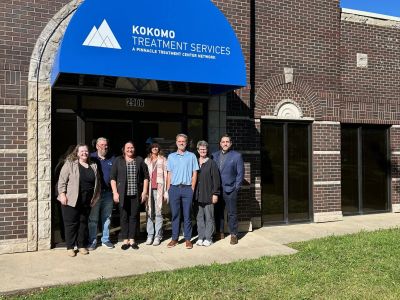

Pinnacle Treatment Centers - Kokomo
Kokomo, Indiana
2906 S. Reed Rd. Kokomo, IN 46902
Get Personalized Rehab Matches in 60 Seconds
Tell us a few details and we’ll show a personalized shortlist of verified Indiana rehabs, making it simple to compare options and choose your next step with confidence.


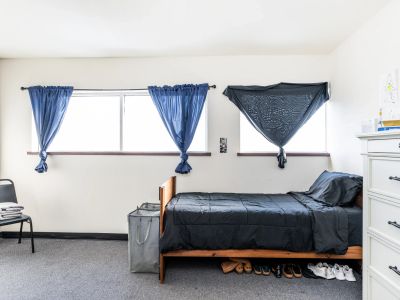
Cardinal Recovery
Franklin, Indiana
1130 West Jefferson St, Franklin, IN, 46131
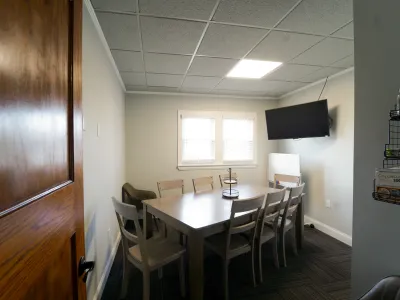

First City Recovery Center
Kokomo, Indiana
317 W Jefferson St, Kokomo, IN, 46901



Madison State Hospital
Madison, Indiana
711 Green Road, Madison, IN, 47250
Ascension Medical Group St Vincent - Lawrence Primary & Specialty Care
Indianapolis, Indiana
5629 Lee Rd Indianapolis, IN 46216
Pinnacle Treatment Centers - 8955 Broadway
Merrillville, Indiana
8955 Broadway Merrillville, IN 46410
Southwestern Behavioral Healthcare - Faren E. Levell Center
Evansville, Indiana
410 Mulberry St. Evansville, IN 47713
Why Trust Indiana Rehabs
As Hoosiers helping Hoosiers, we understand the unique challenges our communities face. Our team meticulously verifies every Indiana treatment center, ensuring you find trusted, local care that truly understands your journey.
About our listingsLevels of Care
Explore popular treatment options by levels of care, from flexible treatment in Outpatient centers to intensive care in Residential rehabs.
Free · 24/7 · Confidential
Talk to a Treatment Specialist
Call now to get matched with Indiana facilities that accept your insurance.
(888) 568-9930
Free
Ins. check
4.9★
Rating
HIPAA
Protected
Can't travel to a facility?
Licensed Indiana therapists via secure video — same-week appointments, evenings & weekends available.
Do you ever feel like your day is dictated by intrusive thoughts and the rituals you have to perform just to find a moment’s peace? Living with the weight of obsessive thoughts and compulsive actions can feel like being stuck on a relentless loop, exhausting, frustrating, and sometimes isolating. But you’re not alone in this struggle, and there is a structured, proven approach designed to help break that cycle, making it possible to reclaim a sense of control and calm in your daily life.
What is exposure and response prevention (ERP)?
exposure and response prevention (ERP) is widely considered the gold-standard, evidence-based therapy for obsessive-compulsive disorder (OCD)[1]. It’s a structured and active form of therapy designed to break the powerful cycle of obsessions and compulsions. At its heart, ERP has two core components that work together.
First is the "Exposure" part. This means you’ll work with a therapist to intentionally and gradually face the thoughts, images, objects, and situations that trigger your obsessions and cause anxiety. It’s about stepping toward the fear in a controlled, safe way, rather than avoiding it.
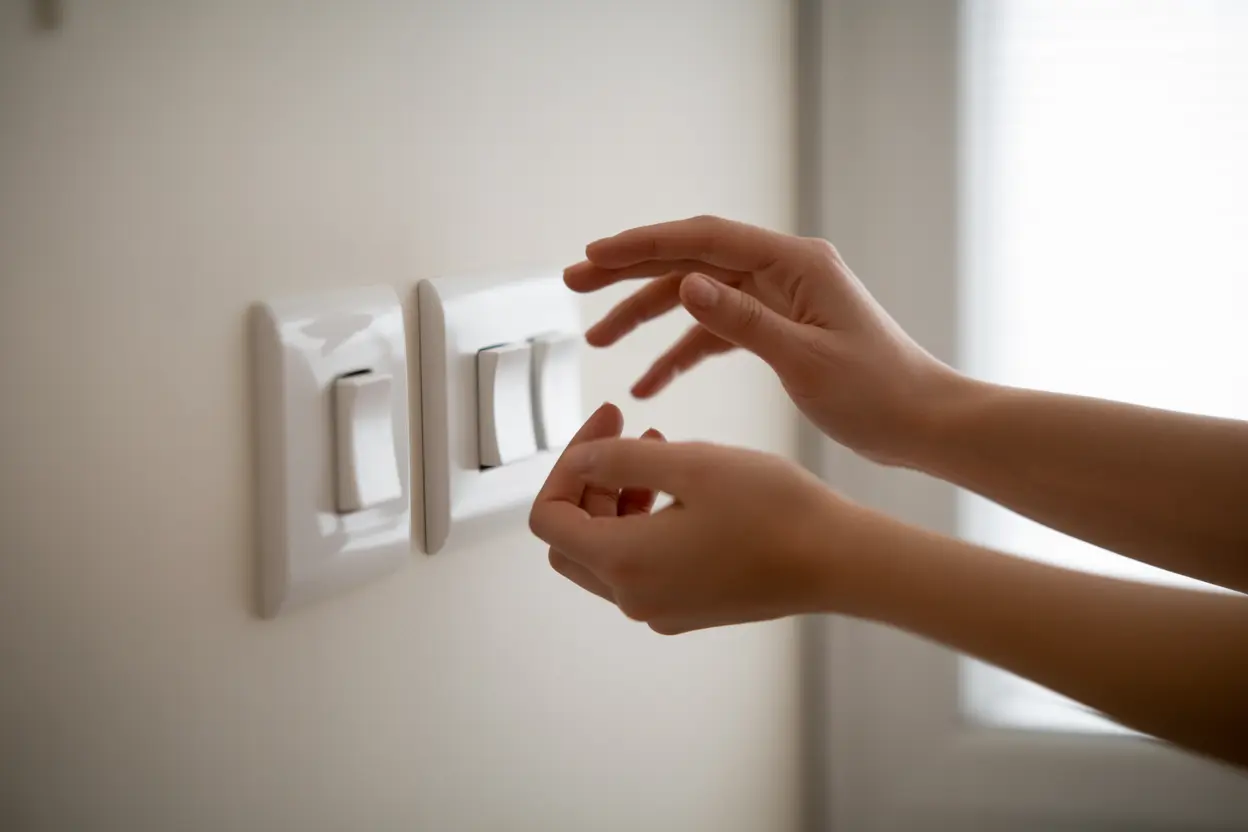
The second part is "Response Prevention." This is where you make the choice not to perform the compulsive behavior or ritual you’d normally use to soothe your anxiety. If your compulsion is to wash your hands after touching a doorknob, response prevention means resisting that urge.
Think of the OCD cycle like a faulty fire alarm. Your brain sends a false signal (the obsession) that there’s a terrible danger, and your compulsion is the frantic ritual you perform to try to turn off the alarm. ERP therapy helps you learn to recognize the alarm is false. By facing the trigger without performing the ritual, you teach your brain that the catastrophe you fear doesn't happen. The anxiety eventually fades on its own, and the alarm loses its power.
How It Works
Unlike some forms of therapy that focus on talking through your past, ERP therapy is an active, behavioral treatment that’s about *doing*. It’s a collaborative process where you are in the driver's seat, with your therapist acting as a supportive guide. The journey begins with creating a "fear hierarchy."
Together, you and your therapist will create a detailed list of the triggers and situations that cause you distress. You’ll rank them from the least scary to the most terrifying. This hierarchy becomes your personalized roadmap for treatment. You don’t jump into the deep end; instead, you start with exposures that feel challenging but manageable.
For example, if someone has a fear of contamination, a low-level exposure might be touching a clean countertop without washing their hands immediately. As they build confidence and their distress levels decrease with practice, they gradually move up the hierarchy to more difficult exposures. This step-by-step process is always done at a pace that feels right for you. Your therapist is there to provide support and guidance, helping you tolerate the anxiety until it naturally subsides. The goal isn’t to live a life free of anxiety, but to live a life that isn’t controlled by it.
What to Expect
When you start ERP, you’re beginning a structured journey toward taking back control. While every treatment plan is tailored to the individual, a typical ERP approach often includes:
- A Clear Structure: Treatment usually involves weekly outpatient care sessions that last around 60 to 90 minutes. The entire course of therapy can range from several months to longer, depending on your specific needs and goals.
- Flexible Session Locations: While many sessions happen in a therapist's office, ERP is most effective when it mirrors real life. This means sessions might take place via teletherapy, or your therapist might join you for "in vivo" exposures, facing your triggers in the actual places where they occur, like a public restroom, a grocery store, or your own home.
- Practice Between Sessions: A huge part of ERP's success comes from the work you do between appointments. Your therapist will assign "homework" that involves practicing exposures on your own. This is crucial for reinforcing what you learn in sessions and helping your brain build new, healthier responses.
How is ERP different from traditional talk therapy (psychotherapy)?
It’s common to wonder how ERP stands apart from traditional psychotherapy or talk therapy. While both aim to improve well-being, their methods are quite different. Traditional talk therapy often delves into your past to find the root causes of your feelings and behaviors. It focuses on building insight and understanding *why* you feel the way you do.
ERP, on the other hand, is a present-focused, skills-based approach. The goal isn't to figure out why your obsessions started, but to change how you respond to them *right now*. You learn practical tools to manage your symptoms and stop letting them dictate your actions. It’s less about insight and more about action.
Ultimately, ERP is a highly structured and goal-oriented type of cognitive behavioral therapy (CBT)[2]. The aim isn't to get rid of unwanted thoughts, after all, everyone has them, but to help you see them for what they are: just thoughts. Through this behavioral therapy, you learn that you don’t have to react to them, which allows you to live more freely.
Who can benefit from ERP?
exposure and response prevention is, without a doubt, the most effective treatment available for OCD[3]. Decades of research have shown its effectiveness, with studies indicating that it helps a significant number of people find meaningful symptom relief from their intrusive thoughts and compulsions.

But the benefit of ERP doesn't stop with OCD. It's also a highly effective therapy for a range of related conditions, including:
- Specific phobias (like fear of flying or needles)
- Social anxiety disorder
- Panic disorder
- Generalized anxiety disorder
Many people starting ERP wonder how long it will take to work. While everyone's journey is different, many individuals report feeling noticeable relief within 12 to 20 sessions. The key is consistent practice and a willingness to lean into the discomfort.
Let's be honest: ERP can feel hard. Facing your fears head-on is challenging, and it’s normal to feel anxious. This difficulty is why a small percentage of people decide to stop treatment early. However, a trained therapist is skilled at managing the pace, ensuring you're never pushed too far too fast. The temporary discomfort you feel during an exposure is what leads to long-term freedom from the grips of anxiety.
How Do I Find a Therapist Trained in ERP?
Finding the right therapist is a critical step in your recovery. You need a provider who has specialized training and experience in ERP, as it’s a very specific skill. Here are some actionable steps you can take to find a qualified therapist in Indiana:
- Look for Specialists: Search for therapists or treatment centers that explicitly state they specialize in OCD and anxiety disorders. Their websites or professional profiles should clearly list ERP or cognitive behavioral therapy (CBT) as a primary treatment method.
- Ask the Right Questions: When you contact a potential provider, don't hesitate to ask specific questions about their experience. Good questions to ask include:
- "What percentage of your practice is dedicated to treating OCD and anxiety disorders?"
- "What is your training and background in exposure and response prevention?"
- "Can you describe your approach to ERP and what a typical session might look like?"
- Use Trusted Directories: Resources like the IOCDF Therapist Directory are excellent for finding vetted professionals. Here at Indiana Rehabs, you can also use our directory to search for providers in your area and filter by specialty.
- Consider Teletherapy: The availability of teletherapy has made it easier than ever to access specialized care. Many qualified ERP therapists in Indiana offer virtual sessions, which have been shown to be just as effective as in-person treatment. This can be a great option if you live in a more rural area or have a busy schedule.
Your Path to Recovery with ERP in Indiana
Starting the journey with ERP is a brave and powerful decision. It’s a therapy that asks you to be courageous, but it gives you something incredible in return: the chance to reclaim your life from the cycle of anxiety and compulsion. Throughout this process, remember that feeling anxious is not a sign that it’s not working; it’s a sign that you are challenging the OCD and retraining your brain. Each exposure you face is a step toward lasting change and freedom.
This path is challenging, but you don't have to walk it alone. Finding the right support is the first step toward a life where you are in control, not your fears. If you're ready to explore treatment options and find help in Indiana, our compassionate team is here for you. You can call us at (888) 568-9930 to discuss your needs or browse our resources at Indiana Rehabs. Taking this next step is a sign of incredible strength, and we're here to help you on your way. Please don't hesitate to contact us when you're ready.
Frequently Asked Questions About Exposure Response Prevention (ERP)
What happens in an ERP session?
Why is ERP so hard?
What is the difference between ERP and CBT?
What if I'm not ready for the 'exposure' part?
- Abramowitz, J. S., McKay, D., & Ho, J. S. T. (2019). exposure and response prevention for obsessive-compulsive disorder: A review and new directions. Indian Journal of Psychiatry. pmc.ncbi.nlm.nih.gov
- Geller, D. A. et al. (February, 2025). Treatment of Obsessive-Compulsive Disorder in Children and Youth. Pediatrics. publications.aap.org
- van der Veen, J. P. H. M. et al. (April, 2025). An outcome study of an intensive, out-patient exposure and response prevention therapy for obsessive-compulsive disorder. The Cognitive Behaviour Therapist. cambridge.org