
Rehabs Offering Internal Family Systems (IFS)

Showing 5 of 5 Results (filtered)
Featured Rehab Centers

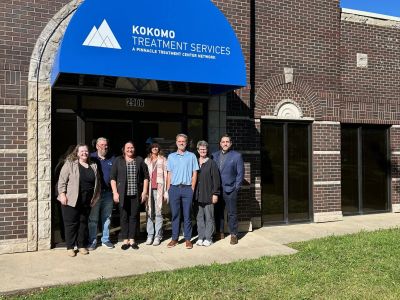

Pinnacle Treatment Centers - Kokomo
Kokomo, Indiana
2906 S. Reed Rd. Kokomo, IN 46902



Avenues Recovery Center at Indianapolis
Indianapolis, Indiana
7960 Shadeland Ave, Indianapolis, IN 46250



Kentuckiana Integrative Medicine
Jeffersonville, Indiana
405 E Court Ave #102, Jeffersonville, IN 47130
Get Personalized Rehab Matches in 60 Seconds
Tell us a few details and we’ll show a personalized shortlist of verified Indiana rehabs, making it simple to compare options and choose your next step with confidence.



First City Recovery Center
Kokomo, Indiana
317 W Jefferson St, Kokomo, IN, 46901
Southwestern Behavioral Healthcare - Faren E. Levell Center
Evansville, Indiana
410 Mulberry St. Evansville, IN 47713
Why Trust Indiana Rehabs
As Hoosiers helping Hoosiers, we understand the unique challenges our communities face. Our team meticulously verifies every Indiana treatment center, ensuring you find trusted, local care that truly understands your journey.
About our listingsLevels of Care
Explore popular treatment options by levels of care, from flexible treatment in Outpatient centers to intensive care in Residential rehabs.
Free · 24/7 · Confidential
Talk to a Treatment Specialist
Call now to get matched with Indiana facilities that accept your insurance.
(888) 568-9930
Free
Ins. check
4.9★
Rating
HIPAA
Protected
Can't travel to a facility?
Licensed Indiana therapists via secure video — same-week appointments, evenings & weekends available.
Ever felt like one part of you is ready to move forward, while another part digs in its heels or clings to old habits? That tug-of-war inside isn’t a personal failing, it’s just the way our minds work, with different pieces each trying to protect or help us in their own way. What if there was a gentle, respectful approach to understanding these inner voices, one that brings them into harmony instead of silencing them? internal family systems Therapy offers just that, opening the door to healing and a sense of inner calm you might not have thought possible.

What is Internal Family Systems?
internal family systems (IFS) is a form of psychotherapy that sees the mind as a collection of different "parts" or subpersonalities, each with its own feelings, beliefs, and motivations. Instead of viewing these parts as signs of being broken, this model recognizes them as valuable pieces of who you are. The idea is that every part has a positive intention, even if its actions cause problems.
Developed in the 1980s by therapist Richard C. Schwartz, the IFS model came from his work with clients where he noticed they naturally spoke about different parts within themselves. He realized that these weren't just metaphors but distinct inner voices. At the core of this internal system is the Self, which he described as our calm, curious, and compassionate center. This approach believes that everyone has this core Self, and it can never be damaged. The goal of internal family systems therapy is to help you connect with this Self and, from that place of strength, begin to understand and heal your parts, bringing your entire inner system into balance[1]. It's a deeply respectful and non-pathologizing way to approach mental health and healing, different from many other forms of family therapy.
How It Works
The journey of IFS therapy revolves around getting to know your internal family and restoring your core Self to its natural role as the leader. Think of your Self as a wise and compassionate guide who has been waiting patiently for the chance to help. This Self is characterized by what are often called the "8 Cs": calmness, curiosity, clarity, compassion, confidence, courage, creativity, and connectedness. When you're "in Self," you can approach your other parts without judgment.
The healing process in this therapy involves accessing this Self-leadership. From this calm state, you can listen to your parts, understand why they do what they do, and learn what they need. A key part of this is "unburdening," which is a process of helping parts release the extreme beliefs and painful emotions they've been carrying, often from past trauma. For example, a part that carries shame from a childhood event can be witnessed with compassion by the Self, allowing it to let go of that burden. This doesn't erase the memory, but it frees the part from the weight of the past, allowing it to take on a new, healthier role.
The internal system
In IFS, your inner world is made up of three main types of parts, each with a specific job to do[1]. Understanding their roles is the first step toward harmony.
- Managers: These are the proactive protectors. They work hard to manage your daily life and keep you safe by controlling situations and emotions. A manager part might be the one that pushes you to be a perfectionist at work to avoid criticism or the one that constantly plans to prevent anything from going wrong.
- Firefighters: These parts are reactive and jump into action when painful emotions from an Exile bubble to the surface. Their goal is to distract from or numb the pain, often through impulsive behaviors like substance use, overeating, or binge-watching TV. They're trying to put out the emotional fire, but their methods can have unintended consequences.
- Exiles: These are the youngest, most vulnerable parts of us. They hold the burdens of past trauma, shame, and pain. Managers and Firefighters work so hard to keep these Exiles locked away so that their overwhelming feelings don't flood your system. Healing involves carefully and compassionately connecting with these parts to help them feel safe and seen.
When It's Used
Because internal family systems therapy is designed to address deep-seated emotional wounds with gentleness and respect, it has been effective for a wide range of mental health challenges. It offers a way to heal from the inside out, making it a powerful tool for lasting change.
- Trauma and PTSD: IFS is particularly well-suited for trauma because it allows a person to approach painful memories and exiled parts without becoming overwhelmed, making it a key component in many trauma-focused treatment programs[2].
- Anxiety and Depression: This therapy helps identify the parts driving anxiety (often Managers) and the parts holding sadness (often Exiles), leading to significant relief from symptoms of depression[3].
- Addiction and Substance Use: IFS views addiction not as a primary problem, but as the work of a Firefighter part trying to numb emotional pain. By healing the underlying wounds, the need for the firefighter's extreme coping mechanism diminishes.
- Eating Disorders: The model helps individuals understand the protective roles that parts involved with controlling food and body image are playing.
- Relationship Issues: It can be used in couples therapy to help partners understand how their parts are interacting with each other, leading to more compassion and connection.
Effectiveness and research evidence
When you're exploring a new therapy, it's natural to ask about the evidence behind it. internal family systems is increasingly recognized for its effectiveness, and the body of research supporting it continues to grow. The U.S. National Registry for Evidence-based Programs and Practices (NREPP) has listed IFS as an evidence-based practice for improving general functioning and well-being[4].
Several studies have demonstrated positive outcomes. For example, research has shown that IFS can lead to a significant reduction in the symptoms of moderate to severe depression. Other studies have highlighted its effectiveness in treating trauma, with one pilot study showing clinically meaningful reductions in PTSD symptoms among participants[2]. While more large-scale controlled trials are needed to further solidify its standing, the existing evidence points to IFS as a promising and effective treatment for many people.
What to Look for in an IFS Therapist
Finding the right therapist is key to a successful healing journey, and this is especially true with a specialized model like IFS. It’s important to look for therapists who have completed specific training in this approach. The IFS Institute is the official organization that provides training and certification, ensuring that practitioners have a deep understanding of the model[5]. Therapists can be certified after completing multiple levels of training and consultation.

When you're considering a new therapist, don't hesitate to ask about their qualifications and experience. Here are a few questions you might ask:
- What level of IFS training have you completed?
- How do you incorporate the IFS model into your sessions?
- What is your experience using IFS for issues similar to mine?
You can verify a therapist's credentials through the official IFS Institute Therapist Directory. For those in Indiana, finding a local professional trained in this transformative therapy is the next step toward healing.
Is IFS Therapy Right for You?
internal family systems therapy offers a path toward healing that is built on self-compassion, not self-criticism. By helping you understand that all parts of you are welcome, it provides a non-judgmental framework to address the root causes of your pain instead of just managing symptoms. Finding the right therapeutic fit is a personal journey, but if you're looking for a gentle yet powerful way to heal from trauma and find inner harmony, IFS may be the right approach for you.
If you believe internal family systems therapy could be the right path for you or a loved one, help is available. Understanding your inner world is the first step toward lasting peace and recovery. When you’re ready to talk, our compassionate team is here to listen. Call us at (888) 568-9930 to discuss your treatment options. At Indiana Rehabs, we're dedicated to helping you find the support you need. If you have any questions, you can always reach out to us directly. Taking that first step can feel overwhelming, but you don't have to do it alone.
Frequently Asked Questions About Internal Family Systems (IFS) Therapy
What happens in a typical Internal Family Systems (IFS) session?
How is IFS different from other talk therapies like CBT?
How long does IFS therapy usually take?
Can I use IFS principles on my own?
What are the “8 Cs” of the Self in IFS?
Is IFS therapy suitable for someone who doesn't have severe trauma?
- IFS Institute. (n.d.). The internal family systems Model. IFS Institute. ifs-institute.com
- Frederick, C., Harrison, R. L., & Needle, R. (2025). A pilot study of an online group-based internal family systems program for people with PTSD and SUD. PLoS One. pmc.ncbi.nlm.nih.gov
- Haddock, S. A. et al. (2017). The Efficacy of internal family systems Therapy in the Treatment of Depression Among Female College Students. Journal of Marital and family therapy. pubmed.ncbi.nlm.nih.gov
- IFS Institute. (n.d.). IFS as an Evidence-Based Practice. IFS Institute. ifs-institute.com
- IFS Institute. (n.d.). IFS Practitioner Directory & Training Information. IFS Institute. ifs-institute.com