
Rehabs Offering Matrix Model

Showing 16 of 16 Results (filtered)
Featured Rehab Centers



1411 W County Line Rd, Suite 1411A, Greenwood, IN 46142

Hamilton Center Inc: Mathew Maleakal S MD
Terre Haute, Indiana
620 8th Ave, Terre Haute, IN 47804

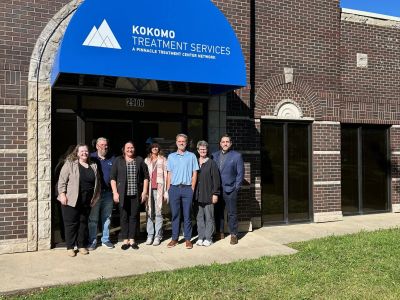

Pinnacle Treatment Centers - Kokomo
Kokomo, Indiana
2906 S. Reed Rd. Kokomo, IN 46902
Get Personalized Rehab Matches in 60 Seconds
Tell us a few details and we’ll show a personalized shortlist of verified Indiana rehabs, making it simple to compare options and choose your next step with confidence.



Cardinal Recovery
Franklin, Indiana
1130 West Jefferson St, Franklin, IN, 46131

Southwestern Behavioral Healthcare - Gibson Regional Services
Princeton, Indiana
310 South 5th Avenue, Princeton, IN 47670

First City Recovery Center
Kokomo, Indiana
317 W Jefferson St, Kokomo, IN, 46901

The Way of Rockport Indiana
Rockport, Indiana
317 Main Street, Rockport, IN, 47635


Marion VAMC - Evansville Health Care Center
Evansville, Indiana
6211 East Waterford Boulevard, Evansville, IN, 47715



Madison State Hospital
Madison, Indiana
711 Green Road, Madison, IN, 47250

Hamilton Center - Greencastle
Greencastle, Indiana
239 Hillsdale Avenue, Greencastle, IN 46135

Hamilton Center - Clinton
Clinton, Indiana
510 South Main street, Clinton, IN, 47842

Franciscan Saint Anthony Psychiatric Services
Michigan City, Indiana
301 3500 Franciscan Way, Michigan City, IN 46360
Southwestern Behavioral Healthcare - Neurodevelopmental Center of Southwestern Indiana
Evansville, Indiana
19 E. Chandler Ave. Evansville, IN 47713
Hamilton Center - Spencer
Spencer, Indiana
909 West Hillside Avenue, Spencer, IN, 47460
Hamilton Center - Sullivan
Sullivan, Indiana
2134 Mary Sherman Drive, Sullivan, IN 47882
Southwestern Behavioral Healthcare - Faren E. Levell Center
Evansville, Indiana
410 Mulberry St. Evansville, IN 47713
Why Trust Indiana Rehabs
As Hoosiers helping Hoosiers, we understand the unique challenges our communities face. Our team meticulously verifies every Indiana treatment center, ensuring you find trusted, local care that truly understands your journey.
About our listingsLevels of Care
Explore popular treatment options by levels of care, from flexible treatment in Outpatient centers to intensive care in Residential rehabs.
Free · 24/7 · Confidential
Talk to a Treatment Specialist
Call now to get matched with Indiana facilities that accept your insurance.
(888) 568-9930
Free
Ins. check
4.9★
Rating
HIPAA
Protected
Can't travel to a facility?
Licensed Indiana therapists via secure video — same-week appointments, evenings & weekends available.
When you’re sorting through the maze of addiction recovery options, it’s easy to feel lost searching for something solid, something that gives both structure and true support. What does a program that truly guides you look like? Choosing the right therapy can feel overwhelming, but the matrix model stands out as a clear, evidence-based path forward. It’s designed to empower you with practical skills and a dependable support system, making lasting recovery not just a hope, but a real possibility.
What Is the Matrix Model of Addiction Treatment?
The matrix model is a highly structured and intensive outpatient treatment program specifically designed to help people struggling with substance abuse, particularly stimulant use disorders.[1] Developed in the 1980s during the cocaine epidemic, this evidence-based approach provides a comprehensive framework for addiction treatment. It combines various therapeutic techniques to create a supportive and educational environment where you can build the foundation for lasting recovery.
The program typically runs for 16 weeks and is ideal for individuals who need a consistent, structured schedule but don’t require 24-hour inpatient care.[2] It integrates cognitive-behavioral therapy (CBT), motivational interviewing, and family education to address the complex nature of addiction to substances like cocaine and methamphetamine. The goal is to equip you with essential recovery skills, prevent relapse, and help you rebuild a life free from substance dependence.
How Does the Matrix Model Work?

The power of the matrix model lies in its integrated approach. Instead of relying on a single type of therapy, it weaves together several effective methods to create a comprehensive treatment program. At its core, the model focuses on the relationship between you and your therapist, creating a non-confrontational and supportive partnership. This alliance is the foundation upon which all other components of the treatment are built, helping you feel safe, understood, and motivated throughout your recovery journey.[3] The program is delivered through a carefully organized schedule of individual counseling, group sessions, and family education, all designed to work together to help you achieve and maintain abstinence.
Building a Therapeutic Alliance
The foundation of the matrix model is a strong, trusting, and collaborative relationship between the therapist and the client. Unlike some traditional, more confrontational approaches, the therapist acts as a coach and teacher. They work alongside you, providing encouragement, education, and support without judgment. This positive and respectful client relationship is crucial for treatment engagement, as it helps you feel more comfortable opening up, participating in sessions, and sticking with the program. This alliance empowers you to take an active role in your own recovery.
Individual Counseling
Individual counseling sessions are a key part of the matrix model, offering a private space to focus on your specific needs. During these sessions, you and your therapist will develop a personalized treatment plan, review your progress, and work through any personal challenges you’re facing. Alongside one-on-one meetings, the model heavily emphasizes group therapy. You’ll participate in various groups, including early recovery skills, social support groups, and relapse prevention groups. These sessions provide a sense of community, allowing you to learn from others’ experiences and practice new coping skills in a supportive environment.
Family Education and Involvement
Addiction doesn’t just affect one person; it impacts the entire family. The matrix model recognizes this by making family involvement a central component. Through family education groups, your loved ones can learn about the science of addiction and the recovery process. These sessions provide them with the knowledge and tools to offer effective support, helping to heal damaged relationships and create a stable, supportive home environment that fosters long-term success.
Drug Testing and Monitoring
To help you stay on track, the matrix model includes regular and random urine testing. It’s important to see this not as a punishment, but as a tool for accountability and encouragement. Drug testing helps you and your therapist monitor your progress toward maintaining abstinence and provides immediate feedback on the effectiveness of your treatment plan. Seeing consistently negative results can be a powerful motivator, reinforcing your commitment to recovery and celebrating your achievements along the way.
Goals and Benefits of the Matrix Model
Understanding the goals and benefits of the matrix model can help you decide if it’s the right fit. This approach is designed to stop substance use, educate you about addiction and relapse, and provide a strong support system. It has a proven track record of success, but like any treatment, it has its challenges.
What are the benefits of the matrix model? Its main advantages include:
- Evidence-Based Structure: The program is built on proven therapeutic techniques, giving you a reliable and effective path to recovery.
- Improved Treatment Retention: The supportive, non-confrontational style helps people stay in treatment longer, which is a key predictor of long-term success.[4]
- Reduced Substance Use: Studies show that participants achieve higher rates of abstinence from drugs like methamphetamines and cocaine.[5]
- Better Psychological Health: The model helps improve overall psychosocial functioning, helping you rebuild relationships and manage daily life more effectively.
However, it’s also important to consider the potential downsides. The 16-week intensive phase requires a significant time commitment, which can be difficult to balance with work or family obligations. The long-term nature of the program can also affect its cost. Additionally, for individuals with severe co-occurring disorders, the matrix model may need to be supplemented with more intensive mental health care to be fully effective.
Finding Matrix Model Therapy in Indiana

Finding the right treatment center in Indiana shouldn’t add to your stress. Here at Indiana Rehabs, we make it simple to locate facilities that offer matrix model therapy. You can use our online directory to filter your search by therapy type and location, ensuring you find licensed and accredited rehabs near you. In Indiana, all treatment facilities must be certified by the Division of Mental Health and Addiction (DMHA) and adhere to strict standards of care, so using a trusted resource is key.[6][7] For additional guidance, you can also connect with the Indiana Division of Mental Health and Addiction (DMHA). If you need personalized assistance, don’t hesitate to call our helpline. Our compassionate team is here to help you navigate your options and find the right fit for your needs.
Is Matrix Model Therapy the Right Choice for You?
Choosing a path to recovery is a deeply personal decision. The matrix model therapy program offers a clear, evidence-based outpatient framework that has helped many people find freedom from stimulant addiction.[8] By focusing on a strong therapeutic alliance and teaching practical, real-world recovery skills, it provides the structure and support needed for long-term success. However, the best treatment option always depends on your unique needs, the severity of the substance use, and your life circumstances.
Taking that first step is the most important part of the journey. If you feel that the structured, supportive approach of the matrix model is right for you, we are here to help you move forward. You can explore treatment options on our site or call us for a confidential conversation about your needs. Remember, you don't have to figure this out alone. Reach out to the team at Indiana Rehabs by calling (888) 568-9930 or contacting us today. A brighter future is within reach, and we're here to help you find it.
Frequently Asked Questions About Matrix Model Therapy
How long does the Matrix Model program last?
What happens in a Matrix Model therapy session?
Is the Matrix Model only for stimulant addiction?
Can my family be involved in my treatment?
Why is it called the Matrix Model?
What is the difference between the Matrix Model and CBT?
- Substance Abuse and Mental Health Services Administration. (2016). Matrix intensive outpatient treatment for people with stimulant use disorders. SAMHSA. library.samhsa.gov
- CASAT OnDemand. (03-05-2020). The matrix model and contingency management. University of Nevada, Reno. casatondemand.org
- California Evidence-Based Clearinghouse for Child Welfare. (05-31-2021). matrix model intensive outpatient program. CEBC. cebc4cw.org
- Center for Evidence-Based Practices. (05-03-2024). The matrix model for the treatment of stimulant use disorders. Case Western Reserve University. case.edu
- Center for Evidence-Based Practices. (11-22-2024). Summary of matrix model studies for the treatment of stimulant use disorders. Case Western Reserve University. case.edu
- U.S. Department of Health & Human Services. (August, 2021). State residential treatment for behavioral health: Indiana. ASPE. aspe.hhs.gov
- Indiana Family and Social Services Administration. (07-14-2020). For addiction providers. FSSA: DMHA. in.gov
- Penn State. (03-06-2019). The matrix model. Continuum of Evidence. continuum.militaryfamilies.psu.edu