
Rehabs Offering Narrative Therapy

Showing 6 of 6 Results (filtered)
Featured Rehab Centers

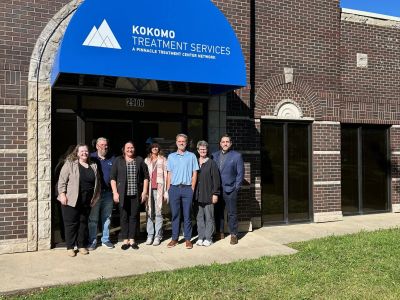

Pinnacle Treatment Centers - Kokomo
Kokomo, Indiana
2906 S. Reed Rd. Kokomo, IN 46902



Avenues Recovery Center at Indianapolis
Indianapolis, Indiana
7960 Shadeland Ave, Indianapolis, IN 46250



Kentuckiana Integrative Medicine
Jeffersonville, Indiana
405 E Court Ave #102, Jeffersonville, IN 47130
Get Personalized Rehab Matches in 60 Seconds
Tell us a few details and we’ll show a personalized shortlist of verified Indiana rehabs, making it simple to compare options and choose your next step with confidence.



First City Recovery Center
Kokomo, Indiana
317 W Jefferson St, Kokomo, IN, 46901
Pinnacle Treatment Centers - 581 E. Main Street
Hagerstown, Indiana
581 E. Main Street Hagerstown, IN 47346
Southwestern Behavioral Healthcare - Faren E. Levell Center
Evansville, Indiana
410 Mulberry St. Evansville, IN 47713
Why Trust Indiana Rehabs
As Hoosiers helping Hoosiers, we understand the unique challenges our communities face. Our team meticulously verifies every Indiana treatment center, ensuring you find trusted, local care that truly understands your journey.
About our listingsLevels of Care
Explore popular treatment options by levels of care, from flexible treatment in Outpatient centers to intensive care in Residential rehabs.
Free · 24/7 · Confidential
Talk to a Treatment Specialist
Call now to get matched with Indiana facilities that accept your insurance.
(888) 568-9930
Free
Ins. check
4.9★
Rating
HIPAA
Protected
Can't travel to a facility?
Licensed Indiana therapists via secure video — same-week appointments, evenings & weekends available.
Have you ever felt defined by a problem or a difficult experience, as if a single chapter keeps taking over your whole story? It’s something so many of us go through, the weight of old narratives shaping how we see ourselves, even when we long for something different. But what if you could step back, look at your life from a fresh angle, and start to tell a new story? narrative therapy gives you the tools to do just that, helping you untangle from old labels and become the author of a future you truly want.

What is Narrative Therapy? A Definition
At its heart, narrative therapy is a respectful and non-blaming approach to counseling that sees people as separate from their problems. Developed in the 1980s by therapists Michael White and David Epston, this unique form of therapy is built on one powerful idea: you are not your struggles. Instead of focusing on what’s “wrong” with a person, it centers on the stories we tell about our lives and how those stories shape our identity and actions.
Think of it this way: the story you tell about yourself creates your reality. If that story is filled with struggle, it can feel like you’re trapped. narrative therapy helps you uncover your own skills, values, and knowledge to create a new, more empowering story. It views you as the expert in your own life. The therapist isn’t there to give you answers but to collaborate with you, asking questions that help you see your own strengths and rewrite the narrative in a way that feels true to who you are and who you want to become[1].
Externalization
One of the core techniques in narrative therapy is called externalization. This simply means talking about a problem as if it’s a separate entity, outside of yourself. For example, instead of saying “I am a depressed person,” you might explore the effects of “the depression” on your life. This small shift in language has a huge impact. It helps create distance from the problem, which can reduce feelings of guilt, shame, and blame.
By giving the problem a name, like “The Grey Cloud,” you can start to see it more clearly. You can ask questions like, “When does The Grey Cloud show up?” or “What does it try to convince me to do?” This process helps you realize that you and the problem are not the same thing. Your identity is separate, and you have skills and strengths to stand up to the problem’s influence.
Deconstruction
We all have stories we tell ourselves about who we are, often without realizing where they came from. Deconstruction is the process of gently taking apart these “problem-saturated” stories. A narrative therapist helps you explore the beliefs and ideas that hold the dominant story in place. You might look at how expectations from family, society, or culture have shaped your narrative.
By questioning these assumptions, you begin to see that your story is just one version of events, not an unchangeable truth. This opens up space to consider other possibilities and meanings. Deconstruction isn’t about judging the old story; it’s about understanding it so you can make a conscious choice to write a new one that fits your values better.
Unique Outcomes
Even in the most problem-filled stories, there are always moments that don’t fit the narrative. These are called “unique outcomes” or sometimes “sparkling moments.” They are the exceptions to the rule, times when the problem didn’t have control, when you acted from your own values, or when you resisted the problem’s influence, even in a small way.
A therapist will help you spot these exceptions, which you might have overlooked or dismissed. Focusing on these unique outcomes is key. They act as the building blocks for a new, preferred story. By exploring these moments of strength and resilience, you can start to weave together alternative stories that highlight your skills and create a future that feels hopeful and authentic.
How It Works
The process of narrative therapy feels less like a clinical procedure and more like a series of thoughtful conversations. It unfolds collaboratively, with you and your therapist working together to explore and reshape your life’s story. While every journey is unique, the steps generally follow a natural progression.
First, you’re invited to share your story in your own words. The therapist listens with deep curiosity and respect, creating a safe space for you to talk about the problem and its effects on your life. Together, you’ll map the problem’s influence, looking at how it has impacted your relationships, your work, and your sense of self. This is part of the therapeutic process of externalization we talked about earlier.
Next, the focus shifts to finding those unique outcomes, the exceptions that challenge the problem’s dominance. These moments become the foundation for the “re-authoring” phase. Here, you’ll begin to tell a new story, thickening it with details about your strengths, values, and hopes. This new narrative is then reinforced, sometimes through therapeutic letters written by the therapist or by inviting trusted people from your life to witness and support your new story. This process of involving others is something often seen in family-focused therapies as well.
Ultimately, the goal is not to erase the past but to change your relationship with it. The aim is for you to leave therapy feeling empowered, living a life that reflects your preferred identity and values, with you firmly in the author’s chair.
Benefits of Narrative Therapy
Choosing a therapeutic approach is a personal decision, and understanding the potential benefits can help you decide if it’s the right fit for you. narrative therapy offers a unique way of healing that many people find deeply empowering and transformative.

Because it separates a person from their problems, this therapy can bring a profound sense of relief and hope. Here are some of the key effects people often experience:
- Fostering a sense of agency and empowerment. You are the expert in your own life. This approach helps you recognize your power to change your story and make conscious choices about your future.
- Reducing self-blame and shame. By externalizing the problem, you can stop blaming yourself for struggles and instead focus your energy on how to respond to them.
- Helping individuals discover their own strengths and skills. narrative therapy shines a light on the abilities and knowledge you already possess, building confidence and resilience.
- Offering a new perspective on life's challenges. It helps you see problems not as permanent parts of your identity but as temporary challenges you can navigate.
- Improving relationships by changing problem-focused interactions. When you change your story, you change how you interact with others, leading to healthier and more meaningful connections.
When It's Used
narrative therapy is a highly flexible approach that can be adapted for individuals, couples, and families facing a wide range of challenges. Its non-pathologizing stance makes it a gentle yet powerful option for many mental health concerns. It’s commonly used to help people with anxiety, depression, grief, relationship conflicts, and eating disorders.
It can also be incredibly helpful for navigating the effects of trauma. For someone who has experienced trauma, the externalizing conversations in narrative therapy can create a safe distance to explore difficult experiences without feeling defined by them. This process helps survivors of trauma, including those with post-traumatic stress disorder (PTSD), reclaim their identity from the traumatic event and build a story centered on resilience and healing. It is also an effective approach for addressing substance abuse, often as part of a comprehensive treatment plan.
Effectiveness
When it comes to therapy, knowing if it works is crucial. The effectiveness of narrative therapy is supported by a growing body of research and countless personal success stories. While it might not have as many large-scale quantitative studies as other methods like CBT, qualitative research, and case studies consistently highlight its positive outcomes.
Studies have shown it can be particularly effective in reducing symptoms of depression and anxiety, especially for individuals also dealing with substance use challenges[2]. Many people who haven’t found success with more structured therapies find that the collaborative and empowering nature of narrative therapy resonates deeply. It offers a path to healing that honors the person’s lived experience and trusts in their ability to create change. You can find more information about different therapeutic approaches and their evidence base in our online resources.
How to Get Started
If the ideas behind narrative therapy resonate with you, taking the first step to find a qualified therapist is easier than you might think. For those in Indiana, there are dedicated mental health professionals trained in this compassionate and collaborative approach. When looking for a therapist, you can ask about their specific training, as many will have completed programs at recognized narrative therapy centers.
The most important factor is finding someone you feel comfortable with. Don’t hesitate to ask a potential therapist about their process and how they help clients re-author their stories. You want to find a professional whose approach aligns with the non-judgmental, client-led principles discussed here. Indiana is committed to providing residents with access to quality care and recovery services[3]. You can browse our directory to find Indiana treatment providers who specialize in narrative therapy, and you can also use national tools like the SAMHSA Treatment Locator to find licensed professionals near you[4].
Taking the Next Step in Your Story
Your life is your story, and you are its author. It’s a powerful truth that narrative therapy helps people reconnect with. No matter how stuck you might feel, your story is not set in stone, and the next chapter is waiting to be written. This hopeful and respectful approach honors your experiences while empowering you to build a future that aligns with your true values.
If you’re ready to explore a new narrative for your life, help is here. You don’t have to do it alone. Reach out to our compassionate team by calling (888) 568-9930 to learn more about your options. At Indiana Rehabs, we’re dedicated to helping you find the support you need to start healing. Taking that first step is a courageous move toward the future you deserve.
Frequently Asked Questions About Narrative Therapy
What makes narrative therapy different from other kinds of therapy?
Who is a good candidate for narrative therapy?
Is narrative therapy considered a long-term or short-term treatment?
Can narrative therapy help with addiction recovery?
Do I have to talk about traumatic events in detail?
What is the role of the therapist in this process?
- Lander, M. M. et al. (06-17-2024). Narrative identity in addictive disorders: a conceptual review. Frontiers in Psychiatry. pmc.ncbi.nlm.nih.gov
- Kalantari, M. et al. (March, 2020). Effectiveness of group narrative therapy on depression and anxiety in patients with amphetamine addiction. Iranian Journal of Psychiatry and Behavioral Sciences. pmc.ncbi.nlm.nih.gov
- State of Indiana. (December, 2023). State of Indiana progress report: Responding to the drug crisis. State of Indiana. in.gov
- Substance Abuse and Mental Health Services Administration. (2019). National Survey of Substance Abuse Treatment Services (N-SSATS): 2019, State Profile, Indiana. SAMHSA. samhsa.gov