
Nicotine Replacement Therapy (NRT) Therapy in Indiana



Showing 9 of 9 Results (filtered)
Featured Rehab Centers



Pinnacle Treatment Centers - Kokomo
Kokomo, Indiana
2906 S. Reed Rd. Kokomo, IN 46902



Indiana Center for Recovery - Alcohol & Drug Rehab Center Bedford
Bedford, Indiana
1600 23rd St, Bedford, IN 47421


CleanSlate Outpatient Addiction Medicine
Kokomo, Indiana
3728 S Reed Rd, Kokomo, IN 46902
Get Personalized Rehab Matches in 60 Seconds
Tell us a few details and we’ll show a personalized shortlist of verified Indiana rehabs, making it simple to compare options and choose your next step with confidence.



SperoHealth - Muncie
Muncie, Indiana
3700 North Briarwood Lane, Muncie, IN, 47304



First City Recovery Center
Kokomo, Indiana
317 W Jefferson St, Kokomo, IN, 46901



Madison State Hospital
Madison, Indiana
711 Green Road, Madison, IN, 47250



Norton King's Daughters' Health - Madison Rehabilitation Center
Madison, Indiana
2670 Michigan Rd, Madison, IN 47250

Cummins Mental Health Center
Avon, Indiana
6655 East USHighway 36 Avon IN, 46123
Southwestern Behavioral Healthcare - Faren E. Levell Center
Evansville, Indiana
410 Mulberry St. Evansville, IN 47713
Why Trust Indiana Rehabs
As Hoosiers helping Hoosiers, we understand the unique challenges our communities face. Our team meticulously verifies every Indiana treatment center, ensuring you find trusted, local care that truly understands your journey.
About our listingsLevels of Care
Explore popular treatment options by levels of care, from flexible treatment in Outpatient centers to intensive care in Residential rehabs.
Free · 24/7 · Confidential
Talk to a Treatment Specialist
Call now to get matched with Indiana facilities that accept your insurance.
(888) 568-9930
Free
Ins. check
4.9★
Rating
HIPAA
Protected
Can't travel to a facility?
Licensed Indiana therapists via secure video — same-week appointments, evenings & weekends available.
You want to quit smoking, really quit, but each attempt seems to bring a wave of cravings, irritability, and restlessness that’s tough to face alone. The thought of dealing with withdrawal can make that first step feel almost impossible. If this struggle sounds familiar, you’re not alone, and it’s not a matter of willpower. nicotine replacement therapy offers a practical, proven way to make quitting less daunting and give you a real shot at lasting change, especially when you have the right support by your side.
What is nicotine replacement therapy (NRT)?
nicotine replacement therapy, often called NRT, is a medically approved way to help you quit smoking for good. It works by giving you a controlled amount of nicotine to ease the withdrawal symptoms you feel when you stop using tobacco. This is so important because NRT helps separate the physical craving for nicotine from the act of smoking. When you use NRT, you get the nicotine your body is used to, but you avoid the thousands of other harmful chemicals, like tar and carbon monoxide, found in cigarettes.
One of the biggest questions people have is, "Is NRT safe?" The answer is a clear yes. All NRT products are regulated by the U.S. Food and Drug Administration (FDA) and are considered a safe and effective part of a nicotine addiction treatment plan[1]. More than that, they are effective. Studies show that using NRT can increase your chances of successfully quitting by 50% to 70%[2]. It’s a tool designed to make the smoking cessation journey smoother, allowing you to focus on changing your habits while your body adjusts.
How does nicotine replacement therapy work?
When you smoke a cigarette, nicotine rushes to your brain in seconds, creating a powerful, rewarding feeling that your body quickly learns to crave. When you try to quit, your brain sends out an alarm in the form of intense withdrawal symptoms like anxiety, irritability, and powerful urges to smoke. This is where nicotine replacement therapy steps in to help.
NRT works by delivering a steady, controlled dose of nicotine into your system, but without the rapid, addictive spike you get from tobacco. This helps satisfy your brain’s need for nicotine, which significantly reduces those difficult withdrawal symptoms and cravings[3]. By managing the physical side of nicotine addiction, NRT frees you up to focus on the other half of the battle: breaking the psychological habit of smoking. You can work on changing your routines, finding new ways to cope with stress, and unlearning the behaviors tied to lighting up.
A common concern is whether you can get addicted to NRT itself. The risk is much lower than with cigarettes because NRT products deliver nicotine more slowly and at lower doses. This controlled delivery method helps you gradually wean yourself off nicotine altogether. Most people successfully use nicotine replacement therapy for a few weeks or months and then taper off as their cravings fade and their new, smoke-free habits become second nature[4].
Types of NRT
Quitting smoking isn't a one-size-fits-all process, and neither is nicotine replacement therapy. There are several types of NRT available, each designed to fit different needs, lifestyles, and smoking patterns. Finding the right one for you can make a huge difference in your quit journey. Some products deliver a slow, steady stream of nicotine, while others work quickly to help you manage sudden, intense cravings.
Many people find the most success with "combination therapy." This means using a long-acting NRT product, like the nicotine patch, for all-day craving control, and a short-acting product, like nicotine gum or a lozenge, for immediate relief when a strong urge to smoke hits[5]. Let’s look at the different options you have[6].
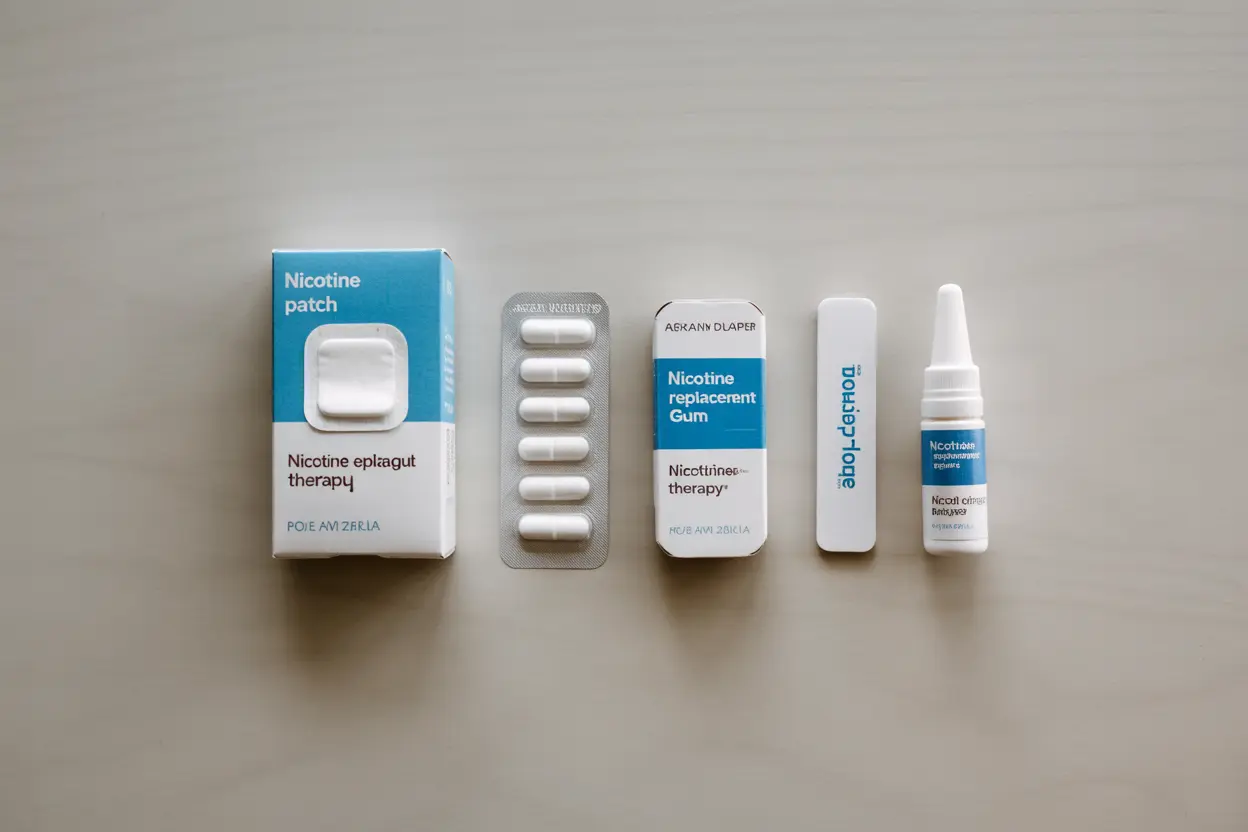
Nicotine patches (transdermal nicotine systems)
Nicotine patches are a popular long-acting form of NRT. You apply a patch to your skin once a day, and it delivers a slow, steady amount of nicotine over 16 or 24 hours. Think of it as a background support system that quietly works to keep withdrawal symptoms at bay. The transdermal patch is easy to use and discreet. Patches come in different strengths, allowing you to start with a higher dose and gradually step down over several weeks as your body adjusts to less nicotine.
Nicotine gum (nicotine polacrilex)
Nicotine gum is a short-acting option that gives you control over when you get a dose of nicotine. It’s perfect for managing sudden cravings. To use it correctly, you’ll want to follow the "chew and park" method: chew the gum until you feel a tingling sensation or peppery taste, then "park" it between your cheek and gum. This allows the nicotine to be absorbed through the lining of your mouth. You repeat this process for about 30 minutes until the tingle is gone. It's a great tool for those moments when an unexpected urge to smoke strikes.
Nicotine lozenges
Similar to nicotine gum, nicotine lozenges are another fast-acting choice for tackling cravings as they happen. They look like hard candy and are simple to use. You place a lozenge in your mouth and let it dissolve slowly over 20 to 30 minutes, moving it from side to side occasionally. It’s important not to chew or swallow it. Lozenges are a discreet alternative for people who can't chew gum or simply prefer a different option for quick relief.
How to use nicotine inhalers
The nicotine inhaler is a prescription product that can be especially helpful for people who miss the hand-to-mouth ritual of smoking. It consists of a plastic mouthpiece and cartridges filled with nicotine. When you puff on the mouthpiece, the inhaler releases a nicotine vapor that is absorbed in your mouth and throat, not deeply in your lungs like cigarette smoke. This action mimics the physical act of smoking, which can satisfy both the physical craving and the behavioral habit at the same time.
What are the side effects of NRT?
While NRT is much safer than smoking, it’s still a medication, and some people may experience mild side effects as their body adjusts. The good news is that these are usually temporary and often depend on the type of NRT you’re using. Most side effects can be managed by changing your dose, switching to a different product, or simply giving your body a little time. It's always best to talk with your healthcare provider about any adverse effects you're feeling.
Here are some of the common side effects linked to different NRT products[7]:
- Nicotine Patch: You might notice skin irritation, redness, or itching where you apply the patch. Some people also report sleep disturbances or vivid dreams, which can often be solved by using a 16-hour patch instead of a 24-hour one.
- Nicotine Gum & Lozenge: Common side effects include mouth soreness, hiccups, heartburn, or nausea, especially if you chew the gum too quickly or swallow the lozenge.
- Nicotine Inhaler & Nasal Spray: These can cause irritation in the mouth, throat, or nose, as well as coughing or a runny nose. These effects usually lessen with continued use.
It's also important to be aware of nicotine poisoning. While rare, it can happen if someone uses too much NRT or if a child or pet gets ahold of the products. Signs can include nausea, headache, and a rapid heartbeat. Always store NRT products safely out of reach.
Combining NRT with Other Strategies
nicotine replacement therapy is a powerful tool, but it works best when it’s part of a bigger plan. Think of it this way: NRT helps manage the physical part of addiction, but quitting for good also means addressing the behaviors and triggers tied to smoking. Combining NRT with behavioral support is the most effective way to ensure lasting success[8].
Support can come in many forms, like one-on-one counseling, support groups, or a telephone quit-line. For residents of Indiana, there's a fantastic free resource called the Indiana Tobacco Quitline. You can call them at 1-800-QUIT-NOW to speak with a trained coach who can help you create a personalized quit plan. Their programs have a proven track record of helping people succeed[3]. You can also get local help from organizations like Rethink Tobacco Indiana.

So, how do you get started with NRT? Many products, like the patch, gum, and lozenges, are available over-the-counter at your local pharmacy. Others, like the nicotine inhaler and nasal spray, require a prescription from your doctor. A healthcare provider or pharmacist can help you decide which product and dosage are right for you. If you need help finding a local program, a comprehensive tobacco cessation program can offer the structured support you need to quit for good.
Take the Next Step on Your Quit Journey
Deciding to quit smoking is one of the best things you can do for your health, and you don’t have to do it alone. nicotine replacement therapy is a safe, effective tool that can double your chances of success by taking the edge off withdrawal and cravings. It handles the physical side of nicotine addiction so you can focus your energy on building new, healthier habits.
Remember, quitting is a journey, not a single event. There will be challenges, but every day without cigarettes is a win. NRT is just one piece of the puzzle, and combining it with counseling and support gives you the strongest possible foundation for a smoke-free life. You have the strength to make this change. The next step is simply reaching out for the support you deserve to start your quit journey and move toward a healthier future.
Taking control of your health is a brave first step, and the right support can make all the difference. NRT, combined with a solid plan, can help you manage cravings and focus on what matters most, a healthier, smoke-free life. If you’re ready to explore your options and find a smoking cessation program that feels right for you, we’re here to help. You can call us at (888) 568-9930 to speak with someone who understands, or explore the resources available at Indiana Rehabs. Please don't hesitate to contact us to begin your journey today.
Frequently Asked Questions About Nicotine Replacement Therapy
Do I need a prescription for NRT?
How do I choose the right NRT product?
How long should I use NRT?
What if I smoke a cigarette while using the nicotine patch?
Can I use NRT while pregnant?
How much does NRT cost?
- U.S. Food and Drug Administration. (04-28-2023). FDA issues final nicotine replacement therapy Drug Products guidance. U.S. Food and Drug Administration. fda.gov
- Centers for Disease Control and Prevention. (2025). Implementing Tobacco and Nicotine Dependence Treatment. Centers for Disease Control and Prevention. cdc.gov
- (2024). Annual Report State Fiscal Year 2024. Indiana Department of Health, Tobacco Prevention and Cessation Commission. in.gov
- Truth Initiative. (04-22-2024). Quitting Tobacco: Facts and Stats. Truth Initiative. truthinitiative.org
- Jain, R. et al. (01-29-2025). Cost-effectiveness analysis for implementation of smoking cessation intervention. PLOS ONE. journals.plos.org
- U.S. Food and Drug Administration. (05-02-2023). Developing nicotine replacement therapy Drug Products. U.S. Food and Drug Administration. fda.gov
- Indiana Department of Health. (12-29-2023). Statewide Standing Order for Tobacco Cessation Products by Pharmacists Protocol. Indiana Department of Health. in.gov
- Winickoff, J. P. et al. (04-01-2021). Cost-effectiveness of a Smoking Cessation Intervention for Parents in Pediatric Settings. JAMA Network Open. pmc.ncbi.nlm.nih.gov