Rehabs Offering Nutrition Therapy

Showing 20 of 20 Results (filtered)
Featured Rehab Centers


AD Rehab - Addiction Treatment Center
Merrillville, Indiana
5382 Washington St, Merrillville, IN 46410
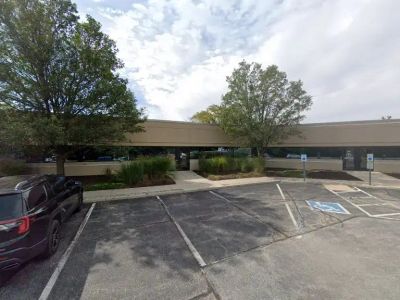
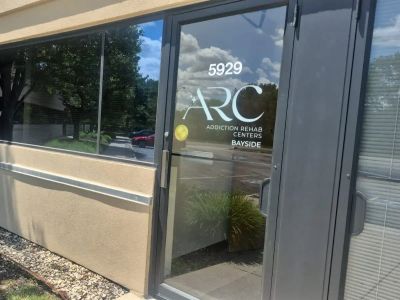

Addiction Rehab Centers - ARC At Bayside | Indianapolis Drug & Alcohol Rehab
Indianapolis, Indiana
5929 Lakeside Blvd, Indianapolis, IN 46278


ADTR Center - Addiction Treatment
Gary, Indiana
1601-35 W 25th Ave, Gary, IN 46404
Get Personalized Rehab Matches in 60 Seconds
Tell us a few details and we’ll show a personalized shortlist of verified Indiana rehabs, making it simple to compare options and choose your next step with confidence.

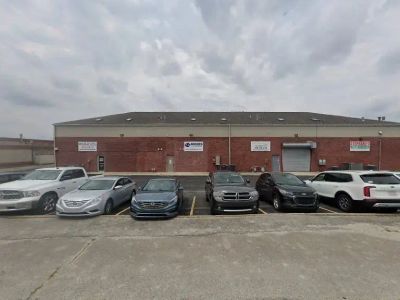
ADTR Center - Alcohol & Drug Addiction Treatment
Crown Point, Indiana
10707 Randolph St, Crown Point, IN 46307
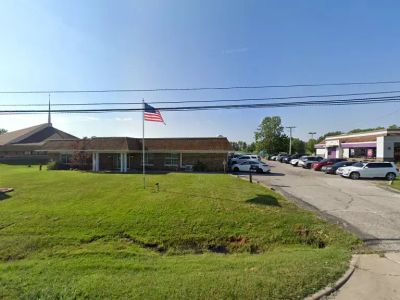
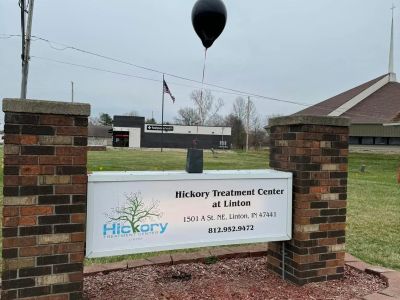
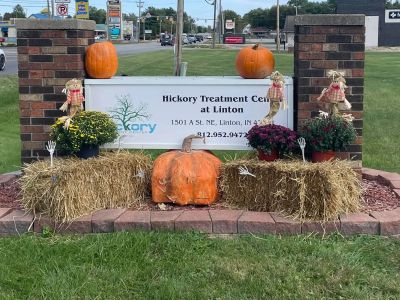
1501 A St NE, Linton, IN 47441

AD Detox - Alcohol & Drug Addiction Treatment
Michigan City, Indiana
3235 Franklin St, Michigan City, IN 46360

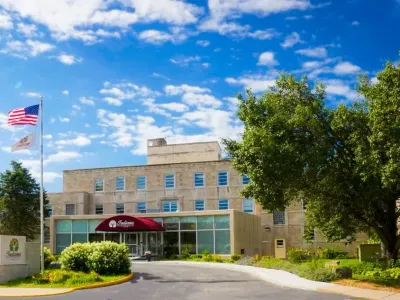

Indiana Center for Recovery - Alcohol & Drug Rehab Center Bedford
Bedford, Indiana
1600 23rd St, Bedford, IN 47421

Kendallville Manor Nursing and Rehab
Kendallville, Indiana
1802 Dowling St, Kendallville, IN 46755
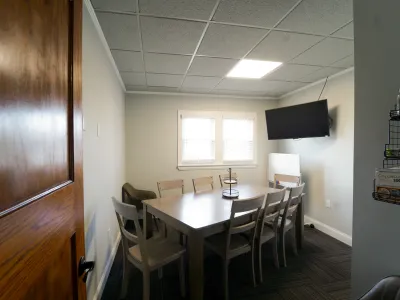
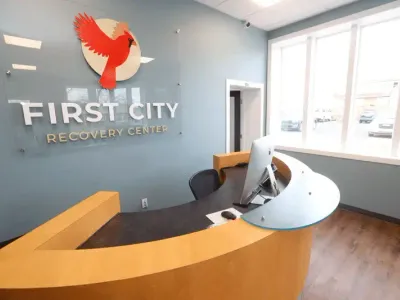

First City Recovery Center
Kokomo, Indiana
317 W Jefferson St, Kokomo, IN, 46901
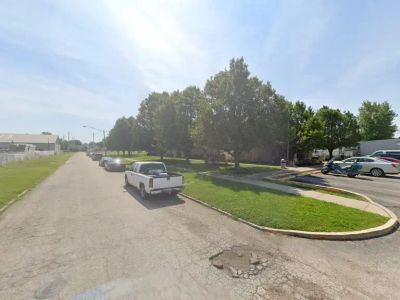
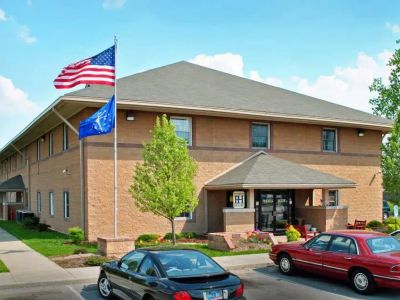

Aspire Indiana Health - Progress House
Indianapolis, Indiana
201 Shelby St., Indianapolis, IN, 46202

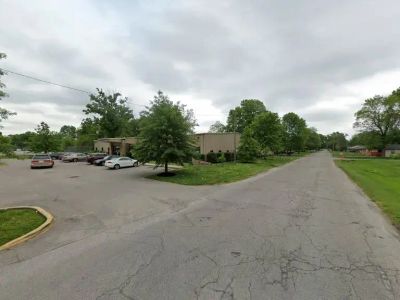
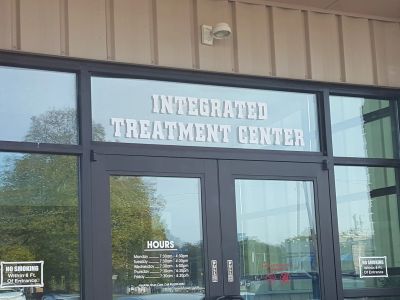
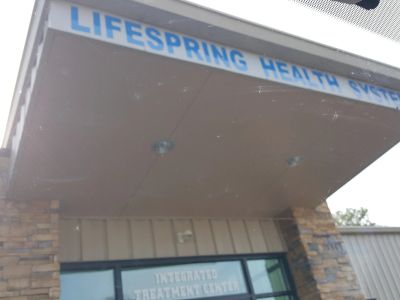
Lifespring Health System
Jeffersonville, Indiana
1036 Sharon Dr, Jeffersonville, IN 47130

Truth Treatment Center
Indianapolis, Indiana
7112 Madison Ave, Indianapolis, IN 46227
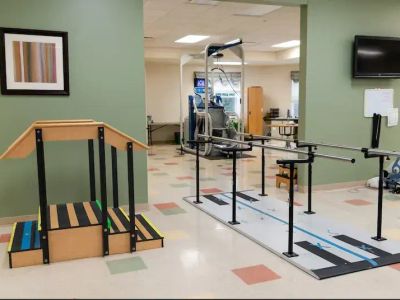


Addison Pointe Health & Rehabilitation Center
Chesterton, Indiana
780 Dickinson Rd, Chesterton, IN 46304



Madison State Hospital
Madison, Indiana
711 Green Road, Madison, IN, 47250
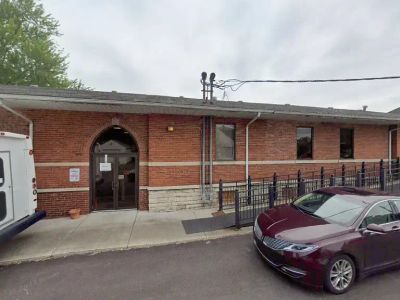
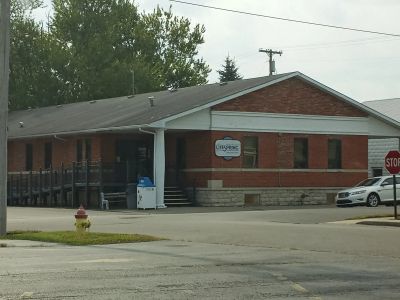
LifeSpring Health Systems - Scott County Office
Scottsburg, Indiana
75 North 1st Street, Scottsburg, IN, 47170
LifeSpring Health Systems - Recovery Center East
Indianapolis, Indiana
4455 Mccoy Street, Indianapolis, IN, 46226
Pinnacle Treatment Centers - 2209 John R Wooden Drive
Martinsville, Indiana
2209 John R Wooden Drive, 3rd Floor Martinsville, IN 46151
Pinnacle Treatment Centers - Kokomo
Kokomo, Indiana
2906 S. Reed Rd. Kokomo, IN 46902
Southwestern Behavioral Healthcare - Faren E. Levell Center
Evansville, Indiana
410 Mulberry St. Evansville, IN 47713
Why Trust Indiana Rehabs
As Hoosiers helping Hoosiers, we understand the unique challenges our communities face. Our team meticulously verifies every Indiana treatment center, ensuring you find trusted, local care that truly understands your journey.
About our listingsLevels of Care
Explore popular treatment options by levels of care, from flexible treatment in Outpatient centers to intensive care in Residential rehabs.
Free · 24/7 · Confidential
Talk to a Treatment Specialist
Call now to get matched with Indiana facilities that accept your insurance.
(888) 568-9930
Free
Ins. check
4.9★
Rating
HIPAA
Protected
Can't travel to a facility?
Licensed Indiana therapists via secure video — same-week appointments, evenings & weekends available.
Think about how your mood can shift after a simple meal, sometimes comforted, sometimes restless, especially when life feels overwhelming. When you picture addiction recovery, your mind might jump to therapy or support groups. But what about the fuel your body needs to truly heal? nutrition therapy is much more than an afterthought; it's a powerful, science-backed part of recovery that can make a real difference in your journey, right here in Indiana.

What is medical nutrition therapy?
Medical nutrition therapy, often called MNT, is far more than just getting general advice about eating better. It’s an evidence-based medical approach where a qualified professional creates a personalized nutrition plan to help manage specific health conditions. Think of it as a prescription for your diet, tailored just for you.
In addiction recovery, MNT plays a vital role. Substance use can take a serious toll on the body, often leading to nutrient deficiencies that affect everything from your mood to your energy levels[1]. The goal of nutrition therapy is to start repairing that damage. A carefully designed plan can help stabilize your mood, reduce cravings, and build a strong foundation for your overall health. This isn't a one-size-fits-all diet; it’s a compassionate and scientific part of your treatment that considers your unique health status, history, and recovery goals.
What does medical nutrition therapy involve?
Medical nutrition therapy isn't a single event but a structured, ongoing process that adapts to your changing needs. It’s a partnership between you and a nutrition professional, designed to give you the tools and support to heal your body. The process generally follows four key steps, which we’ll explore below. Many people wonder how long they'll need this kind of support, and the answer is that it's a journey. Your plan will be adjusted over time as you make progress and your health continues to improve[2].
Nutrition assessment
The first step is a comprehensive nutrition assessment. This is where a dietitian gets to know you and your story. They’ll gather information about your medical history, substance use history, and current eating patterns. They’ll also want to understand your food preferences and lifestyle, because the best plan is one you can actually stick with. This evaluation may also involve reviewing lab results or conducting a physical exam to get a complete picture of your health status.
Nutrition diagnosis
Based on the assessment, the dietitian will form a nutrition diagnosis. It’s important to know this isn’t a medical diagnosis, like a doctor would give. Instead, it’s a specific, nutrition-related problem that the dietitian can help resolve. Examples relevant to recovery might include "inadequate protein intake due to poor appetite" or identifying a specific vitamin deficiency, like a lack of B1, which is common in alcohol use disorder. This diagnosis pinpoints the exact issue that the intervention will target.
Nutrition intervention
This is the action-plan stage. The dietitian will work with you to create a personalized nutrition plan and set realistic, achievable goals. This intervention goes beyond just a meal plan; it includes education and counseling on making healthy food choices that support your recovery. You might learn strategies for managing cravings, simple cooking skills, or techniques for mindful eating that can help you rebuild a healthy relationship with food. It’s all about empowering you with the knowledge to nourish your body well.
Nutrition monitoring and evaluation
Recovery is a process of change, and your nutrition plan needs to adapt with you. The final step is ongoing nutrition monitoring and evaluation. This is the follow-up phase where the dietitian tracks your progress. They’ll check in on your energy levels, mood, weight, and how you’re feeling with the plan. Based on this evaluation, they’ll make adjustments as needed to ensure you continue to meet your goals and feel your best.
What are the potential benefits of medical nutrition therapy?
Integrating medical nutrition therapy into an addiction treatment plan can have a profound impact on your recovery journey. When your body gets the nutrients it needs, it’s better equipped to heal, which in turn supports your mental and emotional well-being. The benefits are interconnected, creating a positive cycle that strengthens your resilience and commitment to a healthier life.

Here are some of the key benefits you might experience:
- Stabilized mood and reduced anxiety: Consistent, balanced meals help regulate blood sugar, which can prevent the energy crashes and mood swings that often trigger anxiety or cravings.
- Decreased cravings for substances: Nutrient deficiencies can sometimes mimic feelings of hunger or cravings. Proper nutrition helps satisfy your body’s true needs, which can reduce the urge to use substances.
- Restored physical health: MNT helps heal the damage that substance use can cause to your organs, particularly the liver, gut, and brain. This restoration is crucial for long-term health and vitality.
- Improved sleep quality: Certain nutrients play a role in producing the hormones that regulate sleep. A balanced diet can help restore natural sleep patterns, which are often disrupted during active addiction and early recovery.
- Boosted energy and focus for therapy: When you feel better physically, you have more mental energy to engage in other important aspects of your treatment, like counseling and group therapy[3]. Proper nourishment quite literally fuels your focus. For those working on weight management, even a modest weight loss can bring significant clinical health benefits.
Who provides medical nutrition therapy?
When it comes to MNT, the provider’s qualifications matter. Medical nutrition therapy is provided by a Registered Dietitian (RD) or a Registered Dietitian Nutritionist (RDN). These are legally protected titles for food and nutrition professionals who have met specific academic and professional requirements. This includes completing a bachelor's degree, a supervised practice program, passing a national exam, and maintaining continuing education credits[4].
It’s important to understand the difference between an RDN and someone who simply calls themselves a "nutritionist." In Indiana, the scope of practice for RDNs is defined by law to ensure they provide safe, evidence-based care[5]. You can learn more from the Indiana Academy of Nutrition & Dietetics Licensure FAQs. In a rehab setting, the RDN is a crucial part of your multidisciplinary healthcare team. They work alongside your doctor, therapists, and other providers to create a holistic treatment plan that addresses your mind and body.
Finding Nutrition Therapy in Indiana
If you’re a resident of Indiana looking for addiction treatment that includes nutrition therapy, you have resources available. You can use our directory to find facilities that offer this specialized service. When you search for care, you can filter the results to show centers that have a registered dietitian on staff and provide MNT as part of their programs.
A common question is whether insurance will cover these services. The answer often depends on your specific plan and the treatment facility. Many insurance plans, including Medicare and TRICARE, may cover MNT for certain conditions, though a doctor’s referral is often required. In Indiana, Medicaid plans may also cover nutritional counseling as part of behavioral health services[6][7]. The best first step is to check directly with your insurance provider and speak with the admissions team at the treatment center. You can learn more about verifying your insurance coverage with us.
Taking the Next Step Toward a Healthier Recovery
Making the decision to seek help is a courageous one, and how you care for your body is a huge part of that journey. nutrition therapy isn't about perfection; it's about empowerment. It's a critical tool for building a strong, resilient foundation for a lasting recovery from addiction. Nourishing your body is a profound act of self-care that directly supports your mental and emotional healing.
Remember, every healthy choice you make is a step toward a brighter, healthier future. You don’t have to figure this out alone. The right support and treatment can guide you toward reclaiming your health and well-being.
Taking care of your body is one of the most powerful steps you can take in recovery. If you’re ready to learn how nutrition therapy can be part of your healing journey, help is available. You can call us anytime at (888) 568-9930 to speak with a caring specialist. At Indiana Rehabs, we are here to help you find the right path forward. Please don't hesitate to contact us when you're ready to take the next step.
Frequently Asked Questions About Nutrition Therapy for Recovery in Indiana
How can nutrition therapy help with cravings during recovery?
How does nutrition affect mental health and mood in recovery?
Is medical nutrition therapy just about meal planning?
What specific foods are best for addiction recovery?
- Utah State University. (2024). Diet, nutrition, and substance use disorder. USU Extension. extension.usu.edu
- Flentje, A. et al. (May, 2023). Addressing nutrition and physical activity in substance use disorder treatment residential programs with a wellness policy intervention. Preventing Chronic Disease. pmc.ncbi.nlm.gov
- Flentje, A. et al. (May, 2023). Addressing nutrition and physical activity in substance use disorder treatment residential programs with a wellness policy intervention. Preventing Chronic Disease. pmc.ncbi.nlm.nih.gov
- Indiana Professional Licensing Agency. (12-14-2021). Dietitians licensing information. Indiana Professional Licensing Agency. in.gov
- Academy of Nutrition and Dietetics. (2025). Indiana statutes. eatrightPRO.org. eatrightpro.org
- Indiana Family and Social Services Administration. (06-16-2021). Medicaid Rehabilitation Option (MRO). IN.gov. in.gov
- Indiana Family and Social Services Administration. (2025). Healthy Indiana Plan provider module. Indiana.gov. in.gov