
Psychedelic Assisted Psychotherapy Therapy in Indiana



Showing 5 of 5 Results (filtered)
Featured Rehab Centers
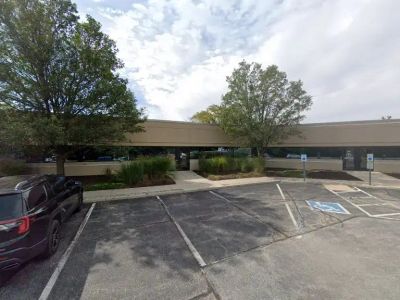

Addiction Rehab Centers - ARC At Bayside | Indianapolis Drug & Alcohol Rehab
Indianapolis, Indiana
5929 Lakeside Blvd, Indianapolis, IN 46278
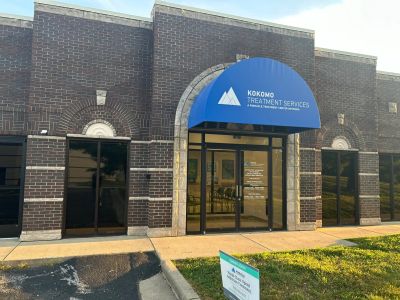
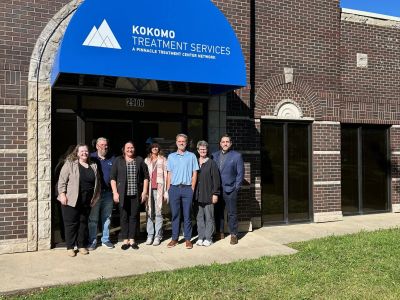
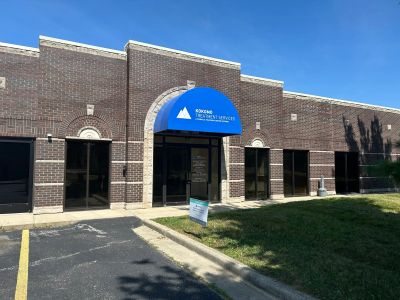
Pinnacle Treatment Centers - Kokomo
Kokomo, Indiana
2906 S. Reed Rd. Kokomo, IN 46902



First City Recovery Center
Kokomo, Indiana
317 W Jefferson St, Kokomo, IN, 46901
Get Personalized Rehab Matches in 60 Seconds
Tell us a few details and we’ll show a personalized shortlist of verified Indiana rehabs, making it simple to compare options and choose your next step with confidence.



Madison State Hospital
Madison, Indiana
711 Green Road, Madison, IN, 47250
Southwestern Behavioral Healthcare - Faren E. Levell Center
Evansville, Indiana
410 Mulberry St. Evansville, IN 47713
Why Trust Indiana Rehabs
As Hoosiers helping Hoosiers, we understand the unique challenges our communities face. Our team meticulously verifies every Indiana treatment center, ensuring you find trusted, local care that truly understands your journey.
About our listingsLevels of Care
Explore popular treatment options by levels of care, from flexible treatment in Outpatient centers to intensive care in Residential rehabs.
Free · 24/7 · Confidential
Talk to a Treatment Specialist
Call now to get matched with Indiana facilities that accept your insurance.
(888) 568-9930
Free
Ins. check
4.9★
Rating
HIPAA
Protected
Can't travel to a facility?
Licensed Indiana therapists via secure video — same-week appointments, evenings & weekends available.
If you’ve ever felt like you’ve tried every treatment for anxiety, depression, or trauma but still can’t find solid ground, you’re not alone. The journey toward healing can be frustrating, especially when current options don’t seem to offer the relief you’re hoping for. Lately, there’s a growing buzz around psychedelic assisted therapy, stirring both curiosity and hope for a new way forward. While the science is promising, especially in clinical studies, accessing these therapies in Indiana is a complicated road, and understanding the facts can help you navigate what’s possible now and what may lie ahead.

Overview of Psychedelics for Mental Health
When you hear the term psychedelic assisted therapy, it’s easy to get lost in misconceptions. At its core, this is a structured, clinical approach that combines the use of a psychedelic substance with professional psychotherapy. It’s not about taking a substance on your own; it’s about using its effects as a catalyst for deep therapeutic work in a safe, controlled setting[1]. This model is being researched for its potential to help people struggling with tough-to-treat mental health conditions.
The main substances currently at the forefront of this research include:
- Psilocybin: The psychoactive compound found in certain species of mushrooms, often studied for its effects on depression and anxiety.
- MDMA: A synthetic substance known for its ability to increase feelings of empathy and connection. It’s the primary focus of research for treating post-traumatic stress disorder (PTSD).
- Ketamine: An anesthetic that is already legally used in some clinics for treatment-resistant depression. While it has dissociative effects, its model of use has paved the way for the broader field of psychedelic therapy.
The process of psychedelic psychotherapy isn't a single event but a carefully managed journey with three distinct phases[2]:
- Preparation: Before any substance is administered, you'll have several sessions with your therapist. This is a crucial time to build trust, discuss your history, and set clear intentions for your experience. The goal is to create a strong therapeutic alliance so you feel safe and supported.
- The Guided Session: This is the session where the psychedelic substance is administered. It takes place in a comfortable, controlled environment, with at least one trained therapist present the entire time (often two). They don't direct the experience but act as guides, ensuring your physical and emotional safety while you explore your inner world. These sessions can last for several hours.
- Integration: In the days and weeks following the psychedelic experience, you’ll meet with your therapist again for integration sessions. This is where the real work happens. You’ll process the thoughts, emotions, and insights that came up during your session and figure out how to translate them into meaningful, lasting changes in your daily life.
This three-part structure, preparation, session, and integration, is what makes it therapy, not just a drug experience. It provides the framework to help turn a powerful experience into a source of healing.
Evidence for MDMA-AT for PTSD
The most compelling evidence for psychedelic assisted therapy comes from clinical trials, particularly the research into MDMA for severe PTSD. The results have been so promising that the FDA has granted it "Breakthrough Therapy" status, fast-tracking its review process. The Multidisciplinary Association for Psychedelic Studies (MAPS) has been leading this charge with its Phase 3 trials.
In these studies, participants with severe, often treatment-resistant PTSD received MDMA-assisted therapy. The findings were remarkable: a significant number of participants no longer met the diagnostic criteria for PTSD after treatment[2]. What’s just as important is that people stuck with the treatment. The dropout rate for participants who received MDMA was just 6.8%. When you compare that to dropout rates of 47% to 56% for traditional, evidence-based trauma therapies, it’s clear that this approach is not only effective but also more tolerable for many patients.
Alongside MDMA, psilocybin has also shown incredible promise. Research from institutions like Johns Hopkins University has focused on its use for treatment-resistant depression and the profound anxiety that can accompany a terminal illness. Studies have found that psilocybin, when combined with psychotherapy, can lead to rapid and sustained reductions in depressive symptoms, often after just one or two sessions[1]. This offers a glimmer of hope for those who have found little relief from conventional antidepressants.
However, it’s important to look at the research with a clear eye. One limitation noted in the MDMA trials is that only about 19% of participants were veterans. Since veterans are a significant population affected by PTSD, more research is needed to ensure these positive results apply to them as well.
Mechanisms of action for MDMA-AT for PTSD
So, how does MDMA-assisted therapy work for PTSD? The prevailing theory is that MDMA helps quiet the brain’s fear center, the amygdala. For someone with PTSD, thinking about a traumatic memory can trigger an overwhelming flood of fear and anxiety, making it impossible to process. MDMA appears to dampen this fear response while also increasing feelings of trust, empathy, and self-compassion. This creates a unique "window of tolerance" where a person can revisit and re-examine their trauma with the help of a therapist, but without the intense emotional pain that usually comes with it. It allows them to heal the memory instead of just reliving it.
Mechanisms of action for P-AT
Psilocybin-assisted therapy (P-AT) for depression seems to work differently. Conditions like depression are often linked to rigid, repetitive, and negative thought patterns. Think of it like your brain being stuck in a well-worn rut. Psilocybin appears to disrupt the brain's "default mode network," which is responsible for our sense of self and much of this rigid thinking. By shaking up these ingrained patterns, it creates a period of enhanced neuroplasticity, a state where the brain is more open and flexible. This can allow for new perspectives to emerge, helping people break free from the cycles of rumination that fuel their depression and see themselves and their world in a new light[1].

Psychedelic Risks, Side Effects, and Potential Harms
While the potential benefits of psychedelic assisted therapy are significant, it’s essential to have an honest conversation about the risks and side effects. These treatments are powerful, and safety is the top priority in clinical settings. The risks can be broken down into two main categories: psychological and physiological.
Psychologically, the biggest risk is having a difficult or challenging experience, sometimes called a "bad trip." This can include intense anxiety, fear, paranoia, or distressing hallucinations. In a therapeutic setting, this risk is managed by the constant presence of trained therapists who can provide support and guidance if the experience becomes overwhelming. The preparation phase is also designed to equip patients with tools to navigate difficult emotions, and integration helps them make sense of these challenging moments afterward[2].
Physiological side effects are also common, though usually temporary. During a session, patients can experience increases in blood pressure and heart rate, as well as headaches, nausea, or dizziness. These effects are closely monitored in a clinical trial to ensure they stay within a safe range. For this reason, people with pre-existing cardiovascular conditions are often excluded from studies.
In psilocybin trials for depression, there have been reports of suicidal thoughts. For example, one study noted that the incidence of suicidal ideation was slightly higher in groups receiving a therapeutic dose (5-6%) compared to a placebo dose (3%). While these numbers are low, it highlights the importance of professional oversight and thorough screening. Every participant in these trials is carefully monitored for any changes in their mental state, and support is always available.
This brings us to contraindications, the factors that make psychedelic therapy unsafe for certain individuals. The most significant contraindication is a personal or family history of psychotic disorders, such as schizophrenia or bipolar disorder. Psychedelics can potentially trigger a psychotic episode in vulnerable individuals, so careful screening is a critical part of the safety protocol for all clinical trials[2].
Finding Psychedelic Assisted Therapy in Indiana
This is the question on many people's minds: Can I get this treatment in Indiana? The short answer right now is no, not in a standard clinical practice. Both psilocybin and MDMA are classified as Schedule I controlled substances by the federal government. This means they are considered to have a high potential for abuse and no accepted medical use, making them illegal to possess or administer outside of a federally approved research setting.
For a resident of Indiana, the only legal way to access these therapies is by enrolling in an FDA-approved clinical trial. These trials are the backbone of the research moving these substances toward potential legalization for medical use. You can search for recruiting studies on the official government database, ClinicalTrials.gov. It’s important to know that these trials have very specific criteria for participation, and getting into one can be a long and challenging process.
However, there is one related treatment that is legally available in Indiana: ketamine-assisted therapy. Ketamine is a Schedule III substance and is FDA-approved as an anesthetic. For years, it has been used "off-label" in specialized clinics to treat mental health conditions, particularly treatment-resistant depression[3]. While ketamine is different from "classic" psychedelics like psilocybin or LSD, it can produce dissociative and consciousness-altering effects that can be powerful catalysts for therapy.
It's encouraging that Indiana has shown some interest in this area. In 2025, state lawmakers allocated funding for research programs to study these therapies, which could open the door for more local trials in the future[4]. At Indiana Rehabs, our directory focuses on connecting you with proven, accessible treatments available today. While we don't list psychedelic therapy providers, we are here to help you find other evidence-based mental health services to support your journey right now.
The Future of Psychedelic Treatments
The landscape of mental health treatment is on the verge of a major shift, and psychedelic therapies are at the heart of it. The national outlook is cautiously optimistic. Both MDMA (for PTSD) and psilocybin (for depression) have received "Breakthrough Therapy Designation" from the FDA[2]. This doesn't guarantee approval, but it does mean the FDA is working closely with researchers to expedite the development and review process because the early clinical evidence is so promising.
If and when these therapies receive FDA approval, a whole new set of challenges will emerge. Widespread implementation isn't as simple as writing a prescription. One of the biggest hurdles is the need for a workforce of specially trained therapists. Guiding someone through a psychedelic experience requires a unique skill set that goes beyond traditional psychotherapy, and there aren't nearly enough trained professionals to meet the potential demand.
Cost is another significant barrier. A full course of MDMA-assisted therapy, including preparation and integration sessions, could be very expensive. As of now, it's unclear how insurance companies will handle reimbursement. Without coverage, this transformative treatment could be out of reach for the vast majority of people who need it. There are also important conversations happening around ensuring access is equitable and culturally sensitive, as historical and systemic barriers can prevent marginalized communities from benefiting from new treatments[5].
At the state level, we’re seeing different paths unfold. States like Oregon and Colorado have created frameworks for legal, supervised psilocybin use, separate from the FDA approval process. While these initiatives are still in their early days, they represent a different model for how access might expand. In Indiana, the focus remains on supporting formal research, which is a more conservative but still important step forward. The future of psychedelic treatments will likely involve a combination of FDA-approved medical models and evolving state-level policies.
Takeaways and Resources
Navigating the world of psychedelic assisted therapy can feel overwhelming, especially when you're looking for real solutions for your mental health here in Indiana. The most important takeaway is this: while research into MDMA and psilocybin is incredibly promising, these are not yet standard, accessible treatments. They represent the future, but they are not quite the present.
It’s crucial to distinguish between the research status of these substances and the clinical availability of ketamine therapy, which is a legal and accessible option for some conditions. For now, the safest and only legal path to MDMA or psilocybin therapy is through a formal clinical trial.
If you want to continue learning from credible sources, here are a few of the leading organizations in the field:
- MAPS (Multidisciplinary Association for Psychedelic Studies): The nonprofit organization behind the landmark MDMA-for-PTSD research.
- Johns Hopkins Center for Psychedelic and Consciousness Research: A leading academic institution conducting a wide range of studies on psilocybin for various conditions.
The most important thing is not to lose hope. While you wait for these future treatments to become a reality, there are effective, evidence-based therapies for mental health conditions available right now in Indiana. The journey to healing is unique for everyone, and the right support can make all the difference.
Feeling hopeful about the future of mental health treatment is a great first step, but you don't have to wait to start your healing journey. There are many evidence-based options available in Indiana today that can help you find relief and build a stronger foundation for your well-being. If you’re ready to explore what’s possible now, the team at Indiana Rehabs is here to help. You can speak with a compassionate specialist by calling (888) 568-9930 or by reaching out through our contact page. Taking that next step is a sign of strength, and we’re here to support you.
Frequently Asked Questions About Psychedelic-Assisted Therapy in Indiana
What conditions can psychedelic-assisted therapy treat?
Who is a good candidate for psychedelic-assisted therapy?
How is psychedelic-assisted therapy different from recreational drug use?
How much does psychedelic-assisted therapy cost?
- Gill, H. et al. (2025). Psychedelic-assisted therapy: An overview for the internist. Cleveland Clinic Journal of Medicine. ccjm.org
- National Center for PTSD. (03-28-2024). Psychedelic-assisted therapy for PTSD. U.S. Department of Veterans Affairs. ptsd.va.gov
- Medicaid.gov. (06-21-2023). Indiana State Plan Amendment IN-23-0006. U.S. Centers for Medicare & Medicaid Services. medicaid.gov
- Indiana General Assembly. (2025). ACTS 2025. Indiana General Assembly. iga.in.gov
- The Professional Counselor. (03-18-2025). Shifting paradigms: Exploring multicultural approaches to psychedelic-assisted therapy in counseling. The Professional Counselor Journal. tpcjournal.nbcc.org