Rehabs Offering Schema Therapy

Showing 5 of 5 Results (filtered)
Featured Rehab Centers

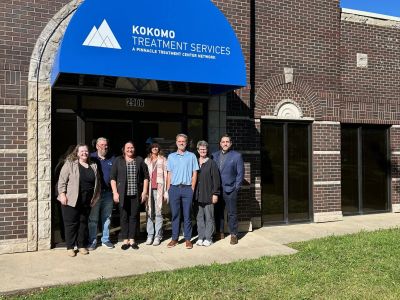

Pinnacle Treatment Centers - Kokomo
Kokomo, Indiana
2906 S. Reed Rd. Kokomo, IN 46902



Avenues Recovery Center at Indianapolis
Indianapolis, Indiana
7960 Shadeland Ave, Indianapolis, IN 46250



Kentuckiana Integrative Medicine
Jeffersonville, Indiana
405 E Court Ave #102, Jeffersonville, IN 47130
Get Personalized Rehab Matches in 60 Seconds
Tell us a few details and we’ll show a personalized shortlist of verified Indiana rehabs, making it simple to compare options and choose your next step with confidence.

First City Recovery Center
Kokomo, Indiana
317 W Jefferson St, Kokomo, IN, 46901
Southwestern Behavioral Healthcare - Faren E. Levell Center
Evansville, Indiana
410 Mulberry St. Evansville, IN 47713
Why Trust Indiana Rehabs
As Hoosiers helping Hoosiers, we understand the unique challenges our communities face. Our team meticulously verifies every Indiana treatment center, ensuring you find trusted, local care that truly understands your journey.
About our listingsLevels of Care
Explore popular treatment options by levels of care, from flexible treatment in Outpatient centers to intensive care in Residential rehabs.
Free · 24/7 · Confidential
Talk to a Treatment Specialist
Call now to get matched with Indiana facilities that accept your insurance.
(888) 568-9930
Free
Ins. check
4.9★
Rating
HIPAA
Protected
Can't travel to a facility?
Licensed Indiana therapists via secure video — same-week appointments, evenings & weekends available.
Have you ever caught yourself repeating the same arguments, struggling with trust, or feeling triggered by things that seem small, almost as if there’s an invisible script from your past quietly shaping every moment? That sense of being stuck, of living out patterns you just can’t seem to break, can be deeply frustrating and lonely. schema therapy offers a gentle, evidence-based way to uncover and finally rewrite those old life scripts, creating real space for healing and change right here in Indiana.
What Is Schema Therapy?
At its heart, schema therapy is an integrative approach to psychotherapy that helps people understand and change deep-seated, self-defeating life patterns. Think of it as a way to get to the root of why you think, feel, and behave the way you do. It was developed to help with long-standing emotional and relational difficulties that other therapies might not have fully resolved. It blends elements from cognitive-behavioral therapy (CBT), psychodynamic approaches, and other models to create a uniquely powerful and compassionate therapy experience.
The core idea is that many of our struggles stem from "early maladaptive schemas," which are essentially painful themes or patterns that begin in childhood or adolescence[1]. These schemas develop when our core emotional needs, like the need for safety, love, and acceptance, aren't met. Imagine putting on a pair of gray-colored glasses as a child. Everything you see from that point on is tinted gray. You might not even realize you're wearing them, but they color your perception of yourself, others, and the world.
Schemas work in a similar way. If you developed a "Defectiveness" schema, you might go through life feeling like something is fundamentally wrong with you. If you have an "Abandonment" schema, you might constantly fear that the people you care about will leave. schema therapy aims to help you recognize these "glasses," understand where they came from, and learn to take them off. The goal isn't just to manage symptoms; it's to heal the underlying wounds so you can finally change those lifelong patterns and build a more fulfilling life[2]. You can learn more about the foundations of schema therapy and how it helps rewrite these internal scripts.
Who Benefits?
schema therapy can feel like a lifeline, especially for those who feel like they've tried everything without seeing lasting change. It's particularly effective for individuals dealing with chronic or complex conditions that haven't fully responded to other forms of therapy. While it can help with a wide range of issues, it is most commonly used for:
- Borderline Personality Disorder (BPD): This is one of the primary conditions schema therapy was designed to treat. Its focus on deep-seated emotional patterns and the therapeutic relationship makes it uniquely suited for the challenges of BPD.
- Chronic Depression or Anxiety: When depression or anxiety feels like a constant companion rather than a temporary state, it often points to underlying schemas. This therapy helps address the roots of these feelings, not just the surface symptoms.
- Eating Disorders: schema therapy can help uncover the core beliefs about self-worth, control, and emotional deprivation that often fuel eating disorders.
- Relationship Difficulties: If you find yourself repeating the same unhealthy relationship patterns, choosing the wrong partners, struggling with intimacy, or engaging in constant conflict, schema therapy can help you understand and break the cycle.
- Substance Use Disorders: It can be highly effective for individuals whose substance use is a way of coping with the pain of their schemas.

The evidence supporting its use is strong. For instance, in a major clinical trial for Borderline Personality Disorder, schema therapy was shown to be highly effective. Full recovery was achieved in up to 52% of patients in the schema therapy group, compared to just 29% in a treatment-as-usual group[3]. Furthermore, the dropout rate was significantly lower, with only 27% of patients leaving treatment compared to 50% in the other group, suggesting that patients find the approach engaging and helpful[3].
However, it's important to note that schema therapy may not be the right fit for everyone. Individuals who are in an acute crisis, such as active psychosis or severe substance withdrawal, may need stabilization first. This therapy requires a level of stability to engage in the deep emotional work involved. A good therapist will assess your situation to ensure it's the right time to begin this journey.
How Schema Therapy Works
The process of schema therapy is a journey you take with your therapist, one that unfolds in distinct but overlapping phases. It’s a collaborative, active process where you work together to bring about meaningful change. The entire experience is built on a foundation of trust and safety within the therapeutic relationship.
First comes the bonding and assessment phase. Your therapist’s initial focus is on getting to know you and creating a safe, non-judgmental space. You'll explore your life history, paying special attention to your childhood and adolescent experiences, to identify which schemas and coping styles are at play. This isn't about blaming anyone; it's about understanding the origins of your patterns.
Next is the awareness and education phase. Once your core schemas are identified, your therapist will help you understand them on a deeper level. You’ll learn to recognize when your schemas are triggered in your daily life and how your coping modes kick in. This is the "aha!" phase, where the connections between your past and present finally start to click into place. You begin to see your struggles not as character flaws, but as understandable responses to unmet needs.
The final and longest phase is dedicated to behavioral and emotional change. This is where the deep healing happens. schema therapy uses a variety of powerful techniques to challenge and modify your schemas. A central element of this phase is the concept of "limited reparenting." Your therapist provides, in a professional and boundaried way, some of the emotional support that was missing in your childhood. They might offer validation, empathy, and stability, helping to heal those old wounds directly within the therapeutic relationship. This warm, caring connection is a cornerstone of the therapy and helps you build a template for healthier relationships in your life.
Throughout the process, the goal is to strengthen your "Healthy Adult" mode, that wise, compassionate part of you that can soothe your vulnerable feelings, set limits on unhealthy behaviors, and make choices that align with your true values. It’s a deeply empowering process that gradually shifts you from being controlled by your past to being the author of your future.
Key Concepts (Schemas, Modes)
To really understand schema therapy, it helps to get familiar with its two core concepts: schemas and modes. These ideas provide a map for understanding your inner world and navigating the path toward healing.
What are Schemas?
Schemas, or "early maladaptive schemas," are the deep-seated, pervasive beliefs and feelings you have about yourself and the world[1]. They are the "life traps" that developed from toxic experiences in your childhood. These aren't just passing thoughts; they feel like absolute truths. There are 18 specific schemas, which are grouped into five broad domains based on the core emotional needs that were unmet.
| Schema Domain | Core Unmet Need | Example Schemas |
|---|---|---|
| Disconnection & Rejection | Need for: Safety, stability, love, belonging | Schemas like: Abandonment, Mistrust, Defectiveness/Shame |
| Impaired Autonomy & Performance | Need for: Autonomy, competence, sense of identity | Schemas like: Dependence, Vulnerability to Harm, Failure |
| Impaired Limits | Need for: Realistic limits, self-control | Schemas like: Entitlement/Grandiosity, Insufficient Self-Control |
| Other-Directedness | Need for: Freedom to express valid needs and emotions | Schemas like: Subjugation, Self-Sacrifice, Approval-Seeking |
| Overvigilance & Inhibition | Need for: Spontaneity, play, relaxation | Schemas like: Negativity/Pessimism, Emotional Inhibition, Unrelenting Standards |
What are Schema Modes?
If schemas are the underlying beliefs, schema modes are the emotional states and behaviors you shift into when your schemas are triggered. They are the "part of you" that takes over in a given moment. We all have different modes, but in schema therapy, the focus is on understanding and working with the ones that cause distress. The main categories include:
- Child Modes: These reflect your raw, childlike feelings. The Vulnerable Child mode is where you feel sad, abandoned, or worthless. The Angry Child feels frustrated because its needs aren't met, and the Impulsive Child acts on desires without thinking of consequences.
- Dysfunctional Coping Modes: These are the ways you learned to survive the pain of your schemas. The Detached Protector numbs out emotions and avoids connection. The Compliant Surrenderer gives in to others to avoid conflict. The Overcompensator tries to fight the schema by acting powerful, perfect, or controlling.
- Dysfunctional Parent Modes: These are the internalized voices of critical or demanding parents. The Punitive Parent mode is that harsh inner critic that tells you you’re worthless. The Demanding Parent pushes you relentlessly to be perfect.
- Healthy Adult Mode: This is the ultimate goal of the therapy. The Healthy Adult is the part of you that is compassionate, strong, and wise. It nurtures the Child modes, sets limits on the Coping and Parent modes, and helps you live a balanced, fulfilling life.
By learning to identify which mode you're in, you can start to understand your reactions and consciously choose to respond from your Healthy Adult self instead of being hijacked by old patterns.
Techniques Used
schema therapy uses a rich and flexible toolkit of techniques designed to bring about deep and lasting change. These methods go beyond just talking about problems; they create powerful experiences that help you heal on an emotional level. The techniques are generally grouped into three categories: cognitive, experiential, and behavioral[2].

Cognitive Techniques
These techniques help you challenge the validity of your schemas on an intellectual level. While schema therapy recognizes that insight alone isn't enough, changing your thoughts is an important part of the process. Techniques include:
- Testing the Evidence: You and your therapist act like detectives, examining the evidence for and against your schema. This helps you see that what feels like a fundamental truth is often a distorted belief from the past.
- Schema Flashcards: You create physical or digital cards with a summary of your schema on one side and a compassionate, realistic rebuttal from your Healthy Adult perspective on the other. You can read these when you feel triggered to reinforce a new way of thinking.
- Schema Diaries: Keeping a journal helps you track when your schemas and modes are activated in daily life, giving you valuable insight into your triggers and patterns. This is a common practice in many forms of cognitive-behavioral therapy.
Experiential Techniques
These are often considered the heart of schema therapy. They are designed to connect with your emotions and heal the wounds from the past on a deeper level. Two of the most powerful experiential techniques are:
- Imagery Rescripting: In this exercise, you close your eyes and revisit a painful or distressing memory from your childhood. Your therapist guides you through the memory, but this time, you (as your adult self) step into the scene to protect, validate, and care for your younger self. The memory isn't erased, but its emotional charge is changed, allowing for healing.
- Chair Work: This technique involves using two or more chairs to represent different parts of yourself (like your Vulnerable Child and your Punitive Parent mode) or to have a dialogue with a significant person from your past. By moving between chairs and speaking from each perspective, you can gain clarity, express pent-up emotions, and practice responding from your Healthy Adult mode.
Behavioral Techniques
The final piece of the puzzle is translating your internal changes into new real-world behaviors. Your therapist will help you design and carry out assignments to break old patterns. This might involve practicing new communication skills in a relationship, setting boundaries with a difficult family member, or trying new social activities that your "Detached Protector" mode has been avoiding. These real-life victories are crucial for building confidence and making your new, healthier patterns stick.
Schema Therapy vs. Other Therapies
It can be confusing to navigate the different types of therapy available. Many people wonder how schema therapy compares to more widely known approaches like Cognitive-Behavioral Therapy (CBT) and dialectical behavior therapy (DBT). While they share some common ground, their focus and methods are distinct.
The main difference lies in the depth and focus of the treatment. While CBT primarily concentrates on your current thoughts and behaviors, schema therapy dives deeper to explore the childhood origins of your problems. It’s not just about changing what you think; it’s about healing the underlying emotional wounds that cause those thoughts in the first place. Many patients who have tried other therapies report that schema therapy feels more comprehensive. In one study, 44% of patients felt that it delved deeper than their past therapies, such as DBT[3].
The therapeutic relationship is also a key differentiator. In schema therapy, the bond between you and your therapist is a central tool for healing through "limited reparenting." In contrast, the relationship in CBT is more educational, and in DBT, it’s more like a coach-student dynamic focused on skills training. Here’s a simple breakdown:
| Feature | schema therapy | Cognitive-Behavioral Therapy (CBT) | dialectical behavior therapy (DBT) |
|---|---|---|---|
| Primary Focus | Focus on: Childhood origins of lifelong patterns (schemas). | Focus on: Current thoughts, feelings, and behaviors. | Focus on: Emotional regulation and crisis management skills. |
| Therapeutic Relationship | Relationship type: Warm, reparenting style to heal core emotional needs. | Relationship type: Collaborative and educational. | Relationship type: Coaching-oriented, focused on skills training. |
| Key Techniques | Techniques include: Imagery rescripting, chair work, mode work. | Techniques include: Thought records, behavioral experiments. | Techniques include: Mindfulness, distress tolerance, interpersonal effectiveness. |
| Best For | Best for: Deep-seated personality issues (like BPD), chronic depression, recurring relationship problems. | Best for: Specific, well-defined problems like panic disorder, phobias, or less severe depression. | Best for: Individuals with severe emotional dysregulation, self-harm, and suicidal behaviors. |
Ultimately, the "best" therapy depends on your unique needs. If you're struggling with specific, present-day issues, CBT might be a great fit. If you need skills to manage overwhelming emotions and crises, DBT could be life-saving. But if you feel stuck in long-term patterns that trace back to your past, schema therapy offers a path to profound and lasting healing.
How to Find Schema Therapy Providers in Indiana
Finding the right therapist is a crucial first step on your healing journey. When you’re looking for a schema therapist in Indiana, you want to find someone who is not only qualified but also a good personal fit. Here are some practical steps to guide your search.
A great place to start is by using a directory that allows you to filter providers by specialization. Our directory can help you find professionals who list schema therapy as one of their approaches. This narrows down your search to therapists who are already familiar with and trained in this model.
When you're evaluating potential therapists, look for specific credentials. The gold standard for this type of therapy is certification from the International Society of schema therapy (ISST). A certified schema therapist has completed rigorous training, supervision, and evaluation. While not every skilled therapist will have this certification, it's a strong indicator of expertise. All behavioral health providers in Indiana must meet state licensing and accreditation standards to ensure they provide safe and effective care[4].
Once you have a shortlist, schedule a brief consultation call. This is your chance to ask questions and get a feel for their personality. Here are a few important questions to ask:
- What is your training and experience with schema therapy?
- How do you incorporate concepts like "limited reparenting" and schema modes into your sessions?
- What does a typical session with you look like?
- How do you approach the therapeutic relationship?
During the call, pay attention to how you feel talking to them. Do you feel heard and respected? Does their communication style resonate with you? The connection you have with your therapist is a vital part of the healing process, so trust your intuition.
Finally, don't forget the practicalities. Ask about their session fees, whether they accept your insurance, and what their availability is like. For reliable information on state-funded mental health programs, you can also explore SAMHSA Indiana mental health resources.
Taking the time to find the right person is an investment in your well-being. Recognizing that you deserve support and taking action to find it is a powerful step in itself. If you're ready to start exploring your options, you can filter providers right here on our site to find a qualified professional near you.
Understanding the deep, recurring patterns in your life is the first step toward changing them. schema therapy offers a compassionate and effective path to not only understand your story but to finally rewrite it. It addresses the roots of your struggles, helping you heal from the inside out so you can build stronger relationships and a more fulfilling life. This journey requires courage, but it also offers the promise of profound and lasting change. If you recognize yourself in these patterns and feel ready for a different future, help is available right here in Indiana. You can take the next step by calling us at (888) 568-9930 to speak with someone who can guide you, or explore your options through Indiana Rehabs. For more information or to begin your search, feel free to contact us today. You don’t have to stay stuck in the past; a new chapter is waiting.
Frequently Asked Questions About Schema Therapy in Indiana
What does schema therapy treat?
Is schema therapy effective?
Is schema therapy a type of CBT?
How long does schema therapy take?
- Reeves, M. et al. (2012). An Examination of Early Maladaptive Schemas and Coping Responses among a Sample of Substance Abusing Adults. The International Journal of Mental Health and Addiction. pmc.ncbi.nlm.nih.gov
- Bains, M. K. et al. (2024). STAT: schema therapy for addiction treatment, a proposal for the treatment of substance use disorders with co-occurring personality pathology. Frontiers in Psychiatry. pmc.ncbi.nlm.nih.gov
- Arntz, A. et al. (2022). Effectiveness of Group schema therapy for Borderline Personality Disorder With and Without Substance Use Disorder: A Randomized Clinical Trial. JAMA Psychiatry. jamanetwork.com
- U.S. Department of Health and Human Services. (August, 2021). State Residential Treatment for Behavioral Health Conditions: Indiana. U.S. Department of Health and Human Services. aspe.hhs.gov