
Rehabs Offering Somatic Experiencing

Showing 6 of 6 Results (filtered)
Featured Rehab Centers

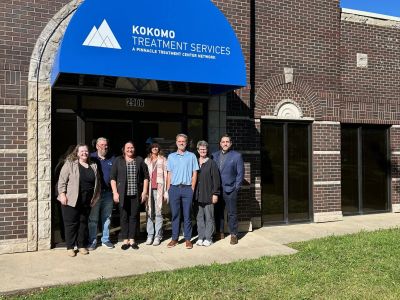

Pinnacle Treatment Centers - Kokomo
Kokomo, Indiana
2906 S. Reed Rd. Kokomo, IN 46902



Avenues Recovery Center at Indianapolis
Indianapolis, Indiana
7960 Shadeland Ave, Indianapolis, IN 46250



Kentuckiana Integrative Medicine
Jeffersonville, Indiana
405 E Court Ave #102, Jeffersonville, IN 47130
Get Personalized Rehab Matches in 60 Seconds
Tell us a few details and we’ll show a personalized shortlist of verified Indiana rehabs, making it simple to compare options and choose your next step with confidence.



First City Recovery Center
Kokomo, Indiana
317 W Jefferson St, Kokomo, IN, 46901



Wooded Glen Recovery Center
Henryville, Indiana
2602 Hebron Church Rd., Henryville, IN, 47126
Southwestern Behavioral Healthcare - Faren E. Levell Center
Evansville, Indiana
410 Mulberry St. Evansville, IN 47713
Why Trust Indiana Rehabs
As Hoosiers helping Hoosiers, we understand the unique challenges our communities face. Our team meticulously verifies every Indiana treatment center, ensuring you find trusted, local care that truly understands your journey.
About our listingsLevels of Care
Explore popular treatment options by levels of care, from flexible treatment in Outpatient centers to intensive care in Residential rehabs.
Free · 24/7 · Confidential
Talk to a Treatment Specialist
Call now to get matched with Indiana facilities that accept your insurance.
(888) 568-9930
Free
Ins. check
4.9★
Rating
HIPAA
Protected
Can't travel to a facility?
Licensed Indiana therapists via secure video — same-week appointments, evenings & weekends available.
Ever notice how some memories settle deep into your muscles, a tightness in your chest, shoulders that just won’t relax, even when things are “supposed” to be okay? Trauma has a way of hanging around in the body, making every breath feel a little heavier, every day a little harder. It’s not just in your head; your body’s holding onto the story, too. Healing can mean more than just talking it through, somatic experiencing therapy gently helps you listen to your body, guiding you toward real release and relief.
What is somatic therapy?
somatic experiencing therapy is a gentle, body-centered approach to healing from trauma and stress. Developed by Dr. Peter Levine, it’s built on the idea that trauma isn't just an emotional or psychological event, it's a physiological one. When you experience something overwhelming, your nervous system fires up its survival instincts: fight, flight, or freeze. In a perfect world, once the danger passes, your body would naturally discharge all that pent-up survival energy and return to a state of balance. But sometimes, that process gets interrupted. The energy gets stuck.
Think of it like a soda can that’s been shaken violently. If you were to pop it open right away, it would explode. Instead, you have to open it slowly, letting the pressure release a little at a time. somatic experiencing therapy works similarly. It helps you safely and gradually release the stored survival energy from your body without becoming overwhelmed. By paying close attention to physical sensations, this approach helps your nervous system complete those self-protective responses that got frozen in time. It’s not about erasing the memory but about freeing your body from its grip, allowing for a deeper, more lasting sense of peace and wholeness. This form of therapy can be particularly helpful for those dealing with trauma-related disorders.
How does somatic therapy differ from talk therapies?
Many of us are familiar with traditional talk therapies, like cognitive behavioral therapy (CBT), which focus on our thoughts, beliefs, and emotions. These are often called "top-down" approaches because they start with the mind (the "top") and work their way down to influence how the body feels. You talk about what happened, analyze your thought patterns, and develop new ways of thinking to change your emotional and physical responses.
somatic experiencing therapy, on the other hand, is a "bottom-up" approach. It starts with the body (the "bottom") and works its way up to the mind. Instead of focusing on the story of the trauma, the treatment centers on the physical sensations, or "body sensations," that are connected to it. The idea is that the body holds the unprocessed stress, and by tuning into it, you can allow that trapped energy to finally be released. This doesn't mean that thoughts and emotions are ignored. They are absolutely part of the process, but they aren't the starting point. The primary entry for healing is through physical awareness. The goal isn’t to re-live a painful event but to gently notice the sensations tied to it in a safe, controlled environment, helping the mind-body connection to heal from the ground up.
Who might benefit from somatic therapy?
Because somatic therapy gets to the root of how the body stores stress, it can be helpful for a wide range of people, not just those with a specific trauma diagnosis. If you’ve ever felt like you've talked a problem to death but still feel its effects physically, this approach might offer a new path forward. It’s especially powerful for anyone who feels disconnected from their body or experiences physical symptoms that don't seem to have a clear medical cause.

You might find somatic therapy beneficial if you're dealing with:
- Post-Traumatic Stress Disorder (PTSD): This therapy is specifically designed to address the physiological roots of PTSD symptoms like hypervigilance, flashbacks, and dissociation.
- Anxiety and Panic Disorders: By helping regulate the nervous system, it can reduce the chronic state of high alert that fuels anxiety.
- Depression: It can help release the physical heaviness and numbness often associated with depression, restoring a sense of vitality.
- Chronic Stress: If you're constantly feeling overwhelmed, this therapy can teach your body how to return to a state of calm and build resilience.
- Grief and Loss: Somatic work can help process the profound physical impact of loss that words alone can't always touch.
- Unexplained Physical Pain: For issues like chronic pain, migraines, or digestive problems with no clear medical origin, somatic therapy can address the underlying trauma symptoms that may be contributing.
How is somatic therapy carried out?
A somatic experiencing session is a gentle and collaborative process where your feeling of safety is the top priority. Your therapist, or practitioner, acts as a guide, helping you become aware of your body's sensations in a way that feels manageable and empowering. You'll likely sit comfortably in a chair and be invited to notice what's happening inside, perhaps a tightness in your chest, a warmth in your hands, or a flutter in your stomach. There's no pressure to talk about the details of a traumatic event unless you feel it's helpful.
Practitioners use several key techniques to guide the session:
- Titration: This means processing the trauma in very small, tolerable amounts. Instead of diving into the deep end, you’ll just touch a toe in, notice the sensation, and then come back to a place of safety and calm.
- Pendulation: This involves gently guiding your attention back and forth between the difficult sensations associated with the trauma and the places in your body that feel calm, strong, or neutral. This rhythm helps your nervous system build confidence that it can handle stress without getting stuck.
- Resourcing: Before even touching on difficult feelings, your therapist will help you identify your "resources", things that bring you a sense of strength, comfort, and stability. This could be a memory of a peaceful place, a feeling of strength in your feet on the floor, or the support of a loved one. These resources become anchors you can return to at any time.
Sometimes, a practitioner might ask for permission to use therapeutic touch to offer support or help you become more aware of a specific area of your body. This is always optional, requires your explicit consent, and is done with the utmost care and professionalism. The focus is always on creating a safe space for your body to finally tell its story and find its way back to balance.
What to know if you're considering somatic therapy
If you're considering somatic therapy in Indiana, finding the right practitioner is a crucial first step. You'll want to look for a licensed mental health professional (like an LCSW, LMHC, or psychologist) who has also completed specialized training in this modality. The official credential to look for is "somatic experiencing Practitioner" or "SEP." This indicates they have completed a rigorous, multi-year training program.
When you're exploring potential therapists, it’s a good idea to have a brief consultation call. This is your opportunity to see if their approach feels like a good fit. Here are a few questions you might ask:
- What is your experience working with someone with my specific concerns (e.g., anxiety, past trauma)?
- Can you describe what a typical first session with you would be like?
- What is your approach to therapeutic touch, and how do you ensure consent?
- What are your session fees, and do you accept insurance?
Regarding insurance, it's important to check with your provider directly. While some insurance plans may cover "psychotherapy," the coverage for somatic experiencing specifically can vary. If the SEP is a licensed therapist, the sessions are more likely to be covered. Ask the practitioner what billing codes they use and then call your insurance company to verify your benefits for mental health treatment.
Find Somatic Experiencing Therapy in Indiana

Finding the right support is a key part of the healing process. Here in Indiana, there are qualified practitioners ready to help you on your journey. We know that searching for a therapist can feel overwhelming, which is why we’ve made it easier to connect with local professionals who specialize in somatic experiencing therapy. You can use our resources to find a therapist near you, filtering your search by location, the specific issues you’re dealing with, and the insurance you have. This allows you to find treatment options that are tailored to your unique needs, putting you in control of your recovery. Taking this step is a powerful move toward reconnecting with your body and building a foundation for lasting well-being.
Taking the Next Step in Your Healing Journey
Healing from trauma isn’t about forgetting what happened; it's about helping your body learn that the threat is over so you can feel safe in the present. somatic experiencing therapy offers a compassionate and powerful way to do just that. By listening to the wisdom of your body, you can gently release stored stress, build resilience, and rediscover a sense of wholeness and well-being. Remember, this is your journey, and every step you take toward healing is a testament to your strength. You don't have to walk this path alone; support is available right here in Indiana.
Your journey to feeling better can start today. If you're ready to explore how somatic therapy or other treatment options can support your recovery, our team at Indiana Rehabs is here to help. You can speak with a compassionate care coordinator by calling (888) 568-9930, or you can get in touch through our contact page to find the right support for you. Taking that first step is the beginning of coming home to yourself.