Rehabs Offering Sound Therapy / Sound Bath

Showing 6 of 6 Results (filtered)
Featured Rehab Centers



Addiction Rehab Centers - ARC At Bayside | Indianapolis Drug & Alcohol Rehab
Indianapolis, Indiana
5929 Lakeside Blvd, Indianapolis, IN 46278



Pinnacle Treatment Centers - Kokomo
Kokomo, Indiana
2906 S. Reed Rd. Kokomo, IN 46902



Indiana Center for Recovery - Alcohol & Drug Rehab Center Bedford
Bedford, Indiana
1600 23rd St, Bedford, IN 47421
Get Personalized Rehab Matches in 60 Seconds
Tell us a few details and we’ll show a personalized shortlist of verified Indiana rehabs, making it simple to compare options and choose your next step with confidence.



First City Recovery Center
Kokomo, Indiana
317 W Jefferson St, Kokomo, IN, 46901



Madison State Hospital
Madison, Indiana
711 Green Road, Madison, IN, 47250
Southwestern Behavioral Healthcare - Faren E. Levell Center
Evansville, Indiana
410 Mulberry St. Evansville, IN 47713
Why Trust Indiana Rehabs
As Hoosiers helping Hoosiers, we understand the unique challenges our communities face. Our team meticulously verifies every Indiana treatment center, ensuring you find trusted, local care that truly understands your journey.
About our listingsLevels of Care
Explore popular treatment options by levels of care, from flexible treatment in Outpatient centers to intensive care in Residential rehabs.
Free · 24/7 · Confidential
Talk to a Treatment Specialist
Call now to get matched with Indiana facilities that accept your insurance.
(888) 568-9930
Free
Ins. check
4.9★
Rating
HIPAA
Protected
Can't travel to a facility?
Licensed Indiana therapists via secure video — same-week appointments, evenings & weekends available.
Picture yourself lying back in a calm, softly lit room, tension slowly leaving your body as gentle waves of sound roll over you, not water, but the deep, resonant notes of singing bowls and gongs. Each tone seems to reach inside, quieting anxious thoughts and inviting a sense of stillness that’s hard to find in the everyday rush. This isn’t just a new age fad; it’s a type of therapy that’s capturing attention for its ability to help you unwind and reset. Sound bath therapy is both soothing and surprisingly accessible, offering a fresh pathway to manage stress and nurture your well-being in a world that rarely gives you a moment’s peace.
What is a sound bath?
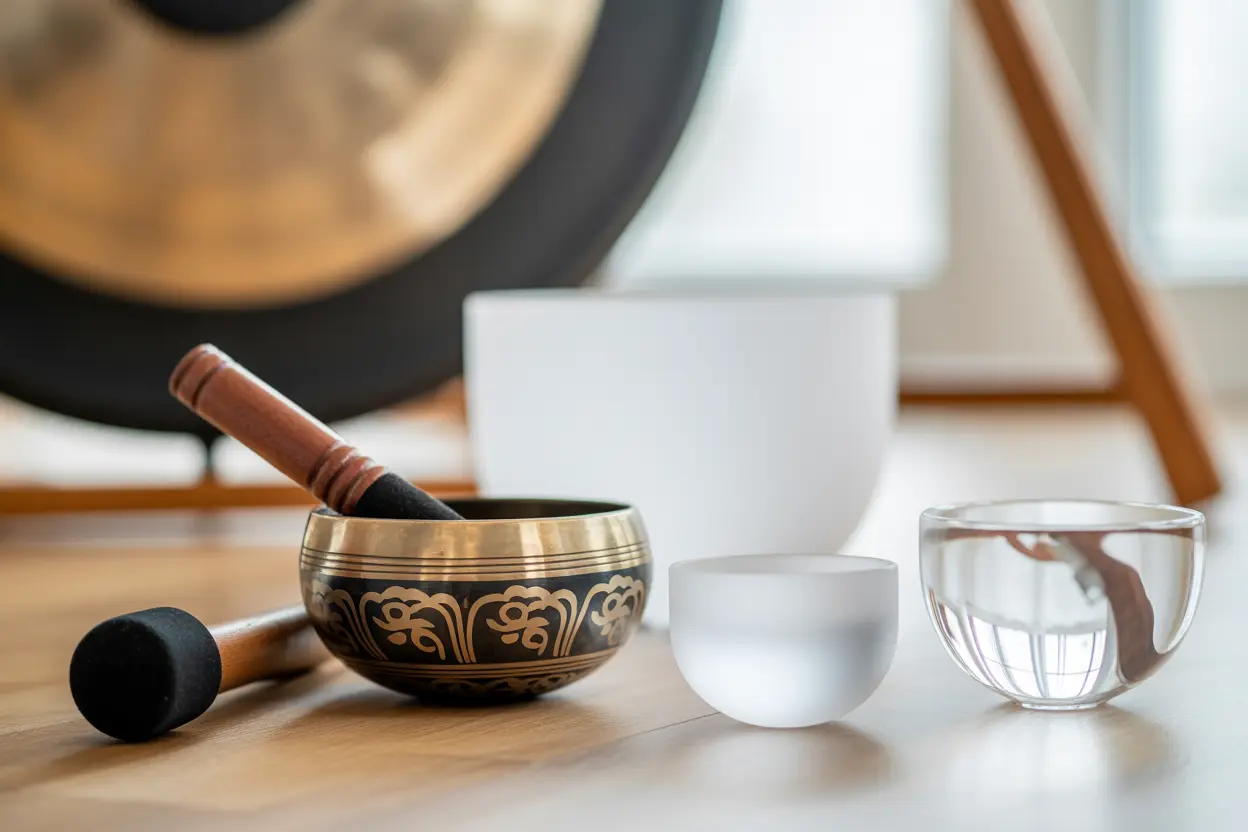
Despite its name, a sound bath doesn't involve water. Instead, it’s a deeply immersive, full-body listening experience where you are "bathed" in sound waves. The goal is to guide you into a state of deep relaxation and meditation. During sound baths, a practitioner uses various instruments to create a landscape of gentle, overlapping sounds. The therapeutic vibrations and frequencies are meant to wash over you, helping to quiet your mind and soothe your nervous system.
The sounds are created by a variety of instruments, each with a unique resonance. You’ll often hear Tibetan singing bowls, crystal bowls, gongs, chimes, and tuning forks. This practice of sound healing is rooted in the idea of "brainwave entrainment." In simple terms, the brain’s electrical waves can synchronize with the rhythm of external sounds. The frequencies produced by these instruments may help your brain shift from an active beta state to the more relaxed alpha or even meditative theta states, allowing you to access a deeper sense of calm and clarity.
Benefits of sound baths
People are drawn to sound bath therapy for its wide range of potential health benefits, which touch on mental, emotional, and physical well-being. While it isn't a replacement for medical treatment, it can be a wonderful complementary practice to support your overall health. Many find that it helps create a space for the body to reset and heal.
Here are some of the key benefits you might experience:
- Stress and anxiety relief: The calming sounds can help lower cortisol levels (the "stress hormone") and activate the parasympathetic nervous system, which is your body's "rest and digest" mode. This shift can lead to a significant reduction in feelings of stress and anxiety.
- Improved sleep: By promoting deep relaxation, sound baths can help quiet a racing mind, making it easier to fall asleep and stay asleep. Regular sessions may contribute to better sleep patterns over time.
- Enhanced mood: The meditative state induced by a sound bath can help release tension and emotional blockages, often leaving you feeling lighter, more centered, and emotionally refreshed.
- Pain management: Some people report a reduction in chronic pain and muscle tension. The vibrations can help release physical tension in the body, and the deep relaxation can alter one's perception of pain. The focus on sound offers a gentle form of meditation that can be very grounding.
It's important to remember that sound therapy is a supportive tool. If you're dealing with serious mental or physical health conditions, it should be used alongside, not in place of, professional medical or psychiatric care.
What to expect at a sound bath
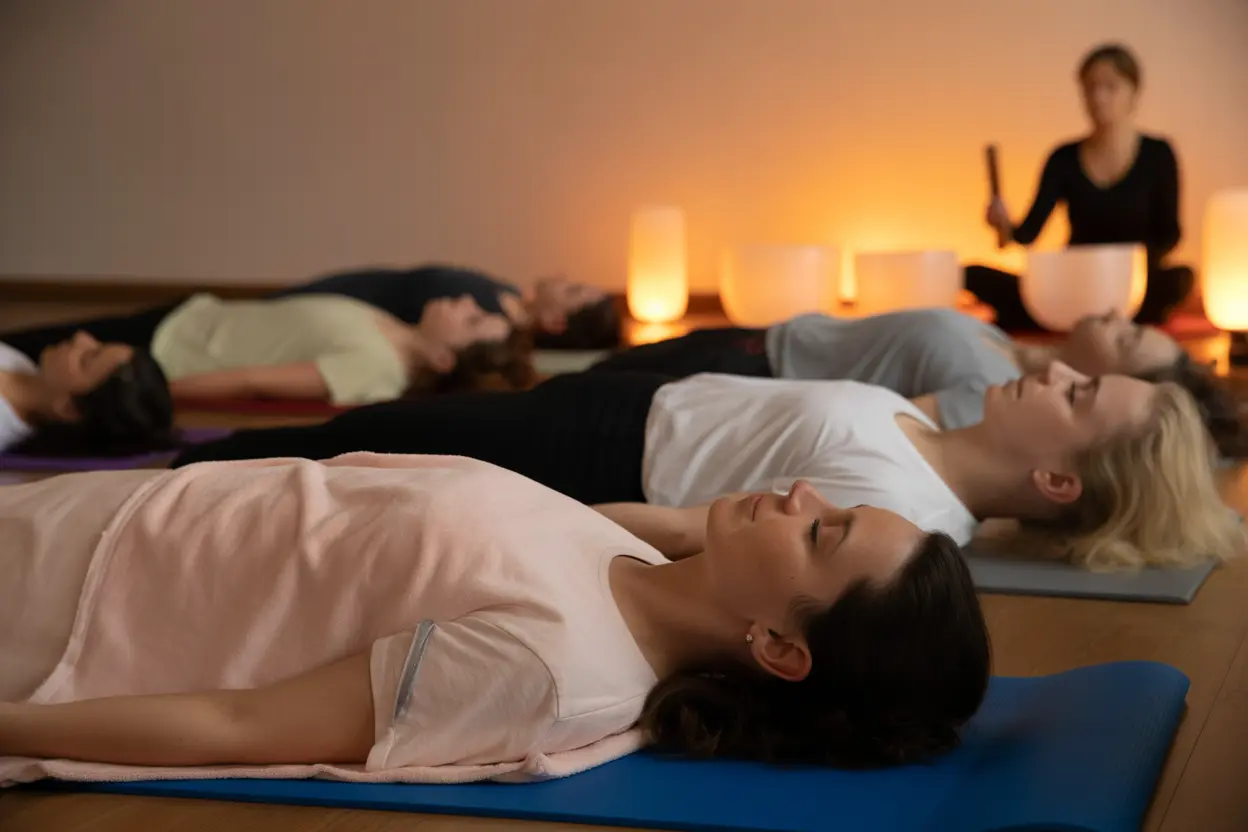
If you’ve never been to a sound bath, the experience can seem a little mysterious. In reality, it’s a very simple and passive process. Your main job is just to lie back and listen. A typical session takes place in a quiet, dimly lit room to create a peaceful atmosphere. You’ll be asked to lie down on a yoga mat, and you’ll often be encouraged to use blankets and pillows to get as comfortable as possible.
The practitioner will usually start with a brief introduction or a guided breathing exercise to help you settle in. Then, they will begin to play the instruments, moving around the room to allow the sounds and vibrations to fill the space. The session flows from one instrument to another, creating layers of sound that can feel both powerful and gentle. At the end, there is typically a period of silence to help you integrate the experience before the practitioner gently guides you back to full awareness. Every person has a unique experience; some feel deep physical relaxation, others have an emotional release, and it's perfectly normal to even fall asleep.
What do you wear to a sound bath?
When preparing for a sound bath, think comfort above all else. You'll be lying still on a yoga mat for an hour or more, so choose loose clothing that won't restrict you in any way. Yoga wear, sweatpants, soft t-shirts, and cozy sweaters are all great options. It's also a good idea to bring or wear warm socks, as your body temperature can drop when you enter a state of deep relaxation. Having a blanket nearby will ensure you stay warm and comfortable throughout the session.
Sound baths vs. music therapy
It’s easy to confuse sound baths with music therapy, but they are quite different. A sound bath is a wellness practice focused on general relaxation, while music therapy is a clinical health profession. In music therapy, a board-certified therapist uses music-based interventions to address specific, individualized goals for a patient, such as improving motor skills, processing trauma, or developing communication abilities[1]. Sound bath practitioners, on the other hand, come from a wide range of backgrounds and their primary goal is to facilitate a meditative experience.
Here’s a simple breakdown of the differences:
| Feature | Sound Bath | music therapy |
|---|---|---|
| Goal | Primary focus: General relaxation and stress reduction | Primary focus: Address specific clinical goals (physical, emotional, cognitive) |
| Practitioner | Primary focus: Varies; often a yoga teacher, sound healer, or wellness guide | Primary focus: Board-certified music therapist (MT-BC) with a degree and clinical training |
| Process | Primary focus: Passive listening experience in a group setting | Primary focus: Active process involving creating, listening, and discussing music with a therapist |
Who are sound baths suitable for?
Sound baths are suitable for almost anyone looking for a way to manage stress, deepen their meditation practice, or simply disconnect and relax. If you feel overwhelmed by the pace of modern life, a sound bath can offer a much-needed sanctuary. It’s a passive form of meditation, which makes it particularly appealing for those who find traditional silent meditation challenging. As a wellness practice, it can be a wonderful part of a broader approach to well-being, complementing other holistic programs that support mind-body health.
However, there are a few situations where caution is necessary. The powerful vibrations and sounds may not be suitable for everyone. It’s important to talk to your doctor before attending a session if you have any of the following:
- Epilepsy or a history of seizures
- Tinnitus or other hearing sensitivities
- A pacemaker or other metal implants
- You are in the first trimester of pregnancy
This doesn't necessarily mean you can't attend, but your doctor can give you personalized advice, and it's crucial to inform the practitioner of your condition beforehand. For most people, sound bath therapy is a safe and profoundly relaxing experience. When approached with awareness, it can be a powerful tool for improving your mental and physical health, helping you find a moment of peace in a noisy world.
Finding ways to manage stress and nurture your mental health is a journey, and sound bath therapy is one of many paths you can explore. If you feel that you or a loved one needs more structured support for addiction or mental health challenges, please know that help is available. You can speak with a compassionate specialist by calling (888) 568-9930. At Indiana Rehabs, we're here to help you navigate your options and find the right care. Don't hesitate to reach out to us today to take the next step.
Frequently Asked Questions About Sound Bath Therapy
How long is a sound bath?
Are you supposed to sleep during a sound bath?
How do you feel after a sound bath?
Can sound baths release trauma?
What is the difference between sound healing and a sound bath?
How often should you do a sound bath?
- de Witte, M. et al. (2022). music therapy for people with substance use disorders. Cochrane Database of Systematic Reviews. pmc.ncbi.nlm.nih.gov