
Tai Chi / Qigong Therapy in Indiana



Showing 6 of 6 Results (filtered)
Featured Rehab Centers



Addiction Rehab Centers - ARC At Bayside | Indianapolis Drug & Alcohol Rehab
Indianapolis, Indiana
5929 Lakeside Blvd, Indianapolis, IN 46278


Pinnacle Treatment Centers - Kokomo
Kokomo, Indiana
2906 S. Reed Rd. Kokomo, IN 46902



Indiana Center for Recovery - Alcohol & Drug Rehab Center Bedford
Bedford, Indiana
1600 23rd St, Bedford, IN 47421
Get Personalized Rehab Matches in 60 Seconds
Tell us a few details and we’ll show a personalized shortlist of verified Indiana rehabs, making it simple to compare options and choose your next step with confidence.



First City Recovery Center
Kokomo, Indiana
317 W Jefferson St, Kokomo, IN, 46901



Madison State Hospital
Madison, Indiana
711 Green Road, Madison, IN, 47250
Southwestern Behavioral Healthcare - Faren E. Levell Center
Evansville, Indiana
410 Mulberry St. Evansville, IN 47713
Why Trust Indiana Rehabs
As Hoosiers helping Hoosiers, we understand the unique challenges our communities face. Our team meticulously verifies every Indiana treatment center, ensuring you find trusted, local care that truly understands your journey.
About our listingsLevels of Care
Explore popular treatment options by levels of care, from flexible treatment in Outpatient centers to intensive care in Residential rehabs.
Free · 24/7 · Confidential
Talk to a Treatment Specialist
Call now to get matched with Indiana facilities that accept your insurance.
(888) 568-9930
Free
Ins. check
4.9★
Rating
HIPAA
Protected
Can't travel to a facility?
Licensed Indiana therapists via secure video — same-week appointments, evenings & weekends available.
In a world that rarely slows down, it’s easy to crave a pause, a quiet space to breathe, steady your mind, and feel at home in your own skin. Have you ever wished you could find a way to quiet the noise and connect with a sense of inner peace and strength? Tai Chi and Qigong might seem mysterious at first, but these gentle movements offer a simple, welcoming path to help you feel stronger and more centered, both mentally and physically. You don’t need special skills or experience, just a willingness to take the first, calming step.
What are Tai Chi and Qi Gong?
It’s easy to feel overwhelmed by unfamiliar terms, so let’s start with the basics. Think of Tai Chi and Qigong as two branches of the same ancient tree, rooted in the idea of balancing your body’s natural energy. They are time-honored practices from China, designed to promote health and well-being through gentle, mindful movement.
At the heart of both is the concept of "Qi" (pronounced "chee"). Imagine Qi as the life force or vital energy that flows through you. When your Qi is balanced and flowing freely, you feel healthy, vibrant, and centered. But when it’s blocked or out of balance, you might experience stress, pain, or illness. Both Tai Chi and Qigong use coordinated movement, posture, focused breathing, and meditation to help cultivate and balance this energy, creating a stronger mind-body connection.
So, how does it work? These practices guide you to move slowly and deliberately, paying close attention to your breath and the sensations in your body. This combination quiets the mental chatter, calms your nervous system, and gently strengthens your body. You can think of it as a moving meditation that nourishes you from the inside out.
What is tai chi?
Tai Chi is often described in a way that sounds beautiful and calming: “meditation in motion.” It’s a graceful form of exercise that connects a series of slow, flowing movements into a choreographed sequence or “form.” While it originally began centuries ago as a sophisticated martial art, it has since evolved into one of the most respected mind-body practices for health and relaxation.
The core of Tai Chi involves shifting your weight smoothly from one posture to the next, maintaining structural alignment and balance. As you move through the form, you coordinate your actions with deep, steady breathing. This focus on precision and flow requires concentration, which helps quiet the mind and bring you fully into the present moment. It’s this unique blend of gentle physical exercise and mental focus that makes Tai Chi a powerful tool for well-being.
What is qi gong?
Qigong is a broader and more ancient practice. The name itself translates to "energy work" or "cultivating vital energy." While Tai Chi is a specific, structured form of Qigong, Qigong itself is a whole family of practices. It includes a wide variety of exercises, some with gentle, flowing movements, some with static postures, and others that are more dynamic.
The primary goal of Qigong is to restore the healthy flow of Qi throughout the body to improve vitality. A typical Qigong session might involve repeating a single, simple movement several times while focusing on your breath. This repetition makes it incredibly accessible and easy to learn. By integrating posture, breathing techniques, and focused intention, Qigong helps release energy blockages, reduce stress, and promote healing. It’s a direct and powerful way to engage in your own health and well-being.
The difference between tai chi and qi gong
While Tai Chi and Qigong share the same roots and goals, they feel different in practice. Understanding these differences can help you decide which one might be a better fit for you right now. The main distinctions come down to complexity, focus, and variety.
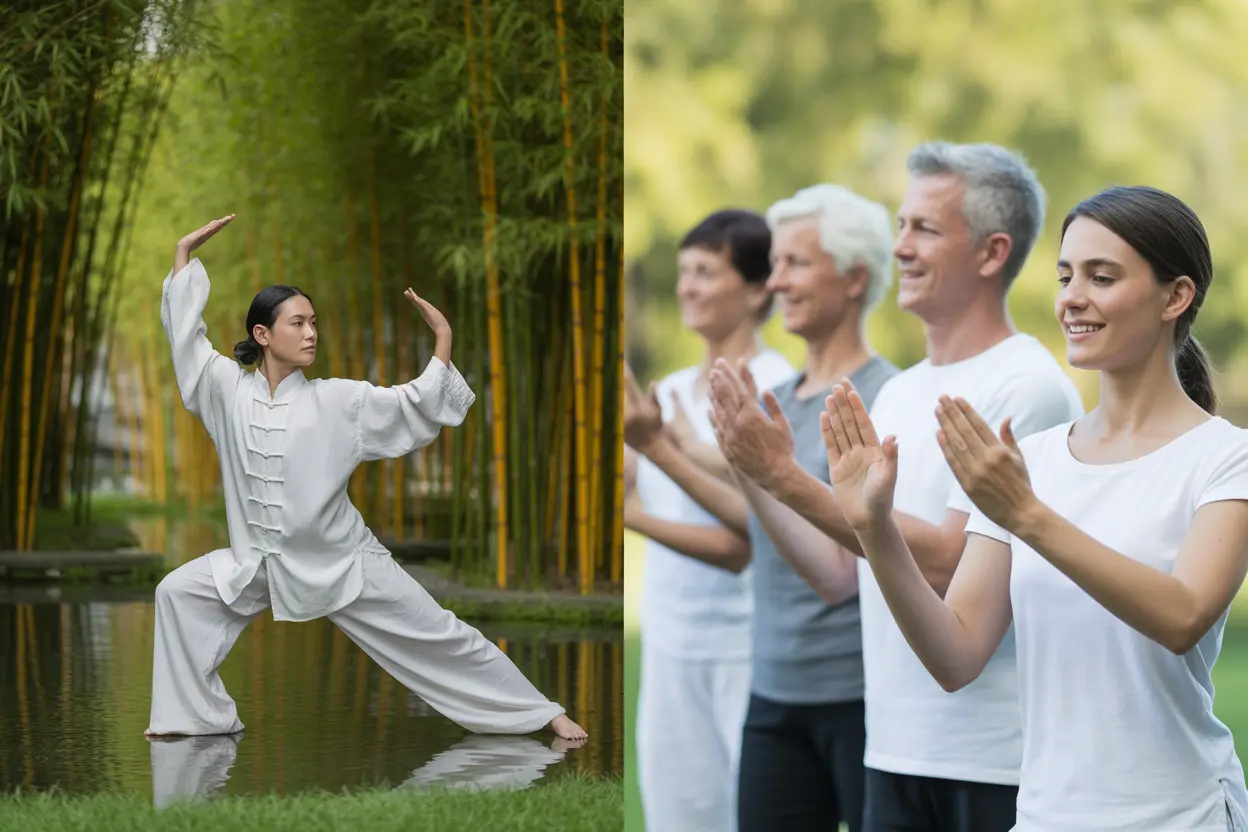
Qigong is often easier for beginners to learn because its movements are typically simpler and more repetitive. You might practice one or two movements in a session, which allows you to quickly grasp the form and focus on the internal feelings of energy and breath. Tai Chi, on the other hand, involves learning longer, more complex sequences of movements that require more memorization and coordination. While challenging, many people find deep satisfaction in mastering a Tai Chi form.
Here’s a simple breakdown to help clarify the key differences:
| Feature | Tai Chi | Qigong |
|---|---|---|
| Complexity | Structure: Involves learning a set series of complex, interconnected movements called a "form." | Structure: Often consists of individual, repetitive movements that are easier to learn and remember. |
| Focus | Primary Goal: While used for health, it retains its martial arts roots in structure and form, emphasizing balance and coordination. | Primary Goal: Primarily focused on cultivating and balancing Qi for health, healing, and vitality. |
| Variety | Scope: A specific, highly developed system of Qigong. Different styles exist (like Yang, Chen, Wu), but they are all "Tai Chi." | Scope: A broad category that includes thousands of different exercises and styles for various health purposes. |
Ultimately, neither practice is better than the other; they simply offer different paths to the same destination of improved health and well-being. If you’re looking for something gentle and easy to start, Qigong might be the perfect entry point. If you enjoy structure and the challenge of learning a graceful, flowing sequence, Tai Chi could be a wonderful journey.
Health Outcomes of Tai Chi and Qigong Interventions
It’s one thing to hear that these practices can make you feel good, but it’s another to see the real, measurable health benefits they offer. Over the years, a growing body of scientific research has shown that Tai Chi and Qigong can have a profound impact on both mental and physical health. They aren’t a magic cure, but they are powerful tools for managing chronic conditions, reducing stress, and improving your overall quality of life.
From helping you sleep better at night to easing chronic pain, the effects of these mind-body practices are wide-ranging. They work by calming the nervous system, strengthening the body, and fostering a sense of inner peace. Let's explore some of the key areas where Tai Chi and Qigong have been shown to make a real difference.
Stress Management
In our fast-paced lives, our bodies are often stuck in "fight-or-flight" mode. The slow, deliberate movements and deep breathing of Tai Chi and Qigong act as a powerful antidote. This practice helps guide your nervous system back into a "rest-and-digest" state, where your body can relax and heal. Studies have shown that regular practice can lower levels of the stress hormone cortisol.
Practitioners often report a feeling of deep calm and mental clarity after a session. By focusing on your breath and body, you learn to quiet the constant stream of worried thoughts. This mindful awareness can stay with you long after the session ends, helping you navigate daily stressors with a greater sense of ease and well-being.
Mood, Anxiety, and Depression
The connection between the mind and body is undeniable, and it’s an area where Tai Chi and Qigong truly shine. For those struggling with anxiety or depressive symptoms, these practices can be a gentle, supportive addition to traditional therapies. The mindful focus required helps interrupt the cycle of rumination, where you get stuck on negative thought patterns.
Instead of being caught in your head, you’re grounded in the present moment through physical sensation. Research has shown that Tai Chi and Qigong can lead to significant reductions in symptoms of depression and anxiety. They offer a way to actively participate in your own mental health by fostering a more positive and resilient state of mind. Integrating these practices into a holistic approach to wellness can support emotional balance and improve psychological well-being.
Physical Health and Chronic Conditions
The gentle, low-impact nature of Tai Chi and Qigong makes them ideal for people of all ages and fitness levels, especially those managing chronic health issues. The physical benefits are just as impressive as the mental ones.
- Pain Relief: If you live with chronic pain from conditions like arthritis or fibromyalgia, the slow, gentle movements can help reduce stiffness and discomfort. By improving circulation and releasing tension, these practices can offer significant pain relief without medication. Many people with knee osteoarthritis find that the strengthening and flexibility work helps improve function and reduce pain.
- Improved Balance: For older adults, maintaining balance is crucial for preventing falls. The controlled, weight-shifting movements of Tai Chi are incredibly effective at strengthening the small muscles around the ankles and improving stability. Research has shown it can reduce the risk of falls by a remarkable amount.
- Better Heart Health: The combination of gentle exercise and stress reduction can also benefit your cardiovascular system. Studies have indicated that regular practice may help lower blood pressure and improve overall heart health.
Can qigong help with mental health in substance use disorders?
When you’re on the path of recovery from a substance use disorder, you’re not just healing your body; you’re also working to heal your mind. This is where practices like Qigong and Tai Chi can be incredibly valuable. While they are not a standalone treatment for addiction, they serve as powerful complementary therapies that support a comprehensive recovery program.
Recovery is about learning new ways to cope with stress, manage emotions, and reconnect with yourself in a healthy way. Tai Chi and Qigong provide a direct, hands-on way to develop these exact skills. The focus on mindfulness teaches you to observe your thoughts and feelings without judgment, which is a crucial skill for handling cravings and difficult emotions. Studies have shown these practices can effectively reduce drug cravings in people recovering from substance dependence[1]. Furthermore, research confirms that Tai Chi and Qigong can significantly improve mental health by reducing symptoms of anxiety and depression often associated with substance use disorders[2].
By practicing these movements, you learn to tolerate discomfort and stay present instead of seeking an escape. You’re building a stronger, healthier mind-body connection that may have been damaged by substance use. It offers a quiet, grounding space to find stability and strength from within, supporting your journey toward lasting recovery.
Is qigong safe?
One of the best things about Qigong and Tai Chi is that they are considered incredibly safe for most people. Because the movements are slow, gentle, and low-impact, the risk of injury is very low, especially when you learn from a qualified instructor. It’s an approach to wellness that meets you where you are.
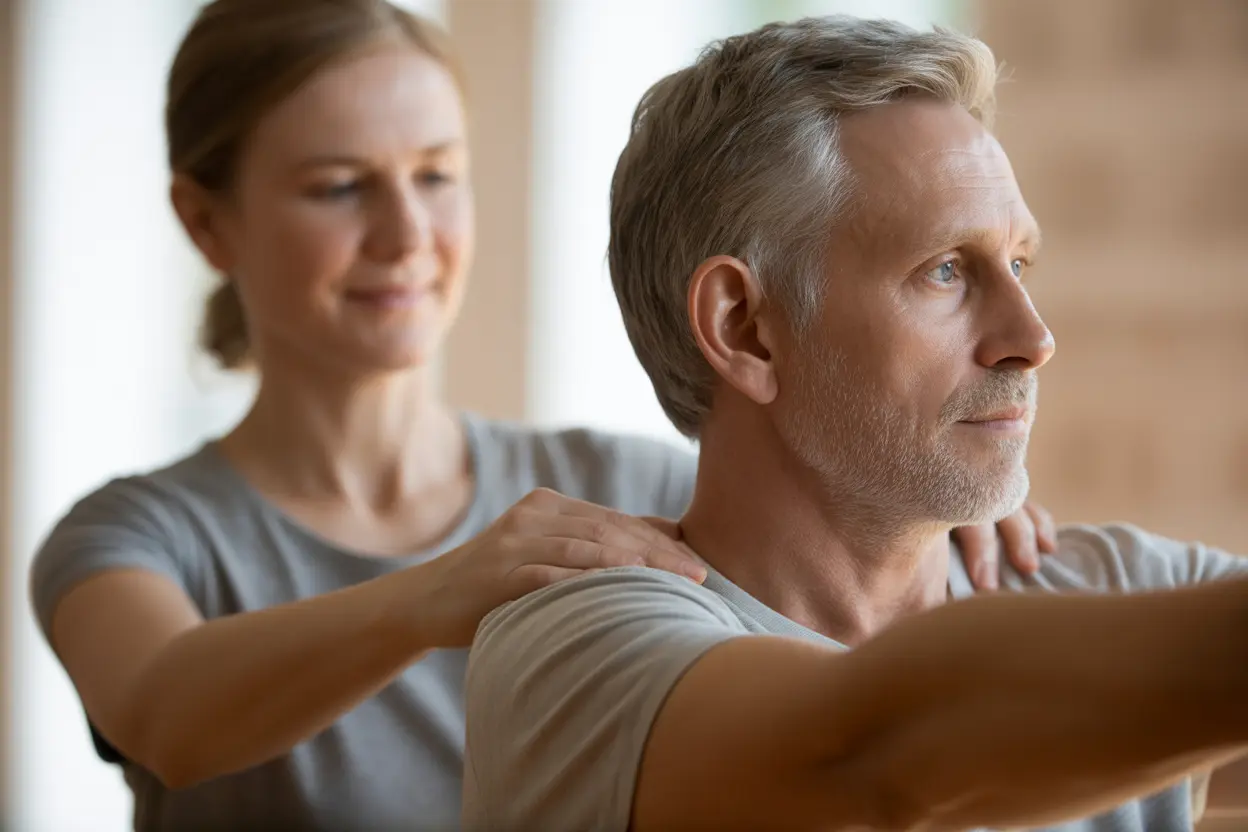
That said, it’s always wise to listen to your body. If you have a pre-existing health condition or are recovering from an injury, it’s a good idea to talk to your doctor before starting. If you’re pregnant, many gentle, modified forms of Qigong can be beneficial, but you should always consult with your healthcare provider first and find an instructor experienced in working with pregnant students.
When you first start, you might feel some minor muscle aches, just as you would with any new form of exercise. This is perfectly normal. The most important rule is to never push through sharp pain. A good instructor will encourage you to modify movements as needed and respect your body’s limits. The goal is to feel better, not to strain yourself. This emphasis on self-awareness is central to mindfulness-based recovery programs that prioritize gentle, sustainable healing.
How to Learn Health Qigong and Tai-Chi
Getting started with Qigong or Tai Chi is easier than you might think. With so many resources available, you can find a learning style that fits your life. While online videos and books can be a good introduction, most people find the greatest benefit from learning with a qualified instructor who can provide feedback and guidance.
When you're looking for an instructor or a class, it's helpful to know what to look for. Regulation for instructors can vary, but many experienced teachers have certifications from established organizations. However, a certificate doesn't always tell the whole story. A great teacher is someone who is patient, clear, and creates a welcoming, non-competitive atmosphere.
Here are a few tips for finding the right class for you:
- Look for Experience: Ask about the instructor's background and how long they've been teaching. Look for someone who has experience working with beginners.
- Observe a Class: Many studios or community centers will let you watch a class before you sign up. This gives you a feel for the instructor’s teaching style and the group's energy.
- Start with a Beginners' Course: A class designed specifically for beginners is the best place to start. You’ll be with others who are also new, and the pace will be tailored to learning the fundamentals.
- Consider the Format: In-person classes offer community and direct feedback. Online classes provide convenience and flexibility. Think about what works best for your schedule and comfort level.
Finding Tai Chi Qigong in Indiana
Finding a path to wellness shouldn’t feel like another source of stress. The good news for residents of Indiana is that holistic and mind-body therapies are becoming more integrated into health and recovery programs across the state. Many addiction and mental health treatment centers now recognize the value of practices like Tai Chi and Qigong in supporting a person's overall well-being.
These centers understand that recovery is more than just abstaining from a substance; it’s about building a fulfilling, healthy life. By offering therapies that calm the mind, strengthen the body, and nurture the spirit, they provide a more comprehensive and supportive healing experience. State regulations ensure that residential treatment facilities in Indiana meet specific standards for care, creating a safe environment for recovery[3]. Additionally, state programs are often available to help make these services more accessible[4].
At Indiana Rehabs, we’re here to help you connect with programs that fit your needs. You can explore a variety of treatment facilities in Indiana that incorporate these valuable mind-body practices. If you need help finding a certified provider, resources like the SAMHSA Treatment Locator and the Indiana DMHA website can provide lists of trusted local options.
Taking the first step toward healing is a brave choice, and you don’t have to do it alone. Tai Chi and Qigong offer a gentle yet powerful way to reconnect with your own strength and find a sense of peace in a noisy world. They can be a cornerstone of your recovery, helping you build resilience, manage stress, and create a healthier relationship with your mind and body. If you’re ready to find a program that supports your whole self, we’re here to help. You can call us anytime at (888) 568-9930 to speak with a caring specialist. At Indiana Rehabs, we believe in your ability to heal. Please feel free to reach out to us whenever you’re ready to talk.
Frequently Asked Questions About Tai Chi and Qigong
How often should I practice Tai Chi or Qigong to see benefits?
Do I need to be flexible or in good shape to start?
What should I wear to a Tai Chi or Qigong class?
Can I learn Tai Chi or Qigong effectively online?
Which is better for anxiety, Tai Chi or Qigong?
Is Tai Chi still considered a martial art?
- Liu, Z., An, D., Wang, T., et al. (09-13-2022). A Randomized Controlled Trial Evaluating the Effect of Tai Chi on Drug Craving in Drug-Dependent Women. Frontiers in Psychiatry. pmc.ncbi.nlm.nih.gov
- Liu, Q., Wang, Y., Li, X., et al. (03-08-2022). The Impact of Qigong and Tai Chi Exercise on Drug Addiction: A Systematic Review and Meta-Analysis. International Journal of Environmental Research and Public Health. pmc.ncbi.nlm.nih.gov
- U.S. Department of Health and Human Services. (August, 2021). State Compendium of Residential Treatment for Behavioral Health: Indiana. Assistant Secretary for Planning and Evaluation. aspe.hhs.gov
- Indiana Family and Social Services Administration. (06-16-2021). Substance Use Disorder (SUD)/Serious Mental Illness (SMI) Treatment. IN.gov. in.gov