
Process Addiction Rehabs

Showing 7 of 7 Results (filtered)
Featured Rehab Centers



Addiction Rehab Centers - ARC at Fox Hill | Drug & Alcohol Rehab - Mooresville Indiana
Mooresville, Indiana
12168 N Mann Rd, Mooresville, IN 46158




Adult and Teen Challenge Northern Indiana
Elkhart, Indiana
1111 W Bristol St, Elkhart, IN 46514
Get Personalized Rehab Matches in 60 Seconds
Tell us a few details and we’ll show a personalized shortlist of verified Indiana rehabs, making it simple to compare options and choose your next step with confidence.



Bethel Pointe Health and Rehabilitation Center
Muncie, Indiana
3400 W Community Dr, Muncie, IN 47304


Wheeler Mission Hunt Training Center
Bloomington, Indiana
7790 N Fish Rd, Bloomington, IN 47408
Pinnacle Treatment Centers - 2209 John R Wooden Drive
Martinsville, Indiana
2209 John R Wooden Drive, 3rd Floor Martinsville, IN 46151
Regional Mental Health Center - State Street
Hammond, Indiana
559 State St, Hammond IN 46320
Why Trust Indiana Rehabs
As Hoosiers helping Hoosiers, we understand the unique challenges our communities face. Our team meticulously verifies every Indiana treatment center, ensuring you find trusted, local care that truly understands your journey.
About our listingsLevels of Care
Explore popular treatment options by levels of care, from flexible treatment in Outpatient centers to intensive care in Residential rehabs.
Free · 24/7 · Confidential
Talk to a Treatment Specialist
Call now to get matched with Indiana facilities that accept your insurance.
(888) 568-9930
Free
Ins. check
4.9★
Rating
HIPAA
Protected
Can't travel to a facility?
Licensed Indiana therapists via secure video — same-week appointments, evenings & weekends available.
Picture yourself grabbing something you don’t need off a store shelf or saying something you instantly wish you could take back, it happens to everyone from time to time. But when these snap decisions become a daily pattern, the ripple effects can quietly start to fray your relationships and leave you feeling scattered or overwhelmed. If you’ve wondered why it’s so hard to hit pause before reacting, just know that there’s more to it than simple willpower. The journey to understanding what’s driving these choices is where real change begins, and with the right support, it’s absolutely possible to find steadiness and regain a sense of control.
What Is Impulsivity?
At its core, impulsivity is the tendency to act on a sudden urge or whim without stopping to think about the consequences. It’s that split-second decision to hit “send” on a heated email or to make a large purchase you can’t really afford. While everyone has moments of spontaneity, problematic impulsive behavior is different. It’s a recurring pattern where the urge feels so powerful that it overrides your better judgment, often leading to regret, stress, or significant life problems. These behaviors aren't planned; they're immediate reactions to an internal or external trigger.
It’s also helpful to understand how this differs from compulsive behavior. Impulsivity is about seeking immediate gratification or release without thinking ahead. You see it, you want it, you do it. Compulsivity, on the other hand, is driven by anxiety. It involves performing repetitive actions or rituals to relieve distressing thoughts or fears, like repeatedly checking if the door is locked. While both can feel uncontrollable, the motivation behind the action is the key difference. Understanding the nature of impulse control challenges is the first step toward managing them.
Causes of Impulsivity
If you're struggling with impulsivity, it's important to know that it’s not a character flaw or a simple lack of self-discipline. The tendency to act without thinking is often rooted in a complex mix of brain chemistry, genetics, and life experiences. There isn’t one single cause, but rather a combination of factors that can make it harder for someone to pause and consider the consequences of their actions.
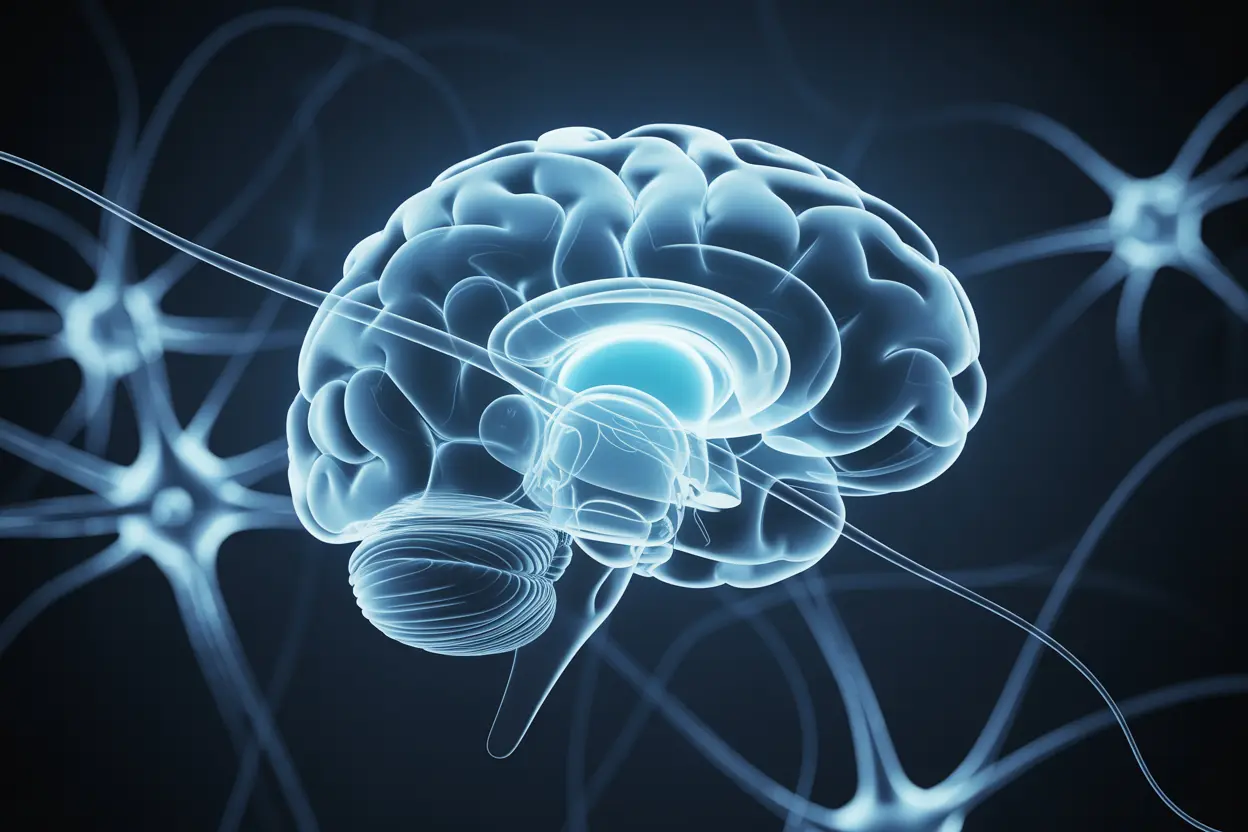
Your brain plays a huge role in all of this. The prefrontal cortex, located right behind your forehead, acts as your brain’s command center. It’s responsible for decision-making, planning, and reining in impulses. When this area isn't functioning optimally, it can be much harder to control those sudden urges. Neurotransmitters, the chemical messengers in the brain, are also key players. Imbalances in dopamine (related to reward and pleasure) and serotonin (which helps regulate mood) can disrupt communication in the brain and contribute to impulsive behaviors.
Genetic Factors
Genetics can also play a part in shaping our behavior. If you have a family history of impulse control disorders, ADHD, or substance use, you may have a genetic predisposition to impulsivity. This doesn’t mean you’re destined to struggle, but it can make you more vulnerable. Think of it like inheriting a certain hair color, genes provide the blueprint, but environmental factors often determine how those genes are expressed.
Environmental factors
Our surroundings and life experiences have a profound impact on how our brains develop and function. Growing up in a chaotic or unstable environment, for instance, can affect the development of self-control. Exposure to childhood trauma or chronic stress can put the nervous system on high alert, making it more difficult to think rationally before acting. Additionally, substance use can lower inhibitions and impair judgment, making impulsive decisions more likely.
Conditions Linked to Impulsivity
More often than not, persistent impulsivity isn’t a standalone issue but a symptom of an underlying mental health condition. When these behaviors cause significant disruption in your life, it’s often a sign that there’s something more going on. Identifying the root cause is a critical step in finding the right path toward managing these actions.
Several conditions are closely linked to impulsive behaviors. These include:
- Attention-Deficit/Hyperactivity Disorder (ADHD): Many people ask, "Does impulsive behavior mean I have ADHD?" While impulsivity is a hallmark symptom of ADHD, it doesn't automatically mean you have it. In ADHD, this often shows up as interrupting others, acting without thinking, or making hasty decisions.
- Bipolar Disorder: During manic or hypomanic episodes, individuals with bipolar disorder often experience heightened impulsivity. This can lead to behaviors like spending sprees, reckless driving, or hypersexuality.
- Borderline Personality Disorder (BPD): According to the DSM-5, impulsive behaviors in areas like spending, substance use, or self-harm are a key feature of BPD. This impulsivity is often driven by intense emotions and a desire to escape them.
- Substance Use Disorders: The relationship between substance use and impulsivity is a two-way street. Impulsive individuals may be more prone to misusing substances, and substance use, in turn, can further erode impulse control over time[1].
Impulse Control Disorders
Sometimes, impulsive behavior is the central feature of a specific diagnosis known as an impulse control disorder (ICD). This is when the inability to resist an urge or temptation leads to actions that are harmful to oneself or others, causing significant distress or impairment in daily life. Unlike the impulsivity seen in other conditions, in an ICD, the primary issue is the failure to regulate a specific behavior.
Some of these disorders include:
- Kleptomania: The recurrent inability to resist the urge to steal items that are not needed for personal use or for their monetary value.
- Pyromania: A deliberate and purposeful pattern of fire setting, driven by a fascination with or attraction to fire. One study showed that only 3% of people in prison for arson specifically met the criteria for pyromania.
- Intermittent Explosive Disorder: Characterized by recurrent behavioral outbursts representing a failure to control aggressive impulses, such as verbal aggression or physical assault.
- Oppositional Defiant Disorder (ODD) and Conduct Disorder: These are typically diagnosed in childhood or adolescence and involve patterns of angry/irritable moods, argumentative/defiant behavior, or vindictiveness. ODD affects about 3.3% of children and adolescents, while conduct disorder affects about 4%. Gambling disorder is another behavioral condition that impacts a significant number of adults in the U.S[1].
Treatment for Impulsivity
If you recognize these patterns in yourself, the most important thing to know is that effective impulsive behavior treatment is available. The goal isn’t to eliminate spontaneity from your life, but to give you the tools to manage harmful urges and make choices that align with your long-term goals. Because impulsivity can stem from so many different sources, the first step is always a professional diagnosis from a therapist or psychiatrist to understand the underlying cause. From there, a personalized treatment plan can be created, which often involves a combination of therapy and, in some cases, medications. High-quality, evidence-based treatment models are crucial for successfully managing these behaviors[2]. These programs help individuals develop healthier coping mechanisms and have been shown to lead to higher rates of treatment completion[3].

Psychotherapy
Therapy is the cornerstone of treatment for impulsivity. A skilled therapist can help you understand the triggers and thought patterns that lead to impulsive actions and develop new ways to respond. Some of the most effective approaches include:
- cognitive behavioral therapy (CBT): This type of therapy helps you identify the connection between your thoughts, feelings, and actions. With cognitive behavioral therapy, you can learn to recognize and challenge the irrational thoughts that fuel impulsive urges, replacing them with more balanced and helpful ones.
- dialectical behavior therapy (DBT): DBT is particularly effective for people who struggle with intense emotions. It teaches skills in four key areas: mindfulness, distress tolerance, emotion regulation, and interpersonal effectiveness. These skills help you ride out powerful urges without acting on them.
- Support Groups: Connecting with others who share similar struggles can be incredibly validating. Support groups provide a safe space to share experiences, learn from others, and build a sense of community, which reduces feelings of shame and isolation.
Medications
While there is no single pill for impulsivity, medications can be a valuable part of a treatment plan, especially when impulsivity is a symptom of another condition like ADHD or bipolar disorder. A psychiatrist will work to treat the underlying issue, which in turn helps reduce impulsive behaviors. Some common categories of medications include:
- SSRIs: Selective serotonin reuptake inhibitors are often used to treat depression and anxiety, but they can also help regulate mood and reduce impulsivity. In one study, full or partial remission of impulsive aggressive behaviors occurred in 46% of fluoxetine-treated patients.
- Mood Stabilizers: These are often prescribed for bipolar disorder to help prevent the extreme highs of mania that can lead to reckless behavior.
- Stimulants: For individuals with ADHD, stimulants can improve focus and self-control, which helps to decrease impulsivity.
It’s essential that any pharmacological treatment is managed by a qualified medical professional who can monitor its effectiveness and any potential side effects.
How to control impulsive behavior
Alongside professional treatment, there are practical strategies you can incorporate into your daily life to build self-control and better manage impulsive urges. Practicing these skills can help you create that crucial pause between feeling an urge and acting on it.
- Practice Mindfulness: Mindfulness is the practice of paying attention to the present moment without judgment. Techniques like deep breathing or meditation can help you become more aware of your urges as they arise, giving you the space to choose how you respond instead of reacting automatically.
- Identify Your Triggers: Pay attention to the situations, emotions, or even times of day when you’re most likely to be impulsive. Are you more impulsive when you’re stressed, bored, or tired? Knowing your triggers allows you to either avoid them or prepare a plan for how to handle them.
- Create Structure and Routines: Having a predictable daily schedule can reduce the number of unplanned moments where impulsive decisions might take over. Routines for meals, work, and sleep can provide a sense of stability and control.
- Use the 'Pause' Technique: When you feel a strong urge, make a conscious effort to wait. Tell yourself you'll wait just 10 minutes before acting. Often, the intensity of the urge will decrease during that time, allowing your rational mind to catch up.
- Recognize Warning Signs: Start to notice the physical and emotional signs that an impulse is building. Maybe your heart starts racing, or you feel a rush of excitement. Recognizing these cues can serve as an early warning system, prompting you to use one of your coping strategies.
Taking the Next Step Towards Control
Living with impulsivity can feel overwhelming, but it’s important to remember that these behaviors are not a reflection of your character, and they are treatable. Understanding the complex web of factors behind your actions is the first step, but taking action is where true change begins. Reaching out to a mental health professional is a sign of strength and self-awareness.
Whether you start by talking to your doctor, looking for a therapist, or seeking a support group, that first move is the most powerful one you can make. With the right strategies and support, it is entirely possible to quiet the noise of impulsivity and build a life that feels more intentional, stable, and fulfilling. You can start today by using resources like SAMHSA's website to find a treatment provider near you.
If you're ready to find your footing and explore your options for treatment in Indiana, our team is here to help. At Indiana Rehabs, we understand the challenges you're facing, and we can connect you with the resources you need to regain control. You don’t have to do this alone. Give us a call at (888) 568-9930 or contact our team to start your journey toward a more peaceful and balanced life.
Frequently Asked Questions About Impulsive Behavior
What is the main cause of impulsive behavior?
Can therapy help with impulsivity?
How can I control impulsive spending?
Are there medications for impulse control?
Is impulsivity a symptom of trauma?
How do you calm down impulsive thoughts?
- Substance Abuse and Mental Health Services Administration. (07-28-2025). SAMHSA releases annual National Survey on Drug Use and Health. Substance Abuse and Mental Health Services Administration. samhsa.gov
- National Institute on Drug Abuse. (07-07-2020). Tracking the quality of addiction treatment over time. National Center for Biotechnology Information. ncbi.nlm.nih.gov
- Center for Behavioral Health and Justice. (04-22-2025). Evidence based treatment for justice-involved populations in Allen County. Wayne State University. behaviorhealthjustice.wayne.edu