
Rehabs with WiFi/Internet
Showing 20 of 25 Results (filtered)
Featured Rehab Centers

1411 W County Line Rd, Suite 1411A, Greenwood, IN 46142
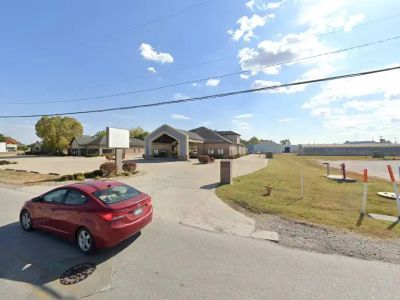
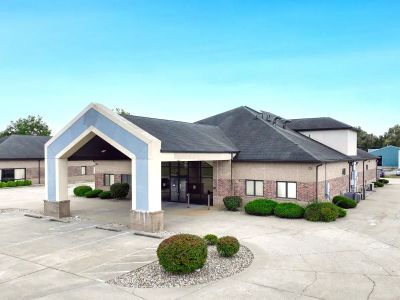
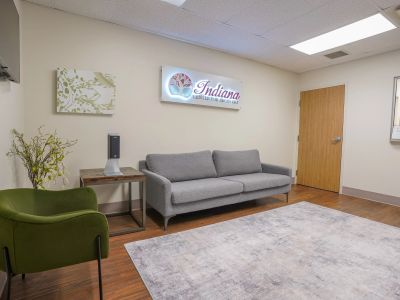
Indiana Center For Recovery- Alcohol & Drug Rehab Terre Haute
Terre Haute, Indiana
135 E Hospital Ln, Terre Haute, IN 47802
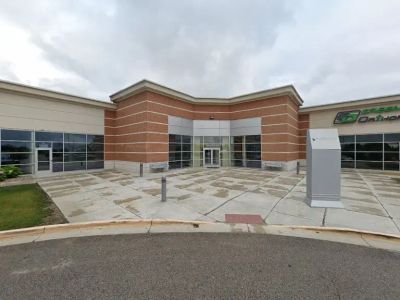


Rehab Without Walls - Indianapolis Neuro Therapy Center
Greenwood, Indiana
965 Emerson Pkwy Unit G, Greenwood, IN 46143
Get Personalized Rehab Matches in 60 Seconds
Tell us a few details and we’ll show a personalized shortlist of verified Indiana rehabs, making it simple to compare options and choose your next step with confidence.



Boca Recovery Center - Indiana Drug and Alcohol Rehab
Huntington, Indiana
3040 W Park Dr, Huntington, IN 46750
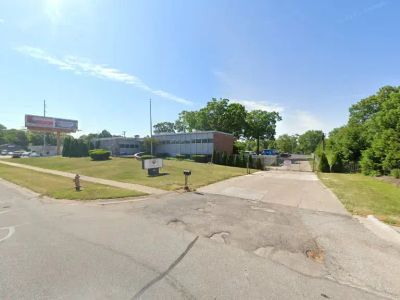

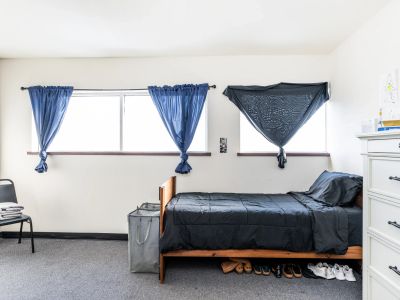
Cardinal Recovery
Franklin, Indiana
1130 West Jefferson St, Franklin, IN, 46131



Elevate Recovery
Kokomo, Indiana
209 N Webster St, Kokomo, IN 46901



Indiana Center for Recovery - Alcohol & Drug Rehab Center Bedford
Bedford, Indiana
1600 23rd St, Bedford, IN 47421


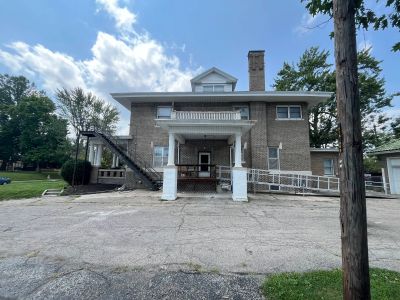
Monarch Recovery
Kokomo, Indiana
516 W Walnut St, Kokomo, IN 46901



The Loft Recovery
Kokomo, Indiana
1700 S Main St, Kokomo, IN 46902
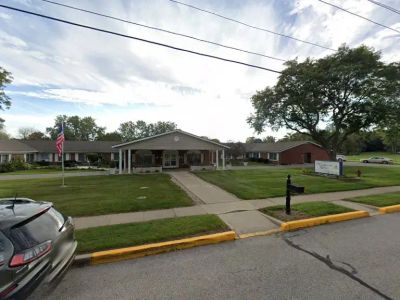


Northern Lakes Nursing & Rehabilitation Center
Angola, Indiana
516 Williams St, Angola, IN 46703



Forum at the Crossing
Indianapolis, Indiana
8505 Woodfield Crossing B Ofc, Indianapolis, IN 46240



Addiction Rehab Centers - ARC
Indianapolis, Indiana
7322 Noel Road, Indianapolis, IN, 46278
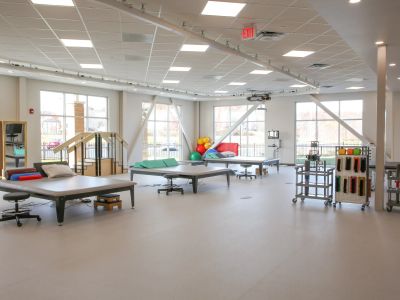
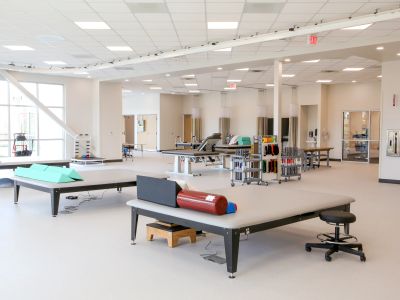

Bloomington Regional Rehabilitation Hospital
Bloomington, Indiana
3050 N Lintel Dr, Bloomington, IN 47404
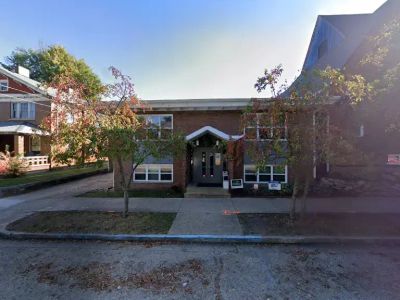


Next Step Foundation Terra Haute
Terre Haute, Indiana
619 Washington Ave, Terre Haute, IN 47802
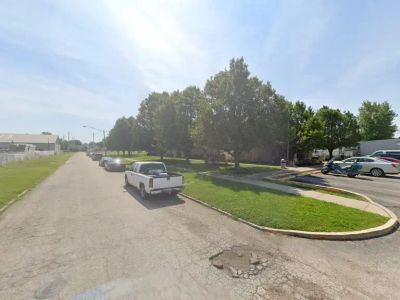


Aspire Indiana Health - Progress House
Indianapolis, Indiana
201 Shelby St., Indianapolis, IN, 46202
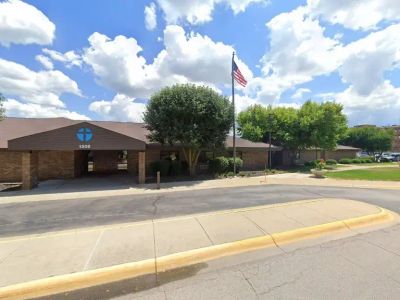

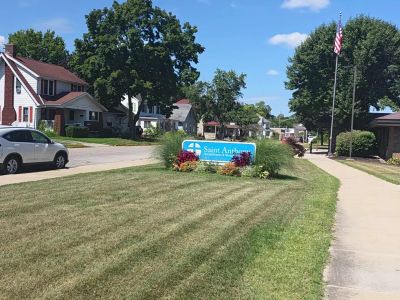
Saint Anthony Rehabilitation & Nursing Center
Lafayette, Indiana
1205 N 14th St, Lafayette, IN 47904

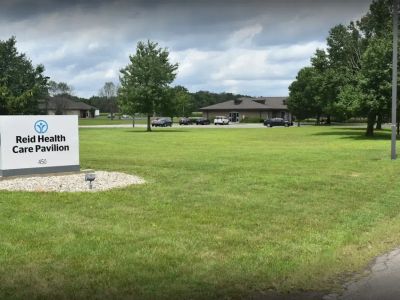
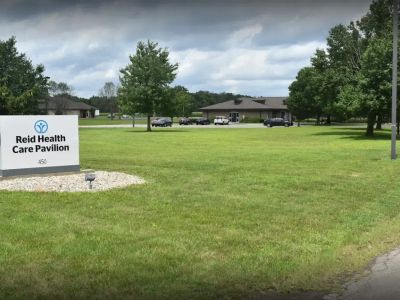
Fayette Memorial Hospital - Regional Care Pavillion
Connersville, Indiana
450 Erie Avenue, Connersville, IN 47331


Roadways to Recovery
Bedford, Indiana
2620 Industrial Park Dr, Bedford, IN 47421
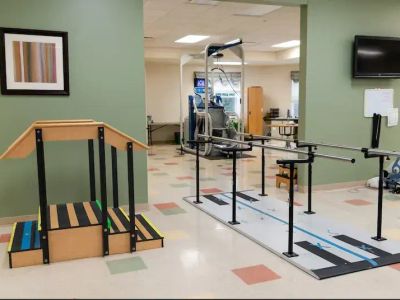


Addison Pointe Health & Rehabilitation Center
Chesterton, Indiana
780 Dickinson Rd, Chesterton, IN 46304



Grey Stone Health & Rehabilitation Center
Fort Wayne, Indiana
10445 Dupont Oaks Blvd, Fort Wayne, IN 46845
Why Trust Indiana Rehabs
As Hoosiers helping Hoosiers, we understand the unique challenges our communities face. Our team meticulously verifies every Indiana treatment center, ensuring you find trusted, local care that truly understands your journey.
About our listingsLevels of Care
Explore popular treatment options by levels of care, from flexible treatment in Outpatient centers to intensive care in Residential rehabs.
Free · 24/7 · Confidential
Talk to a Treatment Specialist
Call now to get matched with Indiana facilities that accept your insurance.
(888) 568-9930
Free
Ins. check
4.9★
Rating
HIPAA
Protected
Can't travel to a facility?
Licensed Indiana therapists via secure video — same-week appointments, evenings & weekends available.
In a world where your phone rarely leaves your side and life moves at the speed of a text, it’s easy to wonder—how will you keep up with work, family, or just everyday responsibilities if you step away for treatment? Recovery can feel like you’re being asked to disconnect when you’re already stretched thin. The good news is, you don’t have to choose between healing and staying connected; many Indiana rehabs now offer WiFi and flexible electronics policies to help you find the right balance for your journey.
Do Rehabs Have Internet Access and WiFi?
Yes, many modern rehab facilities in Indiana offer internet access and WiFi. While treatment used to mean a complete digital detox, centers now recognize that staying connected to supportive family, work, and personal responsibilities can be a vital part of a successful recovery. The approach to addiction treatment has evolved, incorporating technology to support healing rather than hinder it. In fact, the use of internet-based systems and telehealth services in treatment facilities has been steadily increasing nationwide[1]. Finding rehabs with WiFi is more common than ever, but it’s important to remember that access is almost always structured. Each facility has its own set of policies designed to ensure that technology supports your recovery without becoming a distraction. These rules help create a focused environment where you can dedicate your energy to healing while still managing essential parts of your life.
What Are the Benefits of Internet Access During Rehab Treatment?
Having internet access during your time in rehab can feel like a lifeline, helping you balance the deep, intensive work of recovery with the practical needs of daily life. When used in a structured way, technology offers meaningful benefits that can support your healing journey. It’s less about scrolling and more about strengthening your foundation for a lasting recovery.

Some of the key advantages include:
- Staying Connected with Your Support System: Regular contact with loved ones can be incredibly encouraging. Video calls and emails allow you to maintain close bonds with family and friends who are cheering you on, which is crucial for morale and long-term success.
- Managing Essential Responsibilities: Life doesn’t stop when you enter treatment. Internet access lets you handle necessary tasks like paying bills, arranging childcare, or communicating with an employer. Some facilities even offer business centers for these purposes, reducing outside stressors so you can focus on your therapy.
- Accessing Online Recovery Tools: The internet is home to a wealth of resources that can enhance your treatment. You can attend virtual support group meetings, use recovery-focused apps, or participate in telehealth therapy sessions, all of which contribute to building a strong support network[2].
- Engaging in Your Health Education: Taking an active role in understanding your health is empowering. WiFi allows you to research topics related to addiction and recovery, helping you become a more informed and engaged participant in your own treatment plan.
Why Are There Restrictions On Electronics In Rehab?
While staying connected has its benefits, treatment centers place rules on electronics for important therapeutic reasons. These policies aren't about punishment; they’re about protecting you and creating a safe space dedicated to healing. The primary goal is to minimize distractions. Recovery requires intense focus, and constant notifications, social media updates, and outside drama can pull your attention away from vital therapy sessions and self-reflection. Restrictions help you immerse yourself fully in the recovery process. Another key reason is to prevent exposure to triggers. The internet can be a direct line to people, places, and content that could jeopardize your progress. Limiting access helps shield you from old habits and negative influences, reducing the risk of relapse. Finally, these rules are essential for maintaining the privacy and confidentiality of all residents. Prohibiting photos and videos ensures that everyone feels safe and that their journey remains private, which is a cornerstone of any reputable, state-certified treatment facility[3]. You can find more details about these policies on our FAQ page.
What Are The Rules For Phones And Other Electronics In Rehab?
Every rehab facility has its own unique set of rules for electronics, so it’s always best to ask for specifics before you check in. However, most policies follow a similar structure designed to balance connection with recovery. It’s common for centers to have an initial "blackout" or "detox" period, typically lasting from a few days to a week. During this time, all personal electronic devices are securely stored to help you acclimate to the program and focus entirely on your health. After this initial phase, you’ll often be granted access to your devices during designated times, such as in the evenings or on weekends, outside of therapy hours. This structured approach ensures that your use of electronics doesn’t interfere with your treatment schedule. Usage might be supervised, especially at first, to ensure it remains positive and recovery-focused.
| Device | Common Rules | Primary Purpose |
|---|---|---|
| Cell Phones & Smartphones | Access: Often allowed after an initial blackout period, during designated hours. | Purpose: Contacting family and sober supports. |
| Laptops & Tablets | Access: Typically permitted for approved work, school, or telehealth appointments. | Purpose: Managing essential responsibilities. |
| E-Readers (e.g., Kindle) | Access: Generally allowed, but may require staff to approve and load content. | Purpose: Reading and relaxation. |
| Gaming Consoles & Cameras | Access: Almost always prohibited to minimize distractions and protect privacy. | Purpose: N/A |
Do Rehabs Allow Cell Phones?
Yes, many rehabs allow cell phones, but with clear rules. Given that a large number of Indiana residents rely on their smartphones as their primary way to access the internet, facilities understand that these devices are essential for many people[4]. After the initial detox period, access to your phone is often treated as a privilege that you earn as you progress through your treatment plan. Usage is typically restricted to personal time in the evenings or on weekends, and phones are not allowed during therapy sessions, group meetings, or other scheduled activities. This ensures you remain present and engaged when it matters most. You can explore a list of Indiana facilities where phones are allowed to see which centers offer this flexibility.
Do Rehabs Allow Computers and Laptops?
Policies for computers and laptops are usually more specific than for phones. While you might not have unlimited access, many facilities permit their use for defined, productive purposes. If you need to keep up with work tasks, attend online classes, or have telehealth appointments with outside specialists, the facility will often work with you to provide structured time for you to use your laptop. This access typically happens in a designated common area or business center rather than in your private room. This helps maintain a boundary between your personal living space and outside obligations. For general internet browsing or connecting with family, some centers offer community computers, providing a controlled and equitable way for all residents to get online when needed.
How to Find Technology-Friendly Rehab Centers
Finding a rehab center in Indiana that fits your need to stay connected is easier than you might think. The key is to know what to ask and where to look. Start by clearly defining what "technology-friendly" means for you. Do you need daily access for work, or just the ability to call your kids a few times a week? Having a clear idea of your needs will help you narrow down your options and find a facility with policies that align with your recovery goals.

When you're ready to research, here are some practical steps you can take:
- Use Online Directories: Websites like the SAMHSA's FindTreatment.gov locator and our own directory allow you to filter Indiana treatment facilities by amenities. You can specifically search for centers that offer WiFi or have policies that allow phones.
- Ask the Right Questions: When you call a potential facility, don't just ask if they have WiFi. Get into the details. Here’s a checklist of questions to ask an admissions coordinator:
- Is WiFi available throughout the facility or only in common areas?
- What is your policy on cell phones and laptops? Is there an initial blackout period?
- What are the specific hours when device usage is permitted?
- Are there any restrictions on the types of websites or apps I can access?
- Do you offer community computers or a business center for residents?
- Speak with an Admissions Specialist: The best way to get clear answers is to talk to someone directly. The admissions team can walk you through their specific policies and help you understand how their approach to technology will fit into your treatment plan.
Does Insurance Cover Technology-Friendly Rehab?
This is a common and important question. In short, your health insurance covers the cost of your clinical treatment, not the facility's amenities. Things like therapy, medical care, and counseling are the core services your insurance plan will evaluate for coverage. The good news is that the availability of WiFi doesn't typically affect whether your insurance will approve your stay or how much you’ll pay out-of-pocket for the actual treatment. While Indiana Medicaid and most private insurance plans cover substance use disorder treatment, they don't pay for amenities like a gym, pool, or internet access[5]. The most important step is to confirm that your insurance is accepted for the level of care you need, such as detox or residential treatment. You can take a confidential, no-obligation first step by letting us help you verify your insurance coverage today.
Choosing to seek help is the most important decision you can make, and you don’t have to sacrifice your real-world responsibilities to do it. Finding a treatment center with WiFi is about matching your recovery needs with a facility whose policies support your life. The right balance of connection and focus is out there. Remember, healing is possible, and a healthier, more connected future is within your reach. When you’re ready to take the first step, give us a call at (888) 568-9930. Our team at Indiana Rehabs is here to help you find the support you deserve. You can also contact us online to learn more about your options.
- Substance Abuse and Mental Health Services Administration. (2020). National Survey of Substance Abuse Treatment Services (N-SSATS), 2020. samhsa.gov
- (10-19-2023). Healthy Indiana Plan (HIP) substance use disorder (SUD) component summative evaluation report. Medicaid.gov. medicaid.gov
- U.S. Department of Health and Human Services. (August, 2021). State residential treatment for behavioral health: Indiana. Office of the Assistant Secretary for Planning and Evaluation. aspe.hhs.gov
- Indiana Broadband Office. (02-07-2024). Indiana digital equity plan. State of Indiana. in.gov
- Indiana Health Coverage Programs. (06-16-2021). Substance use disorder (SUD)/serious mental illness (SMI) treatment. in.gov. in.gov