Rehabs for Attention-Deficit/Hyperactivity Disorder (ADHD)

Managing Attention-Deficit/Hyperactivity Disorder (ADHD) while navigating recovery requires focused support. Many mental health and addiction treatment centers provide integrated care, combining substance use treatment with executive skills training and medication management. Explore licensed rehabs with programs designed to help you build structure and find balance.
Attention-Deficit/Hyperactivity Disorder (ADHD) hero
Match

Showing 16 of 16 Results (filtered)

Picture yourself in a bustling Indianapolis office, losing track of details on a big project, or maybe at your kitchen table in a quiet Indiana town, gently encouraging your child to finish just one more homework assignment. The struggle to focus, organize, and keep up can feel like pushing through fog, no matter how hard you try. If you recognize these moments and feel like you’re navigating them alone, know that there’s real hope. Understanding ADHD is the first, empowering step—and there are effective, accessible treatment options waiting for you right here in Indiana.
Red Ribbon Recovery Indiana - Image 9 of 9Red Ribbon Recovery Indiana - Image 1 of 9Red Ribbon Recovery Indiana - Image 2 of 9

Red Ribbon Recovery Indiana

Greenwood, Indiana

Verified
(31 reviews)
Insurance Accepted

1411 W County Line Rd, Suite 1411A, Greenwood, IN 46142

PHP (Partial Hospitalization Program) Intensive Outpatient Outpatient more 2
Centerstone - Nashville - Addiction treatment center in Nashville, Indiana

Centerstone - Nashville

Nashville, Indiana

Verified
(8 reviews)

91 West Mound Street, Nashville, IN 47448

Virtual Telehealth Inpatient (Residential) Outpatient
Ascension Medical Group St. Vincent - Linton Cardio Pulmonary Rehabilitation - Image 4 of 4Ascension Medical Group St. Vincent - Linton Cardio Pulmonary Rehabilitation - Image 1 of 4Ascension Medical Group St. Vincent - Linton Cardio Pulmonary Rehabilitation - Image 2 of 4
(1 reviews)

1185 County Rd 1000 W, Linton, IN 47441

Get Personalized Rehab Matches in 60 Seconds

Tell us a few details and we’ll show a personalized shortlist of verified Indiana rehabs, making it simple to compare options and choose your next step with confidence.

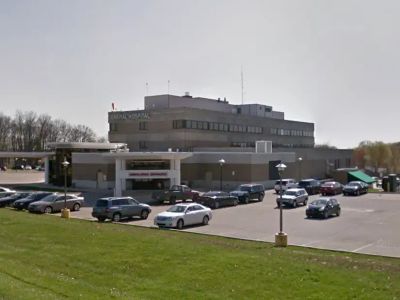
Foundations Counseling Center - Image 14 of 14Foundations Counseling Center - Image 1 of 14Foundations Counseling Center - Image 2 of 14

Foundations Counseling Center

Merrillville, Indiana

(1 reviews)
Insurance Accepted

8973 Broadway, Merrillville, IN 46410
Outpatient
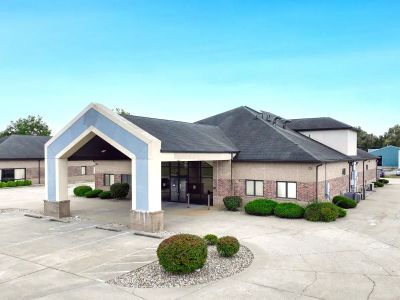
Indiana Center For Recovery- Alcohol & Drug Rehab Terre Haute - Image 10 of 10Indiana Center For Recovery- Alcohol & Drug Rehab Terre Haute - Image 1 of 10Indiana Center For Recovery- Alcohol & Drug Rehab Terre Haute - Image 2 of 10
(7 reviews)
Insurance Accepted

135 E Hospital Ln, Terre Haute, IN 47802
Detox Inpatient (Residential) Intensive Outpatient more 4
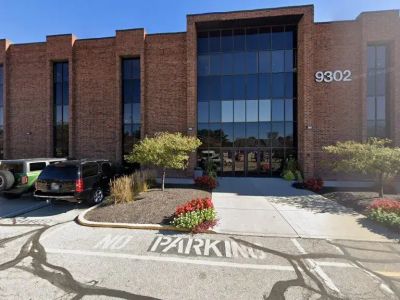
Spark Recovery - Outpatient Drug Addiction Treatment Indianapolis - Image 14 of 14Spark Recovery - Outpatient Drug Addiction Treatment Indianapolis - Image 1 of 14Spark Recovery - Outpatient Drug Addiction Treatment Indianapolis - Image 2 of 14
(100 reviews)

9302 N Meridian St Ste 101, Indianapolis, IN 46260

PHP (Partial Hospitalization Program) Intensive Outpatient Outpatient
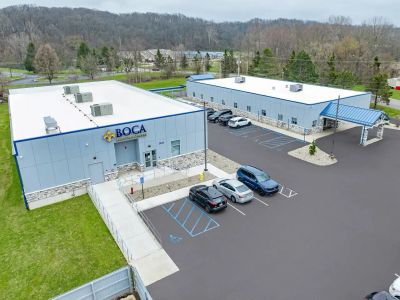
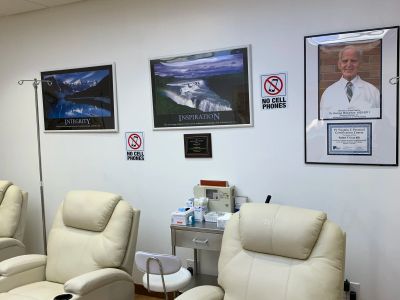
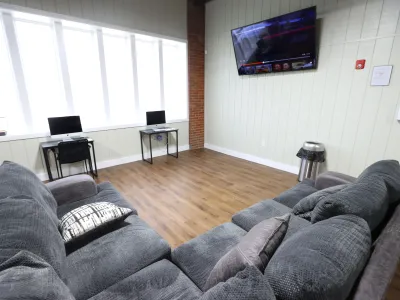
Boca Recovery Center - Indiana Drug and Alcohol Rehab - Image 20 of 20Boca Recovery Center - Indiana Drug and Alcohol Rehab - Image 1 of 20Boca Recovery Center - Indiana Drug and Alcohol Rehab - Image 2 of 20
(73 reviews)
Insurance Accepted

3040 W Park Dr, Huntington, IN 46750
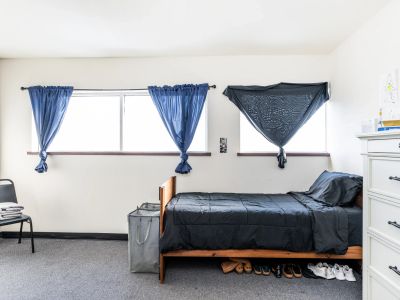
Detox Inpatient (Residential) Intensive Outpatient more 5
Cardinal Recovery - Image 13 of 13Cardinal Recovery - Image 1 of 13Cardinal Recovery - Image 2 of 13

Cardinal Recovery

Franklin, Indiana

(312 reviews)
Insurance Accepted

1130 West Jefferson St, Franklin, IN, 46131

Detox Inpatient (Residential) Outpatient more 5
Indiana Center for Recovery - Alcohol & Drug Rehab Center Bedford - Image 13 of 13Indiana Center for Recovery - Alcohol & Drug Rehab Center Bedford - Image 1 of 13Indiana Center for Recovery - Alcohol & Drug Rehab Center Bedford - Image 2 of 13
(139 reviews)
Insurance Accepted

1600 23rd St, Bedford, IN 47421

Medical Detox Psychiatric Inpatient Hospital Residential/Inpatient Rehab more 5
Avenues Recovery Center at Indianapolis - Image 10 of 10Avenues Recovery Center at Indianapolis - Image 1 of 10Avenues Recovery Center at Indianapolis - Image 2 of 10
(154 reviews)
Insurance Accepted

7960 Shadeland Ave, Indianapolis, IN 46250

Detox Residential/Inpatient Partial Hospitalization Program (PHP) more 2
Kentuckiana Integrative Medicine - Image 20 of 20Kentuckiana Integrative Medicine - Image 1 of 20Kentuckiana Integrative Medicine - Image 2 of 20

Kentuckiana Integrative Medicine

Jeffersonville, Indiana

(54 reviews)
Insurance Accepted

405 E Court Ave #102, Jeffersonville, IN 47130
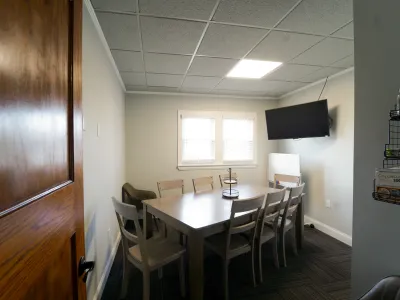
Virtual Telehealth Detox Intensive Outpatient
First City Recovery Center - Image 20 of 20First City Recovery Center - Image 1 of 20First City Recovery Center - Image 2 of 20
(58 reviews)
Insurance Accepted

317 W Jefferson St, Kokomo, IN, 46901

Detox Inpatient (Residential) Intensive Outpatient more 4
Indiana Center for Recovery - Alcohol & Drug Rehab Center Mishawaka South Bend - Image 20 of 20Indiana Center for Recovery - Alcohol & Drug Rehab Center Mishawaka South Bend - Image 1 of 20Indiana Center for Recovery - Alcohol & Drug Rehab Center Mishawaka South Bend - Image 2 of 20
(422 reviews)
Insurance Accepted

215 W 4th St, Mishawaka, IN 46544

Aftercare Support Detox Inpatient (Residential) more 4
Recovery Centers of America at Indianapolis - Image 20 of 20Recovery Centers of America at Indianapolis - Image 1 of 20Recovery Centers of America at Indianapolis - Image 2 of 20
(164 reviews)
Insurance Accepted

8530 Township Line Rd, Indianapolis, IN 46260

Inpatient Outpatient
Woodview Psychology Group - Addiction treatment center in Indianapolis, Indiana

Woodview Psychology Group

Indianapolis, Indiana

(7 reviews)

70 E 91st Street Suite 210, Indianapolis, IN, 46240
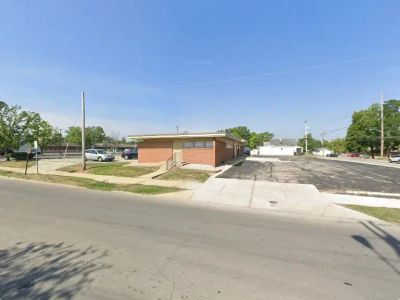
Outpatient
Parkview Health - Decatur Office - Addiction treatment center in Decatur, Indiana
(8 reviews)

809 High Street, Decatur, IN, 46733

Virtual Telehealth

Picture yourself in a bustling Indianapolis office, losing track of details on a big project, or maybe at your kitchen table in a quiet Indiana town, gently encouraging your child to finish just one more homework assignment. The struggle to focus, organize, and keep up can feel like pushing through fog, no matter how hard you try. If you recognize these moments and feel like you’re navigating them alone, know that there’s real hope. Understanding ADHD is the first, empowering step, and there are effective, accessible treatment options waiting for you right here in Indiana.

What is ADHD?

Attention Deficit Hyperactivity Disorder (ADHD) is a common neurodevelopmental disorder that affects how the brain manages attention and controls impulses. It's not a sign of laziness or a lack of willpower; it's a medical condition with deep roots in brain function. ADHD is typically defined by a persistent pattern of inattention, hyperactivity, and impulsivity that gets in the way of daily life and development[1]. Here in Indiana, it's estimated that about 9.7% of children have received an ADHD diagnosis, which shows just how many families are navigating this journey[2]. The symptoms of ADHD can show up in a few different ways, leading to three main presentations of the disorder:

  • Predominantly Inattentive Presentation: This is when it’s hard to organize or finish tasks, pay attention to details, or follow instructions. People with this type are often easily distracted or forgetful.
  • Predominantly Hyperactive-Impulsive Presentation: This involves feeling a need for constant movement. Someone might fidget, talk a lot, and find it hard to sit still. Impulsivity can mean interrupting others or making hasty decisions without thinking them through.
  • Combined Presentation: This is when symptoms of both inattention and hyperactivity-impulsivity are equally present.

Understanding the specifics of Attention Deficit Hyperactivity Disorder is the first step toward finding the right support and strategies that work for you or your loved one.

What are the symptoms of ADHD?

ADHD doesn't look the same in everyone. The symptoms can vary quite a bit based on a person’s age, gender, and unique personality. Generally, they fall into two main categories: inattention and hyperactivity-impulsivity. While one person might struggle most with focus and organization, another might find restlessness and impulsivity to be their biggest challenges. These differences are especially clear when comparing how ADHD presents in children versus adults.

A focused woman sits on her couch with a laptop and sticky notes, proactively managing her tasks in a sunlit Indiana apartment.

School-age children and adolescents

For parents and teachers, recognizing the signs of ADHD in children is key to getting them the support they need to thrive. Symptoms often become more noticeable when a child starts school. It's also worth noting that boys are more than twice as likely to be diagnosed as girls, partly because girls' symptoms can be less disruptive and easier to overlook[3].

Common symptoms of inattention in children include:

  • Making careless mistakes in schoolwork
  • Having trouble holding attention during tasks or play
  • Seeming not to listen, even when spoken to directly
  • Struggling to follow through on instructions and failing to finish tasks
  • Having difficulty organizing tasks and activities
  • Losing things necessary for tasks, like school supplies or toys

Common symptoms of hyperactivity and impulsivity include:

  • Fidgeting with hands or feet, or squirming in their seat
  • Leaving their seat when staying seated is expected
  • Running or climbing in situations where it's not appropriate
  • Being unable to play or take part in activities quietly
  • Talking excessively and interrupting others’ conversations[1]

ADHD in Adults

Many people think of ADHD as a childhood condition, but studies show that symptoms often continue into adulthood for a significant number of individuals[3]. As people age, symptoms can change. For example, the constant motion of hyperactivity in children may evolve into a feeling of intense internal restlessness in adults. The challenges simply shift from the classroom to the workplace, home, and relationships.

Common symptoms in adults include:

  • Difficulty with time management and organization
  • Chronic procrastination and trouble starting or finishing tasks
  • Poor listening skills and frequently interrupting others
  • Problems with emotional regulation, like a quick temper or mood swings
  • Impulsivity, which can lead to issues with spending or decision-making
  • A persistent feeling of being overwhelmed or unable to cope with daily responsibilities

How is ADHD diagnosed?

If you suspect you or your child might have ADHD, the next step is getting a professional diagnosis. It’s important to know that there isn’t a simple blood test or brain scan that can diagnose ADHD. Instead, a qualified healthcare provider, like a psychiatrist, psychologist, or pediatrician, will conduct a comprehensive evaluation.

This multi-step process is designed to get a full picture of the symptoms and rule out other conditions that might look similar, such as anxiety, depression, or certain learning disabilities. A thorough evaluation and assessment typically includes several key components:

  • Clinical Interviews: Your doctor will talk with you (and your child, if applicable) about current symptoms, past challenges, and family medical history. They may also want to speak with teachers or other family members.
  • Medical History and Physical Exam: This helps ensure that there aren't any other medical issues causing the symptoms.
  • Symptom Checklists and Rating Scales: These standardized tools help measure the severity and frequency of ADHD symptoms based on the criteria in the Diagnostic and Statistical Manual of Mental Disorders (DSM-5)[1].

Getting an accurate diagnosis is a crucial step forward. It opens the door to understanding what’s really going on and allows you to find the most effective treatment options available.

How is ADHD treated?

Once a diagnosis is confirmed, the focus shifts to creating a plan for ADHD treatment. The great news is that ADHD is very manageable. The most effective approach is usually a combination of medication and therapy, tailored to the specific needs of the individual. There is no one-size-fits-all solution; a good treatment plan will consider a person's age, symptoms, and personal goals. For many families, lifestyle adjustments and parent training also play a big role in creating a supportive environment where someone with ADHD can succeed.

A caring healthcare provider listens to a patient in a bright Indiana clinic, working together on a personalized ADHD treatment plan.

Medications

Medication is often a cornerstone of ADHD treatment because it can effectively manage the core symptoms of inattention, hyperactivity, and impulsivity. There are two main classes of medications approved for treating ADHD:

  • Stimulants: These are the most commonly prescribed medications for ADHD. They work by increasing the brain chemicals dopamine and norepinephrine, which play a key role in thinking and attention. Stimulant medications have been shown to be effective for 70–80% of children with ADHD[1].
  • Non-Stimulants: These are an alternative if stimulants cause bothersome side effects or aren't effective. They can also be used in combination with a stimulant to improve results.

Like any medication, ADHD treatments can have side effects, such as decreased appetite, sleep problems, or headaches. It’s important to work closely with your doctor to find the right medication and dosage and to monitor any side effects.

Behavior therapy, including training for parents

For children, especially those of a young age, behavior therapy is a critical part of treatment. It’s often the first-line recommendation before medication is introduced. This therapy focuses on teaching practical skills and strategies to manage behavior. A major component is parent training, which empowers parents with tools to help their child succeed. Through training, parents learn how to create structure and routines, use positive reinforcement to encourage good behavior, and respond effectively to challenging moments. School-based interventions, like special accommodations or support from staff, can also create a more positive and productive learning environment for children with ADHD.

Psychotherapy and behavioral interventions

For adolescents and adults, psychotherapy offers a space to build skills and address the emotional side of living with ADHD. cognitive behavioral therapy (CBT) is particularly effective. It helps people identify and change negative thought patterns that can lead to feelings of frustration or low self-esteem. CBT also provides practical skills for improving organization, planning, and time management. Other helpful forms of counseling include social skills training, which helps children learn how to interact more effectively with their peers, and family therapy, which can improve communication and reduce conflict at home.

Coping and support

Beyond professional treatments, developing everyday coping strategies and building a strong support system can make a world of difference. Whether you're helping your child or managing your own ADHD, these practical steps can help make daily life feel more manageable and less overwhelming.

  • Create Consistent Routines: Having a predictable schedule for waking up, meals, homework, and bedtime provides structure and reduces stress.
  • Break Down Large Tasks: A big project can feel impossible. Breaking it into smaller, more manageable steps makes it easier to get started and stay motivated.
  • Use Organizational Tools: Calendars, planners, apps, and lists are your best friends. Use them to keep track of appointments, deadlines, and responsibilities.
  • Prioritize a Healthy Lifestyle: Getting enough sleep, eating nutritious food, and engaging in regular physical exercise can have a huge positive impact on focus and mood.
  • Find Your People: Don't go it alone. Lean on supportive family and friends. Joining a support group can also be incredibly helpful. Connecting with others who understand what you're going through can provide encouragement and practical advice. For many, finding support through organizations like CHADD (Children and Adults with Attention-Deficit/Hyperactivity Disorder) is a great step.
  • Focus on Building Life Skills: Learning practical skills for everyday living is an essential part of managing ADHD long-term.

Find The Right ADHD Treatment in Indiana

Living with ADHD has its challenges, but it is a highly manageable condition. With the right support and a personalized plan, you or your child can not only cope but truly thrive. The key is finding a comprehensive ADHD treatment approach that addresses your unique needs, whether that includes medication, therapy, new skills, or a combination of all three. Taking that first step to find help is an act of strength and hope. In Indiana, there are dedicated providers ready to guide you on your path to a more focused and fulfilling life. You don’t have to figure this out on your own; the right support is waiting for you.

Remember, understanding ADHD is the first step, but taking action is what changes your life. If you’re ready to explore your options and find compassionate, professional care, we're here to help. You can call us anytime at (888) 568-9930 to speak with a caring specialist. At Indiana Rehabs, we make it easier to connect with the right resources. You can also contact us online to start your journey toward a brighter future today.

Frequently Asked Questions About ADHD Treatment in Indiana

Can ADHD be cured?
There is no cure for ADHD, but it is a very manageable condition. Think of it less like an illness to be cured and more like a different wiring of the brain that requires unique strategies to navigate daily life. Through effective treatments like therapy, medication, and skill-building, individuals can successfully manage their symptoms. The goal isn't to eliminate ADHD, but to develop tools that help you or your loved one thrive with it.
What is the difference between ADD and ADHD?
The term "ADD" (Attention Deficit Disorder) is outdated. Today, medical professionals use "ADHD" (Attention-Deficit/Hyperactivity Disorder) to describe the condition. What people used to call ADD is now diagnosed as "ADHD, Predominantly Inattentive Presentation." This type focuses more on symptoms of distraction and disorganization without significant hyperactivity. So, ADD is essentially now considered a specific type of ADHD under the modern diagnostic framework.
What does ADHD treatment in Indiana typically involve?
In Indiana, ADHD treatment is typically a multi-part approach tailored to the individual. It often combines medication with therapy and skill-building. For many, this includes stimulant or non-stimulant medication to help manage core symptoms. This is usually paired with behavioral therapies, like parent training for children or Cognitive Behavioral Therapy (CBT) for adults. The goal is to create a comprehensive plan that improves daily functioning, from school and work to relationships at home.
Are there non-medication treatments for ADHD?
Yes, there are several effective non-medication treatments. For children, behavior therapy and parent training are often the first steps recommended. For adults and teens, psychotherapy, especially Cognitive Behavioral Therapy (CBT), can teach practical skills for organization, time management, and emotional regulation. Building strong routines, improving sleep habits, getting regular exercise, and learning new life skills are also powerful strategies that support an ADHD treatment plan without involving medication.
Is ADHD a disability?
Yes, ADHD can be considered a disability under U.S. law. Specifically, the Americans with Disabilities Act (ADA) may recognize it as a disability if its symptoms substantially limit major life activities like learning, concentrating, or working. This can qualify a person for accommodations at school or in the workplace. For example, a student might receive extended time on tests. The key is how significantly the condition impacts an individual's daily functioning.
How can I get help for ADHD in Indiana?
A great first step is to talk with your primary care doctor. They can discuss your concerns and refer you to a specialist in Indiana, such as a psychologist or psychiatrist, who can perform a comprehensive evaluation for an official diagnosis. From there, they will help you create a personalized treatment plan. You can also directly seek out mental health clinics or therapists who specialize in ADHD. The most important thing is reaching out to a professional to begin the process.
  1. Wolraich, M. L., et al. (2019-10-01). Clinical Practice Guideline for the Diagnosis, Evaluation, and Treatment of ADHD in Children and Adolescents. Pediatrics. publications.aap.org
  2. Centers for Disease Control and Prevention. (2022-03-22). State-based Prevalence of ADHD Diagnosis and Treatment. Centers for Disease Control and Prevention. cdc.gov
  3. Centers for Disease Control and Prevention. (2024-11-19). Data and Statistics About ADHD. Centers for Disease Control and Prevention. cdc.gov