
Rehabs for Borderline Personality

Showing 20 of 26 Results (filtered)
Featured Rehab Centers



1411 W County Line Rd, Suite 1411A, Greenwood, IN 46142

Parkview Health - Decatur Office
Decatur, Indiana
809 High Street, Decatur, IN, 46733

Crossroads Healing Center - Addiction & Mental Health Treatment in Indiana
Connersville, Indiana
450 Erie Ave, Connersville, IN 47331
Get Personalized Rehab Matches in 60 Seconds
Tell us a few details and we’ll show a personalized shortlist of verified Indiana rehabs, making it simple to compare options and choose your next step with confidence.
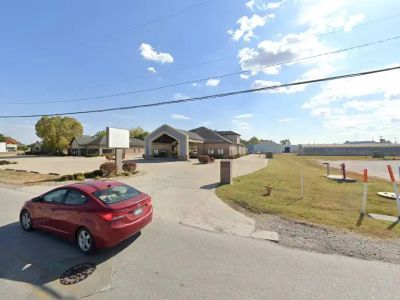

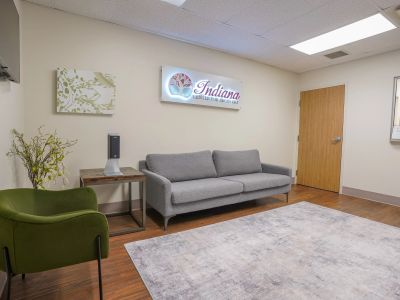
Indiana Center For Recovery- Alcohol & Drug Rehab Terre Haute
Terre Haute, Indiana
135 E Hospital Ln, Terre Haute, IN 47802



Boca Recovery Center - Fort Wayne, Indiana
Fort Wayne, Indiana
111 W Berry St #211, Fort Wayne, IN 46802


Boca Recovery Center - Indiana Drug and Alcohol Rehab
Huntington, Indiana
3040 W Park Dr, Huntington, IN 46750


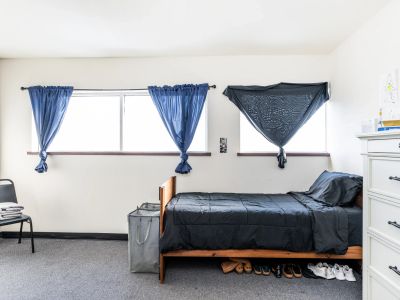
Cardinal Recovery
Franklin, Indiana
1130 West Jefferson St, Franklin, IN, 46131



Indiana Center for Recovery - Alcohol & Drug Rehab Center Bedford
Bedford, Indiana
1600 23rd St, Bedford, IN 47421
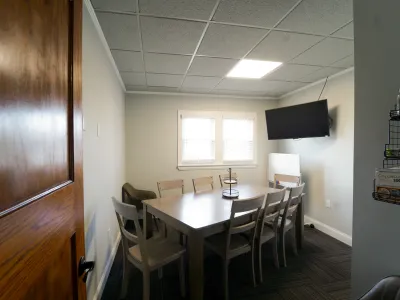

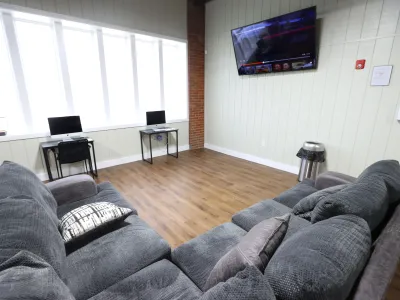
First City Recovery Center
Kokomo, Indiana
317 W Jefferson St, Kokomo, IN, 46901


215 W 4th St, Mishawaka, IN 46544

Woodview Psychology Group
Indianapolis, Indiana
70 E 91st Street Suite 210, Indianapolis, IN, 46240
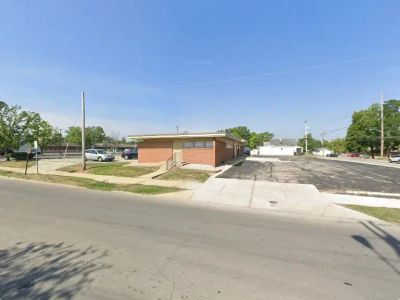
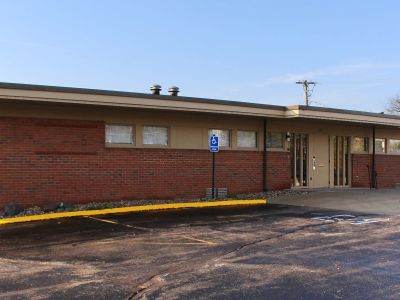
Aspire Indiana Health - Anderson
Anderson, Indiana
215 West 19th St Anderson, Anderson, IN, 46016
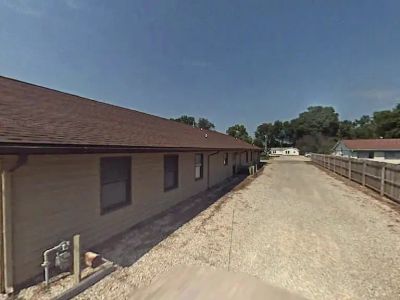

Southern Hills Counseling Center - Rockport
Rockport, Indiana
107 North 2nd street, Rockport, IN, 47635

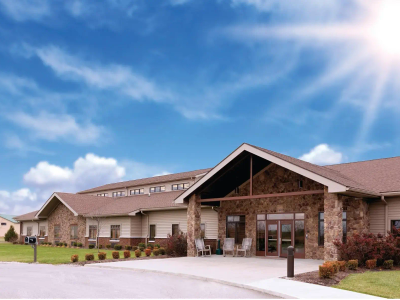

Brentwood Springs
Newburgh, Indiana
4488 Roslin Road, Newburgh, IN, 47630



LifeSpring Health Systems - Washington County Office
Salem, Indiana
1321 South Jackson Street, Salem, IN, 47167

LifeSpring Health Systems - Madison
Madison, Indiana
1405 Bear Street, Madison, IN 47250
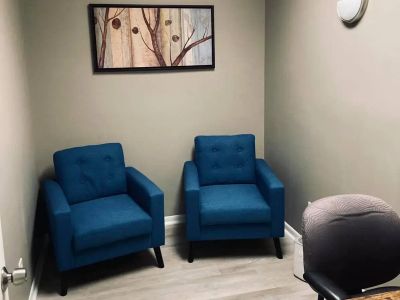
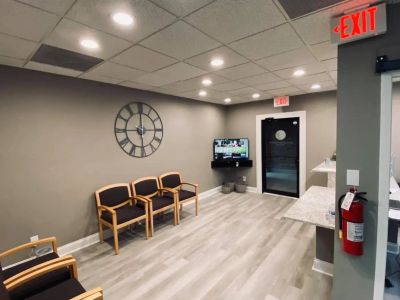
Munster Behavioral Health - Best Counseling, Psychiatric, Crisis Intervention, Addiction Treatment
Munster, Indiana
706 Ridge Rd Suite B, Munster, IN 46321



LifeSpring Health Systems - Turning Point Center
Jeffersonville, Indiana
1060 Sharon Drive, Jeffersonville, IN, 47130

Hamilton Center - Greencastle
Greencastle, Indiana
239 Hillsdale Avenue, Greencastle, IN 46135
232 West Van Buren Street Suite 103, Columbia City, IN 46725
Why Trust Indiana Rehabs
As Hoosiers helping Hoosiers, we understand the unique challenges our communities face. Our team meticulously verifies every Indiana treatment center, ensuring you find trusted, local care that truly understands your journey.
About our listingsLevels of Care
Explore popular treatment options by levels of care, from flexible treatment in Outpatient centers to intensive care in Residential rehabs.
Free · 24/7 · Confidential
Talk to a Treatment Specialist
Call now to get matched with Indiana facilities that accept your insurance.
(888) 568-9930
Free
Ins. check
4.9★
Rating
HIPAA
Protected
Can't travel to a facility?
Licensed Indiana therapists via secure video — same-week appointments, evenings & weekends available.
Living with Borderline Personality Disorder can feel like you’re constantly walking on eggshells with your own emotions, soaring highs one moment, crashing lows the next, and an aching worry that you’ll be left behind. The confusion and weight of stigma can make you wonder if things will ever get easier. But you’re not alone, and there are proven, compassionate treatments available in Indiana that can help you find stability and build a life that truly feels worth living.

What Is Borderline Personality Disorder?
Borderline Personality Disorder (BPD) is a mental health condition that centers on significant emotional instability. If you're living with BPD, it can feel like your emotions are turned up to the highest volume, making it incredibly difficult to navigate daily life. This condition affects how you see yourself, how you connect with others, and how you react to the world around you. It often leads to a pattern of intense but unstable relationships, a distorted self-image, and impulsive behaviors.
It’s a condition that is often misunderstood, but it’s more common than many people think, affecting an estimated 1.4% of adults in the United States[1]. The core of BPD is a deep-seated fear of abandonment and a struggle to manage powerful emotions. Understanding the reality of borderline personality disorder is the first step toward finding compassion for yourself and seeking effective treatment.
Symptoms and Causes
To truly understand BPD, it helps to look at two key areas: the symptoms that define the diagnosis and the complex factors that contribute to its development. BPD isn't caused by a single event but is believed to stem from a combination of genetics, brain chemistry, and life experiences, especially trauma. Recognizing the signs in yourself or a loved one can be the turning point that leads to seeking a diagnosis and starting the path to healing.
Borderline personality disorder symptoms
A diagnosis of BPD requires a person to show a consistent pattern of at least five of these nine specific symptoms[2]. In simple terms, here’s what they can look like:
- Fear of abandonment: Going to extreme lengths to avoid real or imagined rejection or separation.
- Unstable relationships: A pattern of intense relationships that swing from idealizing someone to devaluing them.
- Unclear self-image: A shifting and unstable sense of self, affecting goals, values, and identity.
- Impulsive and risky behaviors: Acting on impulse in ways that can be dangerous, like reckless spending, unsafe sex, or substance use.
- Self-harm or suicidal behavior: Engaging in self-injurious acts or having recurrent suicidal thoughts or threats.
- Extreme emotional swings: Rapid, intense mood swings that can last from a few hours to a few days.
- Chronic feelings of emptiness: A persistent sense of being empty or bored.
- Intense and inappropriate anger: Difficulty controlling anger, leading to frequent displays of temper or physical fights.
- Stress-related paranoia or dissociation: Feeling disconnected from your own body or thoughts, or having suspicious thoughts during times of high stress.
Borderline personality disorder causes
There isn't one single "cause" of BPD. Instead, experts believe it develops from a mix of biological and environmental factors[3]. Genetics play a role; if a close family member has BPD, your risk is higher. Research also points to differences in brain structure, particularly in the areas that regulate emotion and impulse control.
However, environmental factors are incredibly significant. Many people with BPD have experienced some form of childhood trauma, such as abuse, neglect, or profound loss. Growing up in a chaotic or invalidating environment, where your feelings were consistently dismissed or punished, can also contribute to the development of BPD.
Risk factors
While the exact causes are still being studied, certain risk factors make it more likely for someone to develop BPD. Think of these not as guarantees, but as ingredients that can increase the chances. The most significant risk factor is family history; having a first-degree relative, like a parent or sibling, with BPD increases your genetic predisposition[3].
Adverse childhood experiences are another major contributor. These can include physical, emotional, or sexual abuse, neglect, or being separated from a parent or caregiver at a young age. Living through chronic fear or instability during your formative years can deeply impact emotional development. Additionally, some individuals may be born with a higher emotional sensitivity, making them more vulnerable to the impact of a stressful environment. It's this combination of innate temperament and external experiences that often sets the stage for BPD.
How doctors diagnose borderline personality disorder
Getting a proper BPD diagnosis is a critical step toward healing, and it must be done by a qualified mental health professional, such as a psychiatrist or psychologist. There’s no simple blood test or scan for BPD. Instead, the process involves a thorough conversation and evaluation[4].
A professional will conduct a detailed clinical interview to learn about your personal history and the specific symptoms you're experiencing. They will compare your experiences to the criteria laid out in the Diagnostic and Statistical Manual of Mental Disorders (DSM-5). It's also common for BPD to co-occur with other mental health conditions, like depression, anxiety, PTSD, or substance use disorders. This high rate of comorbidity is why a comprehensive mental health assessment is so important for an accurate diagnosis and effective treatment plan.
BPD is most often diagnosed in outpatient mental health clinics, where it's seen in about 11-12% of patients, and it's even more common in inpatient settings, affecting around 22% of psychiatric patients[5]. An accurate diagnosis helps ensure you get the specialized care you need.
Borderline personality disorder treatments
If you've been diagnosed with BPD, please know this: there is so much hope for healing. BPD is a treatable condition, and with the right support, you can learn to manage your emotions, build stable relationships, and create a life that feels good. The cornerstone of borderline personality treatment is psychotherapy, also known as talk therapy[4]. Several evidence-based therapies have been shown to be highly effective, helping people develop skills to navigate the challenges of BPD.

Dialectical behaviour therapy (DBT)
dialectical behavior therapy (DBT) is often considered the gold standard for BPD treatment because it was designed specifically for this condition. The "dialectic" in its name refers to its core idea: balancing acceptance and change. DBT helps you accept yourself and your intense emotions as they are, while also teaching you practical skills to change harmful behaviors and build a better life. The therapy focuses on four key areas:
- Mindfulness: Learning to stay present in the moment and observe your thoughts and feelings without judgment.
- Distress Tolerance: Developing skills to get through painful moments without making things worse.
- Emotion Regulation: Understanding your emotions and learning how to manage their intensity.
- Interpersonal Effectiveness: Learning how to communicate your needs, set boundaries, and build healthier relationships.
Through dialectical behavior therapy, you can gain a toolbox of skills that empower you to navigate life with more stability and confidence[6].
Mentalisation-based therapy (MBT)
mentalization-based therapy (MBT) is another highly effective treatment for BPD. At its heart, "mentalizing" is the ability to understand your own thoughts and feelings and to recognize that other people have their own separate minds with different thoughts and feelings. When you're overwhelmed by intense emotions, it can be hard to mentalize, leading to misunderstandings and conflict in relationships. MBT works by helping you improve this skill. In therapy, you'll explore difficult situations and practice seeing them from different perspectives, which can help you regulate your emotions and interact with others in a more stable and empathetic way.
BPD medication
It’s important to clarify that there are no medications specifically approved by the FDA to treat BPD itself. However, medication can be a helpful part of a comprehensive treatment plan[2]. A psychiatrist might prescribe medications to manage co-occurring conditions or specific symptoms. For example, antidepressants can help with underlying depression or anxiety, mood stabilizers can reduce impulsivity and emotional instability, and antipsychotics may be used in low doses to help with disorganized thinking or paranoia. Medication is never a substitute for therapy, but it can help stabilize your mood enough to fully engage in and benefit from psychotherapy.
Coping and support
Healing from BPD happens both inside and outside the therapy room. Learning how to manage your symptoms in everyday life is just as important as the work you do with a therapist. Developing strong coping skills can help you feel more in control and resilient. This can start with simple self-care practices like maintaining a regular schedule for sleeping and eating, getting regular physical activity, and avoiding non-prescribed drugs and alcohol.
Practicing mindfulness and grounding techniques can also be incredibly helpful when you feel overwhelmed by intense emotions. Just taking a few deep breaths or focusing on the sensations around you can bring you back to the present moment. Connecting with others who understand your journey can also make a huge difference. Peer support groups, both online and in-person, offer a space to share experiences and feel less alone[2]. Family education and therapy can also be beneficial, helping your loved ones understand BPD and learn the best ways to support you.
How to Find Borderline Personality Treatment in Indiana
Finding the right help is the most important step you can take. Here in Indiana, there are dedicated professionals and treatment centers ready to support you. A great place to start is by looking for a therapist or program that specializes in evidence-based treatments for BPD, particularly dialectical behavior therapy (DBT). When you search for care, don't be afraid to ask questions about a provider's experience with BPD.
You can use online directories to filter for facilities in your area that treat BPD and accept your insurance. State resources like the Indiana Division of Mental Health and Addiction (DMHA) can point you toward certified providers. Additionally, organizations such as Mental Health America of Indiana offer valuable support and information to help you navigate the mental healthcare system. If you’re feeling overwhelmed and unsure where to begin, our 24/7 helpline is always available. We can help you understand your options and connect you with treatment centers in Indiana that fit your needs.
Taking the Next Step Toward Healing
Living with BPD is undoubtedly challenging, but it is not a life sentence. It is a treatable condition, and with commitment and the right support, recovery is not just possible, it’s expected[7]. The journey involves learning new skills, understanding your emotions, and building a strong support system. Every small step you take is a victory that builds momentum toward a more stable and fulfilling future.
Remember, reaching out for help is a sign of incredible strength. You don't have to walk this path alone. The courage it took to read this page is the same courage that will carry you forward into healing. You are worthy of a life filled with peace, stable relationships, and a strong sense of self.
When you're ready to take that next step, we're here to help. You can explore treatment options and find compassionate care right here in Indiana. To get started, call our dedicated team at (888) 568-9930 or visit us at Indiana Rehabs. If you have any questions or need guidance, please don't hesitate to contact us. A brighter, more stable future is within your reach.
Frequently Asked Questions About Borderline Personality Disorder Treatment in Indiana
Is BPD a serious mental illness?
Can borderline personality disorder be cured?
What is the best therapy for borderline personality disorder?
Can you live a normal life with BPD?
What happens if BPD is left untreated?
How long does BPD treatment take?
- National Alliance on Mental Illness. (2025). Mental Health By the Numbers. National Alliance on Mental Illness. nami.org
- National Alliance on Mental Illness. (2025). Borderline Personality Disorder. National Alliance on Mental Illness. nami.org
- (2024). Borderline personality disorder: a comprehensive review of diagnosis, etiology, and treatment. PMC. pmc.ncbi.nlm.nih.gov
- American Psychological Association. (2025). Treating patients with borderline personality disorder. APA Monitor. apa.org
- (2025). Borderline personality: revisiting its classification as a personality disorder. PMC. pmc.ncbi.nlm.nih.gov
- Arntz, A., Rijkeboer, M., et al. (2022). Effectiveness of group schema therapy for borderline personality disorder. JAMA Psychiatry. jamanetwork.com
- (2024). Effectiveness of group schema therapy for borderline personality disorder in a U.S. community-based setting. IUPUI ScholarWorks. scholarworks.indianapolis.iu.edu