Rehabs for Bulimia Nervosa

Showing 18 of 18 Results (filtered)
Featured Rehab Centers


1411 W County Line Rd, Suite 1411A, Greenwood, IN 46142


1185 County Rd 1000 W, Linton, IN 47441



Indiana Center For Recovery- Alcohol & Drug Rehab Terre Haute
Terre Haute, Indiana
135 E Hospital Ln, Terre Haute, IN 47802
Get Personalized Rehab Matches in 60 Seconds
Tell us a few details and we’ll show a personalized shortlist of verified Indiana rehabs, making it simple to compare options and choose your next step with confidence.



Boca Recovery Center - Fort Wayne, Indiana
Fort Wayne, Indiana
111 W Berry St #211, Fort Wayne, IN 46802



Boca Recovery Center - Indiana Drug and Alcohol Rehab
Huntington, Indiana
3040 W Park Dr, Huntington, IN 46750



Indiana Center for Recovery - Alcohol & Drug Rehab Center Bedford
Bedford, Indiana
1600 23rd St, Bedford, IN 47421



Avenues Recovery Center at Indianapolis
Indianapolis, Indiana
7960 Shadeland Ave, Indianapolis, IN 46250
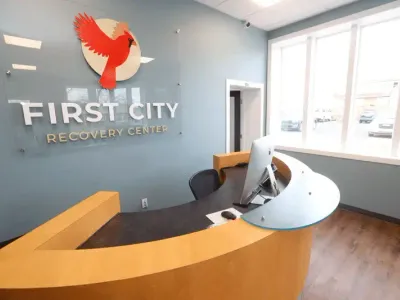
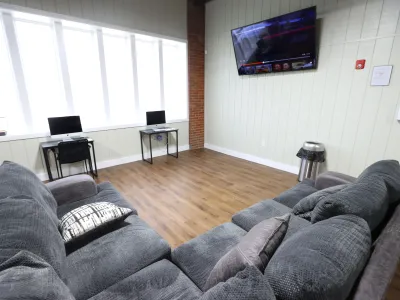
First City Recovery Center
Kokomo, Indiana
317 W Jefferson St, Kokomo, IN, 46901

Northside Mental Health
Indianapolis, Indiana
6507 Ferguson St #201, Indianapolis, IN 46220

Southern Hills Counseling Center - Rockport
Rockport, Indiana
107 North 2nd street, Rockport, IN, 47635



LifeSpring Health Systems - Washington County Office
Salem, Indiana
1321 South Jackson Street, Salem, IN, 47167



LifeSpring Health Systems - Turning Point Center
Jeffersonville, Indiana
1060 Sharon Drive, Jeffersonville, IN, 47130
232 West Van Buren Street Suite 103, Columbia City, IN 46725
Ascension Medical Group St Vincent - Kokomo Primary Care
Kokomo, Indiana
188 E Southway Blvd Kokomo, IN 46902
Pinnacle Treatment Centers - 2209 John R Wooden Drive
Martinsville, Indiana
2209 John R Wooden Drive, 3rd Floor Martinsville, IN 46151
LifeSpring Health Systems - Dubois County Services
Jasper, Indiana
480 Eversman Drive Jasper, IN 47546
Centerstone – Pierson House
Richmond, Indiana
76 S 14th St, Richmond, IN 47374
LifeSpring Health Systems - Adult Integrated Medical Services
Jeffersonville, Indiana
404 Spring Street Jeffersonville, IN 47130
Why Trust Indiana Rehabs
As Hoosiers helping Hoosiers, we understand the unique challenges our communities face. Our team meticulously verifies every Indiana treatment center, ensuring you find trusted, local care that truly understands your journey.
About our listingsLevels of Care
Explore popular treatment options by levels of care, from flexible treatment in Outpatient centers to intensive care in Residential rehabs.
Free · 24/7 · Confidential
Talk to a Treatment Specialist
Call now to get matched with Indiana facilities that accept your insurance.
(888) 568-9930
Free
Ins. check
4.9★
Rating
HIPAA
Protected
Can't travel to a facility?
Licensed Indiana therapists via secure video — same-week appointments, evenings & weekends available.
You might know the feeling, the rush of giving in to urges you wish you could ignore, followed by the overwhelming need to make things right again, and then the heavy ache of guilt that settles in afterward. Living inside this cycle of bingeing and purging can be deeply isolating, like a battle you’re fighting on your own with no clear way out. But breaking free from this pattern is possible. With the right professional support and an understanding of your treatment options, there is a real path forward toward healing and a life that feels lighter.
What is Bulimia Nervosa?
Bulimia nervosa is an eating disorder defined by a recurring cycle of binge eating followed by actions to compensate for the binge. It’s more than just a struggle with food; it’s a serious mental health condition that can have a profound impact on your physical and emotional well-being. A "binge" isn't just overeating; it involves consuming a large quantity of food in a short time while feeling a distressing loss of control[1]. After a binge, someone with bulimia engages in compensatory behaviors, often called "purging," to prevent weight gain. These actions can include self-induced vomiting, misusing laxatives or diuretics, fasting, or exercising excessively.
It’s a common misconception that this disorder is rare. In the United States, the prevalence of bulimia nervosa is estimated to be around 1.5% among women and 0.5% among men[2]. At its core, bulimia nervosa is a painful cycle driven by an intense focus on body weight and shape. Understanding this pattern is the first step toward recognizing the need for help and starting the path to recovery.
Symptoms of bulimia

Recognizing the symptoms of bulimia can be challenging because many behaviors are hidden out of shame or guilt. The signs can be broken down into behavioral, emotional, and physical categories. If you notice these in yourself or a loved one, it may be time to seek support from an eating disorder treatment program.
- Behavioral Symptoms: These are the actions related to the binge-and-purge cycle.
- Evidence of binge eating, such as the disappearance of large amounts of food.
- Evidence of purging, like frequent trips to the bathroom after meals.
- Eating in secret or avoiding meals with others.
- An intense or rigid exercise routine, even when sick or tired.
- Creating schedules or rituals to make time for bingeing and purging.
- Emotional Symptoms: These reflect the internal struggle and psychological distress.
- An intense and overwhelming fear of gaining weight.
- A preoccupation with body weight, shape, and appearance.
- Self-esteem that is severely tied to body image.
- Feelings of being out of control during a binge.
- Experiencing intense guilt, shame, or anxiety after a binge.
- Physical Symptoms: These are the health consequences of the disorder.
- Noticeable weight fluctuations, up or down.
- Swollen glands in the neck and jaw area.
- A chronically sore or inflamed throat.
- Tooth decay, staining, and enamel erosion from stomach acid.
- Gastrointestinal problems like acid reflux or constipation[3].
Complications
The cycle of bingeing and purging places immense strain on the body, leading to serious and sometimes life-threatening health complications. While the emotional toll is significant, the physical damage can be just as severe. The repeated act of purging can cause severe dehydration and disrupt the body's electrolyte balance. Electrolytes, like potassium and sodium, are crucial for proper heart function. When they are out of balance, it can lead to irregular heartbeats, heart palpitations, and in the most severe cases, heart failure[1].
The digestive system also suffers. Frequent vomiting can cause inflammation or tearing of the esophagus, acid reflux, and peptic ulcers. Over time, there's an increased risk of developing certain types of cancer in the esophagus. Dental health is another major concern; stomach acid erodes tooth enamel, leading to decay, sensitivity, and gum disease. Beyond these issues, bulimia is linked to a higher risk of developing type 2 diabetes and can worsen conditions like irritable bowel syndrome (IBS). These medical complications underscore why seeking professional treatment is not just about mental health, but about protecting your physical health and future.
How bulimia is diagnosed
If you recognize the symptoms of bulimia in yourself or someone you care about, the first and most important step is to speak with a healthcare provider. A diagnosis is a crucial step toward getting the right treatment. The process is thorough and designed to understand your complete health picture. It typically starts with a conversation about your eating habits, your relationship with your body, and any symptoms you're experiencing.
A formal diagnosis involves several components[4]. A physical exam helps assess your overall health and identify any medical complications. Blood and urine tests may be ordered to check electrolyte levels, organ function, and other health markers. Finally, a psychological evaluation with a mental health professional is essential. This evaluation will delve into your thoughts, feelings, and behaviors related to food and body image. Clinicians use criteria from the Diagnostic and Statistical Manual of Mental Disorders (DSM-5) to confirm a diagnosis. Reaching out for an assessment can feel daunting, but it’s an act of courage that opens the door to recovery.
Treatment for bulimia

Treating bulimia nervosa isn’t about willpower; it’s about having the right support and a comprehensive treatment plan. Recovery is a journey that involves a team of dedicated professionals, often including a medical doctor, a therapist, and a registered dietitian. This multifaceted approach ensures that all aspects of the disorder, physical, psychological, and behavioral, are addressed[1]. The primary goals of treatment are to restore healthy eating patterns, address the underlying emotional triggers, and build lasting coping skills.
Your specific treatment plan will be tailored to your needs. For many, psychotherapy is the cornerstone of treatment. It helps you explore the thoughts and feelings that fuel the binge-purge cycle. Nutritional counseling is also key, as it helps you rebuild a healthy relationship with food. In some cases, medication may be used to help manage symptoms. The journey starts with a team that understands your struggle and is ready to guide you toward a healthier life.
Cognitive-Behavioral Therapy
Cognitive-behavioral therapy (CBT) is widely considered the leading evidence-based treatment for bulimia nervosa. This type of psychotherapy focuses on identifying and challenging the unhealthy thought patterns that drive the disorder. For example, CBT helps you recognize the connection between restrictive dieting, negative body image, and the urge to binge and purge[4]. A therapist guides you in developing practical skills, such as monitoring your eating habits and moods to identify triggers. You'll learn new coping strategies to handle stress and difficult emotions without resorting to harmful behaviors. The goal of cognitive-behavioral therapy is to replace the cycle of bulimia with balanced eating and a healthier self-perception.
Interpersonal Therapy
Interpersonal therapy (IPT) is another effective psychotherapy for bulimia. Unlike CBT, which focuses on thoughts and behaviors, IPT centers on your relationships and social context. The core idea is that struggles in your personal relationships can contribute to feelings of distress, which may trigger bingeing and purging. IPT helps you identify and resolve interpersonal problems in one of four key areas: grief over a loss, conflicts in significant relationships, major life changes, or difficulties in starting or maintaining relationships. By improving your communication skills and strengthening your social support network, IPT aims to reduce the emotional distress that fuels the eating disorder.
Family-Based Treatment
For adolescents and younger adults living at home, family-based treatment (FBT) is often the recommended approach. This therapy recognizes the vital role a family plays in recovery. FBT empowers parents to become active participants in their child's healing process. In the first phase, parents take temporary control over their child’s eating to ensure they are nourished and to interrupt the binge-purge cycle. As the adolescent makes progress and their health stabilizes, control is gradually handed back to them. This approach not only restores healthy eating patterns but also helps the family learn how to support their loved one long-term. Exploring family-based therapeutic approaches can be a powerful step for young people on their recovery journey.
Pharmacotherapy
Medication can be a valuable part of a comprehensive treatment plan for bulimia, especially when combined with psychotherapy. The most commonly prescribed medications are antidepressants, particularly selective serotonin reuptake inhibitors (SSRIs) like fluoxetine. These medications can help reduce the frequency of binge-eating and purging behaviors. They can also be effective in treating co-occurring conditions that often accompany bulimia, such as depression and anxiety. A psychiatrist will work with you to determine if medication is a good fit and will monitor your progress to ensure it's helping you on your path to recovery.
Coping and support
Recovery is an ongoing process, and learning to cope with challenges while building a strong support system is essential for long-term success. It's about more than just stopping the behaviors; it's about creating a life where you feel resilient and understood. Here are some strategies that can help:
- Stick to Your Treatment Plan: Consistency is key. Attend all your therapy appointments, meet with your dietitian, and take any prescribed medication as directed. This structure provides a foundation for your recovery.
- Practice Healthy Coping Skills: Work with your therapist to identify triggers and develop healthy ways to manage stress and difficult emotions. This could include journaling, mindfulness, art, or spending time in nature.
- Build a Positive Support Network: Surround yourself with people who uplift you. This might include trusted friends, family members, or a support group where you can connect with others who understand what you're going through.
- Be Patient with Yourself: Recovery has its ups and downs. If you have a setback, treat yourself with compassion, not judgment. Acknowledge it, learn from it, and get back on track with your plan.
In Indiana, accessing care can sometimes feel challenging due to disparities in available services[5]. Navigating insurance can be a hurdle, but resources are available. Organizations like The Alliance for Eating Disorders Awareness offer guidance on getting treatment covered. For state-funded options, exploring Indiana Medicaid Behavioral Health Services can provide information on local programs.
Starting Your Recovery Journey
The journey to recovery from bulimia begins with a single, courageous step: asking for help. Healing from this complex disorder is possible with professional, evidence-based care and a compassionate support system. By understanding the nature of bulimia, recognizing its symptoms, and exploring effective treatments like psychotherapy and nutritional counseling, you can reclaim your health and build a more peaceful relationship with food and your body. This path isn't one you have to walk alone. There are people who understand and are ready to guide you with expertise and empathy.
If you're ready to start a new chapter, we're here to help. Taking that first step is an act of strength. You can begin by learning more about our programs or verifying your insurance. For immediate, confidential support, call us at (888) 568-9930. The team at Indiana Rehabs is ready to answer your questions and help you find the right path forward. Please don't hesitate to contact us today.
Frequently Asked Questions About Bulimia Nervosa Treatment
What is the main cause of bulimia?
What are the two types of bulimia?
Can you recover from bulimia without treatment?
How do you help someone with bulimia?
How long does it take to recover from bulimia?
- Jain, A. & Yilanli, M. (2023). Bulimia Nervosa. StatPearls Publishing. ncbi.nlm.nih.gov
- van Eeden, A. E., van Hoeken, D., & Hoek, H. W. (2021). Incidence, prevalence and mortality of anorexia nervosa and bulimia nervosa. Current Opinion in Psychiatry. pmc.ncbi.nlm.nih.gov
- Substance Abuse and Mental Health Services Administration. (2024). What are Eating Disorders?. SAMHSA. samhsa.gov
- Currie, S. J., & Roffman, J. (2021). Eating Disorders in Primary Care: Diagnosis and Management. American Family Physician. aafp.org
- Strategic Training Initiative for the Prevention of Eating Disorders (STRIPED). (n.d.). Social and Economic Cost of Eating Disorders in Indiana. Harvard T.H. Chan School of Public Health. hsph.harvard.edu