
Rehabs for Suicidal Ideation

Showing 20 of 72 Results (filtered)
Featured Rehab Centers


1185 County Rd 1000 W, Linton, IN 47441



New Vista North
Indianapolis, Indiana
4010 W 86th St suite d, Indianapolis, IN 46268



Evolve Indy
Indianapolis, Indiana
8770 Guion Rd, Indianapolis, IN, 46268
Get Personalized Rehab Matches in 60 Seconds
Tell us a few details and we’ll show a personalized shortlist of verified Indiana rehabs, making it simple to compare options and choose your next step with confidence.



Boca Recovery Center - Indiana Drug and Alcohol Rehab
Huntington, Indiana
3040 W Park Dr, Huntington, IN 46750
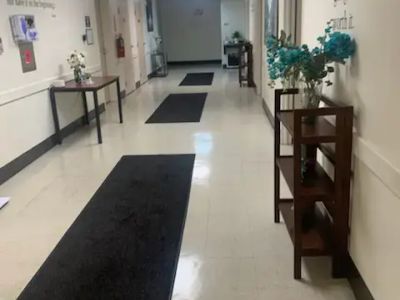
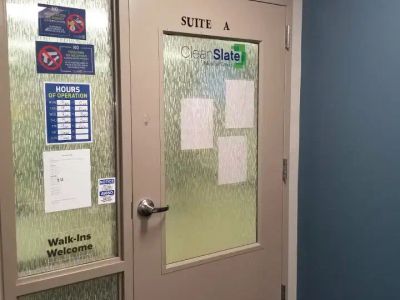

CleanSlate Outpatient Addiction Medicine
Richmond, Indiana
2302 Chester Blvd A, Richmond, IN 47374



Indiana Center for Recovery - Alcohol & Drug Rehab Center Bedford
Bedford, Indiana
1600 23rd St, Bedford, IN 47421



Kentuckiana Integrative Medicine
Jeffersonville, Indiana
405 E Court Ave #102, Jeffersonville, IN 47130



Physical Therapy & Rehab - Noblesville
Noblesville, Indiana
9669 E 146th St Ste 165, Noblesville, IN 46060



Sandra Eskenazi Mental Health Center
Indianapolis, Indiana
832 North Meridian Street, Indianapolis, IN 46204


First City Recovery Center
Kokomo, Indiana
317 W Jefferson St, Kokomo, IN, 46901


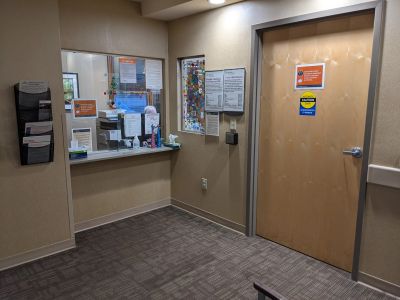
Physical Therapy & Rehab - Emerson Way
Greenwood, Indiana
225 S Emerson Ave Ste 100, Greenwood, IN 46143

Woodview Psychology Group
Indianapolis, Indiana
70 E 91st Street Suite 210, Indianapolis, IN, 46240



Community Health Network - Community Support Service
Indianapolis, Indiana
5470 East 16th Street, Indianapolis, IN, 46218


Mental Health America of Indiana
Indianapolis, Indiana
1431 N Delaware St, Indianapolis, IN 46202



Eskenazi Health - Pedigo Health Center
Indianapolis, Indiana
1033 East Washington street, Indianapolis, IN 46202

Centerstone - Mapleview Apartments
Columbus, Indiana
2999 9th St, Columbus, IN 47201


Willowstone Family Services
Lafayette, Indiana
615 N 18th St Ste101, Lafayette, IN 47904



Brentwood Springs
Newburgh, Indiana
4488 Roslin Road, Newburgh, IN, 47630

INcompass Healthcare - West Main Street
Vevay, Indiana
1037 W Main St, Vevay, IN 47043



Community Health Network - The Hendricks County
Plainfield, Indiana
6100 Clarks Creek Road, Plainfield, IN, 46168
Why Trust Indiana Rehabs
As Hoosiers helping Hoosiers, we understand the unique challenges our communities face. Our team meticulously verifies every Indiana treatment center, ensuring you find trusted, local care that truly understands your journey.
About our listingsLevels of Care
Explore popular treatment options by levels of care, from flexible treatment in Outpatient centers to intensive care in Residential rehabs.
Free · 24/7 · Confidential
Talk to a Treatment Specialist
Call now to get matched with Indiana facilities that accept your insurance.
(888) 568-9930
Free
Ins. check
4.9★
Rating
HIPAA
Protected
Can't travel to a facility?
Licensed Indiana therapists via secure video — same-week appointments, evenings & weekends available.
If you're reading this, you or someone you care about might be carrying a heavy weight. Thoughts of ending your life can feel overwhelming and isolating, making the world seem smaller and the light harder to find. But you’re not alone in this, and these feelings, no matter how consuming, are treatable. Taking time to understand what you’re experiencing is a powerful first step, opening up real paths toward support, healing, and hope.

What is suicidal ideation?
At its core, suicidal ideation is a term for thinking about, considering, or planning to end your own life. These are more than just fleeting thoughts of death; they are thoughts centered on the act of suicide. It’s a heavy topic, but it’s so important to talk about it openly because these thoughts are far more common than most people think. In Indiana, hundreds of thousands of adults and adolescents have serious thoughts of suicide each year[1]. Experiencing suicidal ideas doesn't mean you are flawed or weak, it means you're carrying a level of mental pain that has become unbearable.
Think of suicidal thinking as a symptom, not a personal failure. Just like a fever signals an infection, suicidal thoughts are a sign of deep emotional distress that needs care and attention. Understanding the nature of these thoughts is the first step toward getting the right kind of help. The experience can range from a vague sense that you don't want to be alive anymore to having a detailed, specific plan to end your life. Both ends of this spectrum are serious and deserve compassion and professional support. Exploring the different types of suicidal ideation can help clarify what you or a loved one might be going through.
What's the difference between passive and active suicidal ideation?
It’s helpful to understand the distinction between two types of suicidal thoughts: passive and active[2]. Passive suicidal ideation is when you have thoughts of dying or a desire to be dead, but without a specific plan to make it happen. You might find yourself thinking things like, "I wish I could just go to sleep and not wake up," or "I wish a car would hit me." There isn't an intent to act, but there is a deep sense of wanting the pain to end.
Active suicidal ideation, on the other hand, involves having current thoughts about causing your own death, along with a suicide plan or intent to act. This is a more immediate and urgent situation. Someone with active thoughts might be thinking about a method, figuring out when and where they would do it, or even taking steps to prepare, like writing a note or obtaining the means to harm themselves. While any suicidal thought is a serious sign of distress, active ideation signals a much higher immediate risk and requires prompt intervention.
Risk Factors and Causes of Suicidal Ideation
Suicidal ideation rarely comes from a single source. Instead, it’s often the result of a painful combination of factors that build up over time, creating a sense of hopelessness. It's like a perfect storm where mental health challenges, difficult life events, and a feeling of being alone converge. Understanding these risk factors isn't about placing blame, it's about seeing the full picture so we can better support those who are struggling.
Mental health conditions are one of the biggest contributors. Conditions like depression, bipolar disorder, and anxiety disorders can profoundly distort a person's outlook, making suicide feel like the only way to escape the pain. The risk is especially high for individuals battling substance abuse. In Indiana, mental health and substance use are significant public health concerns, with many people experiencing both at the same time[3]. Using alcohol or drugs can lower inhibitions and increase impulsivity, making a person more likely to act on suicidal thoughts[4]. Stressful life events can also act as triggers. The loss of a loved one, a painful breakup, serious financial trouble, chronic pain, or a history of trauma or abuse can overwhelm a person's ability to cope. Suicide is a major public health issue in Indiana, and understanding the history and stressors involved is key to prevention[5].
Risk Factors for Suicide
Recognizing the factors that can increase suicide risk is crucial for prevention. These can be broken down into a few key areas:
- Psychiatric Conditions: The most significant risk factor is the presence of a mental health disorder. This includes major depression, bipolar disorder, schizophrenia, anxiety disorders, and substance use disorders. Past trauma, such as that seen in post-traumatic stress disorder (PTSD), can also play a major role.
- Historical Factors: A person's history can hold important clues. A previous suicide attempt is one of the strongest predictors of future attempts. A family history of suicide can also increase risk, due to both genetic and environmental factors.
- Situational Stressors: Life events can create overwhelming stress. These might include job loss or financial crisis, the end of a relationship, a serious medical diagnosis, or chronic physical pain. Easy access to lethal means, like firearms or certain medications, is another critical situational risk.
- Social Factors: Feelings of isolation or a lack of social support can be devastating. This might stem from living alone, being bullied, or feeling like a burden to others. A sense of not belonging is a powerful driver of mental pain.
Signs and Symptoms of Suicidal Ideation
The warning signs of suicidal ideation can show up in what a person says, how they act, and the moods they display[6]. Recognizing these signs is a critical first step in getting someone the help they need. They aren’t always obvious, but when you see a pattern or a sudden change, it’s important to take it seriously.
- Talk: People considering suicide often give verbal hints, whether directly or indirectly.
- Expressing feelings of being a burden to others.
- Saying they feel trapped or are in unbearable pain.
- Talking about having no reason to live.
- Directly mentioning wanting to die or to kill themselves.
- Behavior: A person's actions can be some of the strongest indicators.
- Increased use of alcohol or drugs.
- Withdrawing from activities and isolating from family and friends.
- Searching online for methods or acquiring the means to self-harm.
- Visiting or calling people to say goodbye.
- Giving away prized possessions.
- Sleeping too much or too little.
- Acting recklessly or aggressively.
- Mood: Drastic or intense mood swings can be a significant warning sign.
- Depression: Overwhelming sadness, loss of interest, or inability to feel pleasure.
- Hopelessness: A deep feeling that things will never get better.
- Anxiety: Agitation, restlessness, or intense worry.
- Irritability: A short temper or unusual anger.
- Humiliation or Shame: Often tied to a recent life event.
- Sudden Calm: A sudden switch from being extremely distressed to being calm or happy can be a sign that they have made a decision to end their life.
If you notice these warning signs in someone, the most important thing you can do is ask directly and listen without judgment. It’s a myth that talking about suicide will plant the idea in someone’s head. Instead, it can open the door for them to share their pain and get help.
How is suicidal ideation treated?

Treating suicidal ideation is about more than just surviving a crisis; it's about building a life that feels worth living. Effective suicidal ideation treatment is a compassionate and collaborative process that focuses on ensuring safety, addressing the underlying causes of the pain, and developing new coping skills. The right treatment plan is always personalized, because each person's journey to this point is unique.
Psychotherapy, or "talk therapy," is the cornerstone of treatment. Therapies like cognitive behavioral therapy (CBT) and dialectical behavior therapy (DBT) are proven to be highly effective. CBT helps individuals identify and challenge the negative thought patterns that fuel feelings of hopelessness, while DBT provides skills for managing intense emotions, tolerating distress, and improving relationships. The goal is not just to stop suicidal thoughts, but to build resilience and a stronger sense of self.
Treatment happens at different levels of care, depending on the immediate risk. For someone in an acute crisis, short-term hospitalization may be necessary to provide a safe, monitored environment. Once the immediate danger has passed, care can step down to programs like an intensive outpatient program (IOP) or regular outpatient sessions with a therapist[7]. A thorough assessment helps determine the best path forward, which often includes creating a safety plan to navigate future moments of crisis[8]. Some individuals also benefit from mobile crisis intervention services, which can provide immediate support in the community[9].
MEDICATIONS AND OTHER MODALITIES
Medication can be a vital part of a comprehensive treatment plan, especially when suicidal thoughts are linked to an underlying mental health condition like depression, bipolar disorder, or anxiety. A psychiatrist or doctor can help determine if medications are a good fit. Antidepressant medications, such as Selective Serotonin Reuptake Inhibitors (SSRIs), are commonly prescribed to help correct chemical imbalances in the brain that affect mood and emotions. For some, these medications can lift the fog of depression enough to allow them to fully engage in therapy and start making positive changes.
In cases of severe, treatment-resistant depression with acute suicidal ideation, some newer modalities have shown promise. Treatments like ketamine infusions or the esketamine nasal spray are used in specific clinical settings to provide rapid relief from symptoms. These are not first-line treatments but can be powerful options for individuals who haven't found relief with traditional approaches. Every decision about medication or other medical interventions should be made carefully with a qualified medical professional who can explain the benefits, risks, and what to expect.
How do I get help for suicidal ideation?
If you are in crisis or need immediate help, please do not wait. There are people ready to support you right now, 24/7. Indiana is committed to providing accessible crisis support to its residents[10].
- Call or Text 988: You can connect with the 988 Suicide & Crisis Lifeline by calling or texting 988 from anywhere in the United States. You will be connected to a trained counselor who can provide free, confidential support[11].
- Go to the Nearest Emergency Room: If you are at immediate risk of harming yourself, go to your local hospital's emergency room or call 911.
- Contact a Crisis Line: You can also text HOME to 741741 to reach the Crisis Text Line.
For long-term support, finding a mental health provider is a crucial step. You can start by talking to your primary care doctor, who can provide a referral. In Indiana, state resources like the Indiana Suicide Prevention Office offer information and guidance. Our directory is also here to help you find and connect with licensed treatment centers and therapists across Indiana who specialize in mental health care. You don't have to navigate this alone.
Helping a loved one
It can be terrifying to realize a friend or family member is having suicidal thoughts. Your support can make a world of difference. The most important first step is to start a conversation. Find a private moment and express your concern in a caring, non-judgmental way. You could say something like, "I've noticed you seem really down lately, and I'm worried about you. Have you been thinking about hurting yourself?"
Listen to their answers with your full attention. Let them know you hear their pain and that you're there for them. Avoid trying to "fix" the problem or offering simple solutions. Instead, validate their feelings by saying things like, "That sounds incredibly difficult." Crucially, do not promise to keep their suicidal thoughts a secret. Their safety is the priority. Help them connect with resources by offering to call 988 with them or drive them to an appointment. If you believe they are in immediate danger, call 911. You can find more advice on how to provide effective support through our resources for families.
Finding Your Path Forward
The journey out of the darkness of suicidal thoughts is real, and it begins one step at a time. The most important message to hold onto is that these thoughts are treatable, and a life full of hope and recovery is entirely possible[6]. It's a path that requires courage, but you don't have to walk it alone.
A key tool in managing suicidal thoughts is creating a safety plan[8]. This is a personal, written-down plan that you can turn to when you feel overwhelmed. It typically includes:
- A list of your personal warning signs (e.g., isolating myself, not sleeping).
- Internal coping strategies you can do on your own (e.g., deep breathing, listening to calming music, taking a walk).
- People and social settings that can provide a distraction (e.g., calling a trusted friend, visiting a family member).
- People you can reach out to for help (e.g., a friend, family member, or therapist).
- Contact information for professionals and crisis lines (like 988).
- A plan to make your environment safe (e.g., removing access to lethal means).
Remember, reaching out for help is a profound act of strength. The feelings you're experiencing now are not permanent, even if they feel that way. With the right support and coping skills, you can navigate these difficult moments and rediscover the light within you. Your life has value, and you deserve to feel safe and hopeful again.
You have taken an important step just by seeking out this information. The path forward might not always feel easy, but healing is possible. If you or a loved one are struggling, please reach out. You can call our compassionate team at (888) 568-9930 to discuss treatment options, or you can find help through our network of providers at Indiana Rehabs. Please don't hesitate to contact us today to start your journey toward recovery.
Frequently Asked Questions About Suicidal Ideation Treatment
What is the main cause of suicidal ideation?
Does substance abuse increase the risk of suicide?
How long does treatment for suicidal ideation last?
Can you be hospitalized for having suicidal thoughts?
- National Alliance on Mental Illness. (n.d.). Indiana. National Alliance on Mental Illness. nami.org
- (July 2, 2022). Adolescent suicide assessment and management in primary care. National Center for Biotechnology Information. pmc.ncbi.nlm.nih.gov
- (2022). Indiana 2022 State Epidemiological Outcomes Workgroup (SEOW) Report. Indiana Family and Social Services Administration. in.gov
- The Pew Charitable Trusts. (February 11, 2025). Substance Use Disorder Increases Risk of Suicidal Thoughts and Attempts. The Pew Charitable Trusts. pew.org
- USAFacts. (July 19, 2024). How many people die by suicide in Indiana each year?. USAFacts. usafacts.org
- U.S. Department of Health and Human Services. (April 17, 2024). 2024 National Strategy for Suicide Prevention. U.S. Department of Health and Human Services. hhs.gov
- U.S. Department of Health and Human Services. (August, 2021). State Residential Treatment for Behavioral Health: INDIANA. Office of the Assistant Secretary for Planning and Evaluation. aspe.hhs.gov
- Suicide Prevention Resource Center. (June 5, 2020). Resources for Clinical Practice. Suicide Prevention Resource Center. sprc.org
- Centers for Medicare & Medicaid Services. (September 22, 2023). CMS Roundup (Sep. 22, 2023). Centers for Medicare & Medicaid Services. cms.gov
- American Foundation for Suicide Prevention. (May 12, 2025). Indiana. American Foundation for Suicide Prevention. afsp.org
- Centers for Disease Control and Prevention. (February 26, 2021). Changes in Suicide Rates, United States, 2018–2019. Morbidity and Mortality Weekly Report. cdc.gov