
Rehabs for Childhood Trauma

Showing 20 of 37 Results (filtered)
Featured Rehab Centers

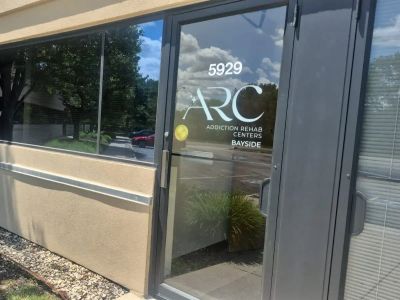

Addiction Rehab Centers - ARC At Bayside | Indianapolis Drug & Alcohol Rehab
Indianapolis, Indiana
5929 Lakeside Blvd, Indianapolis, IN 46278

Hamilton Center Inc: Mathew Maleakal S MD
Terre Haute, Indiana
620 8th Ave, Terre Haute, IN 47804

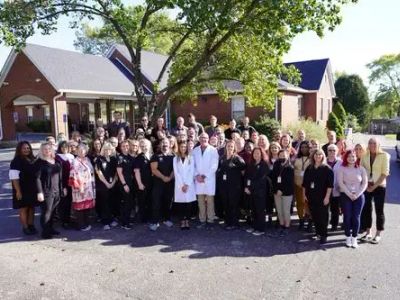

Indiana Center for Recovery - Alcohol & Drug Rehab Center Jeffersonville
Jeffersonville, Indiana
601 N Shore Dr Suite 102-103, Jeffersonville, IN 47130
Get Personalized Rehab Matches in 60 Seconds
Tell us a few details and we’ll show a personalized shortlist of verified Indiana rehabs, making it simple to compare options and choose your next step with confidence.


New Vista North
Indianapolis, Indiana
4010 W 86th St suite d, Indianapolis, IN 46268

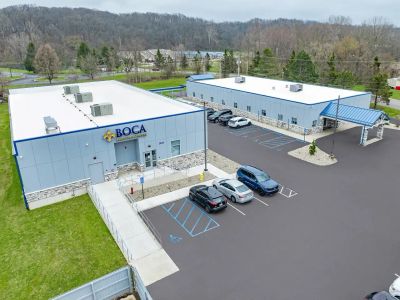

Boca Recovery Center - Fort Wayne, Indiana
Fort Wayne, Indiana
111 W Berry St #211, Fort Wayne, IN 46802


Evolve Indy
Indianapolis, Indiana
8770 Guion Rd, Indianapolis, IN, 46268
Boca Recovery Center - Indiana Drug and Alcohol Rehab
Huntington, Indiana
3040 W Park Dr, Huntington, IN 46750


CleanSlate Outpatient Addiction Medicine
Richmond, Indiana
2302 Chester Blvd A, Richmond, IN 47374
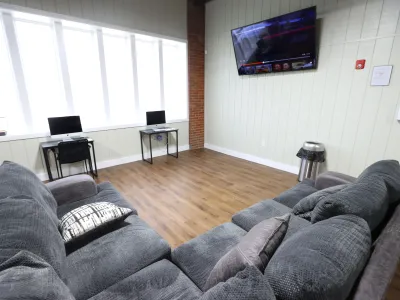
First City Recovery Center
Kokomo, Indiana
317 W Jefferson St, Kokomo, IN, 46901



Parkdale Center
Chesterton, Indiana
350 Indian Boundary Rd., Chesterton, IN, 46304

Woodview Psychology Group
Indianapolis, Indiana
70 E 91st Street Suite 210, Indianapolis, IN, 46240

Centerstone - North Bevcher Drive
Madison, Indiana
3008 North Bevcher Drive, Madison, IN, 47250


Centerstone Recovery Center
Richmond, Indiana
1811 S 9th St, Richmond, IN 47374
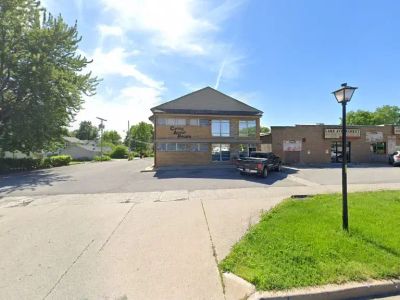
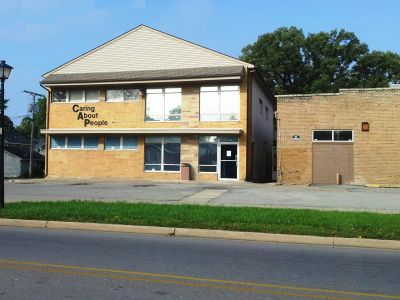
Caring About People - Counseling
Fort Wayne, Indiana
1417 N Anthony Blvd, Fort Wayne, IN 46805



Pinnacle Treatment Centers - Cambridge City
Cambridge City, Indiana
2060 State Road 1 North, Cambridge City, IN, 47327

Center for Positive Change
South Bend, Indiana
611 Lincolnway East, South Bend, IN 46601
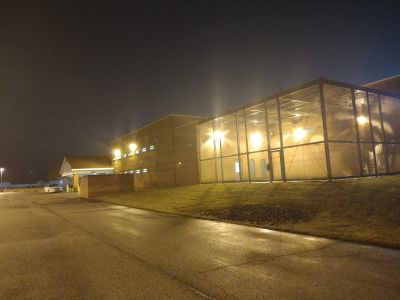
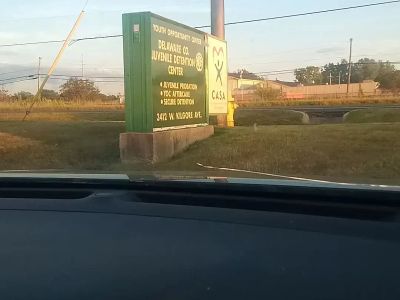
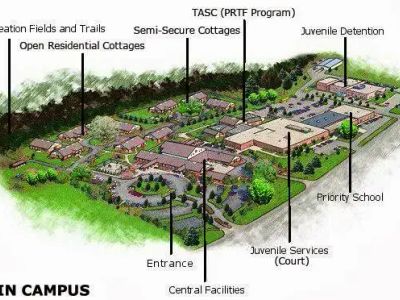
Youth Opportunity Center
Muncie, Indiana
3700 West Kilgore Avenue, Muncie, IN 47304


Adult and Child Center - Siear Terrace
Indianapolis, Indiana
8404 Siear Ter, Indianapolis, IN 46227
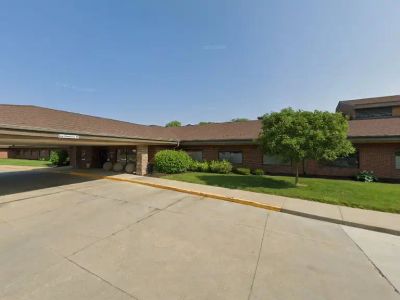

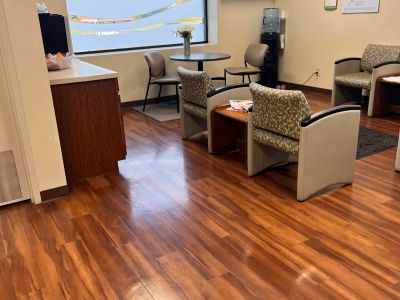
Valle Vista Health System
Greenwood, Indiana
898 East Main street, Greenwood, IN, 46143
Why Trust Indiana Rehabs
As Hoosiers helping Hoosiers, we understand the unique challenges our communities face. Our team meticulously verifies every Indiana treatment center, ensuring you find trusted, local care that truly understands your journey.
About our listingsLevels of Care
Explore popular treatment options by levels of care, from flexible treatment in Outpatient centers to intensive care in Residential rehabs.
Free · 24/7 · Confidential
Talk to a Treatment Specialist
Call now to get matched with Indiana facilities that accept your insurance.
(888) 568-9930
Free
Ins. check
4.9★
Rating
HIPAA
Protected
Can't travel to a facility?
Licensed Indiana therapists via secure video — same-week appointments, evenings & weekends available.
Nearly two-thirds of children face a traumatic event before turning sixteen, leaving marks that can quietly shape your world long after childhood ends. Maybe you’ve felt the echo of these old wounds in your relationships, your sense of safety, or the way you move through each day. If this sounds familiar, know you’re far from alone, and more importantly, real healing is absolutely within reach. With support and the right therapeutic tools, it’s possible to rewrite your story and reclaim the life you deserve.

What is childhood trauma?
Childhood trauma is a response to a deeply distressing or disturbing event that overwhelms a child's ability to cope. It isn't just about a single, scary moment; it can also stem from chronic, ongoing situations. This traumatic experience might be a one-time event like a car accident or a natural disaster, or it could be prolonged exposure to things like neglect, abuse, or serious instability at home.
These experiences are often called Adverse Childhood Experiences, or ACEs. ACEs are potentially traumatic events that can have a lasting negative impact on health and well-being[1]. While everyone's story is unique, some common examples include:
- Physical, emotional, or sexual abuse
- Physical or emotional neglect
- Witnessing violence at home or in the community
- Having a family member with a mental health or substance use disorder
- Parental separation or divorce
- The incarceration of a parent or guardian
When these things happen, they can disrupt a child’s sense of safety and stability, leaving wounds that aren't always visible. Understanding what constitutes childhood trauma is the first step toward recognizing its effects and seeking the right kind of help to heal them. In Indiana, addressing the deep impact of child abuse is a critical part of building healthier communities for everyone[2].
How may childhood trauma affect you?
The effects of childhood trauma can ripple through your life in ways that are sometimes obvious and other times incredibly subtle. Because every person is different, the impact varies. How it shows up often depends on your age when the trauma occurred, the type and severity of the traumatic events, and the support you had (or didn't have) at the time.
For some, the wounds manifest as clear PTSD symptoms, while for others, they might look more like persistent anxiety, depression, or even difficulties with substance abuse. These long-term effects happen because trauma can change how you see the world, how you relate to others, and how you manage stress. It's not a personal failing; it's a natural response to overwhelming experiences. Recognizing these signs is a key part of connecting with compassionate care for various trauma disorders and starting the healing journey.
As a child or young adult
In children and adolescents, the symptoms of trauma can show up in their behavior, emotions, and even their physical health[3]. It's often their way of communicating a distress they don't have the words for. Some common signs include:
- Behavioral Changes: This might look like increased aggression, irritability, or acting out. Some children may become withdrawn, quiet, and avoid activities they once enjoyed.
- Emotional Difficulties: Intense fear, sadness, or anxiety are common. They might have recurring nightmares, develop new fears, or struggle with separation anxiety.
- Trouble in School: Difficulty concentrating, a drop in grades, or problems with peers can all be related to trauma's impact on a developing brain.
- Physical Symptoms: Unexplained headaches, stomachaches, and other physical complaints can be a physical manifestation of emotional stress.
As an adult
For adults, the long-term effects of unresolved childhood trauma can be woven into the fabric of daily life, impacting mental, emotional, and physical well-being. These challenges often persist until they are addressed with professional support.
- Mental Health Conditions: There is a strong link between childhood trauma and conditions like PTSD, depression, anxiety disorders, and substance use disorders in adult life[4].
- Relationship Difficulties: Building and maintaining healthy relationships can be hard. You might struggle with trust issues, fear of abandonment, or an insecure attachment style that makes intimacy feel unsafe.
- Unhealthy Coping Mechanisms: Without healthy ways to manage painful memories and emotions, some people turn to substance use, overeating, or other behaviors to numb the pain.
- Chronic Health Problems: The long-term psychological effects of stress can contribute to physical health issues, including chronic pain, autoimmune disorders, and heart problems.
Types of Therapy for Childhood Trauma
When you’re ready to start healing, it’s comforting to know that there are specific, evidence-based treatments designed for exactly this purpose. Childhood trauma counseling isn't about simply talking about what happened; it's about using proven therapeutic approaches to help your brain and body process the past and build a more resilient future. The goal of trauma-informed therapy is to create a safe space where you can heal without being re-traumatized[5].
So, what is the best therapy for unresolved childhood trauma? The truth is, it depends on you. The most effective treatment is one that fits your age, specific experiences, and personal needs. A qualified therapist can help you determine which approach is right for you. Some of the most effective types of therapy include TF-CBT, EMDR, CPT, and Child-Parent Psychotherapy[6].
Trauma-focused cognitive behavioral therapy (TF-CBT)
Trauma-focused cognitive behavioral therapy, or TF-CBT, is a highly effective and structured treatment designed specifically for children and adolescents who have experienced trauma. One of its unique strengths is the active involvement of non-offending parents or caregivers. This approach recognizes that healing happens best within a supportive family system. The therapy itself has several core components, including teaching relaxation and emotional regulation skills, addressing unhelpful thoughts (cognitive processing), and, when the child is ready, creating a trauma narrative to help them tell their story in a safe, empowered way.
Eye movement desensitization and reprocessing (EMDR)
eye movement desensitization and reprocessing (EMDR) is a powerful therapy that helps people of all ages process traumatic memories that have gotten "stuck." When a traumatic event happens, the memory can be stored in the brain with all the original sights, sounds, thoughts, and feelings. EMDR uses bilateral stimulation, such as guided eye movements or tapping, to help the brain effectively reprocess these memories. The goal isn't to erase the memory, but to reduce the intense emotional charge connected to it, so you can remember what happened without feeling like you're reliving it.
Cognitive processing therapy (CPT)
cognitive processing therapy (CPT) is a specialized type of cognitive behavioral therapy often used to treat PTSD. Its main focus is on helping you challenge and change negative beliefs that developed as a result of trauma. Following a traumatic experience, it’s common to develop "stuck points", unhelpful thoughts like blaming yourself or believing the world is completely dangerous. CPT gives you the tools to identify these stuck points, examine the evidence for and against them, and develop more balanced and realistic ways of thinking about the trauma and its impact on your life.
Child Parent Psychotherapy
Child-Parent Psychotherapy (CPP) is a unique and gentle intervention designed for young children, typically from birth to age five, who have experienced traumatic events. The core of this therapy is the caregiver-child relationship. A therapist works with both the child and their parent or caregiver together to rebuild a sense of safety, security, and attachment. Through play and supportive guidance, CPP helps caregivers understand their child's behaviors through the lens of trauma and respond in ways that promote healing, strengthening the bond that is so essential for a young child's development and well-being.

Finding help for childhood trauma
Taking the step to find help is a powerful act of self-care. When you're looking for a therapist to guide you through childhood trauma counseling, it's important to find someone who is not just qualified but also a good fit for you. The relationship you have with your therapist is one of the most important parts of the healing process.
Here’s what to look for when choosing the right therapist for childhood trauma treatment:
- Specialized Training: Look for mental health professionals who have specific training and certifications in trauma-informed care. Phrases like "Certified in TF-CBT," "EMDR Trained," or experience with CPT indicate a licensed therapist has the skills needed to support you. In Indiana, providers must meet certain standards to offer specialized mental health services[7].
- A Sense of Safety: During an initial consultation, pay attention to how you feel. Do you feel heard, respected, and understood? A good trauma therapist will create a non-judgmental space where you feel safe to share your story at your own pace.
- Clear Communication: The therapist should be able to explain their approach clearly and answer any questions you have. They should work with you to set goals for your therapy.
Navigating directories and finding the right providers can feel overwhelming, but you don't have to do it alone. Using a trusted resource to search for trauma treatment facilities in Indiana can simplify the process. For more local support, organizations like the ACES Indiana Coalition and the Fletcher Group Indiana Resources offer valuable information and connections to help Hoosiers on their healing journey.
Your Path to Healing Can Start Today
The echoes of childhood trauma can be profound, but they don't have to define your future. Effective, compassionate childhood trauma counseling offers a real and hopeful path toward healing. It’s a journey of reclaiming your sense of self, building resilience, and learning new, healthier ways to navigate the world. Remember, the healing process is unique to you, and every step forward, no matter how small, is a victory.
Taking that first step is often the hardest, but it’s a courageous act of hope and self-worth. You deserve to feel safe, build healthy relationships, and live a life free from the weight of the past. Your personal growth and long-term healing are possible, and there is support available to walk alongside you on this path.
If you're ready to begin your healing journey, we are here to help. You can explore your options, find providers, and start the process of reclaiming your life. Call us today at (888) 568-9930 to speak with a compassionate specialist, or contact us through our website. At Indiana Rehabs, we believe in your strength and your capacity to heal. The support you need is just a conversation away.
Frequently Asked Questions About Childhood Trauma Counseling
How do I know if I have unresolved childhood trauma?
Can childhood trauma ever be fully cured?
How long does counseling for childhood trauma usually take?
Will therapy force me to talk about things I don’t want to?
What's the difference between trauma-informed therapy and regular talk therapy?
- (August, 2022). Adverse childhood experiences. National Conference of State Legislatures. ncsl.org
- (March, 2025). Here's what child abuse is doing to children in Indiana. Indiana Chapters of the National Children's Alliance. incacs.org
- (02-23-2020). An evaluation of trauma-focused cognitive behavioral therapy. Indiana Department of Child Services. in.gov
- Haglund, M. A. G., et al. (10-18-2019). Profiles of childhood trauma in women with substance use disorders and posttraumatic stress disorder. Frontiers in Psychiatry. pmc.ncbi.nlm.nih.gov
- Substance Abuse and Mental Health Services Administration. (01-08-2025). Evidence-based practices resource center. Substance Abuse and Mental Health Services Administration. samhsa.gov
- (11-19-2024). Trauma-focused therapy: Approaches and techniques. Indiana Wesleyan University. indwes.edu
- Child mental health wraparound services provider manual. Indiana Division of Mental Health and Addiction. in.gov