
Community / School Violence Survivors Treatment in Indiana


Showing 12 of 12 Results (filtered)
Featured Rehab Centers
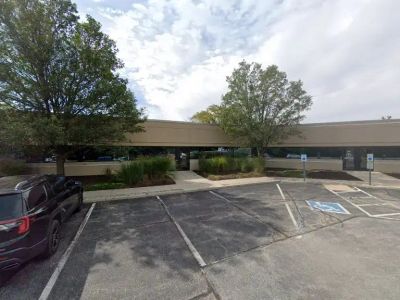
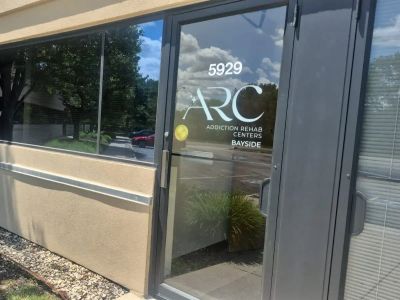

Addiction Rehab Centers - ARC At Bayside | Indianapolis Drug & Alcohol Rehab
Indianapolis, Indiana
5929 Lakeside Blvd, Indianapolis, IN 46278

Hamilton Center Inc: Mathew Maleakal S MD
Terre Haute, Indiana
620 8th Ave, Terre Haute, IN 47804

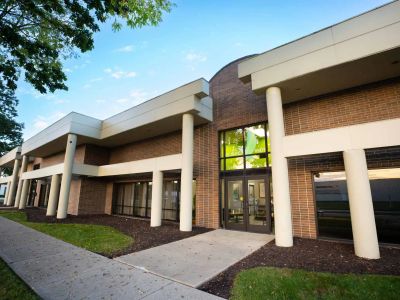
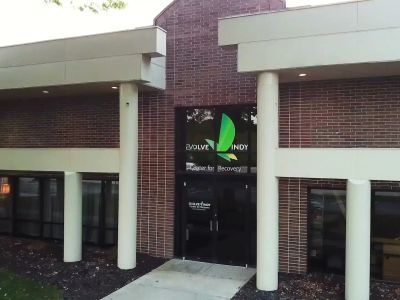
Evolve Indy
Indianapolis, Indiana
8770 Guion Rd, Indianapolis, IN, 46268
Get Personalized Rehab Matches in 60 Seconds
Tell us a few details and we’ll show a personalized shortlist of verified Indiana rehabs, making it simple to compare options and choose your next step with confidence.
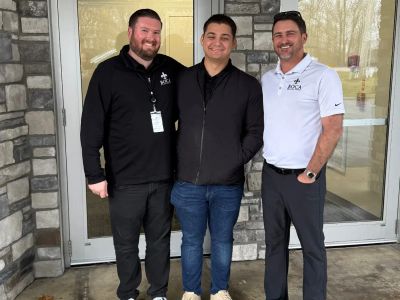
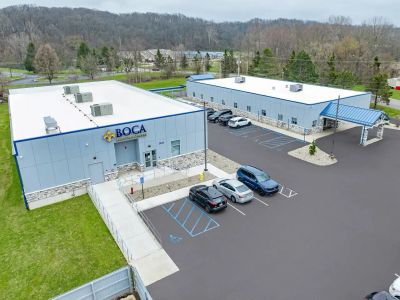
Boca Recovery Center - Indiana Drug and Alcohol Rehab
Huntington, Indiana
3040 W Park Dr, Huntington, IN 46750
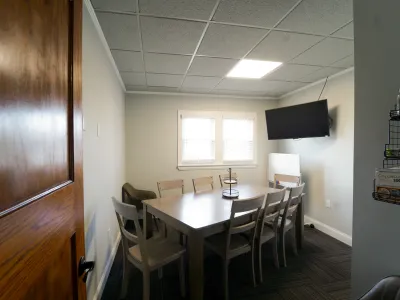
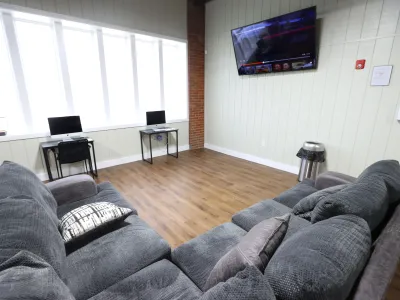
First City Recovery Center
Kokomo, Indiana
317 W Jefferson St, Kokomo, IN, 46901

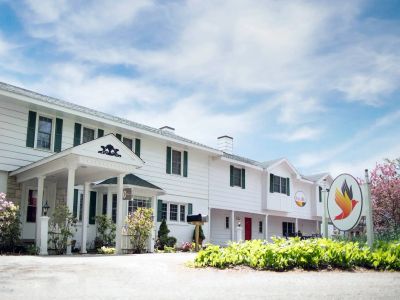

Parkdale Center
Chesterton, Indiana
350 Indian Boundary Rd., Chesterton, IN, 46304
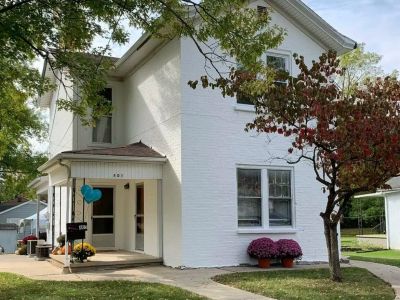
Centerstone Recovery Center
Richmond, Indiana
1811 S 9th St, Richmond, IN 47374
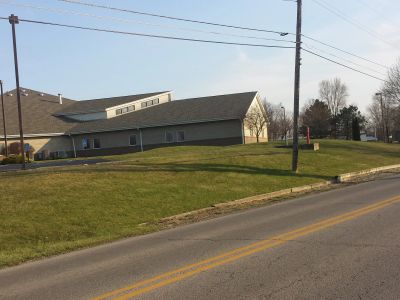

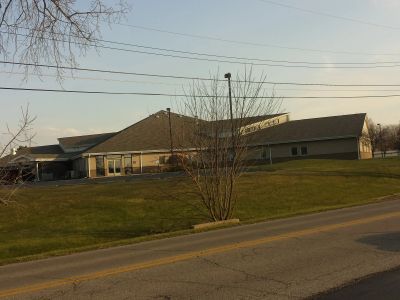
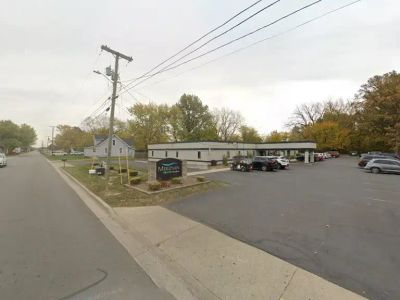
Meridian Health Services - New Castle
New Castle, Indiana
930 North 14th Street, New Castle, IN, 47362
Meridian Health Services - Portland
Portland, Indiana
931 West Water Street, Portland, IN 47371
Ascension Medical Group St Vincent - Pendleton Primary Care
Pendleton, Indiana
3041 W US Highway 36 Pendleton, IN 46064
Pinnacle Treatment Centers - 2209 John R Wooden Drive
Martinsville, Indiana
2209 John R Wooden Drive, 3rd Floor Martinsville, IN 46151
Pinnacle Treatment Centers - 581 E. Main Street
Hagerstown, Indiana
581 E. Main Street Hagerstown, IN 47346
Why Trust Indiana Rehabs
As Hoosiers helping Hoosiers, we understand the unique challenges our communities face. Our team meticulously verifies every Indiana treatment center, ensuring you find trusted, local care that truly understands your journey.
About our listingsLevels of Care
Explore popular treatment options by levels of care, from flexible treatment in Outpatient centers to intensive care in Residential rehabs.
Free · 24/7 · Confidential
Talk to a Treatment Specialist
Call now to get matched with Indiana facilities that accept your insurance.
(888) 568-9930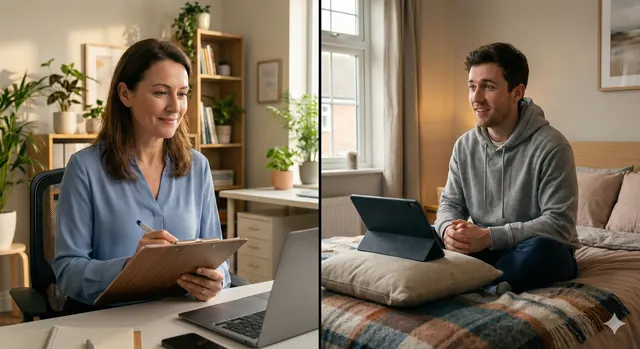
Free
Ins. check
4.9★
Rating
HIPAA
Protected
Can't travel to a facility?
Licensed Indiana therapists via secure video — same-week appointments, evenings & weekends available.
Are you looking for a safe path forward after experiencing violence? Just reaching out takes real courage, especially when the world can feel unpredictable and overwhelming. Healing isn’t something you have to do alone, there’s a trusted network of care and resources in Indiana ready to help you find comfort, understanding, and a sense of safety again.

Get Help Now
If you are in immediate danger, please call 911. For urgent support, confidential help is just a phone call away. The hotlines below are free, available 24/7, and staffed by trained advocates who can provide immediate guidance, emotional support, and connections to local services. Whether you need to talk, create a safety plan, or find emergency shelter, these resources are here for you. Reaching out is a brave first step toward safety, and there are compassionate people ready to listen without judgment. You can also explore crisis support services in Indiana for more information.
Indiana & National Crisis Hotlines:
- National Domestic Violence Hotline: Call 800-799-7233
- National Sexual Assault Hotline (RAINN): Call 800-656-4673
- Indiana Coalition Against Domestic Violence: Call 800-332-7385
- For more state-level resources, the Indiana Division of Mental Health and Addiction provides comprehensive information on certified mental health services.

Domestic Violence Survivor Support
Domestic violence (DV) is a pattern of behavior used to gain or maintain power and control over an intimate partner. This abuse isn't just physical; it can be emotional, verbal, financial, and sexual. If you feel trapped, controlled, or afraid of your partner, you're not alone, and help is available. Many people don't realize how common it is, but the reality is that 1 in 3 women and 1 in 4 men experience domestic violence in their lifetime. Healing and regaining your independence is possible with the right support network.
Specialized programs for domestic violence survivors in Indiana offer tailored services to help you rebuild your life. These services often include:
- Trauma-Informed Counseling: Therapy that addresses the deep emotional wounds of abuse and co-occurring conditions like PTSD[1].
- Safety Planning: Creating a personalized plan to increase your safety, whether you're planning to leave, have already left, or are still in the relationship.
- Legal Advocacy: Assistance with protective orders, navigating the court system, and understanding your rights.
- Housing Assistance: Connections to emergency shelter and other safe housing resources to help you and your family find stability[2].
You Are Not Alone
Healing from violence and trauma can feel incredibly isolating, but you don’t have to walk that path alone. Connecting with other survivors who understand your experience is a powerful step toward recovery. Survivor networks and peer communities create a safe space to share stories, reduce feelings of shame, and build a sense of belonging. Knowing you're part of a community can make all the difference.
For example, survivors of gun violence are anyone who has been personally affected by gun violence, including those who have been wounded, witnessed an act of gun violence, or lost a loved one. The Everytown Survivor Network is a community that connects survivors, offers advocacy opportunities, and provides emotional support. This model of peer support is crucial because it’s built on shared understanding. Exposure to gun violence can increase the risk for anxiety, PTSD, and other mental health challenges, making these networks a vital resource for healing[3]. Whether you're a survivor of community violence, sexual assault, or another traumatic event, there are people who get it. These peer-led services are a key part of behavioral health recovery[4]. You can find local violence survivor support groups and other resources with the SAMHSA National Treatment Facility Locator.
Finding your way back to a sense of safety and well-being is a journey, not a destination. Remember that your experiences are valid, and your healing matters. There are compassionate people and effective programs across Indiana dedicated to helping survivors of violence recover and thrive. When you’re ready to take the next step, please don’t hesitate to call us at (888) 568-9930. Our team at Indiana Rehabs is here to listen and help you find the right resources. You can also contact us online to start the conversation. You have the strength to heal, and we're here to support you every step of the way.
Frequently Asked Questions About Support for Violence Survivors in Indiana
How does trauma from violence affect mental health?
What is trauma-informed care?
What is a safety plan and why is it important?
How can I find a therapist in Indiana who specializes in trauma?
How can I help a friend or family member who has experienced violence?
Are there support groups specifically for survivors of gun violence in Indiana?
- Haller, M. et al. (2019). Profiles of childhood trauma in women with substance use disorders and associations with posttraumatic stress disorder. European Journal of Psychotraumatology. pmc.ncbi.nlm.nih.gov
- U.S. Department of Health & Human Services, ASPE. (August, 2021). State residential treatment for behavioral health conditions: INDIANA. aspe.hhs.gov
- Kaiser Family Foundation. (03-18-2025). Examining school shootings at the national and state level and mental health implications. KFF. kff.org
- Medicaid.gov. (12-01-2019). Behavioral health services. U.S. Centers for Medicare & Medicaid Services. medicaid.gov