
Gang Involvement Treatment in Indiana


Showing 7 of 7 Results (filtered)
Featured Rehab Centers
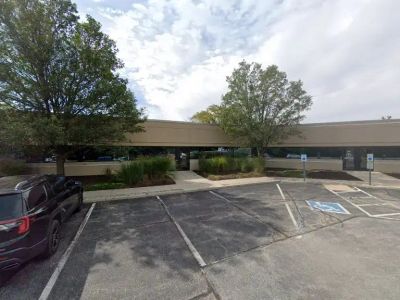

Addiction Rehab Centers - ARC At Bayside | Indianapolis Drug & Alcohol Rehab
Indianapolis, Indiana
5929 Lakeside Blvd, Indianapolis, IN 46278

Hamilton Center Inc: Mathew Maleakal S MD
Terre Haute, Indiana
620 8th Ave, Terre Haute, IN 47804

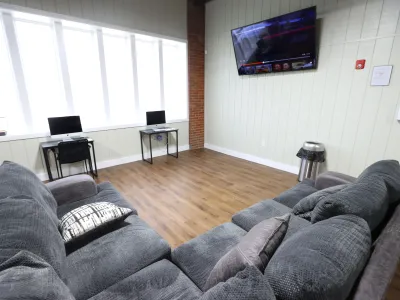
First City Recovery Center
Kokomo, Indiana
317 W Jefferson St, Kokomo, IN, 46901
Get Personalized Rehab Matches in 60 Seconds
Tell us a few details and we’ll show a personalized shortlist of verified Indiana rehabs, making it simple to compare options and choose your next step with confidence.

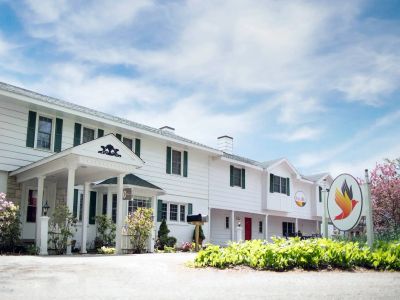

Parkdale Center
Chesterton, Indiana
350 Indian Boundary Rd., Chesterton, IN, 46304
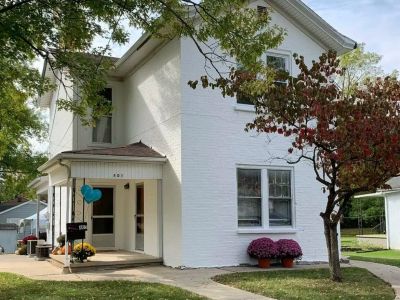
Centerstone Recovery Center
Richmond, Indiana
1811 S 9th St, Richmond, IN 47374
Ascension Medical Group St Vincent - Pendleton Primary Care
Pendleton, Indiana
3041 W US Highway 36 Pendleton, IN 46064
Pinnacle Treatment Centers - 2209 John R Wooden Drive
Martinsville, Indiana
2209 John R Wooden Drive, 3rd Floor Martinsville, IN 46151
Why Trust Indiana Rehabs
As Hoosiers helping Hoosiers, we understand the unique challenges our communities face. Our team meticulously verifies every Indiana treatment center, ensuring you find trusted, local care that truly understands your journey.
About our listingsLevels of Care
Explore popular treatment options by levels of care, from flexible treatment in Outpatient centers to intensive care in Residential rehabs.
Free · 24/7 · Confidential
Talk to a Treatment Specialist
Call now to get matched with Indiana facilities that accept your insurance.
(888) 568-9930
Free
Ins. check
4.9★
Rating
HIPAA
Protected
Can't travel to a facility?
Licensed Indiana therapists via secure video — same-week appointments, evenings & weekends available.
It’s easy to feel trapped when gang involvement hangs over your life or the life of someone you care about—a heavy sense of worry, fear, and uncertainty that just won’t let go. What if there was a clear path to a different future, one that didn’t have to be shaped by the past? Though the weight of these choices can feel overwhelming, there is real, compassionate support waiting here in Indiana. With help that’s structured and tailored to your needs, it’s possible to find the right way forward.

Why Youth Join Gangs
The decision for a young person to join a gang is almost never simple. It’s a complex choice that grows from a mix of personal, family, and community circumstances. For many youth, gangs offer a sense of belonging and identity when they feel disconnected from everything else. It can be a search for a substitute family, a way to feel seen and valued. In neighborhoods where violence is common, joining a gang can also feel like a necessary form of protection. The appeal isn’t always about aggression; it's often rooted in a deep need for safety, status, or a way out of economic hardship.
Understanding the layers behind gang involvement is the first step toward finding a solution. These are not just bad choices but responses to difficult environments. Many factors can increase the risk, and recognizing them is key to offering the right kind of help and prevention. For some, substance use and gang activity can become intertwined, creating even more challenges for the young person involved[1]. Fortunately, psychosocial interventions have been shown to be effective in preventing gang membership and related crime[2].
Risk Factors for Gang Joining
No single factor determines whether a young person will join a gang. Instead, it’s usually an accumulation of risks across different areas of their life. The more risk factors present, the higher the likelihood of gang involvement. One study found that children exposed to seven or more risk factors were 13 times more likely to join a gang than those with one or none. Here are some of the key risk factors to be aware of:
- Individual Factors: A history of trauma, substance use, aggression, and mental health challenges can increase vulnerability.
- Family Factors: A lack of parental supervision, family conflict, domestic violence, or a family history of gang involvement can contribute to the risk. The stability and support found within the family unit is a powerful influence.
- School Factors: Poor academic performance, low commitment to school, and feeling unsafe at school can push a youth to seek belonging elsewhere.
- Peer Factors: Having friends who are involved in gangs or delinquent behavior is one of the strongest predictors.
- Community Factors: Living in a neighborhood with high rates of crime, violence, and poverty, along with a lack of positive opportunities, creates an environment where gangs can thrive.
Protective Factors
Just as risk factors can increase vulnerability, protective factors are the positive influences that build resilience and help youth navigate challenges in a healthy way. Think of them as a buffer, strengthening a young person’s ability to resist the pull of gang involvement. These factors can be found in a person's individual skills, their family, their school, and their community. Key protective factors include strong family bonds, connection to positive adult mentors, involvement in pro-social activities like sports or clubs, and feeling connected and supported at school.

Evidence-based interventions are designed to build these protective factors. Mentoring, for example, is a cornerstone of youth violence intervention. A caring, consistent mentor can provide guidance, support, and a positive alternative to the influence of a gang. Another powerful approach is Functional Family Therapy (FFT-G), a program specifically adapted for gang-involved youth. This treatment focuses on improving family dynamics, communication, and problem-solving skills to create a healthier home environment. Research shows it works. In one study, youth who participated in FFT-G were significantly less likely to have drug charges (11% vs. 22%) and spent fewer days in residential placements than their peers. Building a strong foundation through family-focused therapy can create lasting change.
In Indiana, treatment facilities are equipped with evidence-based practices that align with these goals, such as cognitive behavioral therapy and trauma-related counseling, providing structured and supportive environments for recovery[3][4]. Specialized programs, like treatment courts, have also demonstrated success in improving outcomes for individuals involved in the justice system[5].
Find Gang Intervention and Prevention Programs in Indiana
Finding the right help can feel overwhelming, but you don't have to do it alone. Indiana has a network of programs and services dedicated to providing gang involvement support for youth and families. These organizations offer everything from street outreach and mentoring to counseling and job training. Below are examples of the types of community programs available, which can serve as a starting point for your search.
Need to Talk to Someone Now?
If you or someone you know is in immediate crisis, confidential help is available 24/7. You can explore crisis intervention services or call our dedicated helpline to speak with a compassionate specialist who can guide you to the right resources.
- Youth Empowerment Project (Indianapolis): This community-based program focuses on mentorship and positive youth development. It connects at-risk individuals aged 14-21 with trained mentors who provide guidance, support, and access to educational and vocational resources.
- Fort Wayne United (Fort Wayne): A city-led initiative, Fort Wayne United runs several programs aimed at reducing violence and supporting Black men and boys. Their focus includes outreach, crisis response, and building positive relationships between the community and law enforcement.
- The Gary Alliance for Prevention (Gary): This organization offers a range of prevention services for youth, including after-school programs, skill-building workshops, and family counseling. Their goal is to strengthen protective factors and reduce the risk of gang involvement before it starts.
For a broader look at statewide options, directories like the Fletcher Group's Indiana resources can be valuable tools for locating certified treatment and support services throughout the state.
How to Get Help Today
Remember, no matter how difficult things seem, a different path is always possible. The journey away from gang involvement is achievable, and a network of support is ready to help you or your loved one take that first step. Reaching out for help isn't a sign of weakness; it's a courageous act of strength and hope for a better future.
Taking that first step is the most important part. You can start by exploring gang involvement support programs in Indiana to see what options are available near you. It's also important to recognize that gang involvement often happens alongside other challenges like substance use or past trauma. Comprehensive treatment services are available to address these co-occurring issues together, ensuring a more complete and lasting recovery.
You are not alone in this. Compassionate, confidential guidance is just a phone call away. If you’re unsure where to begin or just need someone to talk to, our 24/7 helpline at (888) 568-9930 is here to listen and help you find the right services. At Indiana Rehabs, we believe in fresh starts. Please don't hesitate to reach out to us for help through our contact page. A new chapter is waiting.
Frequently Asked Questions About Gang Involvement in Indiana
What are the warning signs of gang involvement?
How can I help my child avoid gang involvement?
Where can I find help if my family is affected by gang violence?
How does substance use relate to gang activity?
- Sperber, K., Massey, A. A., & Knudsen, H. K. (10-13-2020). Substance use profiles among gang-involved youth. Journal of Ethnicity in Substance Abuse. pmc.ncbi.nlm.nih.gov
- Wilson, D. B. et al. (12-23-2024). Psychosocial interventions for preventing gang membership and gang-related crime: A systematic review. Campbell Systematic Reviews. journals.sagepub.com
- Substance Abuse and Mental Health Services Administration. (2019). National Survey of Substance Abuse Treatment Services, Indiana. U.S. Department of Health & Human Services. samhsa.gov
- U.S. Department of Health & Human Services. (August, 2021). State residential treatment for behavioral health conditions: Indiana. Office of the Assistant Secretary for Planning and Evaluation. aspe.hhs.gov
- Simon, K. I. et al. (September, 2025). Indiana adults who participated in treatment court programs had lower mortality and health care use. Health Affairs. healthaffairs.org